
Reviewed · KILIMANJARO TREKS
Kilimanjaro 7 Day Private Trekking Experience
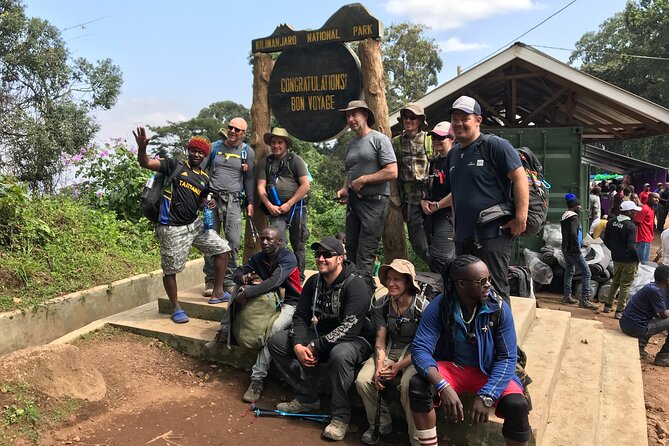
The best part of this seven-day Machame Route climb is its changing scenery. You start beneath tall rainforest trees, cross open moorland and dry high-altitude ground, then reach glaciers, stone, and ice near Uhuru Peak. The route also gives you a sound acclimatization pattern: climb high to Lava Tower, then sleep lower at Barranco Camp.
I like the private format, since your group can set its own pace and speak directly with the guide. I also like the full mountain team, including cooks, porters, and camp staff, plus the hot meals and drinks that matter greatly after a long climb. The main consideration is the cost and physical demand. At $3,120 per person, you are paying for a supported expedition, but tips, personal gear rental, and insurance are extra.
Key points to know before you book
- Machame gives you seven days of changing terrain, from rainforest to glacier country.
- Lava Tower is used for acclimatization, followed by a descent to Barranco Camp.
- The summit day begins around midnight, with a 6 to 8 hour ascent and a long descent.
- Private means only your group participates, not a large mixed party.
- Food, tents, crew wages, transfers, and accommodation are included, while gratuities and personal gear are not.
- The final day includes a hot shower, lunch, and certificate at a Moshi hotel.
What the $3,120 price buys you
This is not a basic walk with a guide and a daypack. The price covers the working mountain team, tents, food, specified transfers, meet and greet service, and accommodation before and after the climb. Breakfast is provided on six days, dinner on six days, and lunch is listed for seven days.
That level of support matters on Kilimanjaro. You carry your personal items, while porters move camp equipment and supplies. A cook prepares meals, and hot drinks are served at wake-up. After a cold night or a hard climb, a cup of coffee, tea, or hot chocolate is more than a nice touch.
The price also includes mountain crew salaries, which is important to check when comparing companies. You still need to budget for gratuities for guides, porters, and cooks. Personal travel and baggage insurance, telephone bills, laundry, and climbing gear are not included. Gear can be hired locally if required.
I would ask for a precise breakdown of the pre and post climb accommodation before paying. The final day says you return to Kilimanjaro Wonders Hotel in Moshi for a shower, lunch, dinner, and your certificate, but the supplied details do not spell out every hotel night included before the trek.
Other routes up the mountain from Moshi:
- Kilimanjaro climb by Lemosho Route (7-day)
★ 5.0 · 651 reviews - Kilimanjaro climb, Machame Route (7-day)
★ 5.0 · 262 reviews - Kilimanjaro Climbing Lemosho Route 8 Days.
★ 5.0 · 186 reviews
Day 1: Machame Gate and the first rainforest climb
The day begins around 9 a.m., when the guides and porters meet you for a final check of equipment and supplies. Anything you do not want on the mountain can be left in a locked hotel storage area, a useful detail if you arrive with luggage for a longer Tanzania trip.
The drive takes you to Machame Gate, where you register with the Kilimanjaro Park office. Once the formalities are complete, you begin walking through rainforest, climbing from about 1,800 meters to 3,000 meters over roughly 11 kilometers.
This first day is listed as about six hours. You stop partway up for a packed lunch, then continue to Machame Camp, usually arriving in the late afternoon. The rainforest is the most sheltered and greenest section of the route, but the climb is still a real first test for your legs.
The camp routine begins here. You settle into your tent, receive hot washing water, and eat dinner prepared by the cook. Do not treat this as a sightseeing stroll. You gain about 1,200 meters on the first day, so a slow pace and steady drinking are sensible.
Day 2: Leaving the trees for Shira Camp One
A hot drink arrives at your tent at about 6:30 a.m., followed by breakfast and camp packing. This early routine becomes normal quickly, and it helps you start walking before the day becomes warmer.
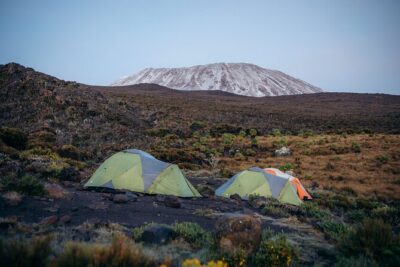
You leave the rainforest behind and enter moorland, with smaller shrubs, open ground, rocky ridges, and a more exposed feel. The route climbs from 3,000 meters to about 3,850 meters over nine kilometers, taking around six hours.
The path crosses a small valley and follows a river gorge toward the Shira Plateau. One of the day’s rewards is the first view toward the Western Breach and its glaciers. The vegetation becomes thinner as you gain height, so the mountain itself begins to dominate the view.
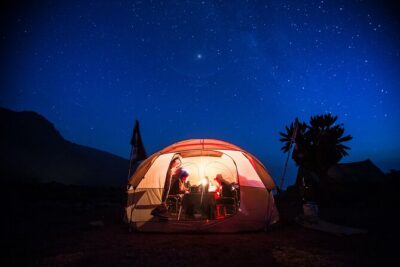
At Shira Camp, the cook provides boiled drinking water and hot washing water. That practical support reduces the amount you need to carry and makes camp life more comfortable. Still, sleeping at 3,850 meters can affect you, especially if you have not spent time at altitude before.
Day 3: Lava Tower, 4,600 meters, then Barranco
Day three is the key acclimatization day and the toughest walking day before the summit push. You leave Shira Camp at about 3,850 meters and climb to Lava Tower at approximately 4,600 meters, covering about 12 kilometers in seven hours.
The point is not simply to reach a higher camp. You spend time high for lunch, then descend around 650 meters to Barranco Camp. This climb high, sleep low pattern gives your body a useful chance to adjust.
The high ground becomes dry and sparse, with stone, open slopes, and views toward glaciers. The ascent can feel slow, and that is exactly how it should be. A guide who keeps you moving at a controlled pace is valuable here, since rushing on day three can create trouble later.
The descent to Barranco is a welcome change for tired legs, though the total day remains demanding. At camp, you are around 3,950 meters. The views and changing light make this a strong photography day, but you should keep your energy for the days ahead.
Same base, a different kind of day out:
- Safari Serengeti And Ngorongoro
★ 5.0 · 288 reviews - Climbing Kilimanjaro – Machame Route
★ 5.0 · 170 reviews - Climbing Kilimanjaro through 7 days Machame Route
★ 5.0 · 151 reviews - Kilimanjaro climb, Lemosho Route (8-day)
★ 5.0 · 148 reviews
Day 4: The Barranco Wall and Karanga Valley
After breakfast, you face the most distinctive obstacle of the route: Barranco Wall. The initial climb takes about an hour and a half, and in places you use your hands to help pull yourself upward.
This is not described as technical climbing, but it is a scramble and can feel intimidating if you dislike exposure or uneven rock. Your guide’s calm instructions matter here. Move slowly, use secure footholds, and keep your hands free when possible.
Once over the wall, the route drops into the greener Karanga Valley. The day gains only about 250 meters and covers roughly seven kilometers, though the itinerary allows about seven hours. That extra time reflects the rough ground and the need to pace the group.
Camping on the ridge above the valley helps with further acclimatization. I like this day because it breaks the climb into a manageable section. You are not chasing a high camp yet, but you are building the strength and confidence needed for summit night.
Day 5: Barafu Camp and the South Circuit views
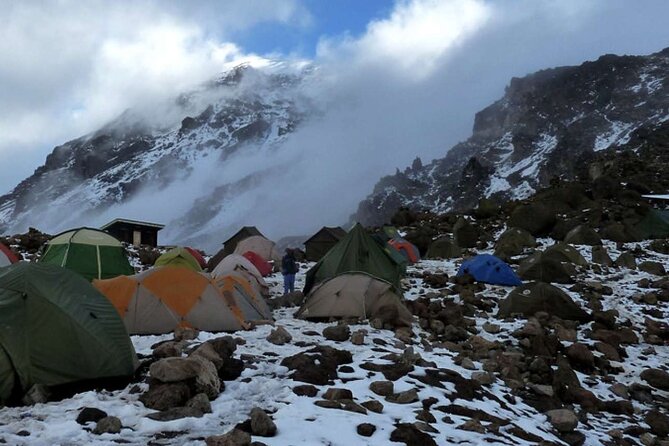
The walk to Barafu Camp gains about 400 meters over six kilometers. Along the way, you see glaciers on Kibo and pass the junction where the Mweka descent route meets the Machame trail.
This section completes the South Circuit, giving you views of the summit from several angles. The route passes through ridges and valleys before reaching the high camp below the Heim Glacier. The setting becomes more severe, with less plant life and more bare stone.
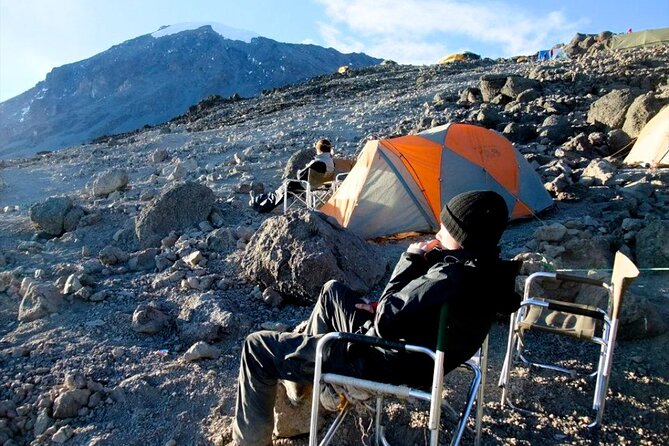
Barafu is the launch point for the summit attempt, so this is a preparation day as much as a walking day. You eat, rest, organize your clothing, and prepare your headlamp and daypack. The supplied schedule does not give an exact bedtime, but the next wake-up is at 11:30 p.m., so you should expect a short night.
The big benefit of a seven-day plan is that you have not rushed straight from the lower forest to Barafu. You have spent several nights gaining height gradually. That does not remove the risk of altitude sickness, but it gives the schedule more room for adjustment than a shorter climb.
Day 6: Uhuru Peak and the long descent
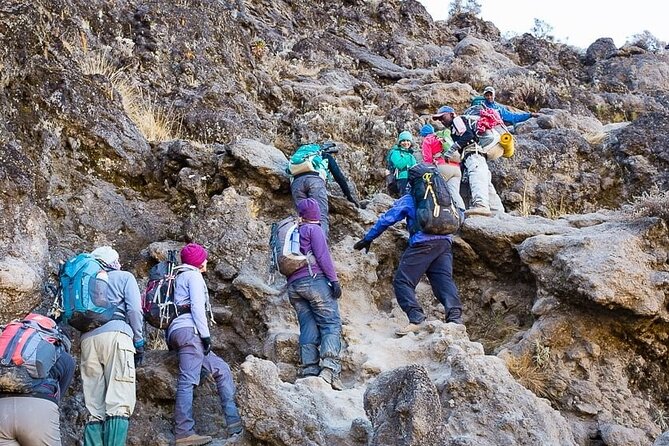
Summit day starts with tea at 11:30 p.m. and a midnight departure. You climb through the dark by headlamp, with the guide setting the pace and showing the route across stone, ice, and high mountain ground.
The ascent to Stella Point takes around six hours. The route passes near the Ratzel and Rebmann glaciers, and the cold, thin air, darkness, and steep path make this the hardest part for most people. You should expect a slow, deliberate walk rather than a quick march.
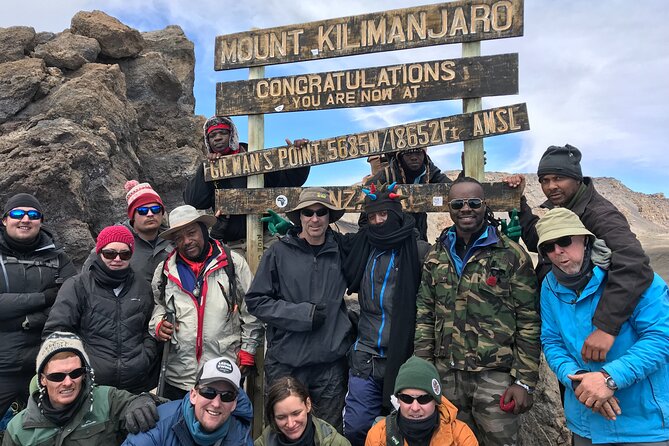
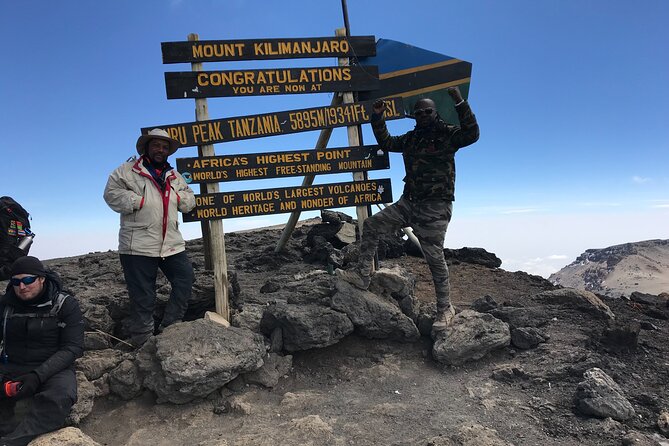
From Stella Point, you continue toward Uhuru Peak, listed at 5,895 meters. The schedule includes a stop for photographs, a major moment after hours of effort. Sunrise from the high ridge is one of the great rewards of starting at midnight, although the cold can make the stop brief.
The descent is long: about seven kilometers up and 23 kilometers down are listed for the full day, with seven to eight hours of descent after the summit section. You return to around 3,100 meters, tired and likely ready for food and sleep. This day is a serious test, and you should not book the climb unless you have a strong fitness level and are prepared for sustained walking at altitude.
Day 7: Mweka Gate, a shower, and your certificate
The final morning begins with a celebratory breakfast and a thank you to the mountain crew. This is also the point when you give gratuities to the guides, porters, cooks, and other staff. Bring enough cash and decide in advance how you want to divide tips.
The descent to Mweka Gate takes about three to four hours and drops from roughly 3,100 meters to 1,800 meters. You return to rainforest, where the air feels warmer and the vegetation becomes thicker.
At the gate, the program includes a celebratory beer or champagne while equipment is loaded into the vehicle. You then return to Kilimanjaro Wonders Hotel in Moshi for lunch and a hot shower. After dinner, you receive a certificate of achievement.
That final hotel stop is especially valuable after summit day. A clean bed, warm water, and a proper meal turn the end of the climb from a tired transfer into a clear finish to the expedition.
The private crew and the human side of the climb
This is a private activity, so only your group participates. That gives you more control than a large fixed group, though the pace still needs to suit the slowest person in your party.
The company has more than ten years of experience, and the named staff connected with the trip include guides such as Saul and Mvungi, along with owner Oscar. The available feedback repeatedly praises Oscar’s quick replies and the guides’ friendly support. Saul is singled out for being kind, funny, and helpful, while Mvungi is remembered for his warm personality.
The porters and cooks are central to the experience. They carry camp supplies, prepare meals, set up tents, and help make difficult days workable. Several comments specifically praise the porter team for being friendly and helpful, which is worth noting because the quality of camp support affects your whole week.
The company has also helped some clients arrange safari trips and a half-day visit to Kikuletwa Hot Springs. Those extras are not part of this $3,120 climb, but the local planning support may be useful if you are building a longer Tanzania holiday.
Fitness, age, and practical limits
You need a strong physical fitness level for this climb. The hard part is not only the final summit. Day three includes a high ascent and descent, day four involves the Barranco Wall, and day six combines a midnight start with a full day of walking.
Children under 15 need special requirements before trekking Kilimanjaro. The supplied information does not specify what those requirements are, so families should ask the operator directly before booking.
You should also plan for the conditions implied by the route: wet rainforest, exposed moorland, cold high camps, stone, ice, and a long summit night. Personal climbing gear is not included, although it may be hired locally. Travel and baggage insurance are also your responsibility.
The experience requires suitable weather. If poor weather causes cancellation, you are offered another date or a full refund. For any personal cancellation, the booking is non-refundable and cannot be changed, so insurance is worth considering.
Should you book this Kilimanjaro trek?
I would choose this experience if you want a private Machame climb with a full support crew, a seven-day schedule, and accommodation and transfers built into the price. It suits hikers who value personal attention and do not want to organize tents, meals, porters, and mountain transport on their own.
I would hesitate if you are looking for a low-cost climb, dislike camping, or have limited experience with long uphill days. The price is substantial, and tips, gear, insurance, laundry, and phone costs add to it.
The strongest reasons to book are the sensible Lava Tower acclimatization day, the private setup, and the repeated praise for Oscar, Saul, Mvungi, and the wider crew. Before confirming, ask for the exact accommodation schedule, gear rental choices, crew tipping guidance, and the current plan for weather delays. If those details fit your budget and fitness, this is a well-supported way to approach Africa’s highest mountain.
FAQ
How long is the Kilimanjaro trek?
The trek lasts approximately seven days, beginning at Machame and ending at Mweka Gate, followed by transport back to Moshi.
Is this a private tour?
Yes. Only your group participates in the activity.
What meals are included?
Food is included, with breakfast listed for six days, dinner for six days, and lunch for seven days.
Are tents included?
Yes. Tents are included, along with the mountain crew, cooks, porters, and specified transfers.
Are climbing gear and gratuities included?
No. Personal climbing gear and guide and porter gratuities are not included. Gear can be hired locally if needed.
What happens if bad weather cancels the climb?
If poor weather causes cancellation, you are offered a different date or a full refund. Personal cancellations or amendments are non-refundable.
More Hiking & Trekking in Moshi
- Private Kilimanjaro Hike 7 Day Lemosho Route
★ 5.0 · 60 reviews - Best Kilimanjaro hiking day trip tour with Kilinge Adventures
★ 4.5 · 54 reviews - #1. Best Kilimanjaro Day hike Tour-Machame Route-ISMANI
★ 4.2 · 47 reviews - Best Kilimanjaro Adventure 7 days Machame route Trekking
★ 5.0 · 42 reviews
Just added in Moshi
- Kilimanjaro Airport Private Transfer from/to Moshi★ 5.0 · 14 reviews
- 6 Days Machame route Kilimanjaro climbing★ 5.0 · 22 reviews
- 7 Days Highlight of Tanzania Mid-Range Standard★ 5.0 · 22 reviews
- 4 Day Mid-range Serengeti Safari★ 5.0 · 22 reviews
- Kilimanjaro Climbing 5 days Marangu route★ 5.0 · 22 reviews
- 6-Day Kilimanjaro Climbing Via Machame Route★ 5.0 · 23 reviews
- 9-Day Enchanting Tanzania Safari -High End All Inclusive★ 5.0 · 27 reviews
- Kilimanjaro Trekking 7Days 6Night Lemosho Route★ 5.0 · 23 reviews
Kilimanjaro Treks, compared.
8-Day Small-group Lemosho Kilimanjaro Summit Trekking
Read our review →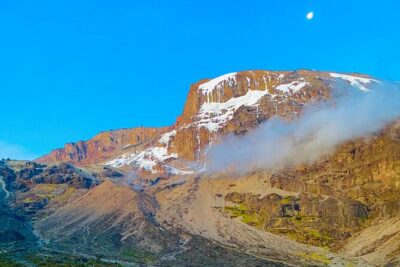
5 Days Best of Tanzania Luxury Safari Northern Circuit
Read our review →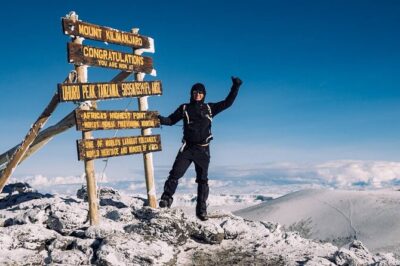
Climbing Kilimanjaro through 7 days Machame Route
Read our review →
7-Day Machame Kilimanjaro Summit Tour from Arusha
Read our review →Browse the lists this tour appears in