
Reviewed · KILIMANJARO TREKS
Kilimanjaro Climb- 8 Days Lemosho Route
The Lemosho Route gives you Kilimanjaro in its fullest form: heath, alpine meadow, high volcanic desert, and Arctic summit country in one long, steady climb. Eight days gives your body more time to adjust than a rushed itinerary, while the approach brings some of the mountain’s best scenery.
I like the full-board meals and large food portions, since eating well matters when every uphill step costs energy. I also like the practical safety kit: an emergency oxygen cylinder, oximeter, first-aid supplies, and a guide-led climb. The main drawback is simple: this is still a serious high-altitude trek, and personal gear, insurance, medication, and tips add to the advertised price.
Key points to know before you book
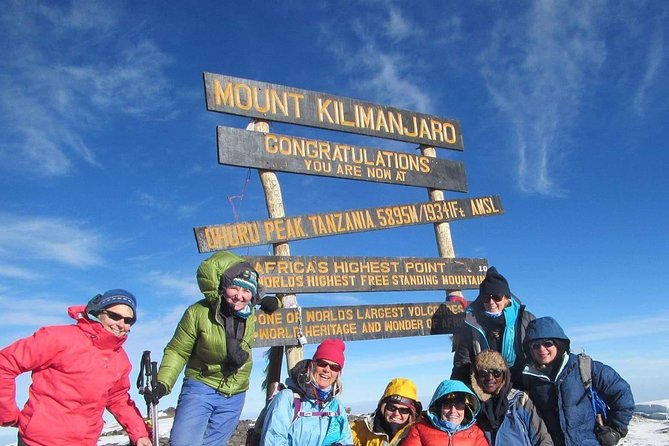
- Eight days on the Lemosho Route: A slower schedule gives you more time for the mountain’s changing climate zones and altitude adjustment.
- Moshi stay included: Two bed-and-breakfast nights in Moshi are part of the package, with airport pickup available.
- Full-board food on the mountain: Expect generous portions of fresh, nutritious meals, plus drinking water.
- Safety equipment provided: Your mountain team carries an emergency first-aid kit, oxygen cylinder, and oximeter.
- Personal equipment is extra: You must bring or hire a sleeping bag, boots, warm clothing, and other trekking gear.
- Small enough to feel organized: The maximum group size is 20, with an English-speaking guide leading the climb.
Why the Lemosho Route earns eight days
Kilimanjaro is not a technical climb in the mountaineering sense, but the height makes it demanding. The summit, Uhuru Peak, rises into thin air where fitness alone does not guarantee success. A longer route helps because you spend more time gaining altitude rather than charging straight upward.
Lemosho is especially appealing if you want scenery as well as a summit photograph. The route begins in the high heath zone, continues across alpine meadows, and eventually reaches the cold, spare Arctic zone near the summit. On the way down, the route passes through rainforest, giving you a final change of scenery instead of one long repeat of the ascent.
That variety is the heart of the trip. You are not simply walking uphill for eight days. You are moving through several distinct ecological zones, each with its own feel, vegetation, temperature, and view.
The route is described as a premium option, and that mostly means time and scenery rather than luxury. Mountain tents replace hotel rooms, and comfort remains basic. The value comes from the longer schedule, included support, meals, park-related costs, and a professional crew.
Other routes up the mountain from Moshi:
- Kilimanjaro climb by Lemosho Route (7-day)
★ 5.0 · 651 reviews - Kilimanjaro climb, Machame Route (7-day)
★ 5.0 · 262 reviews - Kilimanjaro Climbing Lemosho Route 8 Days.
★ 5.0 · 186 reviews
Your Moshi arrival and two-night base
The package includes two nights of bed-and-breakfast accommodation in Moshi. That gives you a useful buffer before and after the mountain rather than forcing you to connect directly from a long international flight to a trailhead.
Pickup is offered, and an airport transfer to Moshi can be arranged as part of the service. Joseph is one of the drivers associated with the arrival arrangements, while Kelvin has been the main contact for planning, questions, and preparation. Fast replies from Kelvin are useful here because a Kilimanjaro trip involves more than selecting a date. You need to clarify equipment, insurance, arrival timing, and what you still need to pack.
The listed start time is 8:00 am. Treat that as the point when your day begins, not as a reason to schedule a tight flight connection beforehand. The safest plan is to arrive in Tanzania with enough time to sleep, eat, and sort your luggage before heading toward the mountain.
Breakfast accommodation in Moshi is practical, not a resort feature. You are paying for a place to rest and organize yourself before and after the climb. The town also keeps you close to the mountain transfer system and public transportation.
Entering the heath and alpine meadow zones
The first part of the Lemosho route moves through heath and then alpine meadow. This is the gentler visual introduction to Kilimanjaro, with more vegetation and a sense of a living mountain rather than a bare summit ridge.
You will notice the scenery changing as you climb. The heath zone gradually gives way to open high ground and alpine meadow, where the air is cooler and the surroundings feel less familiar than the forested lower slopes. The route’s appeal comes from watching these transitions happen on foot.
The first days are also when your body begins to tell you how it handles altitude. Do not measure success by speed. A steady pace, regular meals, and careful attention to how you feel are more useful than trying to impress the person walking beside you.
The English-speaking mountain guide is responsible for leading the climb and managing the group on the route. The maximum group size is 20, which is not a private trek, but it remains small enough for a guide team to organize people, tents, meals, and walking pace.
Crossing the high alpine country
As the route continues, the surroundings become more exposed and the vegetation thins. This is the section where the extra days earn their keep. You have time to walk through the high country without treating every day as a race against the clock.
The trip includes mountain tents and sleeping mattresses, but not sleeping bags. That distinction matters. A mattress gives you a base under your sleeping bag, but it does not solve the problem of keeping warm overnight. You need to bring or hire a suitable sleeping bag, along with warm clothing and proper hiking boots.
Meals are served on a full-board basis on the mountain. The operator promises large portions of fresh, healthy, nutritious food, and drinking water is included. That is more important than it may sound. At altitude, appetite can fade even while your body needs fuel, so regular meals and easy access to water are central to a good climb.
Energy food and drinks are not included. Pack money and supplies for the snacks you personally rely on, and do not assume that soft drinks, alcohol, or special energy products will be available as part of the mountain package.
Same base, a different kind of day out:
- Safari Serengeti And Ngorongoro
★ 5.0 · 288 reviews - Climbing Kilimanjaro – Machame Route
★ 5.0 · 170 reviews - Climbing Kilimanjaro through 7 days Machame Route
★ 5.0 · 151 reviews - Kilimanjaro climb, Lemosho Route (8-day)
★ 5.0 · 148 reviews
The approach to Uhuru Peak
Near Uhuru Peak, the route enters the Arctic zone. This is the coldest and most demanding part of the climb, with less air and more exposure. The scenery becomes spare, and the goal turns from enjoying each ecological zone to managing effort carefully.
The emergency equipment is reassuring but should not be misunderstood. An oxygen cylinder, oximeter, and first-aid kit provide useful support, but they do not remove the risks of altitude. You still need travel insurance and medical insurance, and you should discuss medication with a qualified medical professional before the trip.
A Gamow Bag is specifically not included. That is an important point for anyone comparing operators or deciding what level of medical support they expect. Ask direct questions before booking about the emergency plan, guide-to-client ratio, evacuation arrangements, and how altitude symptoms are handled.
The listed activity requires a moderate level of physical fitness. That wording is not a guarantee that the summit will feel moderate. You should be ready for long days of walking, cold conditions, uneven ground, limited sleep, and a demanding summit section.
The descent through rainforest
The descent passes through rainforest, providing a strong contrast with the upper mountain. After the cold, open summit country, the return to thicker vegetation can feel like a different trip.
Descending is easier on the lungs than ascending, but it still puts work on your knees and legs. Trekking poles can be useful, though personal trekking equipment is not included in the price. Plan your kit with the whole route in mind, not just the summit attempt.
The rainforest section also gives the climb a satisfying shape. You start among vegetation, move into increasingly severe high-altitude zones, and then return through a greener environment. Few mountain holidays offer such a clear progression within one route.
Food, tents, and the practical side of camp life
This is a supported trek, not a self-guided walk. The price includes mountain tents, sleeping mattresses, full-board meals, drinking water, gate transfers, and an English-speaking guide. Crew wages are described as fair and sustainable, in line with KINAPA approval, which is an important part of the trip’s operating model.
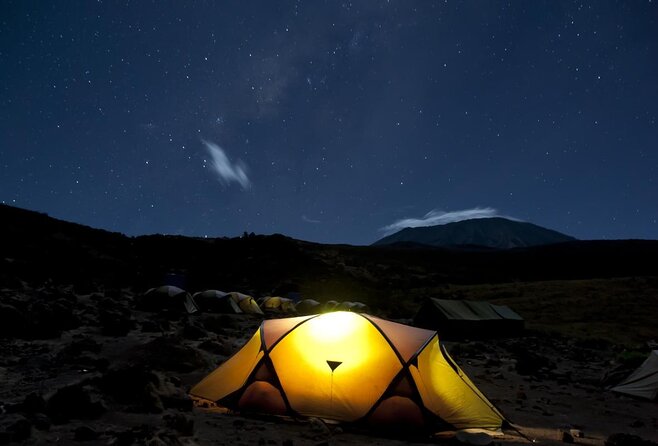
You should still expect mountain camping rather than comfort. The information does not promise private tents, showers, electricity, or hotel-style facilities on the route. Pack with the assumption that your tent is your bedroom and that you will need to manage your own personal items in changing temperatures.
Bring clothing that can handle several climate zones. Your packing list should cover hiking boots, warm layers, rain protection, gloves, a hat, and a sleeping bag, though the exact equipment requirements should be confirmed with the operator before departure.
Medication is not included. This includes anything you personally need, as well as any altitude medication you may be prescribed. Insurance is also not included and is required, so this is not an optional add-on to leave until the airport.
What the $2,600 price really covers
The price is $2,600 per person. That is not a budget day hike, but Kilimanjaro costs include more than guiding. This package includes two Moshi nights with breakfast, mountain food, drinking water, tents, sleeping mattresses, gate transfers, taxes and fees, crew wages, an emergency oxygen cylinder, an oximeter, and a first-aid kit.
The longer eight-day schedule is also part of the value. A shorter climb may cost less or fit a tighter holiday, but it gives you less time on the route. Here, you are paying for a scenic approach and a more gradual program.
The price does not cover flights, visa fees, insurance, medication, tips, personal spending, alcoholic drinks, soft drinks, energy food, sleeping bags, boots, or clothing. Add those costs before deciding that $2,600 is your final budget.
Tipping is not included. You should plan for gratuities separately and ask the operator for current guidance on customary amounts. That helps you budget honestly and avoids awkwardness at the end of the climb.
Who will get the most from this climb
This route suits you if reaching the summit matters, but you also want the journey to feel like a mountain trip rather than a quick vertical challenge. It is a good match for people with moderate fitness who are willing to train, carry personal gear, sleep in tents, and accept basic conditions.
It also suits first-time high-altitude trekkers who want a guided structure. The group has a clear start time, an English-speaking mountain guide, included meals, and practical safety equipment. The planning contact, Kelvin, has been especially involved in answering questions and helping people prepare.
You may want a different arrangement if you need private accommodation, a very small private group, or a highly detailed medical support package that includes a Gamow Bag. You should also think twice if you dislike cold nights, shared logistics, or having to supply much of your own technical clothing.
The group limit of 20 is worth noting. It is not an intimate one-on-one expedition, but it is also not an enormous departure. Ask how many people are actually booked for your date and how many guides and support staff will accompany the group.
Booking, cancellation, and weather details
Confirmation is provided at booking, and the experience is near public transportation. The stated meeting time is 8:00 am, and pickup is available.
Free cancellation applies if you cancel at least 24 hours before the start time. Changes or cancellations made inside that 24-hour window are not accepted for a refund. Cut-off times use local time in Tanzania.
Weather can affect the climb. If poor weather causes cancellation, you are offered another date or a full refund. The trip also requires a minimum number of people, so a cancellation for that reason brings the choice of another date or experience, or a full refund.
The operator has earned a five-star overall rating from nine published ratings, with strong praise focused on fast planning replies, clear preparation help, airport transfers, guides, porters, and the general organization of the climb. That is useful evidence about communication and service, but it does not change the physical demands of the mountain.
Should you book the Lemosho climb?
Book it if you want a scenic, eight-day Kilimanjaro route with Moshi accommodation, full mountain meals, an English-speaking guide, and basic safety equipment already built into the cost. The route’s greatest strength is its variety: heath, alpine meadow, Arctic summit country, and rainforest on the way down.
Before paying, get a written checklist for personal gear, confirm the mountain crew structure, ask about the emergency plan, and price insurance, visa, tips, sleeping bag, boots, and warm clothing. If you are prepared for camping and altitude rather than expecting a soft adventure holiday, this is a well-rounded way to approach Kilimanjaro.
FAQ
How long is the Kilimanjaro climb?
The climb lasts approximately eight days and includes seven nights.
Where does the experience begin?
The experience is based in Moshi, Tanzania, with an advertised start time of 8:00 am.
Is accommodation in Moshi included?
Yes. Two nights of bed-and-breakfast accommodation in Moshi are included.
Is airport pickup available?
Yes. Pickup is offered, and the service includes Kilimanjaro gate transfers.
What meals are included?
Full-board meals and drinking water are included on the mountain. The operator describes the food as fresh, healthy, nutritious, and served in large portions.
Is a mountain guide included?
Yes. The package includes the service of an English-speaking mountain guide.
Is camping equipment included?
Mountain tents and sleeping mattresses are included. Sleeping bags and personal trekking equipment are not included.
Is travel insurance required?
Yes. Travel or medical insurance is required, but it is not included in the price.
Is a Gamow Bag included?
No. A Gamow Bag is specifically excluded. An emergency oxygen cylinder, oximeter, and first-aid kit are included.
How many people can join the group?
The maximum group size is 20 people.
What is the cancellation policy?
You can cancel at least 24 hours before the start time for a full refund. Cancellations or changes made less than 24 hours before the start time are not accepted for a refund.
What happens if bad weather cancels the climb?
You are offered a different date or a full refund if poor weather causes cancellation.
Just added in Moshi
- Wildlife Extravaganza: Manyara, Tarangire & Ngorongoro in 3 Days★ 5.0 · 3 reviews
- West Kilimanjaro cycling Adventures★ 4.5 · 8 reviews
- machame route★ 5.0 · 16 reviews
- Kilimanjaro Climb • Machame Route ~ 10 Day★ 5.0 · 6 reviews
- Kilimanjaro Climbing Umbwe Route★ 5.0 · 3 reviews
- Mt Kilimanjaro 6 days Marangu route hike★ 5.0 · 3 reviews
- 3 Days Private E-Bike Tour in West Kilimanjaro★ 5.0 · 3 reviews
- Private Cycle to Kilimanjaro Bike Park Safari★ 5.0 · 6 reviews
Kilimanjaro Treks, compared.



8-Day Small-group Lemosho Kilimanjaro Summit Trekking
Read our review →

5 Days Best of Tanzania Luxury Safari Northern Circuit
Read our review →

Climbing Kilimanjaro through 7 days Machame Route
Read our review →
7-Day Machame Kilimanjaro Summit Tour from Arusha
Read our review →Browse the lists this tour appears in