
Reviewed · KILIMANJARO TREKS
Kilimanjaro Climb Marangu Route 6 days
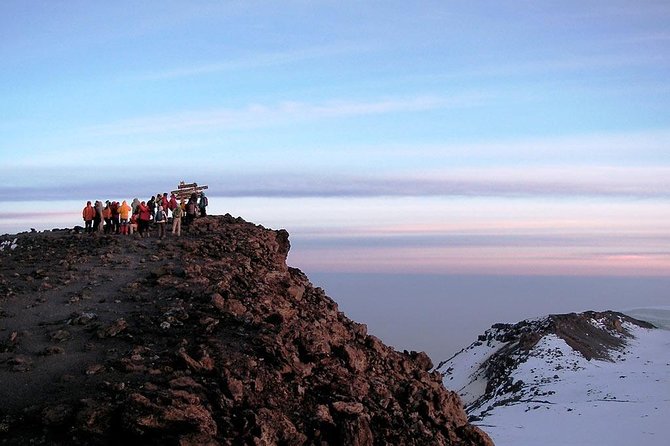
Kilimanjaro’s Marangu Route gives you a clear, classic path to Africa’s highest point: rainforest to arctic summit in six demanding days. You walk through blue-monkey country, cross the stark Saddle between Kibo and Mawenzi, then make the midnight push to Uhuru Peak at 5,895 meters. I like the built-in acclimatization day at Horombo and the practical hut-to-hut setup, which means you do not carry a tent.
I also like the private format and the care given to the mountain crew. Guide Shungu is praised for treating his team with respect, and the atmosphere sounds personal rather than factory-like. The catch is simple: six days is a tight schedule, and summit night is a serious physical test. If you can add time, the extra acclimatization day already included here is important, but a longer climb may suit some people better.
Key details before you commit
- Summit route: Marangu reaches Uhuru Peak by way of Kibo Hut, Gillman’s Point, and the crater rim.
- Built-in acclimatization: Day 3 uses Horombo as a base for a walk toward Mawenzi Ridge.
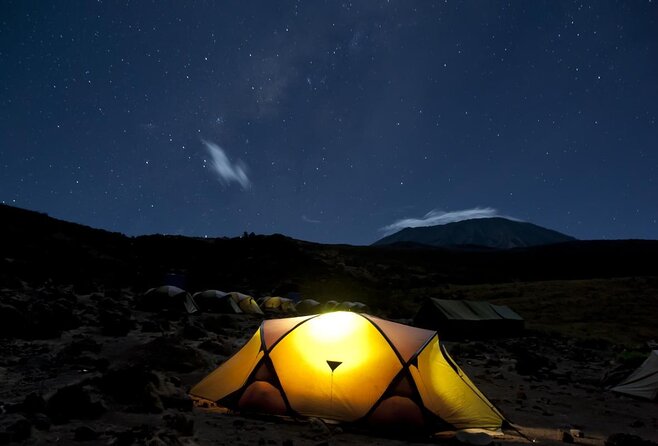
- Hut accommodation: You sleep in mountain huts rather than tents, with hot water for washing.
- Private operation: Only your own group takes part, with pickup and return transport in Moshi.
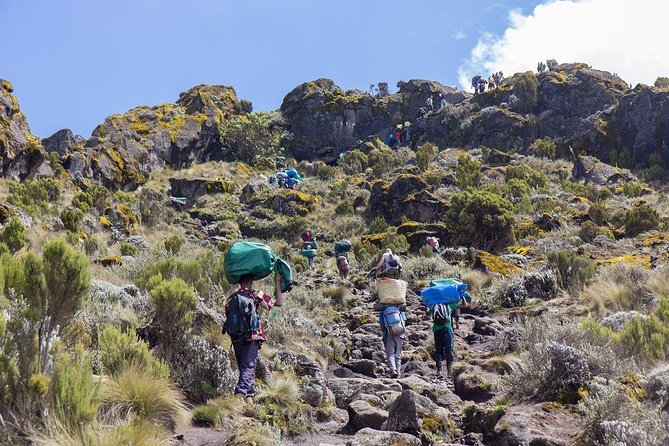
- Crew support: The price includes meals, filtered water, park costs, and stated fair wages for the mountain crew.
- Main challenge: Summit night begins around midnight and can last up to 11 hours, followed by a descent to Horombo.
What the six-day Marangu climb is really like
This is not a sightseeing walk with a dramatic finish added on. It is a mountain climb with a steady opening, a high-altitude middle, and one very long summit day. The route gains altitude through several distinct zones, so you can feel the change in air, plants, and terrain as you go.
The Marangu Route is often chosen because it uses huts and follows a fairly direct line toward Kibo. That makes it less demanding logistically than a camping route, but it does not make Kilimanjaro easy. The top is nearly 5,900 meters high. Fitness helps, but your response to altitude is the main unknown.
I find the private arrangement useful here. You are not tied to a large mixed group, and the provider says only your party will participate. That allows the pace and breaks to be managed around your group, though the published schedule still has fixed distances and long walking days.
Other routes up the mountain from Moshi:
- Kilimanjaro climb by Lemosho Route (7-day)
★ 5.0 · 651 reviews - Kilimanjaro climb, Machame Route (7-day)
★ 5.0 · 262 reviews - Kilimanjaro Climbing Lemosho Route 8 Days.
★ 5.0 · 186 reviews
Day 1: Marangu Gate to Mandara Hut through rainforest
Your vehicle collects you in Moshi and takes you to Marangu Gate. There are park formalities before the walk begins, so this first stage is not simply a matter of stepping out of the vehicle and heading uphill.
The route rises from about 6,046 feet to 8,858 feet over 8 kilometers. Allow roughly four to five hours. The first section passes through tropical rainforest, where the trail is shaded and the air is more humid than it will be higher up. Blue monkeys may be seen near the upper edge of the forest.
Mandara Hut is the first overnight stop. The surroundings begin to open as the trail leaves the thickest forest, with wider views across the hillsides. This is a good first day because the distance is moderate, but do not treat it as a free pass. A comfortable pace now helps you save energy for the much harder upper mountain.
The included filtered water, lunch, dinner, and hot water for washing are practical benefits from the start. You should still bring your own personal trekking gear, since that is not included in the price.
Day 2: Mandara Hut to Horombo and the first big views
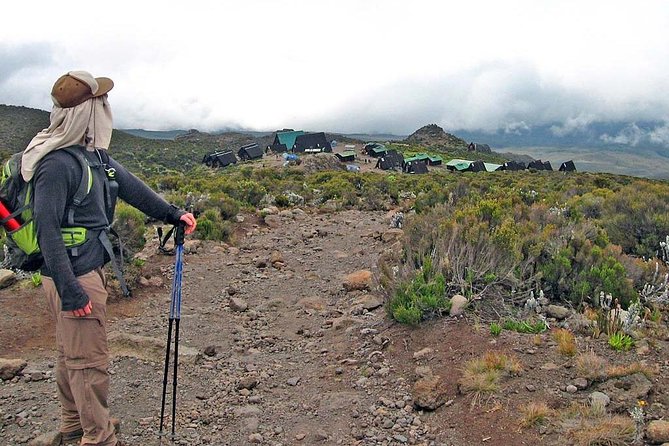
Day 2 covers about 12 kilometers and takes around six to eight hours. The trail continues through forest before opening into heath and high moorland. The elevation rises from 8,858 feet to about 12,205 feet, so this is where the altitude begins to matter more.
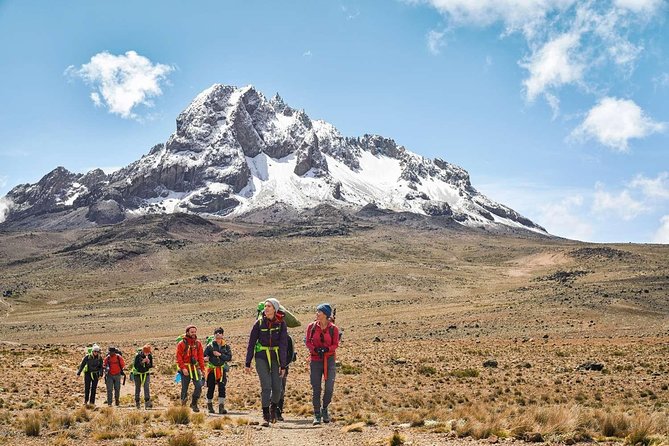
You may get your first clear views of Kibo and Mawenzi, two of Kilimanjaro’s three volcanic peaks. Kibo is the rounded main summit, while Mawenzi has a more jagged, broken profile. Seeing both helps you understand the route ahead: you will eventually cross the Saddle between them before heading to Kibo Hut.
Horombo Hut is a key stop, not just another bed for the night. It gives you time to adjust before the alpine desert and summit attempt. Eat properly, drink the provided water, and tell the guide promptly if you feel unwell. A mountain schedule should never be treated as a contest.
Day 3: Mawenzi Ridge and the value of slowing down
The third day is an acclimatization day at Horombo. You walk toward Mawenzi Ridge, gaining from about 12,205 feet to 14,400 feet, then return to Horombo. The stated walking time is about two to three hours going up and one to two hours coming down.
This is one of the best features of the schedule. You sleep at the same altitude after walking higher during the day, giving your body more time to adjust. The Mawenzi area also provides useful views toward both Kibo and Mawenzi, so the day is not merely a rest period spent inside the hut.
The drawback is that this extra day does not remove the risk of altitude sickness. It improves the pacing, but nobody can promise a successful summit. You should see this day as valuable preparation, not a guarantee.
For me, this is the point where the six-day itinerary earns some of its price. A shorter program would press you upward faster. Here, you get a planned pause before the most exposed and tiring stages.
Same base, a different kind of day out:
- Safari Serengeti And Ngorongoro
★ 5.0 · 288 reviews - Climbing Kilimanjaro – Machame Route
★ 5.0 · 170 reviews - Climbing Kilimanjaro through 7 days Machame Route
★ 5.0 · 151 reviews - Kilimanjaro climb, Lemosho Route (8-day)
★ 5.0 · 148 reviews
Day 4: Crossing the Saddle to Kibo Hut
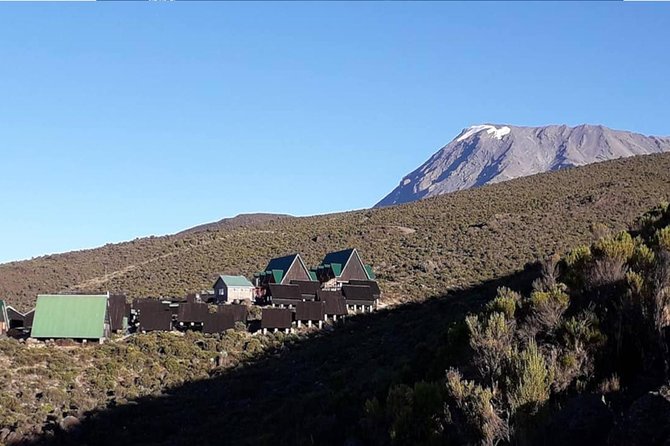
From Horombo, the route heads toward Kibo Hut, climbing from about 12,205 feet to 15,430 feet over 10 kilometers. Expect six to eight hours of walking.
The character of the route changes sharply. You cross the Saddle, a broad high-altitude desert between Mawenzi and Kibo. There is less shelter, less plant life, and a strong sense that you are entering the upper mountain. The open terrain can feel mentally demanding because the route ahead is exposed and the air is thin.
Kibo Hut sits below the Kibo crater wall. Once you arrive, the schedule calls for an early dinner and rest before the summit attempt. This is not an evening for a long chat, extra exploring, or a heavy meal. You need to conserve energy and organize your clothing and equipment for a midnight start.
Your dinner and breakfast are included, as are the other listed meals across the climb. Alcohol and non-alcoholic drinks beyond the provided arrangements are not included, so budget for personal purchases separately.
Day 5: Midnight to Uhuru Peak, then all the way to Horombo
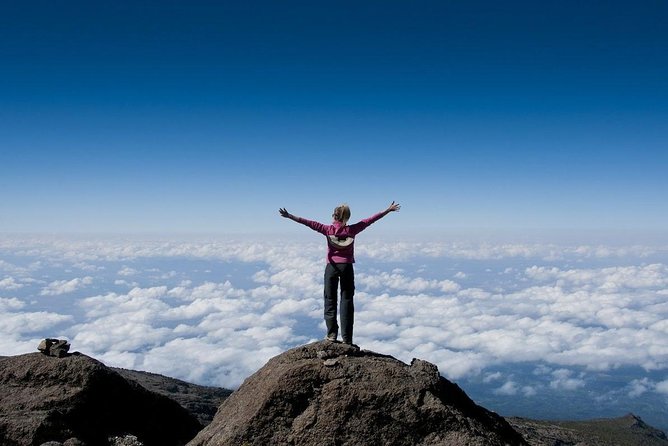
Day 5 is the heart of the climb and the part you must understand clearly before booking. You begin around midnight at Kibo Hut, usually in darkness, cold, and strong wind. The route climbs steep scree toward the crater rim.
The ascent to Uhuru Peak is listed as 6 kilometers and six to eight hours, with Kibo Hut at about 15,430 feet and Uhuru Peak at 19,341 feet. The path zigzags upward, and the loose scree can be easier when frozen. Frequent short breaks are planned, but this remains a slow, demanding effort.
Gillman’s Point, at roughly 18,600 feet, is an important milestone on the crater rim. Reaching it around dawn can bring striking sunrise views. Uhuru Peak lies beyond, just above the rim, so you still have a final section after Gillman’s Point. Do not mistake that last stretch for a simple photo stop. At this height, every step can feel slow.
After reaching Uhuru Peak, you descend to Horombo Hut. The descent is listed at 16 kilometers and four to five hours, with the day totaling about 11 hours. That is an extremely long day even for a fit walker. You will be tired, and the return to Horombo is not optional in the published plan.
This is where the guide and crew matter most. The provider says fair wages are paid according to Kilimanjaro National Park Authority standards, and comments about Shungu describe a crew treated with respect and a friendly, cooperative working style. Those details matter on a hard climb. Good teamwork can make a long day feel more orderly, but it cannot replace careful pacing or sensible decisions about altitude.
Day 6: The long descent to Marangu Gate
The final day drops from Horombo Hut to Marangu Gate, from about 12,205 feet to 6,046 feet. The route covers approximately 20 kilometers and takes five to seven hours, mostly downhill through rainforest.
Downhill walking sounds easy until your legs are already worn out from summit day. Trekking poles can be useful if you have them, though personal gear is not supplied. Take care on wet or uneven sections and keep enough water for the full descent.
At Marangu Gate, you collect your summit certificates. A vehicle then takes you back to your hotel in Moshi. The tour ends where it began, which keeps the final transport simple after six days on the mountain.
What the $2,290 price includes
At $2,290 per person, this is a substantial purchase, but the value depends on what you would otherwise need to arrange separately. The price includes private transportation, all fees and taxes, filtered water throughout the trek, hot water for washing, and three meals a day across the listed schedule: six lunches, five breakfasts, and six dinners.
It also includes the mountain crew’s stated fair wages. That is worth paying attention to. The people carrying, cooking, guiding, and supporting the climb are central to your safety and comfort. A low headline price can look attractive if it leaves crew pay unclear. Here, that cost is addressed directly.
You still need to pay for flights, visas, insurance, personal trekking equipment, personal expenses, and alcoholic or non-alcoholic drinks. The phrase personal trekking gear matters. Confirm exactly what you need before departure rather than assuming boots, warm layers, a sleeping bag, or other equipment are supplied.
Private transport and a private group add value if you prefer a more personal arrangement. The published information does not give a group size, only that your own party participates. Ask the provider for the exact vehicle and hut arrangements if those details affect your decision.
Who should choose this route
This climb suits a fit person who is used to walking in mountain areas and can handle long days. You should be comfortable with distances up to 20 kilometers, a midnight start, cold conditions, steep scree, and a return descent after reaching the summit.
It is a particularly good fit if you:
- Prefer huts to camping
- Want a private trip rather than a shared group
- Value an included acclimatization day
- Want private pickup and return to Moshi
- Like a direct, well-defined route to Uhuru Peak
- Are prepared to supply your own personal trekking gear
It may not suit you if you want short walking days, a relaxed holiday, or a high chance of reaching the summit without serious preparation. The tour requires moderate physical fitness according to the booking information, but the summit day is harder than the phrase moderate fitness may suggest.
The four published customer comments give useful clues about the human side of the operation. The strongest praise centers on hospitality, cooperation, and the way Shungu works with his crew. One Spanish-speaking party also describes the company as professional and dependable while arranging both Kilimanjaro and a safari. That combination may appeal if you want one local contact for more than one part of a Tanzania trip.
Practical points to settle before departure
Pickup and return are offered in Moshi Urban, and the activity ends back at the meeting point. Confirmation is provided when you book. Since this is a private activity, clarify your pickup time, hotel details, and the exact meeting arrangement in advance.
You should also confirm the gear list, insurance requirements, and any personal expenses not covered by the price. The booking terms allow a full refund if you cancel at least 24 hours before the start time. Cancellations or changes within 24 hours are not refunded or accepted.
The route is demanding enough that your preparation should focus on steady walking, uphill conditioning, and carrying the personal items you will actually use. You do not need to race. The useful habit is to move slowly, eat when food is offered, drink regularly, and speak openly with the guide if your condition changes.
Should you book the Marangu Route in six days?
I would choose this trip if you want the convenience of mountain huts, a private group, included transport and meals, and a planned acclimatization day without arranging every service yourself. The route gives you a strong variety of scenery, from rainforest and heath to the stark Saddle and the icy summit zone.
I would hesitate if you have little mountain walking experience or if the six-day schedule is the shortest possible time you can spare. The midnight summit attempt and 11-hour summit day are the real price of the itinerary. If you are fit, prepared, and realistic about altitude, this is a well-structured way to attempt Kilimanjaro with a personal crew and clear support. If you want a gentler margin for acclimatization, ask about a longer program before paying.
FAQ
Where does the Kilimanjaro climb begin and end?
The climb begins with pickup in Moshi Urban, Tanzania. After the descent to Marangu Gate on Day 6, private transport returns you to your hotel in Moshi.
How long is the Marangu Route experience?
The experience lasts approximately six days. Walking times range from about two to three hours on the acclimatization day to about 11 hours on summit day.
Is this a private tour?
Yes. Only your own group participates in the activity.
Is accommodation in tents or huts?
The itinerary uses mountain huts, including Mandara Hut, Horombo Hut, and Kibo Hut.
Is an acclimatization day included?
Yes. Day 3 is an acclimatization day based at Horombo Hut, with a walk toward Mawenzi Ridge and a return to Horombo.
What meals and drinks are included?
Six lunches, five breakfasts, six dinners, and filtered water throughout the trek are included. Alcoholic and non-alcoholic beverages are not included.
What happens if I cancel?
You can receive a full refund if you cancel at least 24 hours before the experience begins. Cancellations or changes made within 24 hours are not accepted and are not refunded.
Just added in Moshi
- Wildlife Extravaganza: Manyara, Tarangire & Ngorongoro in 3 Days★ 5.0 · 3 reviews
- West Kilimanjaro cycling Adventures★ 4.5 · 8 reviews
- machame route★ 5.0 · 16 reviews
- Mt Kilimanjaro 6 days Marangu route hike★ 5.0 · 3 reviews
- Kilimanjaro Climb • Machame Route ~ 10 Day★ 5.0 · 6 reviews
- Kilimanjaro Climbing Umbwe Route★ 5.0 · 3 reviews
- 3 Days Private E-Bike Tour in West Kilimanjaro★ 5.0 · 3 reviews
- Private Cycle to Kilimanjaro Bike Park Safari★ 5.0 · 6 reviews
Kilimanjaro Treks, compared.



8-Day Small-group Lemosho Kilimanjaro Summit Trekking
Read our review →

5 Days Best of Tanzania Luxury Safari Northern Circuit
Read our review →

Climbing Kilimanjaro through 7 days Machame Route
Read our review →
7-Day Machame Kilimanjaro Summit Tour from Arusha
Read our review →Browse the lists this tour appears in