
Reviewed · KILIMANJARO TREKS
Kilimanjaro climb via Marangu Route 6Days
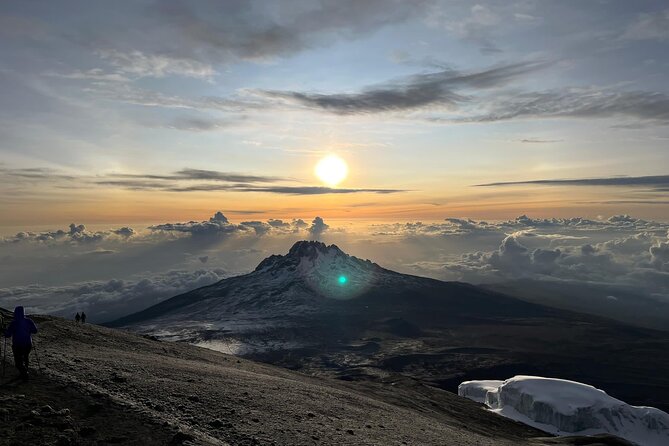
Kilimanjaro’s Marangu Route is the mountain’s hut route, giving you bunk beds instead of tents during the climb. Its gradual slope and direct path make it the easiest route on Kilimanjaro in physical terms, though reaching the summit still demands serious fitness and patience.
I like the practical hut system and the six-day schedule, which gives you a more settled base than a rushed climb. I also like the clear help from Faiza, who advised one group to choose six days because they wanted hut accommodation. The main drawback is that the route is described as direct and easy, so you should not mistake it for an easy holiday. Altitude remains a real challenge.
Key points to know before you book
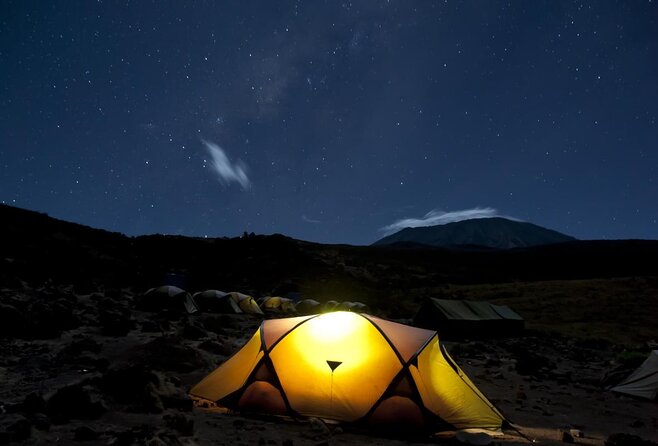
- Three mountain huts replace camping: You sleep in bunk beds at Mandara Huts, Horombo Hut, and Kibo Huts.
- The six-day plan suits hut seekers: This option was recommended to a group specifically because they wanted to stay in huts rather than camp.
- Meals are included: The package lists three meals per day for six days, plus two nights of accommodation in Moshi.
- Faiza is the main booking contact named: She provided detailed route information, answered questions quickly, and helped with the booking process.
- Equipment is not included: Visa costs, climbing equipment, and personal items are your responsibility, though equipment rental was arranged by at least one group through the operator.
- You need moderate fitness: The route is gradual, but the summit attempt is still physically demanding.
Why Marangu’s huts change the Kilimanjaro experience
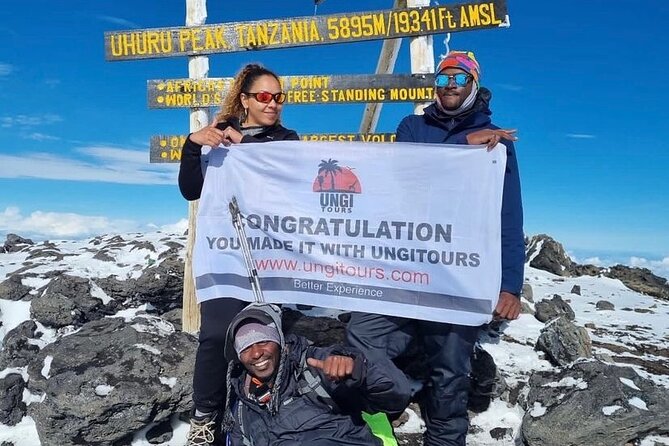
Marangu is the route to consider if sleeping under canvas is not part of your dream. Instead of carrying the full camping setup, you stay in mountain huts with bunk beds. That simple change can make the trip feel more manageable, especially if you prefer a bed, a roof, and a more fixed sleeping place at the end of the day.
Mandara Huts and Kibo Huts each have 60 bunks. Horombo Hut has 120. Those numbers tell you something useful: this is not a private mountain retreat. The huts provide basic shelter and sleeping space, not luxury. You should be ready for shared accommodation and a busy atmosphere, particularly because Marangu is one of the most popular routes.
The route is also known as the tourist route. That name points to its long history as a favored path, but it does not mean the experience is artificial. You still move through the mountain environment on foot, spend nights at altitude, and face the same basic physical problem as anyone climbing Kilimanjaro: your body must adjust to thinner air.
I like the hut arrangement for practical reasons. You can focus more of your energy on walking and less on camp chores. The tradeoff is that the route may feel less secluded than a camping route, and the bunk rooms give you less personal space.
Other routes up the mountain from Moshi:
- Kilimanjaro climb by Lemosho Route (7-day)
★ 5.0 · 651 reviews - Kilimanjaro climb, Machame Route (7-day)
★ 5.0 · 262 reviews - Kilimanjaro Climbing Lemosho Route 8 Days.
★ 5.0 · 186 reviews
The six-day plan and what it promises
The supplied information confirms a six-day climb through Marangu, with three meals each day and two nights of accommodation in Moshi. It does not provide a full day-by-day schedule with walking hours, distances, altitude figures, or exact overnight allocation. That matters when you compare operators, so ask Ungitours for the detailed daily plan before paying.
The six-day length is important. A short Kilimanjaro itinerary can look attractive because it lowers the time and cost, but the mountain does not reward rushing. This plan was specifically recommended to one group that wanted hut accommodation, and the group successfully reached the summit. That does not guarantee the same result for everyone, but it shows why the six-day version can be a sensible choice for people who want the Marangu hut format.
The package starts in Moshi, Tanzania. Pickup is offered, and the activity has a mobile ticket, which should make the first meeting simpler. The stated start time is 12:00 am, so confirm exactly what that means for your booking. It may refer to the system’s default start time rather than a precise pickup appointment. You do not want to be guessing outside your hotel in the middle of the night.
Moshi preparation and the value of two hotel nights
Two nights of accommodation in Moshi are included. That gives you time to arrive, organize your kit, and meet the operator before heading into the mountain area. It also gives you a place to deal with practical matters such as missing equipment or last-minute questions.
Faiza is the named contact connected with the booking process. The available information describes her as quick to respond and able to explain the six-day Marangu route in detail over a video call. That kind of contact is useful for a climb, since you need clear answers about the huts, meals, equipment, schedule, and pickup.
One group also arranged gear rental through the operator. Equipment rental is not included in the advertised package, so treat this as a separate cost. Ask for a written list of available gear and prices. The phrase equipment is not included covers a lot, and you should know exactly what you must bring or rent before arriving in Moshi.
The package also excludes your Tanzania visa and other personal items. Budget for those separately. The $2,180 price is therefore not your final trip cost unless you already have the required personal equipment and have dealt with visa expenses.
Mandara Huts, the first mountain shelter
Mandara Huts are one of the three named hut stops on the route. Each hut complex has 60 bunk beds, so you can expect a shared sleeping arrangement rather than a private room. The shelter is the point: it keeps you off the ground and out of a tent, but it does not turn the climb into a hotel stay.
This first hut stop is useful psychologically. You have left Moshi and reached a proper mountain base for the night. The hut gives you a fixed place to rest, eat, and prepare for the next section of the route.
The supplied itinerary does not provide the exact walking time to Mandara, so I would not rely on a fixed arrival hour without asking the operator. Your guide or trip coordinator should give you the day’s plan, including when you leave, what you carry, and where meals are served.
Three meals per day are listed for the six-day package. That is a meaningful inclusion on a climb. Food at regular times helps you maintain energy, and you do not have to arrange every meal yourself while moving between huts. Still, ask whether special dietary needs can be handled before departure, since the available details do not address that point.
Same base, a different kind of day out:
- Safari Serengeti And Ngorongoro
★ 5.0 · 288 reviews - Climbing Kilimanjaro – Machame Route
★ 5.0 · 170 reviews - Climbing Kilimanjaro through 7 days Machame Route
★ 5.0 · 151 reviews - Kilimanjaro climb, Lemosho Route (8-day)
★ 5.0 · 148 reviews
Horombo Hut and the larger bunkhouse
Horombo Hut has 120 bunk beds, twice the capacity of Mandara or Kibo. It is the largest of the three named hut accommodations, so you should expect the most communal sleeping setup here.
The larger hut can be an advantage if you like the social side of a mountain climb. You may share the room with more people and exchange route advice with other climbers. If you value quiet, privacy, or an early night, bring realistic expectations. The information provided does not promise private rooms or a low-capacity group.
Horombo also represents the middle of the hut experience. You are not simply walking up and sleeping in one place. The route uses different mountain shelters, each with a different capacity and role. That change of setting gives the six-day itinerary a clear rhythm, even though the full daily schedule is not provided.
Your physical condition matters here. The official advice calls for moderate fitness. I would read that as a minimum, not a promise that the climb will feel moderate every day. You need to be comfortable with long uphill walking and with recovering at altitude. The route’s gradual slope helps, but it cannot remove the effort required to gain height.
Kibo Huts and the serious part of the climb
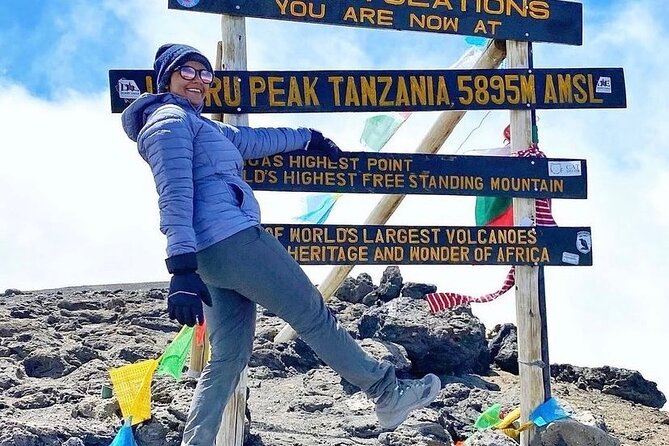
Kibo Huts have 60 bunk beds and are the third named hut accommodation on Marangu. Their location makes them part of the upper section of the route, where preparation and pacing become especially important.
The supplied material does not give the exact summit schedule, the length of the final ascent, or the elevation of the huts. Do not book this trip based on a promise of an easy final day. Ask the operator for the summit-day plan, expected start time, rest points, safety procedures, and what happens if you need to turn back.
The phrase easiest path refers to the route’s gradual slope and direct line. It does not mean altitude sickness is impossible or that everyone reaches the top. A successful summit depends on fitness, acclimatization, weather, pacing, and the support of your mountain team.
The available feedback gives the support team strong credit. One group of seven people said the team’s service and support helped them reach the summit. Another described the team as professional, attentive, and kind. Those qualities matter most when you are tired, anxious, or unsure how to pace yourself.
What the $2,180 price really covers
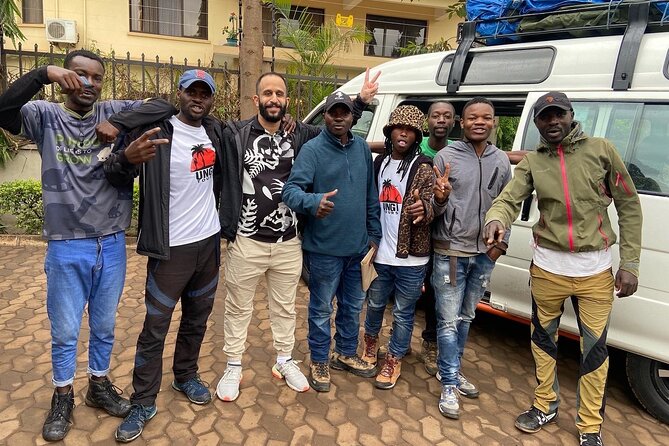
At $2,180 per person, this is a serious purchase. Its value depends on what you need from an operator and what you still have to arrange yourself.
The package includes pickup, a mobile ticket, three meals per day for six days, two nights of accommodation in Moshi, and access to the Marangu climb with its hut stays. The route’s bunk accommodation is the main practical difference from a camping itinerary, and it may save you the trouble of sleeping in a tent.
The price does not include a Tanzania visa, equipment, or personal items. You might also have extra costs connected with equipment rental, since one group rented gear through the company. Get those prices in advance. A low initial figure can become less attractive if required equipment is added late.
The booking support is part of the value here. Faiza is described as responsive and clear about the route, and the booking process was considered easy by one group. For a high-altitude trip, a contact who answers detailed questions is worth more than a glossy description.
Still, compare the inclusions carefully. Ask for the exact number of nights in each hut, the complete food plan, the transport arrangements, the size of your climbing group, and the equipment rental rates. The supplied details do not answer those questions.
What the praise tells you about Ungitours
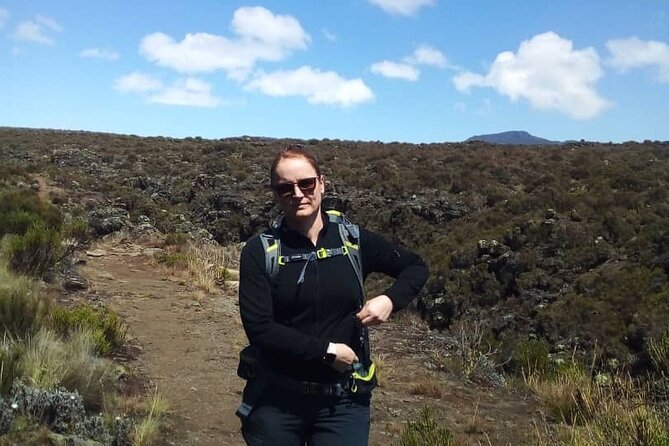
The strongest positive points are consistent: communication, support, and the professional manner of the team. Faiza’s quick replies and route advice helped people choose the six-day hut option. The mountain crew was described as attentive and kind, and the booking process was considered straightforward.
That is the sort of praise I want to see for a Kilimanjaro operator. The route itself is fixed, but good communication can make a major difference before you arrive. You need help understanding the difference between a hut route and a camping route, and you need honest advice about what to pack.
One group had seven climbers and successfully reached the summit. That is encouraging, but you should not treat a past successful group as a guarantee. The available feedback covers only three experiences, so the rating history is limited. Use the positive reports as a reason to ask good questions, not as a substitute for checking the details of your own booking.
The operator also received praise from people who booked a safari with the company or heard about it through a friend. That may make Ungitours appealing if you want to combine a Kilimanjaro climb with other East African plans, but the supplied information does not describe the safari arrangements. Ask for a separate itinerary and price.
Who should choose this route?
I would point you toward this experience if you want Kilimanjaro with hut accommodation, prefer a direct route, and do not want to camp. It also suits you if having a responsive contact before departure matters and you are comfortable arranging your own visa, personal kit, and any equipment not covered by the package.
The route may work well for a small group of friends. One successful group consisted of seven people, and the booking contact helped them choose the six-day plan. A group can make the hut experience more social, though the bunk rooms themselves are shared.
I would be more cautious if you want solitude, detailed luxury, private sleeping space, or a fully inclusive price. The large bunk capacity at Horombo makes clear that this is a communal mountain trip. You should also think twice if you have not prepared physically, since the operator asks for moderate fitness and the final ascent remains demanding.
The six-day schedule is a reasonable middle ground for someone who wants more time than a rushed itinerary but does not want a longer expedition. Because the exact day-by-day plan is not supplied, confirm how the six days are divided before booking.
Booking, cancellation, and practical checks
The activity offers free cancellation if you cancel at least 24 hours before the local start time. Cancellations within 24 hours are not refunded, and changes made inside that period are not accepted. Check the local cut-off time carefully, especially if you are booking from another time zone.
Confirmation is provided when you book. Pickup is offered, but the exact pickup point and time should be confirmed with Faiza or Ungitours. The listed start time is midnight, which may be a system setting rather than the time you physically leave Moshi.
Before you commit, ask these questions:
- What is the exact plan for each of the six days?
- How many nights are spent at each named hut?
- What equipment can be rented, and at what price?
- What does each daily meal include?
- What is the pickup time and meeting point?
- How large will the climbing group be?
- What is the summit-day schedule?
- What happens if a climber cannot continue?
Those answers will tell you more about the real value than the headline price alone.
Should you book the six-day Marangu climb?
Book this Kilimanjaro experience if hut accommodation is your priority and you want a direct route with meals, Moshi lodging, pickup, and active pre-trip support. The three named huts, six-day format, and responsive contact through Faiza give the package a practical shape.
I would not book it without first confirming the full daily schedule and all extra costs. The route is called easy because of its gradual slope, not because the mountain is easy. If you are prepared for shared bunk rooms, moderate-to-hard physical effort, and separate visa and equipment costs, Ungitours looks like a sensible option for a hut-based Kilimanjaro climb.
FAQ
Where does the Kilimanjaro climb start?
The experience is based in Moshi, Tanzania. Pickup is offered, and two nights of accommodation in Moshi are included.
How long is the Marangu Route experience?
The climb lasts approximately six days.
What accommodation is used on the mountain?
You stay in huts with bunk beds at Mandara Huts, Horombo Hut, and Kibo Huts.
How many bunk beds are at Mandara Huts?
Mandara Huts have 60 bunk beds.
How many bunk beds are at Kibo Huts?
Kibo Huts have 60 bunk beds.
How many bunk beds are at Horombo Hut?
Horombo Hut has 120 bunk beds.
Are meals included?
Yes. The package lists three meals per day for six days.
Is equipment included in the price?
No. Equipment and other personal items are not included. Equipment rental may be available separately through the operator.
Is a Tanzania visa included?
No. The Tanzania visa is not included in the tour price.
What level of fitness do I need?
The additional information recommends a moderate level of physical fitness.
Who is the booking contact mentioned for this experience?
Faiza is the named contact associated with route advice and the booking process.
How much does the experience cost?
The listed price is $2,180 per person.
Can I cancel for a full refund?
Yes, if you cancel at least 24 hours before the experience start time. Cancellations within 24 hours are not refunded.
Is a mobile ticket available?
Yes. The experience includes a mobile ticket.
When is the listed start time?
The listed start time is 12:00 am. Confirm the exact pickup time and meeting point before departure.
Just added in Moshi
- Wildlife Extravaganza: Manyara, Tarangire & Ngorongoro in 3 Days★ 5.0 · 3 reviews
- West Kilimanjaro cycling Adventures★ 4.5 · 8 reviews
- machame route★ 5.0 · 16 reviews
- Kilimanjaro Climb • Machame Route ~ 10 Day★ 5.0 · 6 reviews
- Kilimanjaro Climbing Umbwe Route★ 5.0 · 3 reviews
- Mt Kilimanjaro 6 days Marangu route hike★ 5.0 · 3 reviews
- 3 Days Private E-Bike Tour in West Kilimanjaro★ 5.0 · 3 reviews
- Private Cycle to Kilimanjaro Bike Park Safari★ 5.0 · 6 reviews
Kilimanjaro Treks, compared.



8-Day Small-group Lemosho Kilimanjaro Summit Trekking
Read our review →

5 Days Best of Tanzania Luxury Safari Northern Circuit
Read our review →

Climbing Kilimanjaro through 7 days Machame Route
Read our review →
7-Day Machame Kilimanjaro Summit Tour from Arusha
Read our review →Browse the lists this tour appears in