
Reviewed · KILIMANJARO TREKS
Kilimanjaro Lemosho Route 8 Days
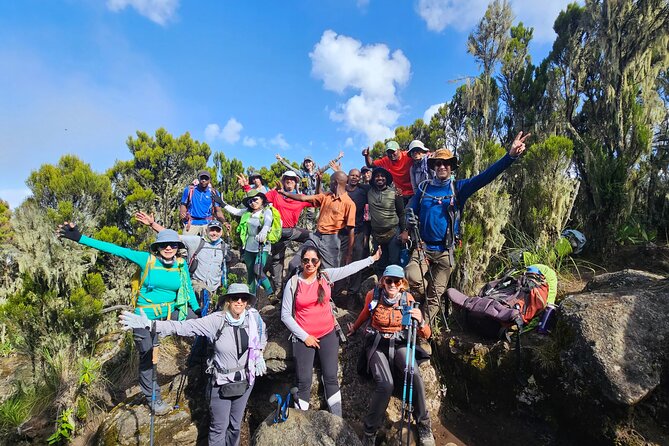
The best thing about this eight-day Lemosho climb is its gradual route across Kilimanjaro’s western side. You cross the Shira Plateau, pass below Kibo, and reach Uhuru Peak after several days of altitude adjustment rather than rushing uphill. The views can include the Great Rift Valley, Mount Meru, Longido, and, if conditions cooperate, some wildlife lower down.
I like the scenery and the amount of practical support included. You get meals, tents, mats, purified water, a private toilet, rescue fees, oxygen, radios, and a Gamow Bag. I also like the company’s local footing and its repeated use of guides such as Abel, Eli, Justin, Richard, Abdul, and Priscus, who are praised for calm pacing and strong altitude support.
The main drawback is the summit day. Seven to eight hours of climbing to Uhuru Peak is followed by another four to six hours down to Mweka Camp, so this is still a hard high-altitude expedition. The route is scenic and carefully paced, but it is not a casual hike.
Key points at a glance
- Eight days on the scenic Lemosho Route: You cross the Shira Plateau before joining the southern circuit.
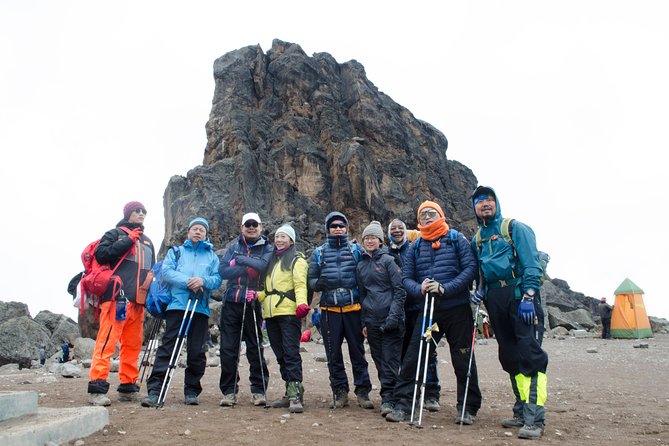
- A demanding summit day: The climb to 5,895-meter Uhuru Peak is followed by a long descent to Mweka Camp.
- Strong safety equipment: Oxygen, a Gamow Bag, pulse oximeter, radios, rescue fees, and a portable toilet are included.
- Private group format: Only your party participates, with the itinerary adjusted to your group’s pace when possible.
- Full mountain support: Guides, porters, meals, tents, sleeping mats, warm washing water, and purified drinking water are provided.
- Useful hotel package: The price includes hotel accommodation before and after the trek, with both standard and comfort options listed.
Why the Lemosho Route earns eight days
Kilimanjaro is not a technical climb in the usual mountaineering sense, but the altitude makes it serious. The summit rises to 5,895 meters, and your body needs time to adjust. That is why I see the eight-day schedule as a sensible choice for anyone comparing shorter routes.
Lemosho gives you a long approach before the trail links with the southern circuit. You do not simply charge toward the summit. Instead, the route climbs through several altitude bands, giving you shorter days early on and a few useful high-altitude nights before the final push.
The route is also one of the more scenic choices. You begin near the western side of the mountain, cross the Shira Plateau, and later pass through the dramatic Barranco and Karanga areas. The scenery changes from forest and open moorland to rock, alpine desert, and finally the cold summit zone.
The private format matters here. Your group is not sharing the experience with strangers, and the pace can be adjusted around your needs. One solo climber previously completed the route in seven days after the team adapted the schedule, but you should treat that as an example of flexibility, not as a target. The full eight days gives you more breathing room.
Other routes up the mountain from Moshi:
- Kilimanjaro climb by Lemosho Route (7-day)
★ 5.0 · 651 reviews - Kilimanjaro climb, Machame Route (7-day)
★ 5.0 · 262 reviews - Kilimanjaro Climbing Lemosho Route 8 Days.
★ 5.0 · 186 reviews
Day 1: Londorossi Gate to Mti Mkubwa Camp
Your first transfer takes you to Londorossi Park Gate at 2,385 meters, or 7,825 feet. After park entry formalities, you hike toward Mti Mkubwa Camp at 2,700 meters.
The walking time is listed as three to four hours over eight kilometers. This is a useful opening day because it gets you moving without putting a huge distance under your boots. The first stretch also introduces the changing vegetation on Kilimanjaro’s lower slopes.
You should arrive with enough energy to check your equipment, drink steadily, and settle into camp. The climb is supported by tents, sleeping mats, dining furniture, lights, and a toilet tent. Warm water for washing is provided each day, a small comfort that becomes much more valuable after several hours outside.
Some wildlife may be seen on the lower part of the route, but this is not a wildlife safari. The mountain, forest, and first camp are the main event.
Day 2: Mti Mkubwa to Shira Camp 1
Day two climbs from Mti Mkubwa to Shira Camp 1 at 3,500 meters. The listed walking time is five to six hours, with a distance of six kilometers.
That combination tells you something about the trail. The distance is not great, but the climb is steady and the altitude begins to affect your pace. Your guides will likely encourage slow walking, regular water breaks, and patience. Listen to that advice. On Kilimanjaro, arriving at camp feeling strong is more useful than arriving early.
Shira Camp 1 marks a clear change in the setting. The forest gives way to more open high-country views, and the route begins to show why Lemosho is chosen for its scenery. Views toward Mount Meru, Longido, and the Great Rift Valley may appear depending on cloud and light.
The food is another practical strength of this package. Breakfast, lunch, and dinner are included, with large portions described as fresh, healthy, and nutritious. You should still tell the company about dietary needs before arrival, since the supplied details do not specify which special diets can be handled.
Day 3: Shira Camp 1 to Shira Camp 2
The third day connects Shira Camp 1 with Shira Camp 2 at 3,840 meters. The hike is listed at three to four hours and eight kilometers.
This is a shorter day by walking time, but it is not an empty day. You are sleeping higher, and your body is still adjusting. The value lies in gaining altitude gradually while keeping the walking load manageable.
The Shira Plateau is one of the route’s defining features. It feels broad and open, with long views rather than the enclosed feel of the lower forest. Clouds can move quickly here, so you may see the mountain appear and disappear during the day.
Use this shorter stage well. Eat even if your appetite is fading, keep your water intake steady, and organize your summit clothing before you need it. The guides have been praised for altitude advice and for matching the pace to the group, so speak up early if you feel unwell.
Same base, a different kind of day out:
- Safari Serengeti And Ngorongoro
★ 5.0 · 288 reviews - Climbing Kilimanjaro – Machame Route
★ 5.0 · 170 reviews - Climbing Kilimanjaro through 7 days Machame Route
★ 5.0 · 151 reviews - Kilimanjaro climb, Lemosho Route (8-day)
★ 5.0 · 148 reviews
Day 4: Shira Camp 2 to Barranco Camp
Day four is a longer six to seven-hour walk to Barranco Camp at 3,950 meters. The distance is eight kilometers, and the route brings you into some of the most memorable mountain scenery on the trip.
Barranco is known here as a major camp on the southern circuit, and its setting below the Barranco Wall gives the day a strong visual finish. You are high enough to feel the mountain’s scale, but you are not yet at the summit zone.
This is also a useful acclimatization stage. The day takes you higher before bringing you to camp at a similar elevation to Shira Camp 2. That pattern helps you spend time at altitude without turning every day into a race for the next camp.
Expect the fourth day to feel more demanding than the numbers suggest. The elevation, uneven ground, and changing weather can slow you down. Your support team carries the group equipment, while a porter is assigned to carry your day pack during the summit attempt. Confirm how your personal bags are handled before departure, since the included details specifically mention day-pack support for the summit rather than every day of the trek.
Day 5: Barranco to Karanga Valley
The hike from Barranco Camp to Karanga Valley Camp covers five kilometers and takes about four to five hours. Karanga sits at 3,995 meters.
This is a shorter stage, but the trail is not simply flat walking. The Barranco section can involve a steep climb, and the route then continues through high, rocky terrain. You need steady feet and a calm pace more than speed.
Karanga gives you another night at nearly 4,000 meters before the final approach to Barafu. This is one reason the eight-day version appeals to me. You are not trying to combine too many high-altitude stages into one exhausting day.
By now, your daily routine should feel simple: walk slowly, eat well, drink often, protect yourself from the sun, and report symptoms quickly. A pulse oximeter is included to help the team monitor oxygen levels, but it is not a substitute for honest communication about headache, nausea, dizziness, or unusual fatigue.
Day 6: Karanga Valley to Barafu Camp
Day six climbs four kilometers from Karanga to Barafu Camp at 4,550 meters. The listed hiking time is four to five hours.
Barafu is the launch point for the summit attempt, so this day has a different mood. You gain a lot of height over a short distance, and the air is thin. Once at camp, you will need to eat, rest, and prepare clothing, water, headlamp, and other summit gear.
The exact summit departure time can depend on the group and conditions. The description says the itinerary is designed for a summit in daylight as well as at sunrise, but you should confirm the intended departure plan before booking. Some summit programs begin overnight to reach the top at sunrise, while others aim for daylight hours. This detail affects sleep, temperature, and the feel of the final climb.
The included safety equipment is valuable at this point. The team carries emergency oxygen, VHF radios, a Gamow Bag, and a pulse oximeter. Rescue fees are included too. None of these items makes altitude harmless, but they show that the operator has planned for common high-mountain risks.
Day 7: Uhuru Peak and the long descent
This is the hardest day by far. The climb to Uhuru Peak is listed at seven to eight hours over five kilometers, followed by a short rest at Barafu and a further four to six hours down to Mweka Camp.
The summit section is slow, cold, and physically demanding. You are climbing to 5,895 meters, and every step may take effort. The reward is the summit of Africa’s highest mountain, with sunrise or daylight views depending on the departure schedule and weather.
Do not judge your performance by speed. A slow, controlled pace is exactly what you need. Guides including Abel, Eli, Justin, Richard, Abdul, and Priscus have been praised for calm support and altitude management, but your own preparation still matters. The company requires a moderate fitness level, and you should take that requirement seriously.
After the summit, the descent is not an easy victory lap. Going down to Barafu and then continuing to Mweka Camp creates a very long day. Your knees and feet may feel the strain, and the changing altitude can leave you tired or light-headed. Keep drinking, use trekking poles if you have them, and do not rush the descent.
Mweka Camp at 3,060 meters provides a much lower sleeping altitude than Barafu. Reaching it is a major relief, but expect to be tired enough that dinner and sleep become your main priorities.
Day 8: Mweka Gate and the certificate ceremony
The final day descends to Mweka Gate, with three to four hours of walking listed. The supplied itinerary gives a distance of four kilometers and an elevation of 4,600 meters for Mweka Gate. Those figures should be confirmed with the operator before departure, as the listed gate elevation does not fit the camp and descent sequence provided.
After the gate, you transfer to Park View Inn for certificates and a summit party ceremony. This gives the trip a proper finish rather than ending abruptly at the trailhead.
Transport is included for arrival, departure, and destination transfers. That is useful after the summit, when arranging local transport yourself would be an unnecessary chore. Two nights of standard hotel accommodation and two nights of comfort hotel accommodation are listed, with bed and breakfast provided. Confirm exactly how those nights are allocated around your trek, since the package wording gives both categories but does not spell out the schedule in detail.
What the $2,833.34 price covers
At $2,833.34 per person, this is not a bare-bones mountain package. The price includes park entrance fees, government taxes, rescue fees, guides, porters, meals, tents, sleeping mats, dining furniture, toilet facilities, water, transfers, and hotel accommodation.
The safety items alone make the package easier to assess. Emergency oxygen, a Gamow Bag, radios, and a pulse oximeter are supplied. You also receive warm washing water, solar LED lighting, purified drinking water, and a portable personal toilet.
The food and camp setup add real value. You are not expected to carry all your own meals or sleep without support. Aluminum dining tables and chairs with backs and armrests may sound like a minor detail, but comfort matters after a long day at altitude.
Tips are not included, nor are visa costs, laundry, telephone use, drinks, personal expenses, or optional tours such as a safari. Set aside money for tipping the mountain crew, and ask for the recommended tipping structure before you arrive. The company describes fair and ethical treatment of porters, which is an important point to verify in a direct pre-trip conversation.
Who should book this climb
I would choose this route if you want the best chance to adjust gradually and you care about scenery as much as reaching the top. The eight-day plan suits people with a moderate fitness base who can handle repeated walking days and one exceptionally long summit day.
It is also a good match for a private group that wants personal attention. The local company structure and named guides give the trip a more personal feel than a large commercial operation, while the included equipment reduces the amount of planning you must do yourself.
I would hesitate if you dislike camping, struggle with long descents, or want a relaxed walking holiday. Kilimanjaro can be beautiful and well organized, but it remains a serious altitude trek. The summit day is especially demanding, and good weather cannot be guaranteed.
Free cancellation is available up to 24 hours before the start time. Changes made inside that window are not accepted, and poor weather may lead to a new date or a full refund.
Should you book the Kilimanjaro Lemosho Route?
I would book this climb if your priority is a scenic, gradual route with strong camp support and a locally run team. The combination of the Shira Plateau, Barranco, Karanga, and Uhuru Peak gives you a varied mountain experience, while the eight-day schedule leaves more room for altitude adjustment than a rushed itinerary.
Before paying, confirm the summit departure time, hotel-night allocation, exact Mweka Gate details, dietary arrangements, and the tipping system. If those points are clear, the package offers a solid balance of scenery, safety equipment, transport, food, and human support for the price.
FAQ
How long is the Kilimanjaro Lemosho Route experience?
The experience lasts approximately eight days, including the climb from Londorossi Park Gate to Uhuru Peak, the descent to Mweka Gate, and the transfer to Park View Inn for the certificate ceremony.
What is the highest point reached?
The summit is Uhuru Peak at 5,895 meters, or 19,341 feet.
Is this a private tour?
Yes. Only your group participates in the private tour or activity.
What level of fitness do I need?
A moderate level of physical fitness is required. The summit day includes seven to eight hours of climbing, followed by another four to six hours of descent to Mweka Camp.
Are meals included?
Yes. Breakfast, lunch, and dinner are included during the mountain experience. The package lists eight breakfasts, eight lunches, and eight dinners.
Is drinking water provided?
Yes. Clean, purified drinking water is included.
What safety equipment is carried?
The package includes emergency oxygen tanks, VHF handheld radios, a Gamow Bag, a pulse oximeter, and mountain rescue fees. A portable personal flash toilet is also included.
Are airport or local transfers included?
Arrival and departure transfers are included, along with transportation in the destination location.
What is not included in the price?
Tips, a Tanzania visa on arrival, personal expenses such as laundry, telephone use and beverages, and optional tours such as a safari are not included.
Just added in Moshi
- Wildlife Extravaganza: Manyara, Tarangire & Ngorongoro in 3 Days★ 5.0 · 3 reviews
- West Kilimanjaro cycling Adventures★ 4.5 · 8 reviews
- machame route★ 5.0 · 16 reviews
- Kilimanjaro Climb • Machame Route ~ 10 Day★ 5.0 · 6 reviews
- Kilimanjaro Climbing Umbwe Route★ 5.0 · 3 reviews
- Mt Kilimanjaro 6 days Marangu route hike★ 5.0 · 3 reviews
- 3 Days Private E-Bike Tour in West Kilimanjaro★ 5.0 · 3 reviews
- Private Cycle to Kilimanjaro Bike Park Safari★ 5.0 · 6 reviews
Kilimanjaro Treks, compared.



8-Day Small-group Lemosho Kilimanjaro Summit Trekking
Read our review →

5 Days Best of Tanzania Luxury Safari Northern Circuit
Read our review →

Climbing Kilimanjaro through 7 days Machame Route
Read our review →
7-Day Machame Kilimanjaro Summit Tour from Arusha
Read our review →Browse the lists this tour appears in