
Reviewed · KILIMANJARO TREKS
Kilimanjaro Summit Challenge: 6 Days via Marangu Route
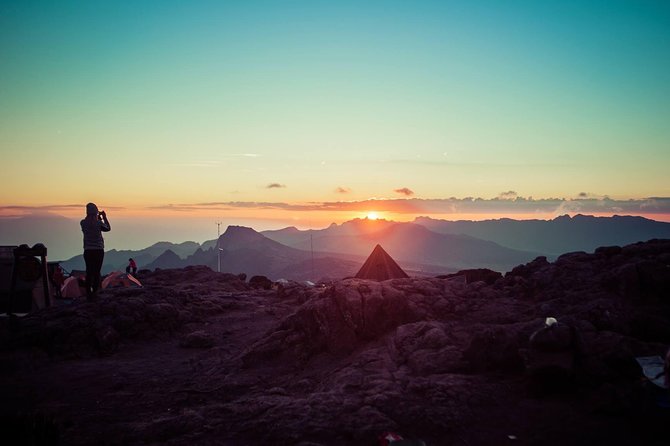
The Marangu Route gives you Kilimanjaro in a fairly direct six-day package, with sleeping huts instead of tents and a clear rhythm from rainforest to volcanic summit. The big moment comes on Day 5, when you leave Kibo Hut around midnight for Uhuru Peak and, if conditions and your health allow, watch sunrise from the Roof of Africa.
I like the extra acclimatization day at Horombo, especially the hike toward Mawenzi Ridge. I also like that the price includes guides, porters, a cook, meals, airport transfers, emergency oxygen, and hot water for washing. Those details matter on a mountain where small comforts become useful fast.
The main drawback is the schedule. Six days is a serious high-altitude climb, and the summit day can last 10 to 14 hours. Marangu is often called the easier Kilimanjaro route because of its huts and steady trail, but the altitude is still the boss here.
Key details before you choose this climb
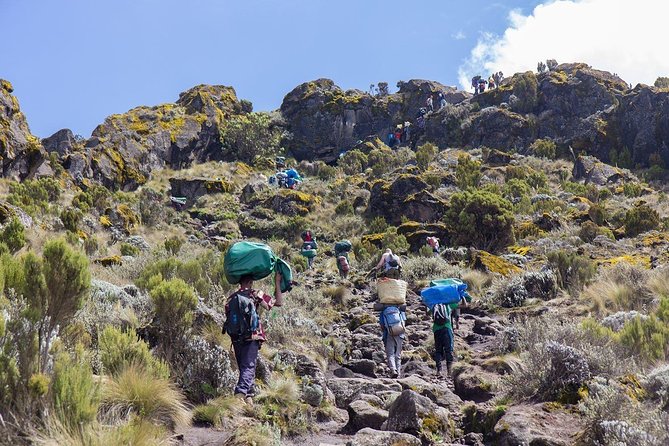
- Mawenzi Ridge acclimatization: You spend a full day at Horombo and hike as high as 4,600 meters before returning to sleep lower.
- Hut accommodation: Mandara, Horombo, and Kibo Huts replace camping, though you should not expect hotel comfort.
- Midnight summit attempt: Day 5 covers Uhuru Peak at 5,895 meters, then descends to Horombo the same day.
- Full mountain support: A qualified guide, assistant guides, porters, and cook are included, along with their wages.
- Private departure: Only your own group participates, and pickup is offered from Moshi.
- Strong service focus: The team has been praised for gear help, twice-daily health checks, food, and hands-on support. Guides named in the company’s wider Kilimanjaro work include Sele and Abdul, though your assigned guide should be confirmed before departure.
Why the Marangu Route works for a six-day climb
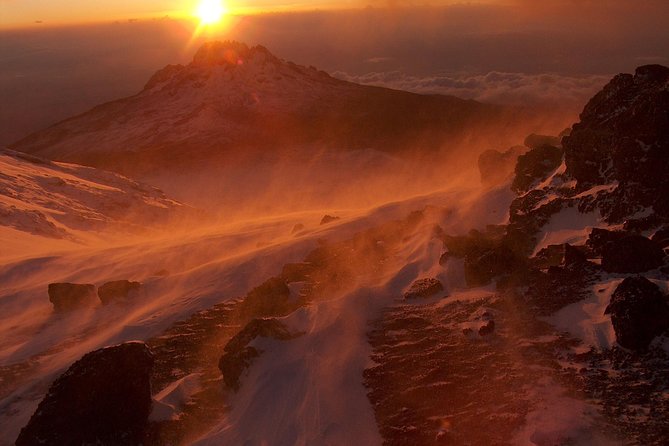
Marangu is Kilimanjaro’s best-known route and is often nicknamed the Coca-Cola Route. The name reflects its popularity and established facilities, not a soft walk. You still gain nearly 4,000 meters from the gate to Uhuru Peak, and the final ascent takes place in darkness, cold, and thin air.
The route’s practical advantage is the huts. You do not need to carry camping equipment or sleep in a tent, which can make the climb feel more manageable. The tradeoff is that hut stays are basic, and the route can feel less secluded than paths with tented camps.
At $2,213 per person, the package is not simply paying for a trail permit. It covers park and related fees, airport transfers, a support crew, food, water, hot washing water, and accommodation on the mountain. Porters carry much of the shared load, while the cook prepares meals. That makes the price reasonable for a supported Kilimanjaro climb, but you still need to budget for flights, visas, insurance, gear, snacks, drinks not listed, and personal medical supplies.
The private format is useful if you want your own pace and group dynamic. It does not mean the route is private in the wilderness. Marangu is popular, and the huts are shared mountain facilities, but only your booked group takes part in this activity.
Other routes up the mountain from Moshi:
- Kilimanjaro climb by Lemosho Route (7-day)
★ 5.0 · 651 reviews - Kilimanjaro climb, Machame Route (7-day)
★ 5.0 · 262 reviews - Kilimanjaro Climbing Lemosho Route 8 Days.
★ 5.0 · 186 reviews
Day 1: Marangu Gate to Mandara Huts
Your climb starts with a drive from Moshi to Marangu Gate, where registration takes place. Then you enter thick rainforest and walk about 8 kilometers to Mandara Huts, gaining from 1,870 meters to 2,720 meters.
The walking time is listed at three to four hours, though the full stop is described as about five hours. That difference is a useful reminder to keep the first day relaxed. You are not racing. The point is to begin adjusting to the mountain while saving strength for the days ahead.
The rainforest is one of Marangu’s most appealing sections. You might spot colobus monkeys, and the dense vegetation gives the opening day a cool, shaded feel. Compared with the bare upper slopes, this part feels full of life.
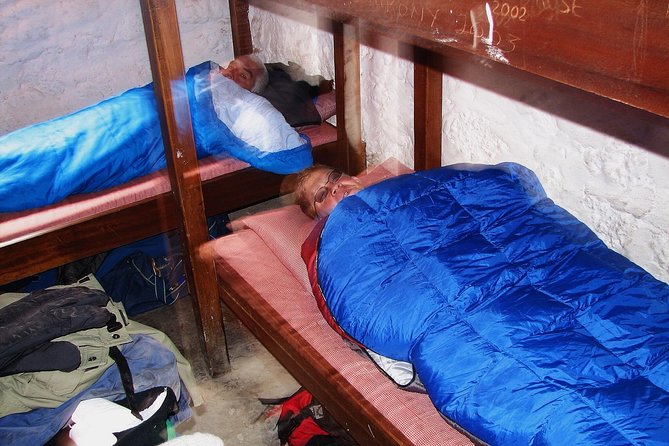
Mandara Huts are your first overnight stop. The huts offer a bed rather than a tent, but carry a sleeping bag and personal layers because mountain nights can still be cold. Fresh drinking water and hot water for washing are included, a small but welcome service after the first climb.
Day 2: Moorland views on the way to Horombo
Day 2 covers about 12 kilometers and takes six to seven hours. You leave the last part of the rainforest behind and enter rolling moorland, where the trail opens to views toward Kibo and Mawenzi.
Horombo Huts sit at 3,720 meters, so this is a meaningful gain from Mandara. You may feel fine at first and notice the altitude later. Walk slowly, drink the provided water, and tell the guide promptly if you feel unwell. The team’s practice of checking health twice a day is especially useful here, since high-altitude symptoms can change quickly.
Horombo is more than a bed for the night. It is the base for the route’s key acclimatization day. You get views of Kilimanjaro’s two major peaks, Kibo and Mawenzi, and a chance to settle into the daily pattern of breakfast, walking, meals, and rest.
Day 3: Mawenzi Ridge gives the schedule real value
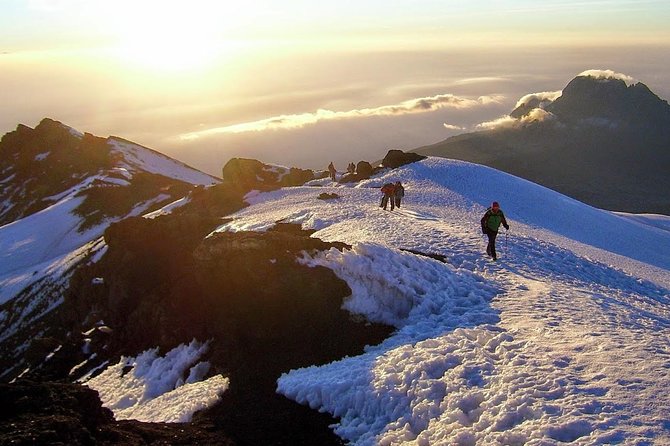
After breakfast, you hike toward Mawenzi Ridge, reaching about 4,600 meters before descending to Horombo for dinner and another night. The walk takes about four hours, with lunch at the ridge.
This is the day that makes the six-day plan stronger than a rushed ascent. You climb higher during the day, then sleep lower at Horombo. That extra exposure gives your body more time to adjust before Kibo and summit night.
Mawenzi is a striking volcanic peak, and the ridge walk adds more than a rest day would. You get high mountain views without the pressure of a summit attempt. Still, do not treat this as an easy sightseeing walk. At 4,600 meters, even a short climb can feel demanding.
The itinerary uses both Mawenzi and Mawezi in its wording. Before setting out, confirm the exact ridge destination and route with your guide. The important point is the elevation gain and return to Horombo, not a technical climb of Mawenzi Peak itself.
Same base, a different kind of day out:
- Safari Serengeti And Ngorongoro
★ 5.0 · 288 reviews - Climbing Kilimanjaro – Machame Route
★ 5.0 · 170 reviews - Climbing Kilimanjaro through 7 days Machame Route
★ 5.0 · 151 reviews - Kilimanjaro climb, Lemosho Route (8-day)
★ 5.0 · 148 reviews
Day 4: Across the alpine desert to Kibo Hut
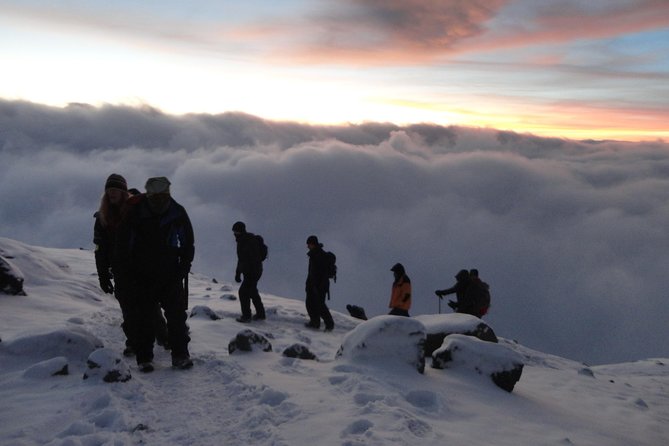
From Horombo, you walk 10 kilometers to Kibo Hut, gaining nearly 1,000 meters to 4,703 meters. The route crosses alpine desert, with less vegetation and a rougher, more exposed feel.
This is a quiet preparation day. You are moving toward the summit base, but the real challenge comes after midnight. Conserve energy, eat what you can, organize your layers, and follow the guide’s advice about rest.
Kibo Hut is your final stop before Uhuru Peak. The altitude may affect sleep, and you should not expect a normal night. The goal is to rest as much as possible before beginning the summit push around midnight.
The included cook and meal plan are important here. You receive breakfast, lunch, and dinner during the climb, but the food and drinks included are limited to the stated meals. Bring extra snacks that you know you can eat at altitude, since personal snacks are not included.
Day 5: Uhuru Peak and the long return to Horombo
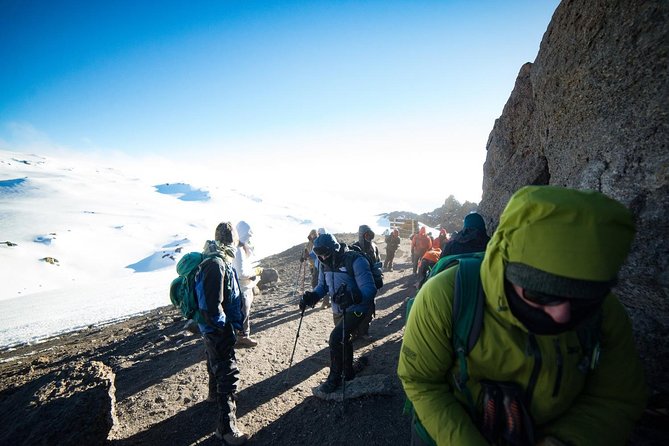
Summit day is the test. You start around midnight and climb over scree and volcanic rock toward Gilman’s Point at 5,685 meters. From there, you continue along the crater rim to Uhuru Peak, at 5,895 meters.
The listed distance is 16 kilometers, and the total walking time is 10 to 14 hours. That includes the summit ascent, descent to Kibo Hut for a short rest, and the onward descent to Horombo. You should think of this as one very long mountain day, not simply a two-hour push to the top.
The final slope is steep and slow. Your guide will set the pace, and your job is to keep moving steadily, protect your energy, and report symptoms honestly. Emergency oxygen is included for emergencies only. It is not a shortcut or summit aid, and it does not remove the need for proper medical judgment.
At Uhuru Peak, the reward is the high point of Africa and sunrise over the summit region. The moment can be extraordinary, but do not stay longer than your guide recommends. Cold, wind, altitude, and fatigue all matter.
The descent can surprise you. After the excitement of the summit, you still need to return to Kibo Hut, rest briefly, then continue to Horombo. This is where porters, assistant guides, food, and close health checks earn their keep. The team has been praised for helping with gear and bags when the climb became difficult, which is exactly the kind of practical support you may value on this day.
Day 6: Back through the forest to Moshi
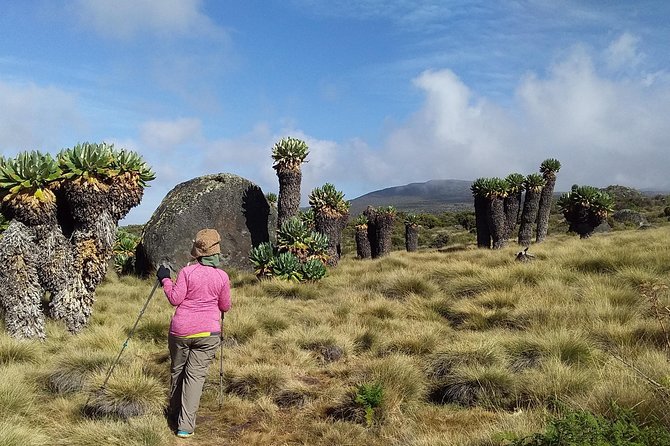
The final day drops from Horombo at 3,720 meters through moorland and rainforest, passing Mandara Huts before reaching Marangu Gate. The distance is about 20 kilometers, with six to seven hours of walking.
It is a long descent, especially after summit day, but the lower altitude usually makes breathing easier. Your knees and feet may be more of a concern than your lungs. Trekking poles, sturdy boots, and careful footing are helpful personal equipment choices.
At the gate, you receive summit certificates before returning to Moshi. Airport transfers are included both from Kilimanjaro Airport to Moshi and from Moshi back to the airport, so the package can fit neatly around an arrival and departure plan.
The schedule says the activity ends back at the Moshi meeting point. Confirm the timing of your onward flight before booking, since the final descent and transfer take most of the day.
What the support team adds
A Kilimanjaro climb is a team effort. The package includes a qualified mountain guide, assistant guides, porters, and a cook, with their wages covered. That removes a major uncertainty from the planning stage, though you should still ask how tipping is handled and what is expected locally.
The service details are practical rather than flashy. You receive fresh drinking water and hot water for a daily wash. A basic first aid kit is included, as is emergency oxygen. The team has also been noted for checking health twice daily and helping with gear and bags when needed.
Sele and Abdul are names connected with the provider’s Kilimanjaro guiding work. You cannot assume they will lead every departure, so ask for the assigned guide’s name before you travel if that matters to you.
A portable toilet is optional but highly recommended. It costs extra, as do personal medicines and water-purifying tablets. The mountain huts have basic facilities, and a private portable toilet may be worth considering if comfort and privacy are high priorities.
Gear, insurance, and health planning
You must supply or rent your personal hiking and trekking gear. Some equipment can be rented from trekking equipment stores in Tanzania, but do not leave every important item until the last minute. Your essentials include suitable hiking clothing, warm summit layers, reliable footwear, a sleeping bag, and protection from sun and cold.
The information provided does not specify a full gear list, so ask the operator for its current packing requirements. Also ask what luggage the porters carry and what you should keep in your daypack.
Health and travel insurance are not included. You need to arrange both yourself, and the policy should suit a high-altitude mountain activity. Yellow fever vaccination is listed as compulsory, so check the current entry and health requirements before traveling.
The tour is described as suitable for most participants, but that should not be read as a guarantee of easy access to the summit. High altitude affects people differently. Your guide makes safety decisions on the mountain, and you should follow those decisions even if reaching the top becomes impossible.
Who should book this six-day Marangu climb?
I would choose this trip if you want the classic Kilimanjaro route, prefer huts to tents, and value a full support crew. The Mawenzi acclimatization day is a real advantage, and the private setup suits families, friends, or a small group that wants to travel together.
It is less suitable if you want a quiet route with minimal hut traffic, a relaxed summit schedule, or a trek with no very long day. The six-day format gives you a useful acclimatization stop, but the summit day and final descent remain demanding.
The price offers solid value when you count the included transfers, meals, park costs, porters, guide services, cook, water, hot washing water, and emergency equipment. Just calculate the extras before booking, especially flights, visa, insurance, gear, snacks, drinks, and optional toilet hire.
Cancellation is flexible only up to three full days before the local start time. Cancel later, or request changes inside that window, and the payment is not refunded.
Should you book it?
Book this Marangu Route climb if you want a direct Kilimanjaro experience with hut accommodation and strong logistical support. The best feature is the balance between a classic route and a proper acclimatization day at Mawenzi Ridge.
Before paying, confirm the assigned guide, hut arrangements, gear rental options, tipping expectations, airport transfer timing, and the exact meal plan. If you accept the long summit day and prepare seriously for altitude, this six-day climb gives you a practical, well-supported shot at Uhuru Peak without camping.
FAQ
Where does the Kilimanjaro climb start and finish?
The activity starts in Moshi Urban, Tanzania, and ends back at the Moshi meeting point.
How long is the experience?
The climb lasts approximately six days.
How much does the tour cost?
The listed price is $2,213 per person.
Is pickup available?
Yes. Return transfers between Kilimanjaro Airport and Moshi are included.
Is this a private tour?
Yes. Only your own group participates in the activity.
Where do you sleep on the Marangu Route?
You stay at Mandara Huts, Horombo Huts, and Kibo Hut during the climb.
Is there an acclimatization day?
Yes. Day 3 includes a hike toward Mawenzi Ridge, reaching about 4,600 meters before returning to Horombo Huts.
What is the highest point reached?
Uhuru Peak is the highest point, at 5,895 meters.
Are meals included?
Lunch, dinner, and breakfast are included as specified in the package. Snacks and meals or drinks not listed are not included.
Is travel insurance included?
No. Health and travel insurance, visas, flights, personal gear, medicine, water-purifying tablets, and optional portable toilet hire are not included.
Just added in Moshi
- Wildlife Extravaganza: Manyara, Tarangire & Ngorongoro in 3 Days★ 5.0 · 3 reviews
- West Kilimanjaro cycling Adventures★ 4.5 · 8 reviews
- machame route★ 5.0 · 16 reviews
- Mt Kilimanjaro 6 days Marangu route hike★ 5.0 · 3 reviews
- Kilimanjaro Climb • Machame Route ~ 10 Day★ 5.0 · 6 reviews
- Kilimanjaro Climbing Umbwe Route★ 5.0 · 3 reviews
- 3 Days Private E-Bike Tour in West Kilimanjaro★ 5.0 · 3 reviews
- Private Cycle to Kilimanjaro Bike Park Safari★ 5.0 · 6 reviews
Kilimanjaro Treks, compared.



8-Day Small-group Lemosho Kilimanjaro Summit Trekking
Read our review →

5 Days Best of Tanzania Luxury Safari Northern Circuit
Read our review →

Climbing Kilimanjaro through 7 days Machame Route
Read our review →
7-Day Machame Kilimanjaro Summit Tour from Arusha
Read our review →Browse the lists this tour appears in