
Reviewed · KILIMANJARO TREKS
Lemosho Route 8 Days 7 Nights/Kilimanjaro Climb
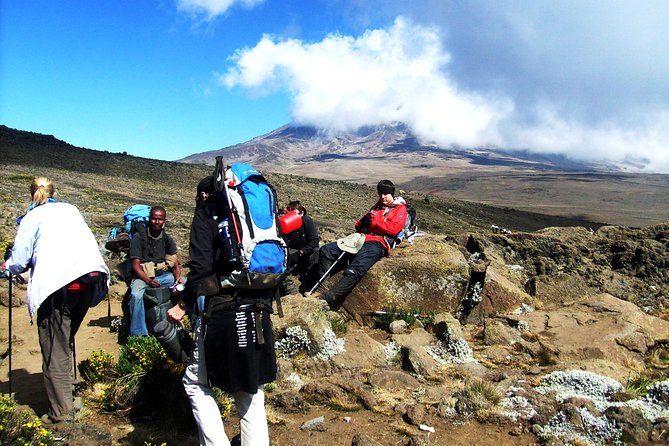
Kilimanjaro’s 8-day Lemosho Route gives you something many mountain itineraries lack: time. The route crosses rainforest, high moorland, Shira Plateau, Lava Tower, Barranco Wall, and Barafu before the final push to Uhuru Peak. Splitting the climb from Barranco to Barafu across two days also leaves you with a shorter pre-summit day, a small but valuable gift before a midnight start.
I like the slow acclimatization plan and the small maximum group size of two people. I also like the practical package: park and rescue fees, camping equipment, meals, water, porters, guides, airport transfers, and the return ride to Moshi are included. Guides such as Epa, Eric, Nicholas, and Zachariah have led successful climbs with this company.
The main consideration is the price, $2,600 per person, plus tips, visa, insurance, flights, and personal equipment. This is a serious physical undertaking, not a sightseeing walk, and the summit day can last about 13 hours.
Key points to know before booking
- Eight days help your body adjust: The route gains height gradually, with a high walk to Lava Tower followed by a lower night at Barranco.
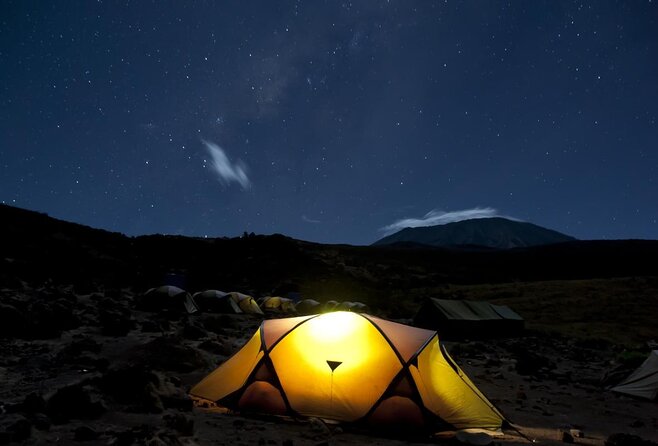
- The summit attempt starts around midnight: Expect a long, cold night on scree before sunrise near Stella Point.
- You cross several distinct mountain zones: Rainforest, moorland, Shira Plateau, alpine desert, and the summit all appear on one route.
- Barranco Wall is the route’s hands-on section: The climb is steep and adventurous, though the crew handles it with practiced ease.
- The package covers major operating costs: Park permits, rescue fees, crew wages, meals, water, equipment, certificates, and transfers are included.
- Small groups are a real advantage: The listed maximum is two people, allowing the guide to watch your pace and condition closely.
Why the 8-day Lemosho schedule makes sense
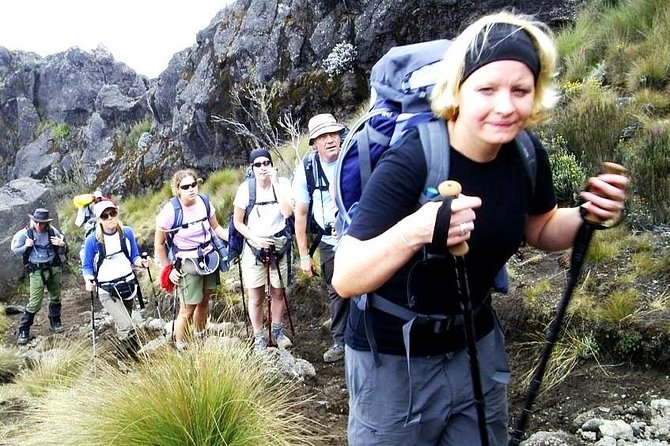
Lemosho is often chosen for its scenery and gradual approach to Kilimanjaro’s upper slopes. Here, the extra day is not filler. It gives you time to move from the western side of the mountain toward the southern circuit, with several chances to walk high and sleep lower.
The clever part comes before summit night. Instead of forcing the Barranco to Barafu section into one long day, this schedule uses Karanga Camp as a separate stop. You reach Barafu on Day 6, eat early, and rest before leaving around midnight. That short day before the summit attempt matters because summit night begins while most people would normally be asleep.
The route still asks a lot of you. You need moderate physical fitness, comfort with long uphill walks, and patience when progress feels slow. The guide sets the pace, but you still need to manage your breathing, clothing, water, and energy.
Other routes up the mountain from Moshi:
- Kilimanjaro climb by Lemosho Route (7-day)
★ 5.0 · 651 reviews - Kilimanjaro climb, Machame Route (7-day)
★ 5.0 · 262 reviews - Kilimanjaro Climbing Lemosho Route 8 Days.
★ 5.0 · 186 reviews
From Moshi to the rainforest on Day 1
The climb begins with pickup in Moshi and a roughly 45-minute drive to Kilimanjaro National Park. The route passes through mountainside villages before reaching the park gate, where permits are arranged and climbing crews prepare their loads.
That gate can feel busy and practical rather than scenic. It is where paperwork, equipment, and logistics come together. Once you start walking, the mood changes quickly. The trail enters rainforest, with greenery, damp ground, and winding paths.
The first day reaches roughly 9,500 feet from the park entrance. The walk lasts about four hours, so it is a gentle introduction by Kilimanjaro standards. The real nuisance is the footing. Mud and slippery sections are expected, making gaiters and trekking poles useful from the start.
Your guide also introduces the local plants, wildlife, and forest surroundings. Do not expect a long naturalist lecture, but this is a pleasant way to begin before the vegetation thins and the temperatures drop.
Day 2 reaches the edge of Shira Plateau
After breakfast, the trail continues upward for about six hours. You leave the rainforest behind and climb toward the rim of Shira Plateau, reaching approximately 11,500 feet.
This is the first day when the mountain begins to feel properly high. The forest gives way to open moorland and wider views. The air cools, and the steady climb becomes more important than the distance itself.
I like this part of the schedule because it does not rush you straight toward the summit. Your body gets another full day to adjust. You should still move slowly, drink regularly, and keep a warm layer handy. Temperatures can change quickly once you leave the forest.
Shira Plateau gives you an acclimatization day
Day 3 is a full day on the Shira Plateau, with about seven hours of walking. The route heads east across high moorland toward Kibo, Kilimanjaro’s main summit cone, then continues toward Shira 2 Camp and Moir Hut near Lent Hills.
At around 13,800 feet, this is a high day even though the walking is described as gentle. The plateau is one of the highest of its kind in the world, and that open setting gives you a strong sense of the mountain’s scale.
The Lent Hills area also provides options for additional walking, making this a useful acclimatization day. The benefit is not just the scenery. You spend time high, moving at a controlled pace, before the route rises farther.
The drawback is simple: altitude can affect you even on a relatively easy trail. A good mood and strong legs do not guarantee a comfortable night. Follow the guide’s pace and pay attention to how you feel.
Same base, a different kind of day out:
- Safari Serengeti And Ngorongoro
★ 5.0 · 288 reviews - Climbing Kilimanjaro – Machame Route
★ 5.0 · 170 reviews - Climbing Kilimanjaro through 7 days Machame Route
★ 5.0 · 151 reviews - Kilimanjaro climb, Lemosho Route (8-day)
★ 5.0 · 148 reviews
Lava Tower and Barranco Camp on Day 4
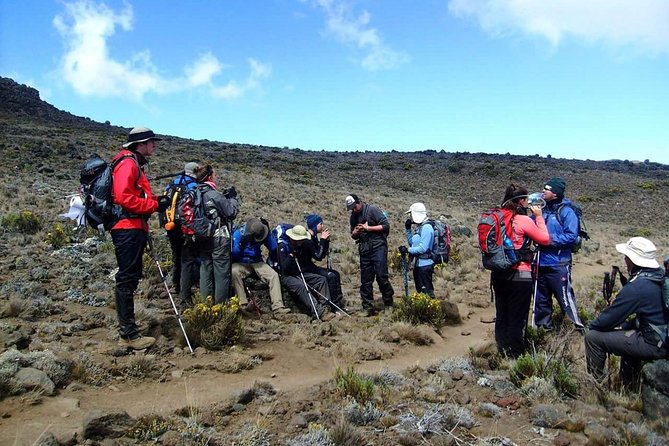
Day 4 is one of the most important days in the plan. You climb from Shira Plateau toward Lava Tower, also called Shark’s Tooth, at roughly 15,250 feet. The day’s highest point reaches about 15,350 feet before you descend to Barranco Camp at around 13,000 feet.
This high-climb, lower-sleep pattern is a classic reason the itinerary works well. You expose yourself to greater altitude during the day, then rest at a lower elevation. It can feel strange to climb so high and then give back some of that height, but the effort serves a purpose.
The route passes junctions toward Kibo and Arrow Glacier before descending toward Barranco. The walking time is listed at about five hours. You may find the high section demanding, especially if the air feels thin, but the descent gives your body a better chance to recover before the next stage.
Barranco is also one of the more scenic camps, with steep mountain walls and an impressive view toward the route ahead. Keep your warm clothing close. Nights are much colder now than they were in the forest.
Barranco Wall and Karanga Camp on Day 5
After breakfast, you tackle the Barranco Wall and continue toward Karanga Valley. The route reaches about 13,250 feet at Karanga Camp and is listed as a short day.
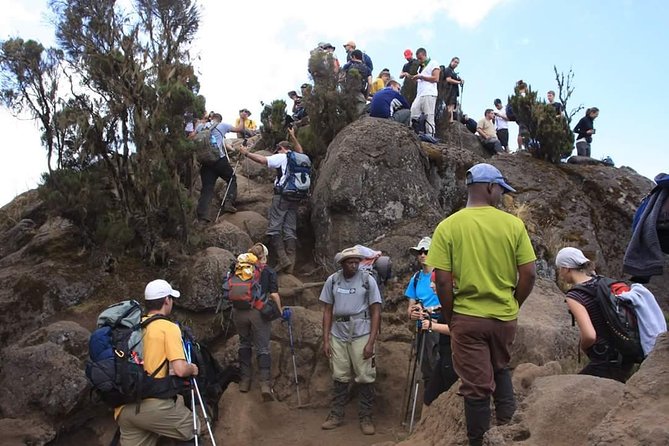
The Barranco Wall looks more dramatic than it is technical. You use your hands in places, pick your way across uneven rock, and follow the guide’s instructions. It is not a casual stroll, but it is also not described as a technical climbing route requiring ropes.
This is where the porters’ skill becomes especially visible. The crew carries loads over ground that demands balance and agility. You should still move carefully and avoid rushing simply because the guide or porter appears to handle the wall easily.
One itinerary detail deserves clarification: Day 5 is shown as four minutes, which is plainly inconsistent with the walking route and the stated purpose of reaching Karanga Camp. Treat this as a short trekking day rather than a four-minute activity. Confirm the daily walking times with Migration Venture Africa before departure.
Barafu Camp sets up the summit attempt
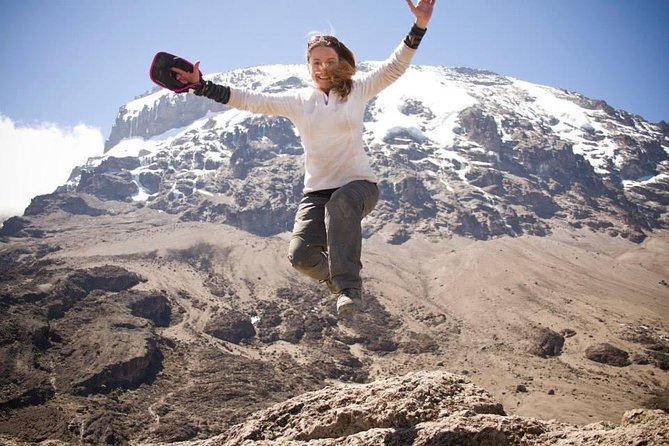
Day 6 continues uphill to Barafu Camp at roughly 15,350 feet. The walk takes about five hours. Reaching Barafu means you have completed the southern circuit and seen Kibo from several angles.
Barafu is the launch point for summit night. The plan calls for an early dinner and rest, and that is exactly how you should treat the afternoon. Do not spend your remaining energy repacking, wandering around camp, or trying to squeeze in extra activity.
At this point, your equipment needs to be organized for a midnight departure. Put warm layers, gloves, headlamp supplies if you bring them, water, and snacks where you can reach them easily. The provided information confirms water, meals, camping equipment, and crew support, but it does not specify every personal item supplied, so check the equipment list in advance.
Summit night begins between midnight and 2 a.m.
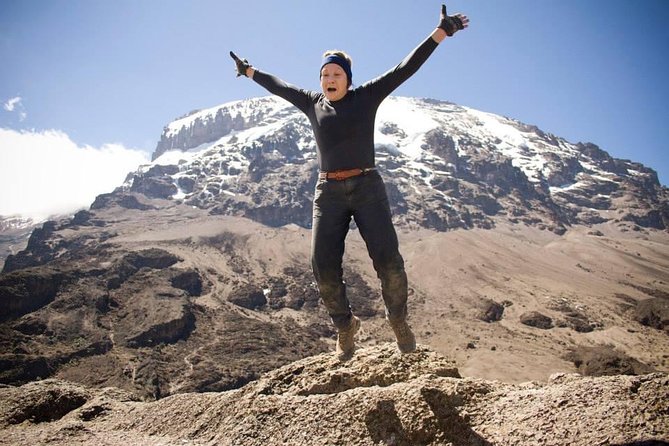
Day 7 is the hardest section of the climb. The start comes between midnight and 2 a.m., and the full day is listed at about 13 hours. You climb through scree between the Rebmann and Ratzel glaciers, using switchbacks toward Stella Point on the crater rim.
This is where patience matters most. The ground is loose, the air is cold, and every step can feel small. The guide’s pace and encouragement become important, especially when sleep deprivation catches up with you.
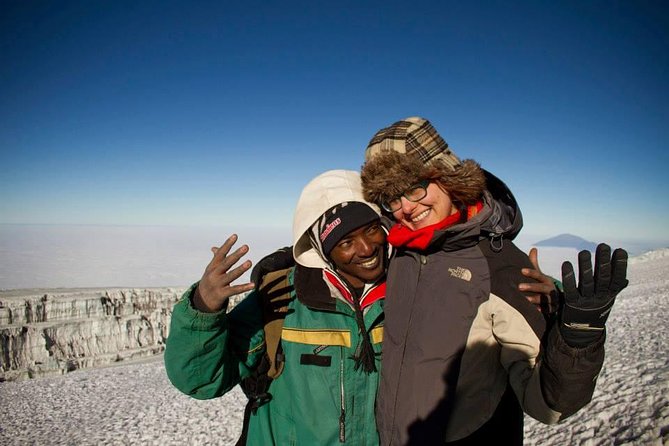
Stella Point is around 18,885 feet, while Uhuru Peak reaches 19,340 feet. At Stella Point, you can pause for the sunrise, although stronger or faster climbers may see it higher on the route. The final summit section follows the crater rim toward the highest point.
After the summit, you descend to Barafu and continue down toward Mweka Camp, listed at about 10,150 feet. The descent is not an easy afterthought. Your legs are tired, the scree can be awkward, and the total day is long. Save energy for going down, not just for reaching the top.
The description provided for this day is cut off near the end, so confirm the exact overnight arrangement and descent sequence with the operator. The overall plan clearly includes the summit, a major descent, and the next day’s route to Mweka Gate.
Mweka Gate brings warmer weather and a proper finish
Day 8 descends from about 10,150 feet to 5,500 feet, with roughly four hours of walking. The trail becomes warmer, wetter, muddier, and steeper as you return to the forest zone.
Gaiters and trekking poles are useful again. After the cold upper mountain, the warmer air may feel pleasant, but wet ground can make the final section slippery. This is not the time to relax your footing completely.
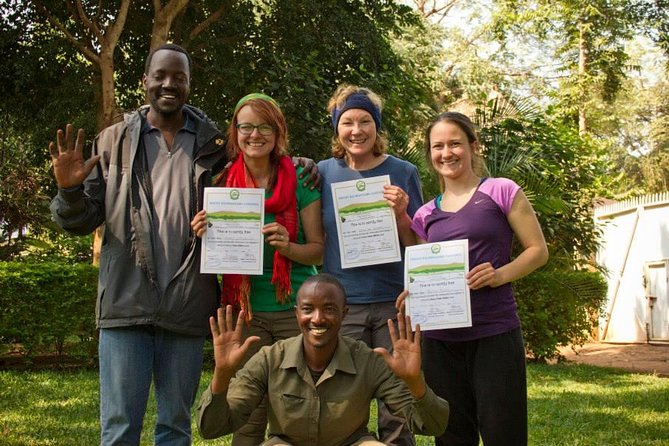
At the end of the trail, you receive summit certificates at Mweka Park Gate. A vehicle then meets you at Mweka village for the roughly 30-minute drive back to your Moshi hotel.
The plan also includes a ceremony of appreciation and team bonding before you say goodbye to the crew. That small ritual matters. A Kilimanjaro climb is a group effort, and the guide, cook, and porters carry much of the practical burden.
What the $2,600 price includes
At $2,600 per person, this is not a budget walk, but the package covers many costs that can add up quickly. Included are:
- Kilimanjaro park fees
- Camping equipment
- Rescue fees
- Water
- Guide, cook, and porter salaries
- Transport to and from the mountain for you and the crew
- Crew park fees
- Summit certificates
- Two-way airport transfer
- Eight lunches
- Seven breakfasts
- Eight dinners
The food arrangement covers the full eight-day program, although the number of breakfasts is seven. That fits a schedule beginning after the initial arrival period, but it is worth checking how meals line up with your hotel night and airport arrival.
You still pay for international flights, visas, travel insurance, and extra personal equipment. Tips are also expected. The suggested daily amounts are $15 to $20 per guide, $10 to $15 for the cook, and $8 to $10 per porter, with tips shared among the group.
The included rescue fees and crew transport add real value. So do the transfers, which spare you from arranging transport between the airport, Moshi, and the mountain. Ask for a clear breakdown of the crew size and tipping method before you go, since the final tip total depends on how many porters and guides support your climb.
The crew and the small-group setup
The maximum group size is two people. That is unusually personal for a mountain trip and can make a difference when you need to adjust pace, discuss how you feel, or manage a difficult section.
The company has used guides including Zachariah, Epa, Eric, and Nicholas on previous Lemosho climbs. Direct accounts also describe Amos as the point of contact who arranged the trips. Several climbing accounts specifically praise the patience, encouragement, planning, and care provided by the guides and support crew.
That praise is most useful when translated into practical expectations. You are not simply buying a route map and a tent. You are buying a guided system that handles permits, meals, camp equipment, porter logistics, and mountain transport.
Still, ask questions before payment. Confirm who your lead guide will be, how many crew members will accompany your group, what personal equipment is available, and how meals are handled on summit day.
Who should book this climb
This trip suits you if you want Kilimanjaro’s scenic western approach and prefer a longer schedule that gives acclimatization a fair chance. It is especially suitable for a fit first-time high-altitude climber who wants close guide attention and a full support crew.
It may also suit a solo climber who is comfortable joining a small arrangement. One account describes a solo climber joining a group of three other climbers, so the exact group format can vary despite the stated maximum of two. Get that point confirmed for your dates.
You should think twice if you dislike cold nights, muddy trails, long descents, or very early starts. The summit attempt is physically and mentally demanding, and the 13-hour summit day can follow several days of effort.
Booking is sensible if you value the slower pace, the split Barranco to Barafu section, and the broad list of included costs. Before committing, clarify the Day 5 timing error, the exact summit-day descent plan, crew size, personal gear, and tip expectations. If those answers are clear, this is a well-structured route for giving yourself a solid chance at Uhuru Peak.
FAQ
Where does the Kilimanjaro climb begin?
The experience begins with pickup in Moshi, Tanzania. The drive to Kilimanjaro National Park Gate takes about 45 minutes.
How long is the Lemosho climb?
The scheduled duration is eight days and seven nights.
What time does the activity start?
The listed start time is 9:00 a.m. The summit attempt itself begins much earlier, between midnight and 2 a.m. on Day 7.
How high is Uhuru Peak?
Uhuru Peak is listed at 5,895 meters, or 19,340 feet.
Is camping equipment included?
Yes. Camping equipment is included, along with park fees, rescue fees, water, crew salaries, crew transport, and crew park fees.
Are meals included?
Yes. The package includes eight lunches, seven breakfasts, and eight dinners.
Are airport transfers included?
Yes. Two-way airport transfer is listed as complimentary, and transport to and from the mountain is also included.
What level of fitness is required?
You should have a moderate level of physical fitness. The climb includes long uphill walks, high-altitude sections, a midnight summit start, and a descent lasting several hours.
What is the cancellation policy?
You can cancel at least 24 hours before the local start time for a full refund. Cancellations or changes made less than 24 hours before the start are not accepted for a refund.
Just added in Moshi
- Wildlife Extravaganza: Manyara, Tarangire & Ngorongoro in 3 Days★ 5.0 · 3 reviews
- West Kilimanjaro cycling Adventures★ 4.5 · 8 reviews
- machame route★ 5.0 · 16 reviews
- Kilimanjaro Climb • Machame Route ~ 10 Day★ 5.0 · 6 reviews
- Kilimanjaro Climbing Umbwe Route★ 5.0 · 3 reviews
- Mt Kilimanjaro 6 days Marangu route hike★ 5.0 · 3 reviews
- 3 Days Private E-Bike Tour in West Kilimanjaro★ 5.0 · 3 reviews
- Private Cycle to Kilimanjaro Bike Park Safari★ 5.0 · 6 reviews
Kilimanjaro Treks, compared.



8-Day Small-group Lemosho Kilimanjaro Summit Trekking
Read our review →

5 Days Best of Tanzania Luxury Safari Northern Circuit
Read our review →

Climbing Kilimanjaro through 7 days Machame Route
Read our review →
7-Day Machame Kilimanjaro Summit Tour from Arusha
Read our review →Browse the lists this tour appears in