
Reviewed · SAFARI TOURS
Marangu waterfall & Coffee making Cultural Tour | BURIGI CHATO SAFARIS CO LTD
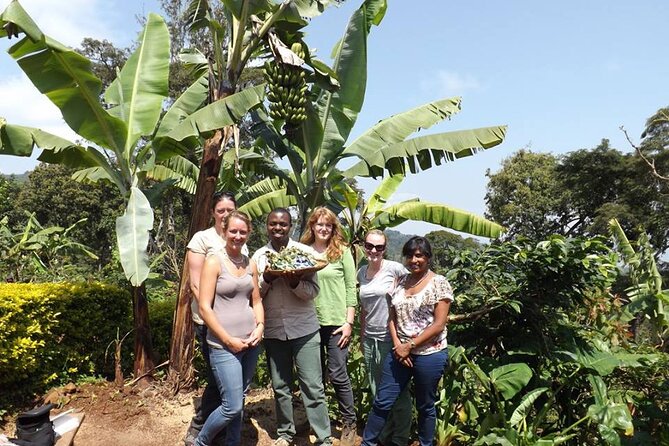
Marangu’s best feature is the way nature and Chagga culture share the same day. You move from coffee plants and forest paths to Ndoro Waterfall, then into underground caves and a small living museum that explain how people here farmed, defended their homes, and built community around Kilimanjaro.
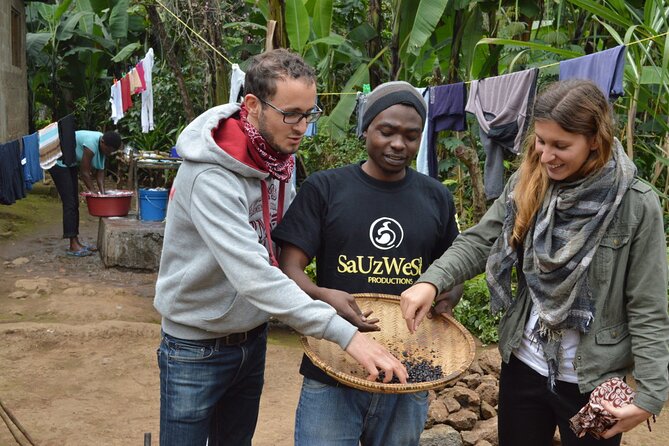
I like the hands-on coffee stop, where you help process, roast, and prepare your own cup. I also like the chance to eat a traditional hot meal and try local drinks such as banana beer, rather than spending the whole day looking at scenery from a vehicle.
The main thing to consider is the long, active schedule. You’ll walk on hills and wet paths, and the waterfall pool can feel very cold. Pickup is available on request, but confirm the transport plan and group size before paying, since the stated maximum is as high as 200 people.
Key points to know before you go
- Coffee becomes an activity, not just a tasting: You learn how local coffee is grown, harvested, processed, roasted, and brewed, then prepare a cup yourself.
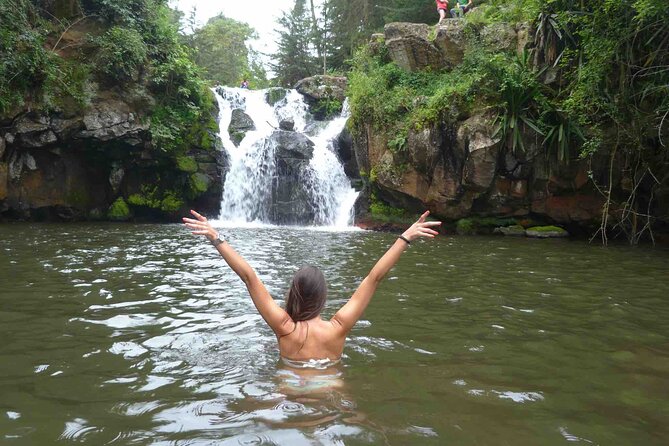
- Ndoro Waterfall adds a real walk: Expect a hike through green surroundings, with the option of a refreshing swim in the pool.
- The Chagga caves explain local defense: Your guide describes how underground passages were used during attacks and periods of drought.
- Lunch is part of the cultural exchange: A traditional hot meal is included, with local spirits such as banana beer available to try.
- Kilimanjaro sets the scene: The day begins near Marangu Gate at about 1,900 metres, with opportunities for mountain photographs.
- It is a full-day outing: The tour begins at 8:00 a.m., lasts about eight hours, and ends back at the meeting point.
Why Marangu makes a strong day trip from Arusha
Marangu sits on the lower slopes of Kilimanjaro and is closely associated with the Chagga people. This matters because the day is not built around one isolated attraction. Instead, the waterfall, farms, caves, food, and museum all help explain how people have lived in this part of Tanzania.
The opening drive is to Marangu Gate, the starting point for Kilimanjaro climbs using the Marangu Route. At roughly 1,900 metres, the gate gives you a sense of the mountain setting without committing to a multi-day trek. You may also get a clear view of Kilimanjaro for photographs, though mountain views naturally depend on the weather.
I see this as a useful choice if you have limited time in the Kilimanjaro area. You get some mountain atmosphere, but the focus is wider than a viewpoint or short nature walk. The day gives you reasons to pay attention to farms, food, old defense systems, and village life.
The tour starts at 8:00 a.m. in Arusha and returns to the meeting point. Hotel pickup can be arranged on request, so ask about it when booking rather than assuming it is automatic. Since the exact driving plan is not spelled out, confirm where pickup occurs and how much time will be spent on the road.
Other routes up the mountain from Arusha:
- 8-Day Small-group Lemosho Kilimanjaro Summit Trekking
★ 5.0 · 186 reviews - 5 Days Best of Tanzania Luxury Safari Northern Circuit
★ 5.0 · 174 reviews - 7-Day Machame Kilimanjaro Summit Tour from Arusha
★ 5.0 · 125 reviews
Processing coffee from plant to cup
The coffee visit is one of the most appealing parts of this experience because it puts you to work. You learn how coffee grows and how beans are harvested and processed locally. Then you get to try the stages yourself, including roasting and preparing a fresh cup.
That hands-on approach gives the farm visit more meaning than a quick stop at a shop. You can connect the drink in your cup with the plants, labor, and small-scale methods that produce it. If you enjoy food and drink experiences, this may be the most memorable part of the day.
The coffee stop also gives the guide a natural way to explain how agriculture fits into Chagga life. Marangu is known for coffee-growing slopes, and the surrounding plant life forms part of the everyday setting rather than a staged display.
Do not expect a formal coffee-school lesson with lots of technical detail. The supplied description presents this as a local farm visit and practical demonstration. That is its strength, but it also means the depth of the lesson can depend on the guide and the farm staff on the day.
After making your coffee, you have a short break before continuing toward the waterfall. I would use this pause to ask questions about the harvest season, how coffee is prepared for sale, and which parts of the process are done by hand. Those details can turn a pleasant stop into a much better cultural experience.
Hiking to Ndoro Waterfall
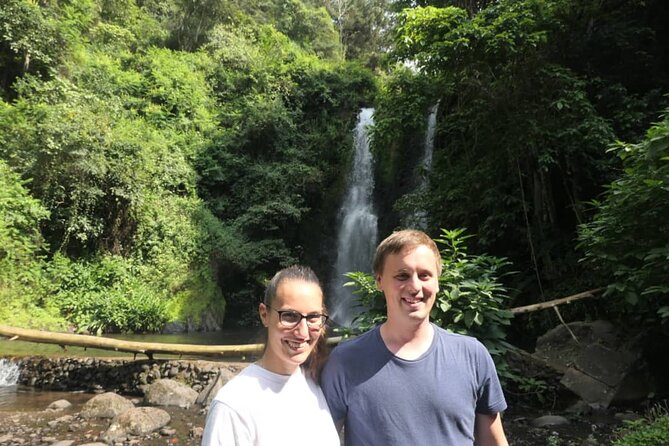
The waterfall portion requires a walk through lush greenery. The route is described as a hike, not a simple roadside viewpoint, so wear shoes with a firm grip and expect uneven or damp ground. The route’s exact length is not provided, but the full stop is allocated about four hours along with the coffee and waterfall activities.
Ndoro Waterfall is the day’s main nature stop. You get the sound of falling water, a wooded setting, and views back toward the surrounding area. Some descriptions of the outing also point to views of the village and Moshi, plus a possible sighting of Kilimanjaro later in the day.
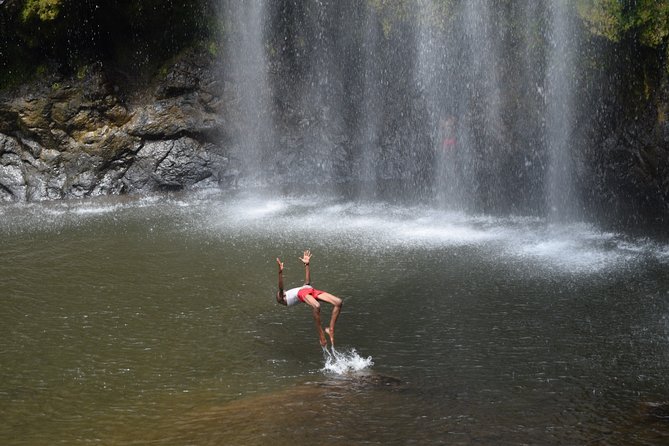
The pool offers a chance to cool off. The water is considered safe for swimming in the supplied information, but it can be very cold. I would treat swimming as optional, not as the main reason to book. Bring a towel and a change of clothes if you plan to get in, though those items are not listed as provided.
Use care near the top and edges of the falls. The available advice warns that a fall could be fatal, so stay away from slippery ledges and follow the guide’s instructions. A swim in the pool is one thing. Climbing toward the lip of the waterfall for a photo is another, and it is not worth the risk.
The walk may be too much for someone who wants a relaxed sightseeing day with minimal effort. The tour is suitable for most participants according to the supplied information, but that broad statement does not remove the need for sensible shoes and basic comfort with hills.
What the Chagga caves add to the day
The Chagga underground caves are not simply a dark place to walk through. They are tied to the history of conflict around Kilimanjaro. The explanation given on the tour concerns periods when Maasai groups moved up the lower slopes during drought, with attacks on Chagga communities leading local people to create underground passage networks for protection.
This part of the experience works best when your guide explains the setting clearly. The caves give you a physical sense of how people used the ground beneath their homes and farms. They also show that local history is not only found in books or museums. It can be built into the places where people lived and tried to stay safe.
The subject needs some care. Accounts of conflict can be simplified during a short excursion, and an eight-hour tour cannot cover every side of the story. I would listen for context and ask questions rather than treating one spoken explanation as the complete record.
Expect a basic, possibly dark and uneven environment. The supplied details do not specify lighting, stair conditions, or the length of the cave walk, so ask your operator if those points matter to you. A small flashlight may be useful, but it is not listed as included, so do not assume one will be supplied.
Other park itineraries that start in Arusha:
- Serengeti Balloon Safari and authentic bush breakfast
★ 5.0 · 2,480 reviews - Balloon Safari & Bush Breakfast in Serengeti – Miracle Experience
★ 5.0 · 1,646 reviews - 4 Days Group Camping Safari
★ 5.0 · 1,101 reviews - 5 Days Group Camping Safari
★ 5.0 · 730 reviews
Meeting Chagga life at the live museum
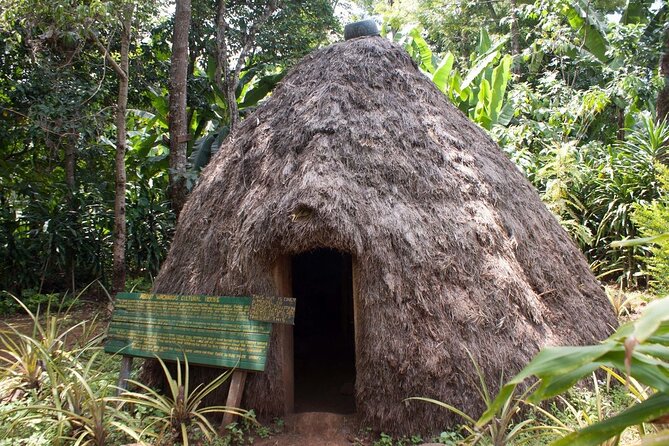
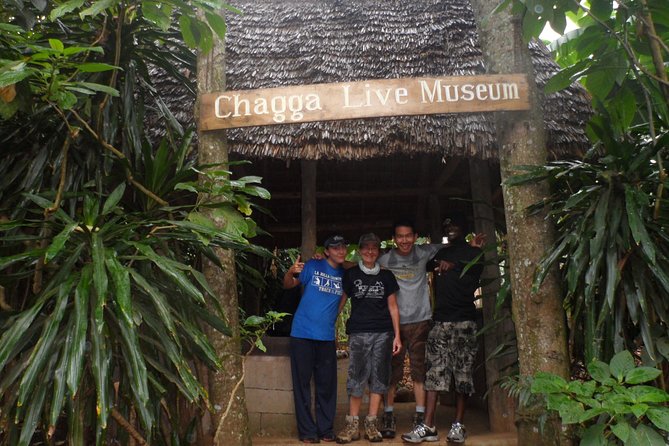
The Chagga Live Museum is a small outdoor museum that presents traditional Chagga life. It follows the cave visit well because it shifts the focus from defense and conflict to homes, food, farming, and daily customs.
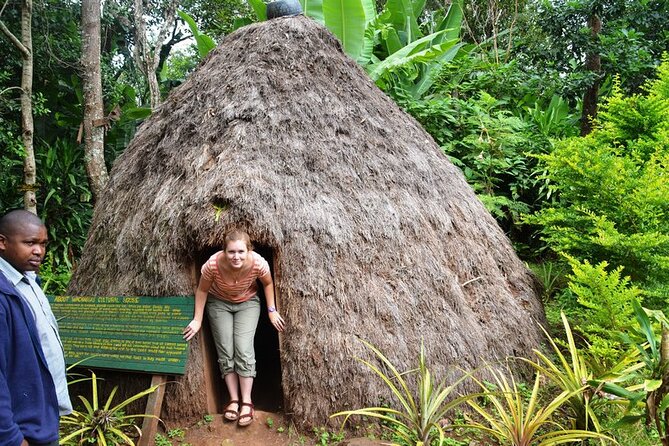
You may see traditional houses with straw roofing and hear explanations about how families used local materials. The tour also includes a culinary tasting, and the meal may be served in a local restaurant or through a family-style setting arranged for the group. The exact lunch location can vary, so it is worth asking when you confirm the booking.
This is where the tour feels most personal. You are not only looking at an old structure. You are being introduced to food, drinks, buildings, and plants linked to local life. The banana beer is an optional cultural taste, not something you need to drink to enjoy the visit.
Some details from the experience point to local families serving traditional dishes and offering drinks such as banana beer or mbege, a Chagga-style banana brew. Alcohol is not appropriate for everyone, so ask what non-alcoholic options are available if you prefer not to try it.
The museum is small, which is both a benefit and a limit. You can focus on a few clear examples rather than rushing through a large complex. On the other hand, anyone expecting a major museum with extensive displays may find it modest.
A traditional lunch, and what is included
Lunch is included, along with entrance fees and taxes, crew wages, and a first aid kit. That makes the $150 per person price easier to assess because you are not paying for the main meal and then adding several small charges throughout the day.
The value depends heavily on how many people are in your group and how transport is handled. The stated maximum is 200 participants, which is far larger than the small-group cultural outing most people picture. A group that large could make the cave, coffee, waterfall, and meal stops feel less personal.
Ask directly for the expected group size before booking. The description suggests an experience that works best with time for questions and contact with local hosts. If the operator can place you in a smaller vehicle or group, that could make a major difference.
The meal is meant to be a proper local lunch rather than a snack. Exact dishes are not listed, so do not book this expecting one particular recipe. You may encounter traditional African food and local drinks, but dietary requirements should be raised in advance because no special-meal details are provided.
I also like that the first aid kit is listed as included. That does not replace good preparation, especially for a waterfall hike, but it is a sensible sign that the walking portion has been considered.
Is $150 a fair price?
At $150 per person, this is not a cheap waterfall visit. It is better judged as a full-day cultural and nature package that combines transport arrangements, guiding, entry fees, lunch, coffee activities, the caves, museum access, and the waterfall.
The price makes the most sense if you want several experiences in one day and prefer having the route organized. It is also useful if you want a guide to explain Chagga customs and the cave history rather than simply finding the waterfall on your own.
The value is weaker if you only want to swim or take waterfall photographs. In that case, much of what you pay for is the coffee lesson, cultural interpretation, lunch, and coordination. Those are the reasons to choose this tour.
Pickup is offered on request, but flights, visas, hotels, tips, and additional park fees are not included. Confirm the pickup charge, if any, and clarify whether any extra entry fee applies to your exact route. The cancellation terms are straightforward: cancel at least 24 hours before the 8:00 a.m. start for a full refund. Cancellations or changes inside that window are not refunded or accepted.
Who will enjoy this Marangu day
I would recommend this outing to you if you want a fuller picture of the Kilimanjaro foothills without climbing the mountain. It suits people who enjoy local food, coffee, short hikes, oral history, and cultural visits more than a tightly scheduled list of photo stops.
It is also a good fit before or after a safari. You can spend one day learning about the people and farming communities around Kilimanjaro instead of moving straight from one wildlife activity to another.
Families and mixed-interest groups may like the variety. One person can focus on coffee, another on the waterfall, and another on the caves and food. Still, the walk and the cold pool may not suit everyone, and the group size needs checking.
I would be cautious about booking if you require a quiet private tour, have limited mobility on uneven ground, or dislike changing between several activities in one day. The tour is described as suitable for most participants, but no detailed accessibility information is supplied.
Should you book this tour?
Book it if you want culture to carry as much weight as scenery. The coffee preparation, Chagga caves, small museum, local meal, banana beer, and waterfall make this more useful than a simple half-day nature stop.
Before paying, confirm three things: the pickup arrangement from Arusha, the likely group size, and the walking conditions at Ndoro Waterfall. If those answers suit you, the $150 price gives you a well-filled day with food, guiding, entry costs, and several distinct parts of Marangu.
Skip it if you only want a waterfall swim or a private, low-effort outing. For everyone else, this is a strong choice for seeing the human side of the Kilimanjaro foothills, provided you arrive ready for hills, cool water, and a full schedule.
FAQ
Where does the tour start?
The tour starts at 8:00 a.m. in Arusha, Tanzania. It ends back at the meeting point.
Is hotel pickup available?
Hotel pickup is available on request. Confirm the arrangement when booking because it is not described as automatic.
How long does the experience last?
The tour lasts approximately eight hours.
Is lunch included?
Yes. A traditional hot meal is included in the tour price.
Can I swim at the waterfall?
Yes, the waterfall pool is described as safe for swimming. The water can be very cold, and you should stay away from dangerous edges and follow the guide’s instructions.
Is coffee included in the activities?
Yes. You learn how coffee is grown, harvested, and processed, then take part in processing, roasting, and preparing a fresh cup.
What is the cancellation policy?
You can cancel at least 24 hours before the experience start time for a full refund. Cancellations or changes made less than 24 hours before the start are not accepted and are not refunded.
More Kilimanjaro treks from Arusha
- Mountain Kilimanjaro Day Hike
★ 5.0 · 102 reviews - Private Full Day Hiking Experience to Marangu Route
★ 5.0 · 61 reviews - From Arusha/Moshi: Kilimanjaro Hike Marangu Route Day Trip
★ 4.5 · 54 reviews - 4 days Best experience Kilimanjaro Hike, Serengeti &Ngorongoro
★ 5.0 · 54 reviews
More safaris from Arusha
- 3 Days Serengeti & Ngorongoro Group Camping Safari
★ 5.0 · 574 reviews - 7-Day Premium Luxury Tanzania Safari All-Inclusive
★ 5.0 · 426 reviews - 3-Day Classic Serengeti Safari
★ 5.0 · 263 reviews - 8 Days Great Wildebeest Calving Migration Safari from Arusha
★ 5.0 · 254 reviews
Just added in Arusha
- 4 Days Private Midrange Lodge Safari to Serengeti & Ngorongoro★ 5.0 · 4 reviews
- Extraordinary Hot air Bolloon ride in Serengeti | BURIGI CHATO SAFARIS CO L.T.D★ 5.0 · 6 reviews
- 3 days leopard safaris★ 5.0 · 4 reviews
- 8 Days Serengeti Migration safari★ 5.0 · 11 reviews
- tarangire, ngorongoro & lake manyara park 3 days private tour★ 5.0 · 11 reviews
- tarangire & ngorongoro 2 days tour★ 5.0 · 14 reviews
- Mt. Kilimanjaro: Shira plateau to Cathedral point 3872m Day hike★ 5.0 · 7 reviews
- serengeti, ngorongoro & tarangire 4 days private tour★ 5.0 · 18 reviews
Safari Tours, compared.
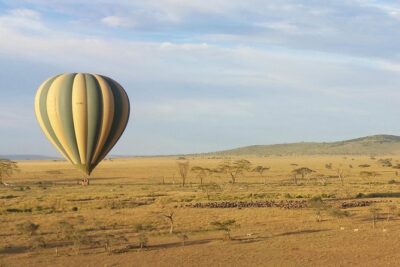
Serengeti Balloon Safari and authentic bush breakfast
Read our review →
Mikumi Safari Day Trip with Flights and Meal
Read our review →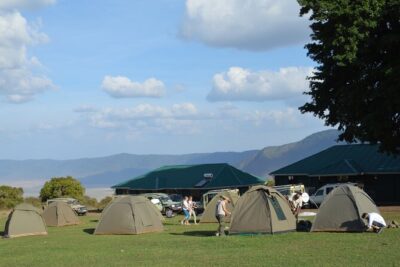
3 Days Serengeti & Ngorongoro Group Camping Safari
Read our review →
7-Day Premium Luxury Tanzania Safari All-Inclusive
Read our review →
Safari Blue Lagoon Trip with Snorkeling and Lunch
Read our review →
Browse the lists this tour appears in