
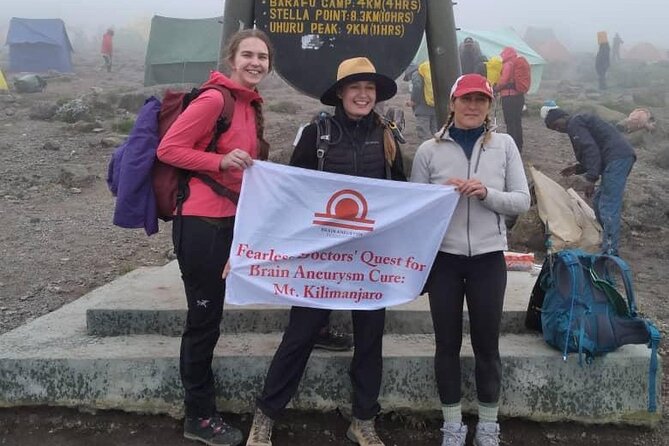
Reviewed · KILIMANJARO TREKS
Mt Kilimanjaro Climb – 6 days Marangu
Kilimanjaro’s Marangu Route gives you a classic path to Africa’s highest summit, with a useful acclimatization day at Horombo Hut and a private guide focused on your group. You move from coffee country and rainforest to giant heather, bare volcanic slopes, and a freezing midnight push toward Uhuru Peak.
I like the route’s simple logistics: hotel pickup, park fees, meals, water, hut accommodation, rescue fees, and an oxygen cylinder are included. I also like the personal feel of a private trip. Guides including Musa, Freddy, Benny, Francis, Eric, Nicolas, and Steven have been praised for patient instruction and strong support.
The main caution is the schedule. Six days is not a soft introduction to high altitude, even with the extra night at Horombo. The final ascent involves a long night, loose stone, cold, and a major descent on the same day, so you need moderate fitness, proper gear, and the willingness to walk pole, pole, slowly.
Key points to know before booking
- Six days with one acclimatization day: Day 3 at Horombo gives your body more time at altitude before the summit attempt.
- Marangu uses hut accommodation: You sleep in dormitory-style huts, with limited facilities at Kibo, rather than carrying your own tent each night.
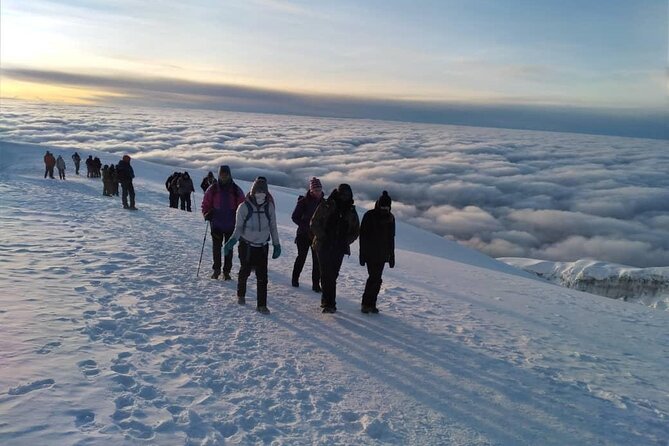
- The final push starts before midnight: Expect 6 to 7 hours to Uhuru Peak, followed by another 5 to 6 hours to Horombo.
- A private guide keeps the pace personal: Your group does not share the activity with other customers.
- The price covers major mountain costs: At $2,185.90 per person, the package includes park and rescue fees, meals, water, transport, staff, and five nights of accommodation.
- Tips and mountain equipment are extra: Budget separately for team tips, personal climbing gear, insurance, and accommodation before or after the climb.
The Marangu Route gives you a classic Kilimanjaro progression
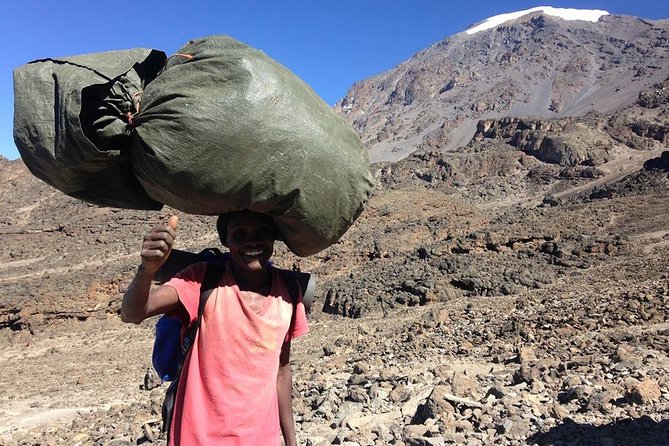
This climb is appealing because the scenery changes in clear stages. You begin in warm forest, move through open moorland, cross a dry volcanic saddle, and finish among Arctic conditions near the summit. Each day feels different, which helps break up the physical effort.
The route is often described as Kilimanjaro’s easiest trail. That means the path is generally straightforward compared with other routes, not that the mountain is easy. You still gain more than 4,000 meters before the summit, and altitude can affect you even if you are fit.
At $2,185.90 per person, the cost is not simply paying for a guide and a walk. It includes park entry, forest and rescue fees, government taxes, transport to and from the gate, meals, drinking water, five nights of accommodation, camping facilities, and team wages aligned with KPAP guidelines. An oxygen cylinder and oximeter are also provided.
You still need to pay for tips, personal mountain equipment, travel insurance, and any hotel stay or airport transfer outside the listed service. That makes the package easier to compare with cheaper offers, since many low prices leave out park charges or staff costs.
Other routes up the mountain from Moshi:
- Kilimanjaro climb by Lemosho Route (7-day)
★ 5.0 · 651 reviews - Kilimanjaro climb, Machame Route (7-day)
★ 5.0 · 262 reviews - Kilimanjaro Climbing Lemosho Route 8 Days.
★ 5.0 · 186 reviews
Day 1: Marangu Gate to Mandara Hut through rainforest
After breakfast, pickup from your Moshi hotel or hostel takes about 45 minutes to Marangu Gate. The listed meeting time is 8:30 a.m., and airport pickup can also be arranged according to the meeting information, so confirm the exact pickup point before you arrive.
At the gate, registration comes first. Then you begin walking through Montane Forest toward Mandara Hut, gaining about 870 meters over 4 to 5 hours. The trail is maintained and usually easy to follow, but the steady uphill grade makes a slow start sensible.
This is the most biologically varied part of the climb. You pass dense rainforest and coffee plantations, and your guide can point out local plants and animals. Keep your eyes open for black-and-white colobus monkeys and brightly colored birds.
Mandara Hut sits at the edge of the forest zone. The day is not exceptionally long by Kilimanjaro standards, but you are already adjusting to altitude and a new walking rhythm. Eat well, drink water, and avoid treating the first day as a race.
The description refers to dormitory-style accommodation, while the inclusions also mention camping facilities, tents, mattresses, and a mess tent. Ask Nyange Adventures to clarify exactly which nights use huts and which, if any, use tents. The itinerary itself describes Mandara, Horombo, and Kibo as huts.
Day 2: Horombo Hut and the first open moorland
Day 2 gains about 1,020 meters and takes 6 to 8 hours. The trail continues through high forest before opening into moorland, a major change from the enclosed greenery below.
You will see rolling alpine meadows and giant heather trees. Giant lobelia and giant groundsel can reach remarkable heights, with some plants growing to about 16 feet. These unusual forms make this section feel less like an ordinary mountain walk and more like a climb through a special high-altitude plant zone.
Horombo Hut is a key stop. It sits higher than Mandara and is where many people begin to notice that every movement takes more effort. Hot water is available for washing, followed by dinner and a night in the dormitories.
The dormitory setup is practical rather than private. You should expect shared sleeping space and limited mountain facilities, not hotel comfort. That is part of the trade-off for choosing the Marangu Route, which is often selected for its hut system and relatively lower price.
Day 3: A valuable acclimatization day at Horombo
The extra day at Horombo is one of the strongest features of this six-day schedule. Instead of pushing upward every day, you spend time at altitude and take a shorter walk before returning to the same hut.
The usual outing goes toward the Mawenzi Saddle, passing Zebra Rocks. The round trip takes about 4 to 5 hours. You get views toward the rugged Mawenzi side of Kilimanjaro while allowing your body more time to adjust.
This is not a rest day in the usual holiday sense. You still gain altitude during the walk, and you need to remain aware of headaches, nausea, unusual tiredness, or other signs that your body is struggling. Tell your guide promptly if you feel unwell.
The local phrase pole, pole means slowly, slowly, and it is useful advice here. Drink enough water, follow the walking pace set by your guide, eat the evening meal, and go to bed early. This day adds time and cost compared with a shorter itinerary, but it can make the summit attempt more sensible.
Same base, a different kind of day out:
- Safari Serengeti And Ngorongoro
★ 5.0 · 288 reviews - Climbing Kilimanjaro – Machame Route
★ 5.0 · 170 reviews - Climbing Kilimanjaro through 7 days Machame Route
★ 5.0 · 151 reviews - Kilimanjaro climb, Lemosho Route (8-day)
★ 5.0 · 148 reviews
Day 4: Crossing the saddle to Kibo Hut
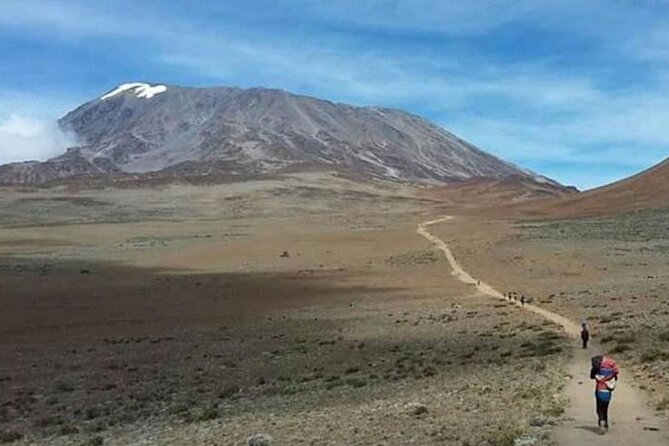
Day 4 takes 6 to 8 hours and gains roughly 980 meters. The vegetation thins as you leave the heathland and enter the broad saddle between Mawenzi and Kibo.
The setting becomes dry and almost lunar, with open volcanic ground and far fewer plants. You may begin to feel altitude symptoms here, especially as you approach Kibo Hut. This is the point to speak plainly with your guide. A private guide can adjust the pace and monitor your condition, but you must report what you feel.
Kibo Hut has dormitories and limited facilities. The stop is functional, not luxurious. You rest, eat, organize your summit clothing, and prepare for an ascent that begins just before midnight.
Use this afternoon carefully. Lay out warm layers, gloves, headlamp, water, snacks, and any personal medication. The supplied information confirms an oxygen cylinder and oximeter are carried, but these are safety resources, not substitutes for good acclimatization or careful judgment.
Day 5: Uhuru Peak and the hardest day of the climb
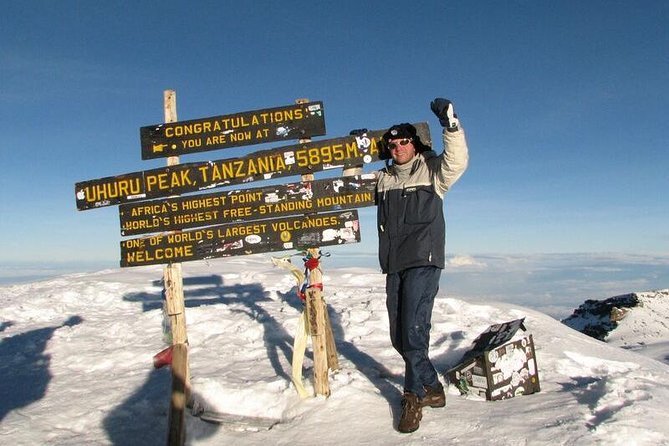
Summit day is the test. You leave around midnight and head northwest over heavy stone scree, using switchbacks between the Ratzel and Rebmann glaciers. The climb to Stella Point at 5,685 meters is described as the toughest section of the route.
The elevation gain from Kibo to the summit is about 1,295 meters. The schedule allows 6 to 7 hours to reach Uhuru Peak, followed by 5 to 6 hours down to Horombo Hut. That is a very long day, made harder by darkness, cold, poor sleep, and thin air.
Move slowly and listen to your guide. The private format matters most here, since your group can focus on its own pace rather than keeping up with a large mixed party. Guides associated with this operator, including Francis, Eric, Nicolas, Freddy, Benny, Musa, and Steven, have been described as careful, friendly, and willing to explain the mountain, wildlife, and route.
After Stella Point, you continue around the crater rim toward Uhuru Peak, Kilimanjaro’s highest point. The final section may feel less steep than the earlier scree, but fatigue and altitude still make every step count. Weather can change quickly, and you should be prepared for strong cold.
The descent is not an afterthought. Loose ground can be tiring on the knees, and you still have several hours to Horombo. The itinerary lists a 2,785-meter elevation loss on this day, which shows just how much work is packed into one stretch.
Day 6: Returning through the forest to Marangu Gate
After breakfast, you walk downhill through the forest to Marangu Gate. This section takes about 5 to 7 hours and drops roughly 1,890 meters.
The vegetation feels very different after the summit zone. The descent is physically easier than the ascent, but tired legs, sore feet, and the long previous day can slow you down. Take care on wet or uneven sections and keep enough water available until the end.
At the gate, successful climbers who reached Stella Point or Uhuru Peak receive certificates. Transport then returns you to your hotel, where a shower, dinner, and a Kilimanjaro beer await.
That final drive back to Moshi is part of the experience. You have moved from rainforest to summit cold and back again in less than a week. The rapid return to normal comforts can feel almost as striking as the climb itself.
What the $2,185.90 price really covers
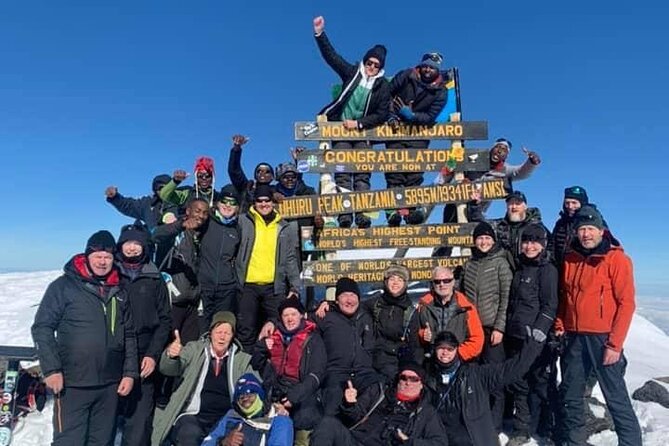
The price offers good value if you want a private, fully arranged climb rather than a bare permit and guide. Included services cover:
- Park entry, camping, forest department, and rescue fees
- Professional guide
- Hotel pickup and drop-off
- Transport to and from the gate
- Breakfast, lunch, and dinner
- Drinking water
- Five nights of accommodation
- Government taxes
- Oxygen cylinder and oximeter
- Team salaries following KPAP guidelines
The ethical pay detail matters. A Kilimanjaro climb depends on porters, cooks, and guides, and fair wages are a meaningful part of the cost. You should still plan a separate tip for the team, since tips are specifically excluded.
The package lists both lunch and four lunches, which appears to refer to the included packed midday meals. Confirm the meal plan before departure so you know what is served at huts and what is carried during the day.
Personal climbing equipment is also excluded. The supplied information does not give a rental list, so ask for the exact gear requirements before booking. Travel insurance is your responsibility, as are pre- and post-climb hotels and airport transfers unless arranged separately.
Who should choose this six-day climb?
This trip suits you if you want the famous Marangu Route, prefer a private group, and value a company that emphasizes fair team pay. It also fits people who like the idea of hut accommodation rather than sleeping in a tent every night.
You should have moderate physical fitness. The daily distances are manageable for a regular walker, but the altitude, repeated uphill walking, cold, and summit-day hours make this much harder than a normal hiking holiday.
The itinerary is also a good fit if you have limited time in Tanzania. Six days is shorter than many Kilimanjaro schedules, yet it includes one acclimatization day. If altitude is your main concern, ask if a longer plan is available, since no six-day route can remove the risks of rapid ascent.
This is less suitable if you want solitude. Marangu is popular, and the hut system can feel social and busy. It is also not the best match if you expect private rooms, hotel-style washing facilities, or a relaxed summit morning.
The trip is private for your own group, but the mountain itself is not private. You may share the route and huts with other climbers, even though your guide works only with your party.
Practical details before you commit
Confirmation is provided at booking, and free cancellation is available up to 24 hours before the local start time for a full refund. Changes or cancellations made within 24 hours are not accepted for a refund.
The tour offers pickup, group discounts, and a mobile ticket. The listed location is Moshi, Tanzania, with Kilimanjaro National Park as the activity area. Confirm whether you need pickup from a hotel, hostel, or airport, since the itinerary specifically describes a Moshi hotel or hostel pickup while the meeting information also lists Kilimanjaro Airport.
Bring a realistic attitude toward comfort. You will have meals, water, shelter, and professional support, but mountain huts have limited facilities, and the summit night is cold and demanding. Pack for changing conditions rather than relying on the phrase easiest route.
Should you book the Marangu Route with Nyange Adventures?
I would choose this trip if you want a private six-day Kilimanjaro climb with a clear route, an acclimatization day, hut-based accommodation, and major park costs bundled into one price. The repeated praise for guides such as Francis, Musa, Freddy, Benny, Eric, Nicolas, and Steven points to a team culture built around support and personal attention.
I would pause before booking if you are underestimating the altitude or expecting an easy hike. Ask about the exact sleeping arrangements, meal schedule, equipment options, airport transfers, and current guide assignment before paying.
For a fit walker who accepts shared huts, a very long summit day, and extra costs for gear and tips, this offers a sensible way to approach Kilimanjaro. The real value is not just reaching the summit. It is having a private guide, an extra acclimatization day, ethical team standards, and the main logistics handled while you focus on walking slowly and staying well.
FAQ
How long is the Kilimanjaro Marangu Route climb?
The experience lasts approximately six days and includes five nights of accommodation.
Where does the climb begin?
The climb begins at Marangu Gate in Kilimanjaro National Park, reached by transport from Moshi in about 45 minutes.
Is hotel pickup included?
Yes. Hotel pickup and drop-off are included. The meeting information also lists Kilimanjaro Airport, so confirm the exact pickup arrangement before arrival.
Is this a private tour?
Yes. Only your group participates in the activity, with a private professional guide.
Does the tour include an acclimatization day?
Yes. Day 3 is spent at Horombo Hut, with a recommended 4 to 5-hour walk toward Mawenzi Saddle and Zebra Rocks.
Where do you sleep during the climb?
The itinerary describes dormitory-style huts at Mandara, Horombo, and Kibo. The inclusions also mention tents, mattresses, and a mess tent, so confirm the exact accommodation setup with the operator.
Are meals and drinking water included?
Yes. Breakfast, lunch, dinner, and drinking water are included. Lunch is also listed as four included lunches, so confirm how packed meals are arranged for each day.
Is climbing equipment included?
No. Personal mountain climbing gear and equipment are not included. Travel insurance, tips, and pre- or post-climb accommodation are also extra.
What is the cancellation policy?
You can cancel at least 24 hours before the experience start time for a full refund. Cancellations or changes made less than 24 hours before the local start time are not accepted for a refund.
Just added in Moshi
- Wildlife Extravaganza: Manyara, Tarangire & Ngorongoro in 3 Days★ 5.0 · 3 reviews
- West Kilimanjaro cycling Adventures★ 4.5 · 8 reviews
- machame route★ 5.0 · 16 reviews
- Kilimanjaro Climb • Machame Route ~ 10 Day★ 5.0 · 6 reviews
- Kilimanjaro Climbing Umbwe Route★ 5.0 · 3 reviews
- Mt Kilimanjaro 6 days Marangu route hike★ 5.0 · 3 reviews
- 3 Days Private E-Bike Tour in West Kilimanjaro★ 5.0 · 3 reviews
- Private Cycle to Kilimanjaro Bike Park Safari★ 5.0 · 6 reviews
Kilimanjaro Treks, compared.



8-Day Small-group Lemosho Kilimanjaro Summit Trekking
Read our review →

5 Days Best of Tanzania Luxury Safari Northern Circuit
Read our review →

Climbing Kilimanjaro through 7 days Machame Route
Read our review →
7-Day Machame Kilimanjaro Summit Tour from Arusha
Read our review →Browse the lists this tour appears in