
Reviewed · KILIMANJARO TREKS
Mt Kilimanjaro Climb – 7 days Machame
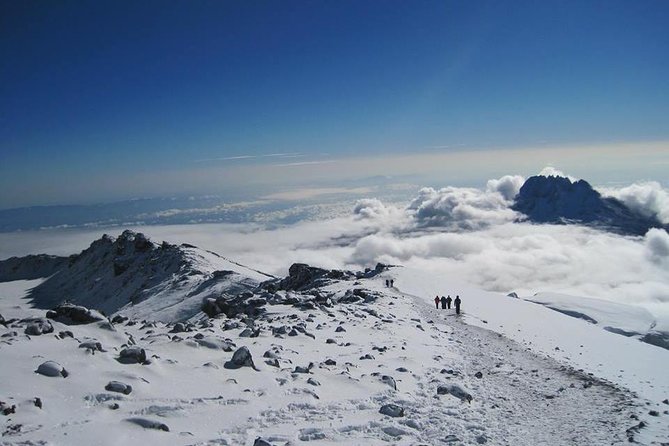
The best part of this seven-day Machame climb is the steady change of scenery: thick rainforest gives way to heath, moorland, alpine desert, glacier views, and finally the cold, stark summit zone. You finish at Uhuru Peak, 5,895 meters above sea level, after a midnight start and a sunrise push that tests both legs and patience.
I like the sensible climb high, sleep low plan, especially on day three at Lava Tower before dropping to Barranco Camp. I also like that meals, tents, porters, cooks, guides, water, and transport from the mountain gates are built into the price. The main drawback is plain enough: this is a serious physical challenge, and summit night is cold, dark, long, and tiring.
- Machame Route in seven days: A longer schedule gives you more time for altitude adjustment than a rushed climb.
- Barranco Wall: You may use your hands for balance, but no technical climbing passages are involved.
- Midnight summit attempt: Reach Stella Point, then Uhuru Peak, in time for sunrise if conditions and your pace allow.
- Full mountain crew: A guide, assistant guide, cook, and porters support the climb, with stated pay guidelines linked to KPAP.
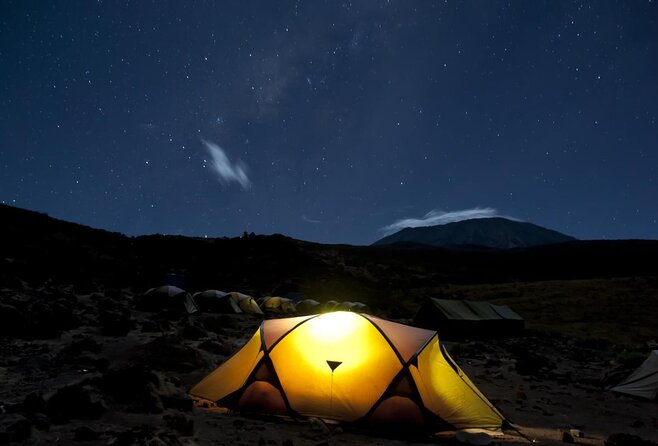
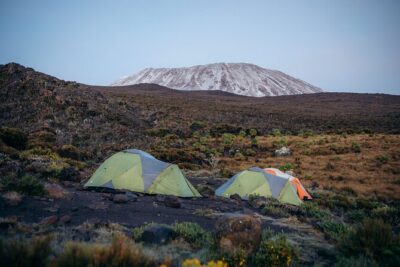
- Camping every night: Six nights use tents, mattresses, and a mess tent rather than mountain huts.
- Strong guide reputation: Guides named by past climbers include Antipas, Amnaay, Musa, Satorine, Mo, and Robert.
What the $2,543.59 price really covers
At $2,543.59 per person, this is not a cheap walk in the hills. It is a full mountain operation lasting about seven days, with six nights of camping, three meals per day, park taxes, transport to and from the gates, drinking water, a cook, porters, professional guides, camping equipment, and safety gear.
That matters on Kilimanjaro. You are not simply paying for someone to point toward the summit. A working mountain crew carries supplies, prepares food, sets up camp, monitors your condition, and handles the practical work that lets you concentrate on walking.
The package also states that team members receive fair and ethical salaries in line with KPAP guidelines. That does not remove the need for tips. The suggested amounts are $20 per day for the head guide, $12 to $15 for an assistant guide, $12 for the cook, and $5 to $8 per porter, divided among the people in your group. Budget for this separately.
Your own climbing clothes and equipment are not included. Alcohol and soft drinks are extra, and travel insurance is required on your side. Pre- and post-climb accommodation and airport transfers can be arranged on request, but they are not part of the stated package.
Day 1: Rainforest from the park gate to Machame Camp
The climb begins after pickup and the drive to Kilimanjaro National Park. At the gate, your guide handles the entrance forms while you watch the mountain crew sort and load the equipment. It is a useful first look at how much work supports a climb of this kind.
The first walk takes roughly five to six hours to Machame Camp. You start in rainforest, with ancient trees, ferns, lianas, and lichen creating a cool, shaded setting. This is one of the most pleasant walking days because the air is greener and the grade is less intimidating than what comes later.
Do not let the easy scenery fool you. This is your first test of pacing. Walk slowly, drink regularly, and listen to your guide. The goal is not to reach camp first. It is to arrive with enough energy for the next six days.
The package includes camping facilities, mattresses, and a mess tent. Meals are also supplied, so you do not need to carry food for the route. A vegetarian option is available if you request it when booking.
Other routes up the mountain from Moshi:
- Kilimanjaro climb by Lemosho Route (7-day)
★ 5.0 · 651 reviews - Kilimanjaro climb, Machame Route (7-day)
★ 5.0 · 262 reviews - Kilimanjaro Climbing Lemosho Route 8 Days.
★ 5.0 · 186 reviews
Day 2: Heath and moorland on the way to Shira Plateau
Day two is shorter than the opening walk, but it starts early and takes about seven hours according to the schedule. The rainforest falls away and you enter heath and moorland, with wider views and a much more open feel.
Shira Plateau is a fine camping location because you can see the mountain range from camp. At sunset, the glacier on Kibo may catch the last light. That contrast, green forest below and ice high above, gives you a clear sense of the height you are gaining.
This day is also where the weather can feel less protected. You may have sun, wind, cloud, or cold in quick succession. Keep layers handy rather than burying them at the bottom of your bag.
The package includes breakfast, lunch, and dinner each day. Meals are prepared by the mountain cook, and coffee or tea is included. You should still bring personal snacks if you have preferred foods for long walking days, since the included meals do not promise a particular snack selection.
Day 3: Lava Tower and the value of sleeping lower
Day three is the clever part of the route. From Shira Plateau, you climb toward Lava Tower at about 4,640 meters. After a rest, you continue through the Barranco Valley and sleep at Barranco Camp, which is not much higher than the previous night’s camp.
This gives your body time at a higher elevation without forcing you to sleep at the highest point reached that day. It is a tiring six to seven hours, but the plan helps spread the altitude challenge across the week.
The terrain changes again into alpine desert. Small lobelia plants and giant senecios add unusual shapes to an otherwise spare setting. You will notice the air becoming thinner, and a slow pace becomes more important than fitness alone.
Lava Tower is a good place to pay attention to your body. Tell the guide if you develop a headache, nausea, unusual fatigue, or other symptoms. The package includes an oxygen cylinder and an oximeter, but those are safety tools, not a substitute for careful monitoring and a sensible response to altitude problems.
Day 4: Barranco Wall and the ridge walk
After breakfast, you tackle the Barranco Wall. The name sounds more dramatic than the actual technique. You may use your hands now and then for a better grip, but there are no technical climbing sections.
Your guide will direct you through the route, and this is a place to follow instructions rather than hurry. A small backpack and free hands make the movement easier. The path includes repeated ascents and descents, so the day can feel harder than the stated three to four hours of walking suggests. The schedule also lists about seven hours for the day overall.
At the top, you get a strong view of Kibo’s glacier. From there, you walk along the mountain ridge toward camp, with the summit area remaining in view. This is one of the most memorable sections because you are close enough to see the goal, but still have a great deal of work ahead.
The emotional rhythm changes here. The climb is no longer just a rainforest walk with a distant summit. The mountain begins to feel large, cold, and serious.
Same base, a different kind of day out:
- Safari Serengeti And Ngorongoro
★ 5.0 · 288 reviews - Climbing Kilimanjaro – Machame Route
★ 5.0 · 170 reviews - Climbing Kilimanjaro through 7 days Machame Route
★ 5.0 · 151 reviews - Kilimanjaro climb, Lemosho Route (8-day)
★ 5.0 · 148 reviews
Day 5: Alpine desert and the wait at Barafu Camp
The route to Barafu Camp takes about three to four hours, mostly through a moonlike alpine desert. Vegetation becomes sparse, and the surroundings feel exposed and severe.
Barafu is the launch point for summit night. After dinner, you go to bed early because the climb begins around midnight. That early bedtime can be difficult after a full day on your feet, and you may not sleep much. Rest quietly, organize your clothing, and keep your summit gear close.
Before departure, you receive tea and biscuits. This is not a normal breakfast, so personal snacks can be useful if you know you need more food during long efforts. The mountain team waits at camp with snacks and refreshments after your descent, according to the planned schedule.
This night is one of the reasons I would not recommend the trip to anyone seeking a relaxed holiday. The walking itself is only part of the challenge. Sleep loss, cold, darkness, altitude, and the slow uphill pace all arrive at once.
Day 6: Midnight for Stella Point and Uhuru Peak
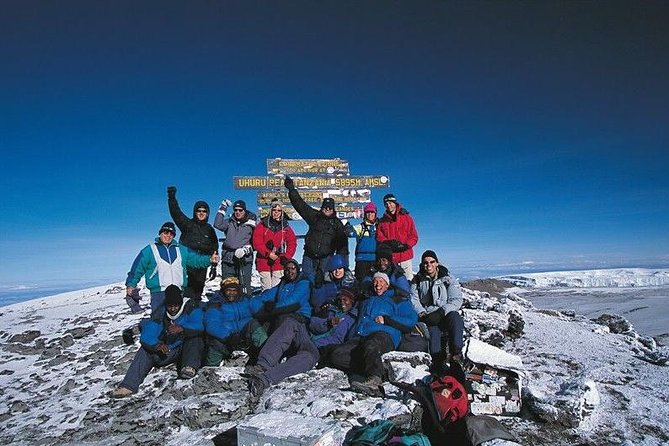
The summit attempt starts around midnight. The climb to Stella Point, on the crater rim, takes about five to seven hours. From there, you continue for another one to two hours toward Uhuru Peak.
At 5,895 meters, Uhuru Peak is the highest point in Africa. If your pace and conditions line up, you reach it around sunrise. The view across the high mountain is the reward, but do not underestimate the effort required to get there. At this height, every step can feel slow.
The guides are particularly important during this stretch. Past groups have been led by experienced staff including Satorine, who is described as having more than 20 years of experience, as well as Antipas, Amnaay, Musa, Mo, and Robert. Your assigned team may differ, but the useful question to ask before booking is who will lead your group and how many climbers each guide will support.
After Uhuru Peak, you descend by the same route to Barafu Camp, taking roughly one to two hours from the summit area according to the schedule. That timing may feel optimistic once fatigue sets in, so keep some reserve in your legs. You return to camp for food, rest, and refreshments before continuing the mountain program.
Day 7: Mweka Gate and a proper farewell
After breakfast, the mountain crew holds a traditional farewell ceremony. This is a meaningful close to the climb, especially after relying on the guide, cook, assistant guide, and porters for a week.
You then walk for about two to three hours through the rainforest to Mweka Gate. A driver meets you there and takes you back to your hotel. The planned finish includes time for a shower, a cold drink, a debrief, and a certificate of achievement.
That final transfer is more valuable than it might sound. After summit night and the descent, you will be ready to hand over your pack and sit down. The day is not meant to be filled with more sightseeing. It is for recovery.
Guides, porters, and the feel of the climb
The strongest part of this experience is the human support. The company supplies a head guide, assistant guide, cook, and porters, and the listed pricing includes fair-pay commitments under KPAP guidelines.
You should still ask how tips are collected and divided. The suggested amounts are daily figures, and the total changes with the number of porters and climbers in your group. Carry enough local currency or confirm the preferred method before leaving Moshi.
The guide team’s role goes beyond pointing out the trail. They handle park formalities, set the pace, give safety instructions at Barranco Wall, monitor altitude concerns, and help organize the midnight summit attempt. Past guide names connected with this company include Antipas, Amnaay, Musa, Satorine, Mo, and Robert.
The 26 published ratings are all five out of five, with a 100 percent recommendation rate. That is a very strong record, and the praise centers on communication, caring staff, safe pacing, professional organization, and friendly mountain crews. I would treat that as an encouraging sign, not a promise that the mountain will be easy.
What you need to bring and what you do not
The tour provides tents, mattresses, a mess tent, meals, water, oxygen, an oximeter, and transport to and from the park gates. You do not need to bring camping furniture or cooking supplies.
You do need your personal mountain clothing and equipment. The package does not state that boots, warm layers, a sleeping bag, trekking poles, headlamp, gloves, or other personal gear are supplied. Ask for the current equipment list before departure.
One useful option is sleeping bag rental. A climber from the United Kingdom hired one to avoid bringing it from home. That may help if you are flying with limited luggage, but confirm the rental terms and temperature rating before relying on it.
Bring layers that can handle quick changes in temperature, and keep summit-night items easy to reach. Also bring any preferred snacks, personal medication, and a water system that you can use while walking.
Who will enjoy this climb most
This trip suits you if you want a serious mountain goal with a support team handling food and camp work. It is also a good fit if you prefer a private experience, since only your own group participates.
You need a moderate level of physical fitness. The seven-day schedule is more forgiving than a shorter ascent, but it does not make Kilimanjaro gentle. You will walk for several hours on most days, sleep in tents, and face a long summit night.
The route is a good choice for a first major high-altitude climb if you prepare properly and accept the demands. It also suits experienced hikers who value a guided operation, full meals, and a structured plan.
It is a poor fit if you dislike camping, struggle with long uphill walks, need guaranteed comfort, or want to avoid cold and disrupted sleep. There is no way to remove those parts of the experience.
Practical booking details before you commit
Pickup and drop-off at your hotel are listed, along with transport to and from the mountain gates. Airport transfers and accommodation before or after the climb are separate arrangements, so clarify exactly where your included pickup begins.
A visa must be obtained at the border or airport. Confirmation is provided when you book, and the stated operating hours are 7:00 AM to 6:30 PM daily.
Free cancellation applies if you cancel at least 24 hours before the local start time. Inside that window, the amount paid is not refunded, and changes are not accepted.
Should you book the seven-day Machame climb?
I would choose this trip if you want a well-supported route with time for altitude adjustment and you are comfortable camping. The combination of Lava Tower, Barranco Valley, Barranco Wall, and a midnight summit attempt gives you the full Machame experience rather than a quick march to the top.
The price offers solid value once you count six nights of camping, meals, porters, guides, park taxes, water, safety equipment, and gate transport. Just add tips, personal gear, insurance, drinks, and any airport or hotel arrangements outside the stated package.
Before paying, ask for the exact gear list, the assigned guide team, the porter-to-climber setup, and the airport transfer cost if you need one. If those details are clear and you are ready for a long, cold, demanding summit night, Nyange Adventures’ seven-day Machame route is a strong choice.
FAQ
How long is the Machame climb?
The experience lasts approximately seven days and includes six nights of accommodation in mountain camps.
What route does the climb use?
The climb follows the Machame Route, also known as the Whisky Route.
Is hotel pickup included?
Hotel pickup and drop-off are listed as included. Airport transfers before or after the climb are not included, but booking is available on request.
Are meals provided?
Yes. Breakfast, lunch, and dinner are provided throughout the climb. Coffee and tea are also included.
Is camping equipment included?
Yes. The package includes tents, mattresses, and a mess tent.
Are porters and guides included?
Yes. A professional guide, assistant guide, cook, and porters are included. Tips for the team are separate.
Is oxygen supplied?
Yes. An oxygen cylinder and an oximeter are included as safety equipment.
Do I need to bring my own climbing gear?
Yes. Personal mountain climbing gear and equipment are not included. You should request the current equipment list before departure.
Is a vegetarian meal option available?
Yes. You must request the vegetarian option when booking.
What happens on summit day?
The summit climb begins around midnight. You walk to Stella Point, then continue to Uhuru Peak at 5,895 meters, before descending to Barafu Camp.
Can I cancel for a full refund?
Yes, if you cancel at least 24 hours before the experience start time. Cancellations within 24 hours are not refunded.
Just added in Moshi
- Kilimanjaro Airport Private Transfer from/to Moshi★ 5.0 · 14 reviews
- 4 Day Mid-range Serengeti Safari★ 5.0 · 22 reviews
- Kilimanjaro Climbing 5 days Marangu route★ 5.0 · 22 reviews
- 6 Days Machame route Kilimanjaro climbing★ 5.0 · 22 reviews
- 7 Days Highlight of Tanzania Mid-Range Standard★ 5.0 · 22 reviews
- 10-Day Predators Tanzania Safari Luxury Package★ 5.0 · 24 reviews
- 6 Days Climb Private Tour in Mount Kilimanjaro★ 5.0 · 27 reviews
- 4 Days Tanzania Budget Safari★ 5.0 · 26 reviews
Kilimanjaro Treks, compared.
8-Day Small-group Lemosho Kilimanjaro Summit Trekking
Read our review →
5 Days Best of Tanzania Luxury Safari Northern Circuit
Read our review →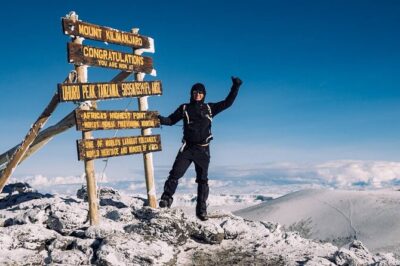
Climbing Kilimanjaro through 7 days Machame Route
Read our review →
7-Day Machame Kilimanjaro Summit Tour from Arusha
Read our review →Browse the lists this tour appears in