
Reviewed · KILIMANJARO TREKS
Mt Kilimanjaro Climb – 8 days Lemosho
The best thing about this 8-day Lemosho climb is its patient pace. You gain height gradually, spend two nights in the Shira area, and get a built-in acclimatization day before the serious push toward the summit. That makes this a stronger choice than a rushed Kilimanjaro itinerary.
I like the route’s changing scenery and the care built into the package. I also like the clear focus on fair salaries for the mountain team, along with oxygen, an oximeter, drinking water, and a private group format. The main drawback is simple: Kilimanjaro is hard, and the summit day can last 10 to 14 hours in cold, steep conditions.
Key points at a glance
- Two nights around Shira: The route gives you time to adjust before heading toward the southern side of Kilimanjaro.
- A full summit day: You climb from Barafu Camp to Uhuru Peak, then descend all the way to Mweka Camp.
- Barranco Wall included: Day five adds a steep hands-and-feet section with excellent views toward Kibo’s glaciers.
- Strong logistical package: Park fees, seven nights of camping, meals, water, transport, tents, and rescue fees are included.
- A well-supported climb: Guide teams including Joy, Geopron, Davis, Kevin, Amnaay, Robert, Herick, and others have been praised for patient support.
- Good ethical focus: Salaries are described as fair and in line with KPAP guidelines, which matters on a porter-supported climb.
Why the Lemosho Route is a smart choice
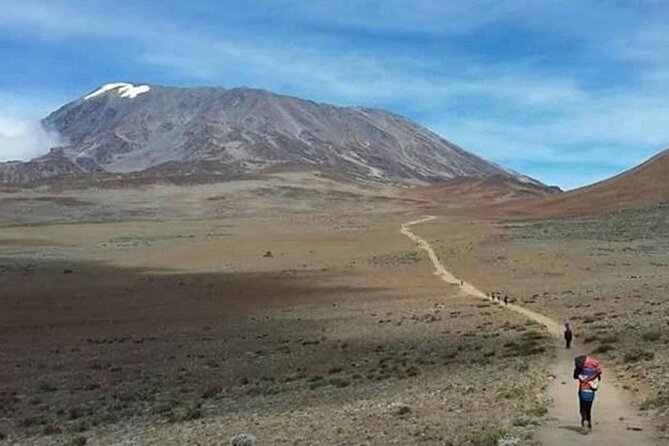
Lemosho begins on Kilimanjaro’s western side, near the upper end of the older Shira approach. It is longer than some other routes, but that extra time works in your favor. You climb in manageable steps instead of racing straight into the mountain’s thinner air.
The first part feels more gradual, while later days bring the high alpine terrain most people picture when they think of Kilimanjaro. The route eventually joins the southern circuit, passing Barranco, Karanga, and Barafu before summit night.
You should not confuse a longer route with an easy route. The total schedule includes several long walking days, and the summit push is especially demanding. Still, the itinerary allows your body more time to adjust, which is one reason Lemosho is often recommended for first-time high-altitude trekkers.
The tour costs $3,500 per person. That is a serious price, but it includes the costs that can make Kilimanjaro expensive: national park entry, camping, forest department charges, rescue fees, transport to and from the gate, meals, tents, mattresses, a mess tent, drinking water, and the full mountain crew.
It also includes fair and ethical salaries for the team, following KPAP guidelines. Tips are not included, so you need to budget separately for the guide, cook, and porters. Personal climbing gear, travel insurance, airport transfers, and accommodation before or after the climb are also extra.
Other routes up the mountain from Moshi:
- Kilimanjaro climb by Lemosho Route (7-day)
★ 5.0 · 651 reviews - Kilimanjaro climb, Machame Route (7-day)
★ 5.0 · 262 reviews - Kilimanjaro Climbing Lemosho Route 8 Days.
★ 5.0 · 186 reviews
Day 1: Lemosho Gate to Big Tree Camp
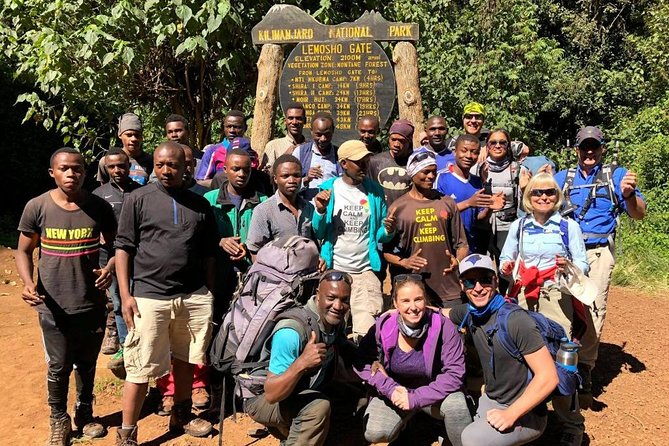
Your climb begins at Lemosho Gate, at 2,385 meters, with a short two to three-hour walk to Big Tree Camp at 2,780 meters. The gain is only 395 meters, so this is a gentle opening by Kilimanjaro standards.
The first day is useful for more than reaching camp. It gives you time to settle into the walking rhythm, meet the mountain crew, and notice how your body responds to the altitude. You may find this day surprisingly humid or warm compared with the colder camps higher up.
The campsite is called Big Tree Camp, and the route remains relatively forgiving here. Do not burn energy trying to walk fast. A slow, steady pace is the right habit from the start, and your guide will likely encourage you to keep it that way.
Day 2: Big Tree Camp to Shira Camp 1
Day two climbs from 2,780 to 3,500 meters, with four to five hours on foot. The 720-meter ascent is enough to feel like real mountain work, but the walking time remains reasonable.
This is when the size of Kilimanjaro begins to make more sense. The route moves higher and opens toward the Shira area, with wider views and a more exposed feel. The combination of a moderate walking day and a substantial altitude gain makes a slow pace important.
Shira Camp 1 is your first high camp. Eat well, drink regularly, and keep your evening simple. A good meal matters here, and the included three meals a day are one of the practical strengths of this package. The cook is not an afterthought. Specific crew members, including Oscar, Nikaas, and Mohammed, have received warm praise for the food and camp service.
Day 3: Shira Camp 1 to Shira Camp 2
The third day is shorter, with three to four hours of walking and a rise from 3,500 to 3,900 meters. This is one of the itinerary’s most useful features because you gain altitude without a long, punishing day.
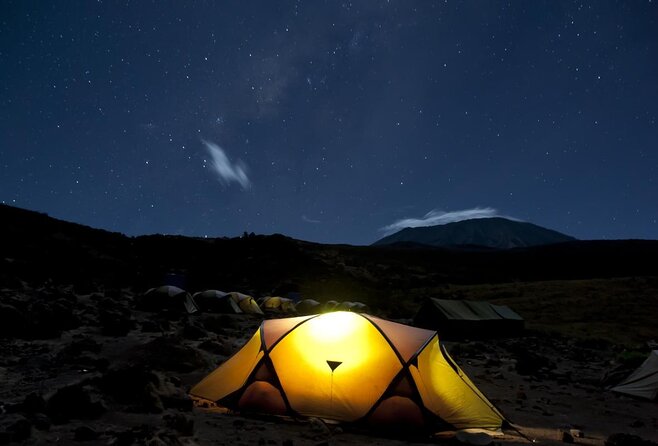
Shira Camp 2 gives you more time at elevation before the route turns toward the southern side of the mountain. That extra night can make a difference later. You are not simply covering distance. You are giving your body time to adjust.
The camp may also be a good place to check your clothing and sleeping setup. At this height, temperatures can drop sharply after sunset. Keep warm layers and personal essentials close rather than buried in your luggage.
Same base, a different kind of day out:
- Safari Serengeti And Ngorongoro
★ 5.0 · 288 reviews - Climbing Kilimanjaro – Machame Route
★ 5.0 · 170 reviews - Climbing Kilimanjaro through 7 days Machame Route
★ 5.0 · 151 reviews - Kilimanjaro climb, Lemosho Route (8-day)
★ 5.0 · 148 reviews
Day 4: Shira Camp 2 to Barranco Camp
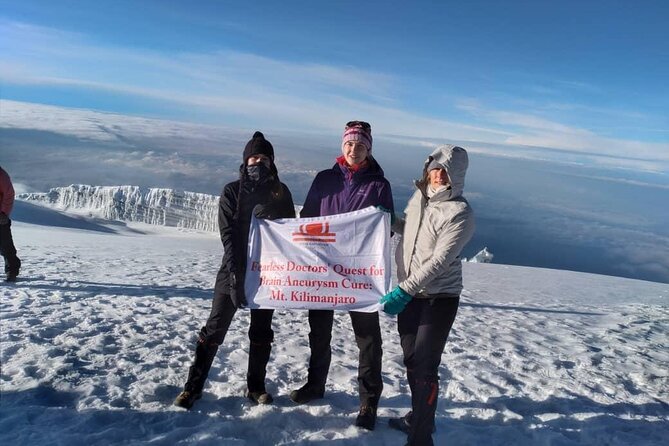
Day four is a six to seven-hour crossing from Shira Camp 2 to Barranco Camp at 3,960 meters. The schedule lists about 740 meters of climbing and 680 meters of descent, which tells you something important about the day: this is not a simple uphill walk.
You gain height, lose some of it, and then finish only slightly higher than where you started. That profile is useful for acclimatization, though it can feel tiring because you spend much of the day moving up and down.
Barranco Camp is one of the memorable locations on the route. You are close to the mountain’s southern glaciers, and the setting has the dramatic high-altitude feel many people hope for from Kilimanjaro. The price of that view is exposure, cold, and a longer day on your feet.
Day 5: The Barranco Wall to Karanga Camp
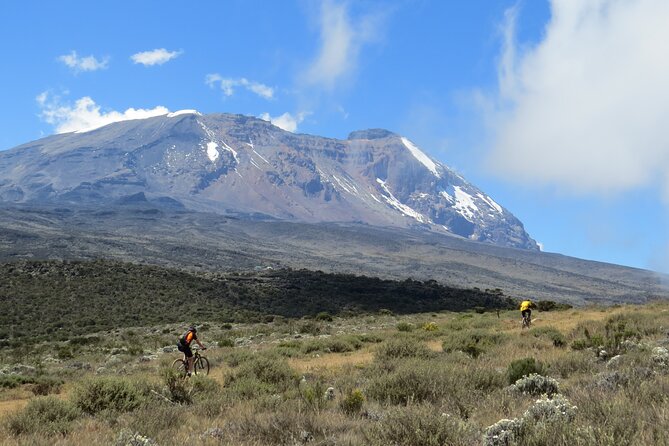
Day five starts with the route’s most talked-about physical feature, the Barranco Wall. You climb from 3,960 to 4,035 meters, but the small net gain hides the real work. The route repeatedly rises and falls, with a steep section over the wall.
This is not a technical rock-climbing day, but it does require careful footwork and comfort with a steep path. Your guide’s support matters here. The team members named in connection with this climb, including Davis, Kevin, Amnaay, Joy, and Geopron, have been praised for patience, safety, and close attention to individual needs.
Once over the wall, you get rewarding views toward Kibo’s southern glaciers. The camp is only three to four hours away, but the ups and downs can leave you more tired than the short distance suggests.
Karanga Camp is at 4,035 meters, just 100 meters higher than Barranco Camp. That small change is the point. You are spending another night high up without making a huge jump.
Day 6: Karanga Camp to Barafu Camp
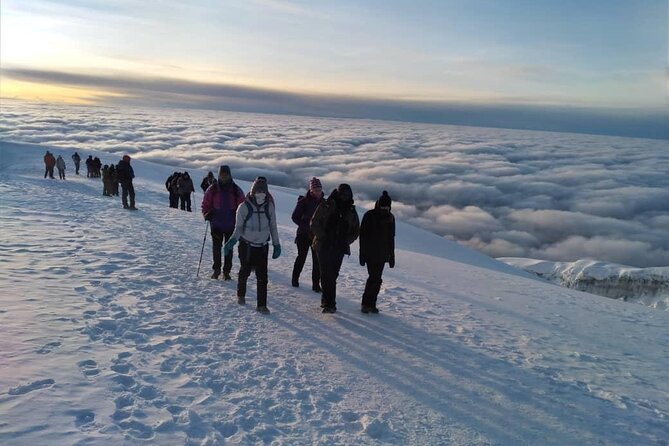
The sixth day climbs 615 meters to Barafu Camp at 4,640 meters, taking three to four hours. The route is shorter than the previous day, but Barafu is where the summit attempt becomes real.
Barafu means ice in Swahili, and the camp’s high, exposed position signals what is ahead. You will rest here before the night climb, so conserve energy and organize your personal gear as soon as you arrive.
The included tents, mattresses, and mess tent provide a base, but you should not expect luxury. This is a mountain camp at nearly 4,700 meters. Your comfort depends heavily on your sleeping bag, clothing, headlamp, gloves, and other personal equipment, all of which you must bring yourself.
The tour provides an oxygen cylinder and an oximeter. Those are sensible safety measures, but they do not remove the risk of altitude sickness. You still need to tell your guide immediately if you feel unwell.
Day 7: Barafu Camp to Uhuru Peak and Mweka Camp
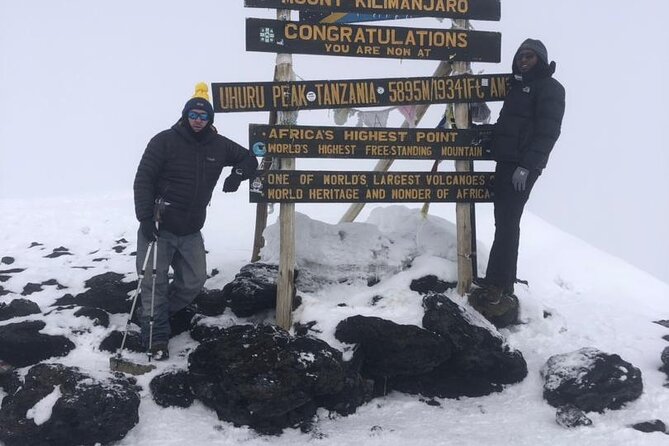
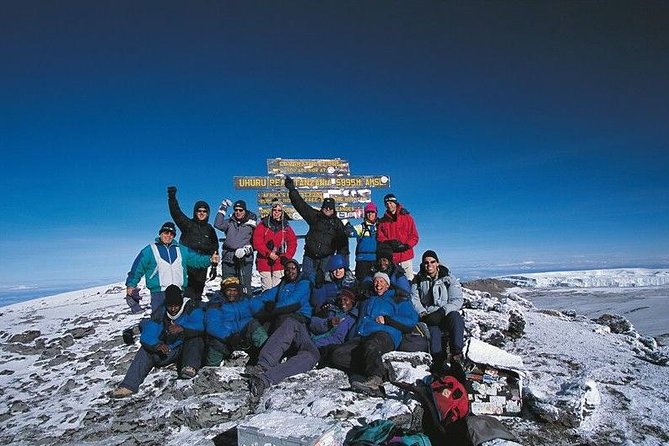
Summit day is the test. You leave Barafu Camp at 4,640 meters, climb to Uhuru Peak at 5,895 meters, and then descend to Mweka Camp at 3,080 meters. The full day takes approximately 10 to 14 hours.
The initial climb toward Stella Point is steep, cold, and often slow. Altitude may affect you even if you are fit at home. The key is to follow the guide’s pace and avoid wasting energy early in the climb.
The reward is the crater-rim panorama around Stella Point and the summit views at Uhuru Peak, Africa’s highest point. The climb is difficult, but the schedule gives you a real chance to reach the top because you have spent several days gaining height gradually.
The descent is not a minor afterthought. Once you reach the summit, you still have a long, steep walk down to Mweka Camp. Your legs may feel battered, and loose ground can make the descent harder than expected. Drink, eat, and move carefully.
A positive feature of the support system is the guide-to-climber attention described by the company’s past clients. One 73-year-old climber completed the ascent with the team’s support, which suggests that age alone is not the deciding factor. Your health, preparation, pacing, and response to altitude matter more.
Day 8: Mweka Camp to Mweka Gate
The final morning brings a two to three-hour descent from Mweka Camp at 3,080 meters to Mweka Gate at 1,630 meters. You lose 1,450 meters, so expect tired knees and a strong sense of relief.
The gate marks the end of the mountain portion. Transport to and from the gate is included, and hotel pickup and drop-off are also part of the package. Pickup is offered at the listed meeting time of 8:00 a.m., so confirm the exact arrangements before you start.
After seven nights of camping, even a simple shower and ordinary bed can feel wonderful. This is also the time to thank the mountain team and settle tips for the guide, cook, and porters.
Food, camping, and the mountain crew
Three meals a day are included, with breakfast, lunch, and dinner listed throughout the climb. Food becomes more important as the altitude rises, so this is a real part of the tour’s value, not a minor convenience.
The mountain setup includes tents, mattresses, and a mess tent. Drinking water is provided. You should still bring personal snacks if you have favorite foods or need extra calories between meals.
The strongest human element of this climb is the staff support. Guides named in connection with the experience include Joy, Geopron, Davis, Kevin, Amnaay, Robert, Herick, Francis, Ibrahim, and Musa. The food and service team has also received particular attention, with Oscar, Nikaas, Sam, and Mohammed mentioned for their work around camp.
The ethical salary policy is worth taking seriously. Porters carry much of the equipment that makes a climb possible, so choosing an operator that follows fair-pay guidelines is an important part of the buying decision. You should still plan a proper tip because gratuities are excluded from the $3,500 price.
Who should book this climb
This route suits you if you want a scenic, slower Kilimanjaro itinerary and have enough time for eight days on the mountain. It is also a good fit if you prefer a private activity rather than being placed in a large public group. The listed format says only your group participates, although group size and final arrangements should be confirmed before booking.
You need a moderate level of physical fitness. That does not mean you must be an elite athlete. It does mean you should be ready for repeated walking days, steep sections, cold nights, and a summit day lasting up to 14 hours.
The climb may suit solo bookers as well. Past arrangements have included individuals joining a group, and one booking became a solo trip after cancellations. That flexibility can create a more personal experience, but you should confirm exactly how your booking will be handled.
This is not the right choice if you want hotels, short walks, or a guaranteed summit. No operator can guarantee the summit because altitude affects people differently, and the itinerary itself warns that conditions may influence the final climb.
What to budget and what to bring
At $3,500, the package covers many major costs. You do not need to arrange park entry, camping permissions, rescue fees, meals, water, gate transport, or the main camping equipment separately.
You still need to budget for:
- Tips for guides, cooks, and porters
- Personal mountain clothing and climbing equipment
- Travel insurance
- Accommodation before and after the climb
- Airport transfers, unless arranged separately
The supplied details do not list a full gear checklist, so you should ask Nyange Adventures for its current recommendations. At minimum, you need to take personal responsibility for suitable cold-weather clothing, footwear, and equipment for a 5,895-meter summit attempt.
Mobile tickets and hotel pickup are offered, which keeps the arrival process simple. Confirmation is provided when you book. Free cancellation is available up to 24 hours before the start time for a full refund. Cancellations or changes inside that 24-hour window are not refunded.
Should you book the 8-day Lemosho climb?
I would choose this tour if you want the better-acclimatized Lemosho schedule, value strong crew support, and accept that camping and summit night will be demanding. The two nights around Shira, the Barranco Wall, and the gradual route profile give you more than a quick climb to the top.
The $3,500 cost is reasonable for an all-inclusive Kilimanjaro package, especially with park and rescue fees, meals, equipment, transfers, and ethical salary standards included. Just add insurance, personal gear, accommodation, airport transport, and tips to your real budget.
Book it if you are prepared to walk slowly, sleep in tents for seven nights, and treat the summit as a goal rather than a promise. If you want a gentler holiday, this is not it. If you want a well-supported, scenic route with time to adjust to altitude, the 8-day Lemosho itinerary is a strong choice.
FAQ
How long is the Mt Kilimanjaro Lemosho climb?
The climb lasts approximately eight days, including seven nights of camping.
Where does the route begin?
The route begins at Lemosho Gate, at an elevation of 2,385 meters.
How high is Uhuru Peak?
Uhuru Peak is 5,895 meters above sea level.
How long is summit day?
The climb from Barafu Camp to Uhuru Peak, followed by the descent to Mweka Camp, takes approximately 10 to 14 hours.
Are meals included?
Yes. Breakfast, lunch, and dinner are included throughout the climb.
Is camping equipment included?
Yes. Tents, mattresses, and a mess tent are included, along with seven nights of camping.
Is drinking water provided?
Yes. Drinking water is included.
Are tips included in the price?
No. Tips for the guide, cook, and porters are not included.
Can I cancel for a full refund?
Yes. You can cancel at least 24 hours before the experience start time for a full refund. Cancellations or changes made less than 24 hours before the start time are not refunded.
Just added in Moshi
- Wildlife Extravaganza: Manyara, Tarangire & Ngorongoro in 3 Days★ 5.0 · 3 reviews
- West Kilimanjaro cycling Adventures★ 4.5 · 8 reviews
- machame route★ 5.0 · 16 reviews
- Kilimanjaro Climbing Umbwe Route★ 5.0 · 3 reviews
- Mt Kilimanjaro 6 days Marangu route hike★ 5.0 · 3 reviews
- Kilimanjaro Climb • Machame Route ~ 10 Day★ 5.0 · 6 reviews
- 3 Days Private E-Bike Tour in West Kilimanjaro★ 5.0 · 3 reviews
- Private Cycle to Kilimanjaro Bike Park Safari★ 5.0 · 6 reviews
Kilimanjaro Treks, compared.



8-Day Small-group Lemosho Kilimanjaro Summit Trekking
Read our review →

5 Days Best of Tanzania Luxury Safari Northern Circuit
Read our review →

Climbing Kilimanjaro through 7 days Machame Route
Read our review →
7-Day Machame Kilimanjaro Summit Tour from Arusha
Read our review →Browse the lists this tour appears in