Reviewed · SAFARI TOURS
Private Multi Day Tour Tanzania Safari
Tarangire’s elephants, Ngorongoro’s crater floor, and Serengeti’s wide-open plains make this six-day private safari a strong first taste of northern Tanzania. You move through four major wildlife areas, with your own 4WD and guide rather than a fixed group.
I like the practical design: park fees, meals, airport transfers, drinks, and accommodation are included, and the photographic roof gives you a clear view for pictures. I also like the guide service, especially the repeated praise for Seif’s animal-spotting skills and Spanish-language guiding. The catch is the pace. Long drives and early starts leave little room for rest.
Key points to know before booking
- Four major wildlife areas: Tarangire, Lake Manyara, Ngorongoro Crater, and Serengeti all appear in one six-day route.
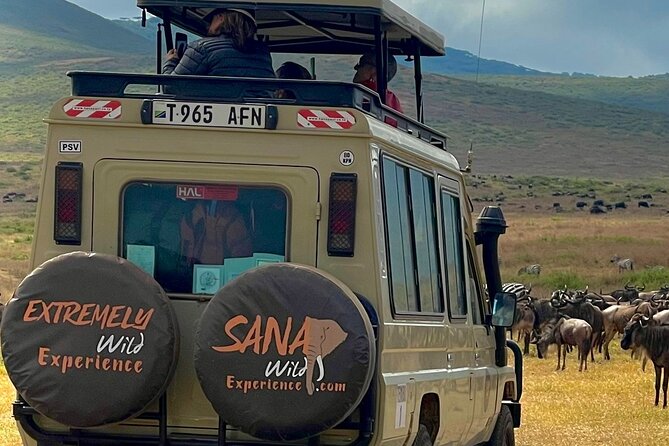
- Private 4WD travel: Your group travels alone in a safari vehicle with a photographic roof.
- Strong guide reputation: Seif is especially noted for animal knowledge, calm photo stops, and Spanish guiding. Sablon and Ali are also named as guides.
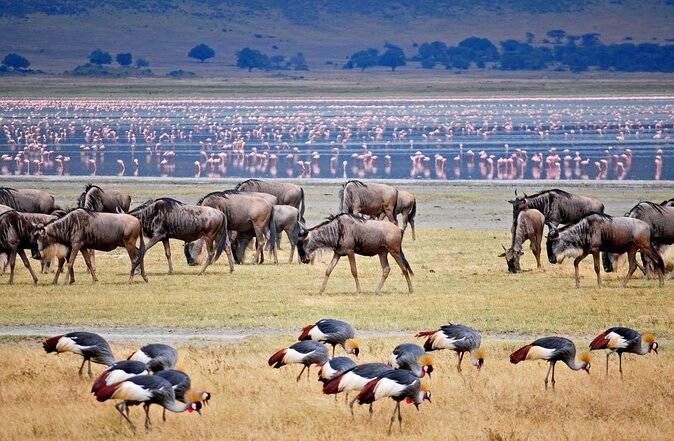
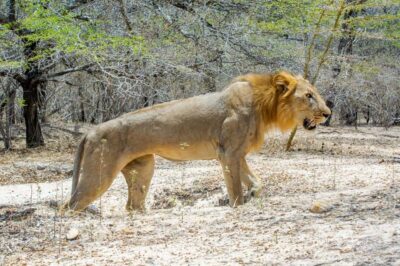
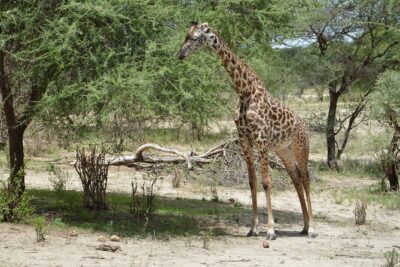
- Big wildlife focus: You have realistic chances to see elephants, lions, zebras, wildebeest, buffalo, giraffes, and possibly rhino.
- Useful inclusions: Park fees, government taxes, airport transfers, accommodation, meals, soft drinks, beer, and wine are covered.
- Full driving days: Expect roughly six to nine hours of activity or travel on most days, with several picnic lunches.
Four parks in six days, with very little wasted time
This safari is built for you if your main goal is to see Tanzania’s best-known wildlife parks in one compact trip. It is not a slow lodge holiday. You will spend much of each day in the vehicle, but that vehicle is also your moving viewing platform, lunch transport, and link between very different habitats.
The route begins near Arusha and ends back there. Pickup is offered, and the first day can begin after arrival at Kilimanjaro Airport. Because the description also lists Arusha as the meeting point, I would confirm the exact pickup plan, airport timing, and first-night accommodation before paying.
The price is $3,205 per person. That is a serious sum, but it covers the costly parts of a northern Tanzania safari: private transport, park entry charges, accommodation, meals, government taxes, airport transfers, and drinks. You are not simply paying for six guided sightseeing days. You are also paying for access to several major parks and for a private vehicle that lets your group stop for photos without sharing space with strangers.
Other park itineraries that start in Arusha:
- Serengeti Balloon Safari and authentic bush breakfast
★ 5.0 · 2,480 reviews - Balloon Safari & Bush Breakfast in Serengeti – Miracle Experience
★ 5.0 · 1,646 reviews - 4 Days Group Camping Safari
★ 5.0 · 1,101 reviews
Day 1: Tarangire begins with elephants and giant baobabs
After arriving at Kilimanjaro Airport, you drive toward Tarangire National Park, about 210 kilometers from Arusha. The listed day runs about nine hours, so this is a substantial opening day rather than a gentle transfer.
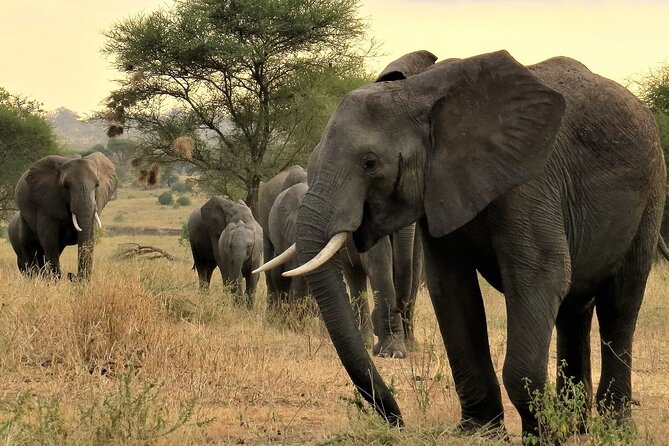
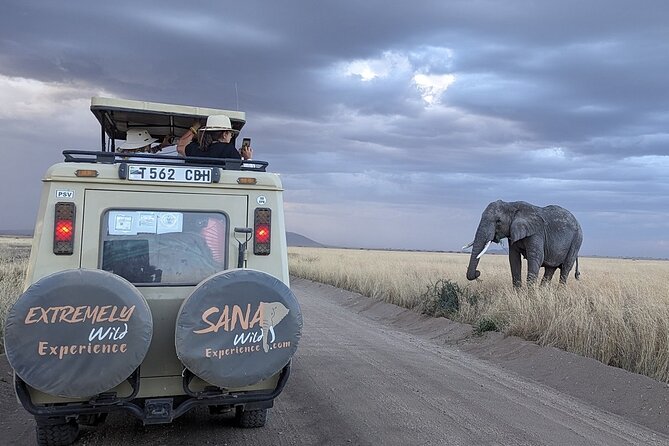
Tarangire covers about 2,856 square kilometers and takes its name from the Tarangire River. That river provides permanent water in a dry area, drawing animals back after the long rains. The park is particularly associated with elephants, wildebeest, and zebras, along with acacia trees and baobabs.
The timing matters. As the Maasai Steppe dries after the rains, wildlife gathers around Tarangire’s water sources. Your guide’s judgment becomes important here. A skilled guide can help you spend less time simply driving and more time watching animal behavior near water and open clearings.
Lunch is planned as a picnic beneath umbrella acacias. That is a simple but memorable part of safari travel. You remain in the park, rather than losing the middle of the day to a restaurant transfer, and the setting gives you a first real sense of how close daily life is to the wild.
The drawback is fatigue. If your international arrival is early, the park visit can feel exciting from the start. If your flight is delayed or you arrive tired, a long transfer followed by game viewing may test your energy. Ask how the first night is arranged and how much time you will actually spend inside Tarangire.
Day 2: Lake Manyara packs several habitats into one park
You leave Tarangire after breakfast and drive to Lake Manyara National Park. The day is listed at about eight hours, with time for game viewing in a compact area beneath the Manyara Escarpment and along the Rift Valley.
Lake Manyara is smaller in feel than Serengeti, but it offers striking variety. Groundwater forests, baobab-covered cliffs, bush plains, hot springs, and the alkaline lake create a quick change of scenery. Birdlife is a major reason to come, especially around the lake and its wet areas.
The park is also famous for tree-climbing lions. Seeing them is never something a safari can promise, but the possibility adds a distinctive reason to include Manyara. Your guide may also point out animals and birds that are easy to miss when everyone is focused only on the Big Five.
I like this stop because it breaks up the route between the larger parks. You get a different setting, different plants, and a strong bird-watching element without needing another full day. The practical limitation is that the park’s appeal depends on conditions and timing. The lake environment changes, and the day still includes driving, so you should not expect an unhurried forest walk or a long cultural visit.
Day 3: Ngorongoro Crater delivers concentrated wildlife
After breakfast, you descend into Ngorongoro Crater with packed lunch. The crater is the dramatic center of this route, and its enclosed setting often gives you a strong chance of seeing several large animals in one outing.
The Ngorongoro Conservation Area protects more than 30,000 animals. On the crater floor, you may see lion, elephant, buffalo, zebra, wildebeest, and, with luck, rhino. The area is also linked with the story of human origins, which gives the visit meaning beyond a standard game drive.
This is one of the best days for first-time safari visitors who want variety without spending hours searching across huge distances. The crater’s walls hold a concentrated mix of habitats, and the views from above are memorable before you even descend.
After lunch, you drive onward to Serengeti for dinner and the night. That transition is useful because it puts you in position for the next morning, but it makes Day 3 another long nine-hour day. You will want to keep your lunch efficient and carry water, sun protection, and a camera battery that can last through the drive.
The Big Five are possible here, but do not treat that phrase as a guarantee. Wildlife is wild, and rhino sightings are less predictable than seeing large herds of zebra or wildebeest. The value of Ngorongoro is the whole setting: crater walls, open floor, animal concentration, and the sense that you are visiting a place with both natural and human importance.
Other safaris people book out of Arusha:
- 5 Days Group Camping Safari
★ 5.0 · 730 reviews - 3 Days Serengeti & Ngorongoro Group Camping Safari
★ 5.0 · 574 reviews - 7-Day Premium Luxury Tanzania Safari All-Inclusive
★ 5.0 · 426 reviews - 3-Day Classic Serengeti Safari
★ 5.0 · 263 reviews
Days 4 and 5: Serengeti gives the safari its biggest stage
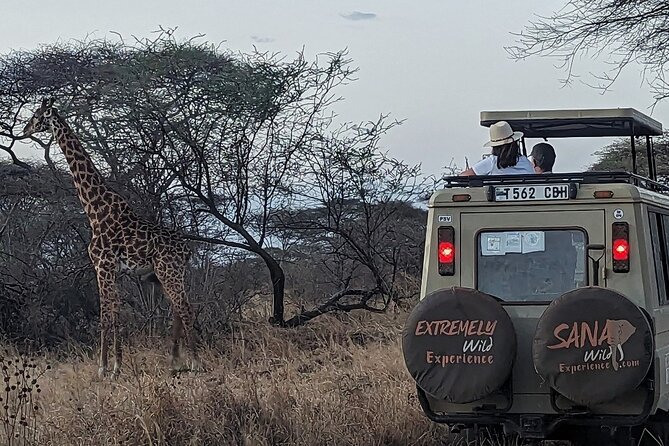
Day 4 is the full Serengeti day. You wake to the sounds and light of the plains, eat breakfast, and set out for a morning game drive. After a hot lunch at the lodge, you return to the park for afternoon and evening viewing.
Serengeti means endless plains, and the scale is the point. You may spend time crossing open country between sightings, but those miles are part of the experience. The changing light, distant herds, and sudden animal encounters give the day its rhythm.
This is also where guide skill matters most. The praise for Seif centers on his ability to spot animals, explain what you are seeing, and allow calm time for photographs. One particularly striking account describes watching lionesses hunt. That kind of moment cannot be scheduled, but an alert guide and a private vehicle improve your chances of being in the right place and staying with the scene.
The private format is valuable here. You can ask to remain longer at an interesting sighting, request a slower approach for photos, or shift attention from large animals to smaller wildlife. That flexibility appears to be one of the strongest reasons to pay for a private safari instead of joining a larger shared vehicle.
Day 5 begins with another Serengeti game drive and a picnic lunch under umbrella acacias. You then continue toward Ngorongoro or Karatu for the night. This gives you a final stretch of wildlife viewing before returning toward Arusha.
The tradeoff is repetition and road time. Two Serengeti days are much better than a rushed single visit, but the route still asks you to cover a lot of ground. You should be comfortable sitting in a safari vehicle for long periods and handling bumpy roads. If you want a slower Serengeti stay, ask whether the route can be adjusted, though the listed package is designed around this fixed six-day circuit.
Day 6: Mto wa Mbu adds people and daily life
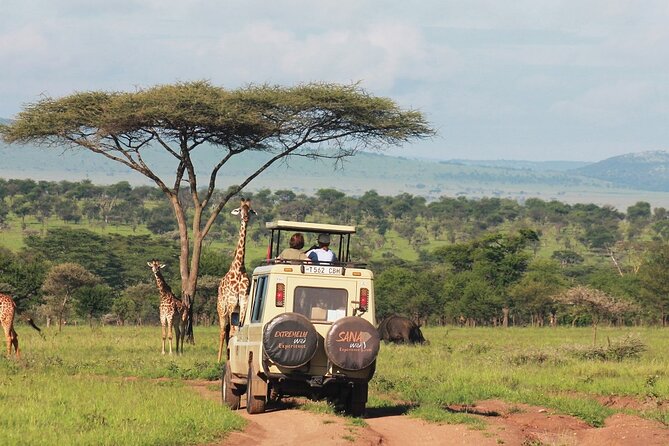
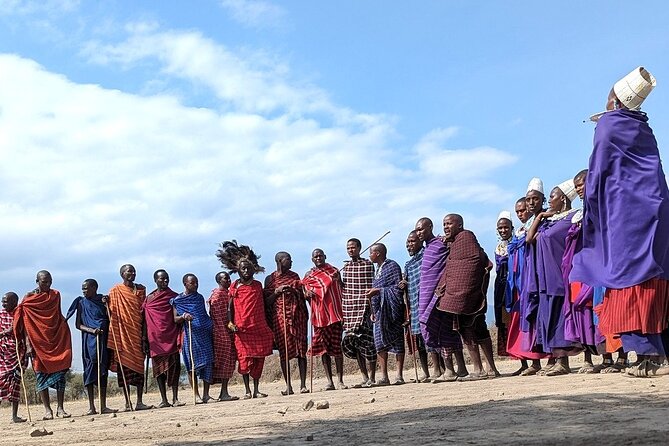
After breakfast, you drive toward Arusha. The plan includes about two hours in Mto wa Mbu village, where you can spend time with local people before continuing to town.
This is a useful final note because the safari is not only about animals. After several days of parks, a village visit gives you a chance to see a lived-in community and shift your attention from wildlife to people. The day may also allow time for shopping before you leave Tanzania.
A hot lunch at Coffee Lodge in Arusha can be arranged, depending on your flight schedule. Since the day is listed at about six hours, confirm your departure time before adding extra plans. The activity ends back at the meeting point in Arusha, and local flights can be arranged at an additional cost.
The guide can make or break the experience
The strongest praise is directed toward the guiding. Seif is named repeatedly as an attentive guide with a sharp eye for animals, strong knowledge of wildlife, and the ability to explain what is happening. Spanish-language guiding is also specifically mentioned, which could be a major benefit if you prefer to discuss animals in Spanish.
Sablon and Ali are also named as guides on other trips. Since the assigned guide may depend on availability, ask who will lead your group and what languages are offered before departure.
A good safari guide does more than point at lions. You want someone who can read animal behavior, choose a sensible pace, explain smaller creatures as well as famous ones, and give you time to take pictures. The information provided suggests that this operator’s best feature is the human service inside the vehicle.
What the $3,205 price covers
At $3,205 per person, this is not a budget safari. Still, the package includes a long list of expenses that can add up quickly:
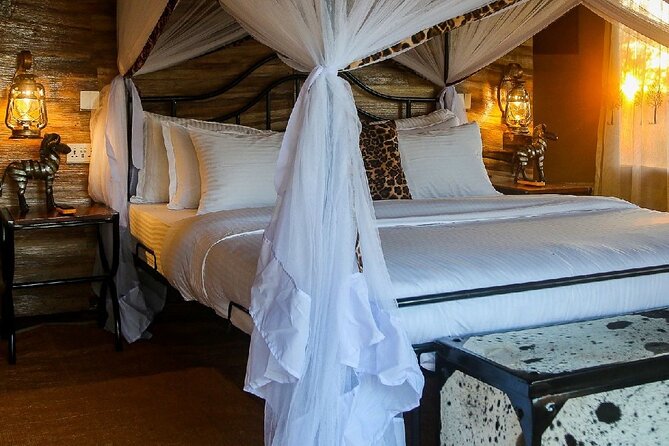
- Accommodation or similar lodging throughout the route
- Private transport in a 4WD with a photographic roof
- A professional driver-guide
- National park entry fees and government taxes
- Airport transfers
- Six lunches, five dinners, and five breakfasts
- Unlimited soft drinks, beer, and wine during the safari
- Double or triple occupancy for groups of two to twelve people
The occupancy wording deserves attention. The tour is private, but the listed accommodation setup is based on double or triple occupancy, and the private format is available for groups from two to twelve people. Ask about the single supplement if you are traveling alone, since it is not stated here.
International flights, visas, insurance, flying-doctor coverage, personal purchases, tips, and anything not listed are extra. Tip money for the driver is also not included. The package gives you a useful cost framework, but you still need a budget for those additions.
Comfort, pace, and practical limits
This is an active safari with early starts, long drives, packed lunches, and several days of six to nine hours. Most people can participate, and the tour is near public transportation, but the schedule is not designed around long periods of rest.
The photographic roof is a practical advantage. It gives you a better viewing angle and helps with pictures from the vehicle. Unlimited soft drinks, beer, and wine are included, which is unusual enough to note, though you should still make water, sun protection, and comfortable clothing part of your own planning.
The free cancellation policy allows a full refund when you cancel at least 24 hours before the local start time. Changes or cancellations within 24 hours are not accepted for a refund. Confirm all pickup details, accommodation names, and the final payment terms before departure.
Who should book this safari
I would recommend this route to a first-time visitor who wants the classic northern Tanzania circuit in one trip. It suits couples, honeymooners, families, and small groups who value privacy and want to choose how long to stay at animal sightings.
It is also a good match if you care about guide interaction. The repeated praise for Seif’s calm approach, animal spotting, and Spanish explanations suggests that the right guide can add a great deal to the experience.
I would hesitate if you dislike long vehicle days or want a slow, luxurious holiday with plenty of free time. You may also want a different plan if your main goal is the Serengeti migration at a particular location, since the supplied route does not promise a specific migration season or river crossing.
Should you book it?
Book this safari if you want four major parks, a private 4WD, strong guide support, and a clear all-in structure for six days. The route covers a lot, and the chance to combine Tarangire elephants, Lake Manyara birds, Ngorongoro wildlife, and Serengeti plains is the main value.
Before booking, confirm the guide, exact lodges, airport pickup, room arrangement, and any single-room supplement. If you accept the long drives and brisk pace, this is a powerful introduction to Tanzania with enough variety to keep every day different.
FAQ
Where does the safari start and end?
The listed meeting point is Arusha, Tanzania, and the activity ends back at the meeting point. Pickup is offered, including airport transfers.
How long is the tour?
The tour lasts approximately six days. Daily activity is listed at about six to nine hours, depending on the day.
Which parks and wildlife areas are included?
The route includes Tarangire National Park, Lake Manyara National Park, Ngorongoro Crater, and Serengeti National Park.
Is this a private tour?
Yes. Only your group participates. The package is listed for groups of two to twelve people, with double or triple occupancy.
What meals are included?
The package includes six lunches, five dinners, and five breakfasts. Picnic lunches are planned on several game-drive days.
Are park fees included?
Yes. National park entry fees and government taxes are included.
Are drinks included?
Unlimited soft drinks, beer, and wine are included during the safari.
What is not included in the price?
International flights, visas, insurance, flying-doctor coverage, personal shopping, memorabilia, tips for the driver, local flights, and anything not specifically listed as included are extra.
Just added in Arusha
- 4 Days Private Midrange Lodge Safari to Serengeti & Ngorongoro★ 5.0 · 4 reviews
- Extraordinary Hot air Bolloon ride in Serengeti | BURIGI CHATO SAFARIS CO L.T.D★ 5.0 · 6 reviews
- 3 days leopard safaris★ 5.0 · 4 reviews
- 8 Days Serengeti Migration safari★ 5.0 · 11 reviews
- tarangire, ngorongoro & lake manyara park 3 days private tour★ 5.0 · 11 reviews
- tarangire & ngorongoro 2 days tour★ 5.0 · 14 reviews
- Mt. Kilimanjaro: Shira plateau to Cathedral point 3872m Day hike★ 5.0 · 7 reviews
- serengeti, ngorongoro & tarangire 4 days private tour★ 5.0 · 18 reviews
Safari Tours, compared.
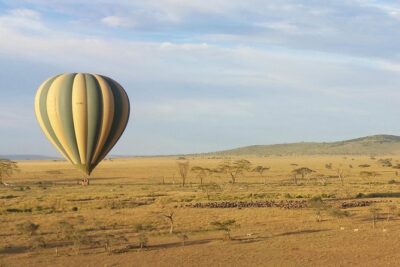
Serengeti Balloon Safari and authentic bush breakfast
Read our review →
Mikumi Safari Day Trip with Flights and Meal
Read our review →
3 Days Serengeti & Ngorongoro Group Camping Safari
Read our review →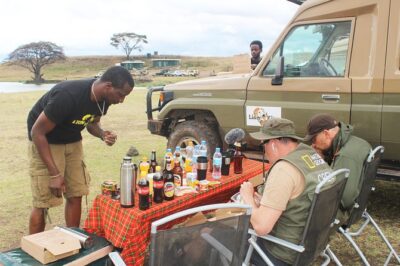
7-Day Premium Luxury Tanzania Safari All-Inclusive
Read our review →
Safari Blue Lagoon Trip with Snorkeling and Lunch
Read our review →