Reviewed · TOURS IN ARUSHA
Private Traditional Pottery Class near Arusha
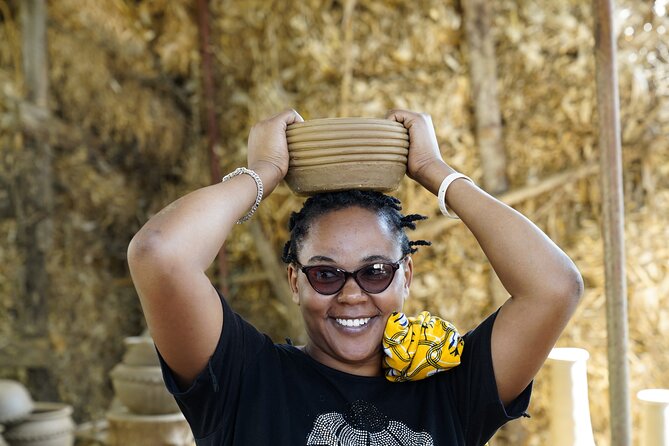
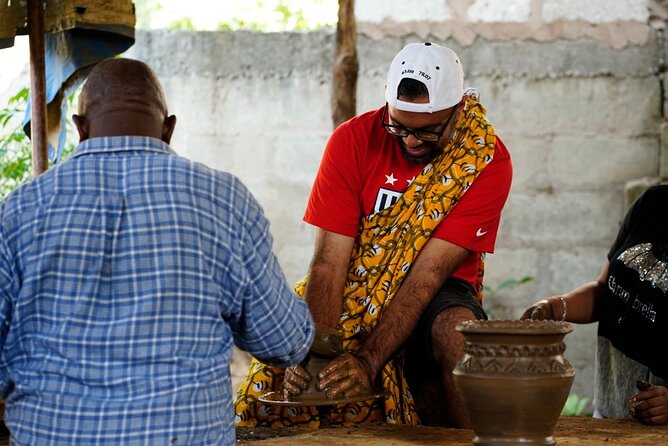
The best part of this Arusha outing is the chance to work with locally mined clay beside traditional potters in Tengeru. You prepare the clay, shape it on a foot-powered wheel, and learn how it reaches a traditional kiln. This is hands-on village life, not a quick stop for photographs.
I like the personal teaching and the small group limit of eight. I also like the link with The Small Things, a local project supporting vulnerable children and families. The main point to check before booking is lunch: the tour details are inconsistent, with one section saying lunch is provided and another saying it costs an extra $10. Confirm this before you go.
Key points to know before you book
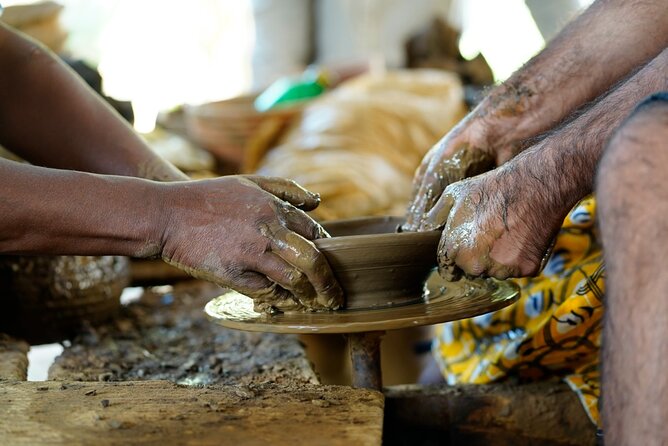
- Work a foot-powered pottery wheel: You learn the full process, from clay preparation to turning, trimming, and firing.
- Meet local teachers: Potters such as Kitomary provide practical instruction, while guides including Reuben help explain the day.
- Visit The Small Things: Your first stop introduces community work supporting orphaned and vulnerable children and families.
- Take home your own piece: Your pottery becomes a useful, personal souvenir rather than a shop-bought keepsake.
- Keep the group small: A maximum of eight people allows more room for help at the wheel.
- Budget about $50, plus possible lunch: The listed price is per person, while lunch at The Small Things site is described elsewhere as an additional $10.
From The Small Things to Tengeru pottery
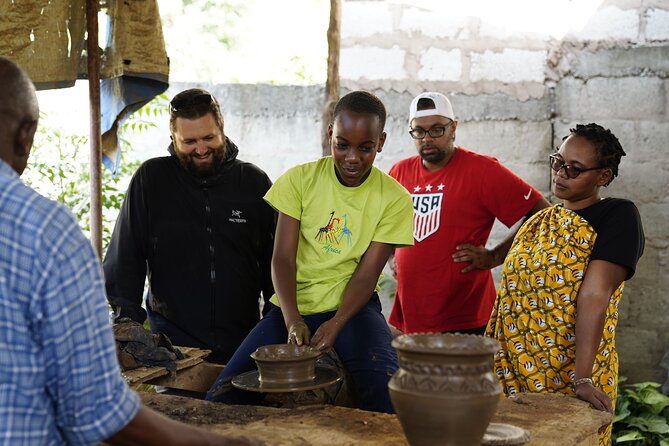
This two-hour activity begins at The Small Things, a community project connected with support for orphaned and vulnerable children and families. The stop gives the day a wider purpose. You are not only attending a craft lesson, but also learning about a local effort that connects visitors with community needs.
The information provided does not set out a long formal presentation, so expect an introduction rather than a full social-work tour. That is likely a good fit if you want context without spending the whole day in an institution. It also means you should listen carefully and ask questions while you are there.
The pottery portion takes place in Tengeru, near Arusha. The area is associated with the Meru people, and your local guide explains elements of Meru culture and history during the outing. This cultural background matters because pottery is presented as a local tradition, not simply as an art class placed in an African setting.
You will meet the potters and receive the tools and materials needed for the session. No pottery experience is required in the information provided, and most people can participate. Still, clay work takes patience. Your first attempt may lean, wobble, or refuse to become the shape you had in mind. That is part of the fun, not a sign that you have failed.
A few more things to do in Arusha worth a look
- Private 6-Day Tarangire Manyara Crater and Serengeti with Mid-Range Lodges
★ 5.0 · 238 reviews - 5 Days Budget Private Safari, Tanzania
★ 5.0 · 191 reviews - 5-Day Private Northern Tanzania Safari from Arusha
★ 5.0 · 182 reviews
Preparing local clay by hand
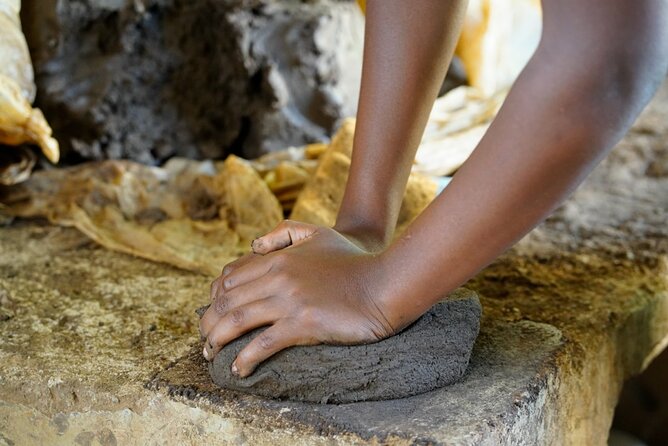
The lesson starts with the material itself. You learn how local clay is prepared before it becomes a bowl, cup, or other small object. The activity description specifically includes preparation, turning, trimming, and firing, so you get a look at the entire making process rather than only the wheel work.
Working with clay by hand gives you a better sense of how much effort goes into a simple pot. The material has to be controlled before the wheel can do much for you. This first step also makes the class useful for children and adults who enjoy making things with their hands.
All tools, equipment, and materials are supplied. That makes the $50 price easier to assess, since you do not need to arrange clay or bring specialist gear. Wear clothes and shoes that can tolerate some dust or clay. The available details do not specify a dress code, but pottery is a messy activity by nature.
The class is also a good choice for families. A family of five has taken part together, with each person learning to throw a clay pot. One family also had the chance to milk a cow during the day, though that should not be treated as a guaranteed part of the pottery program. The core activity is the clay lesson.
Turning clay on a foot-powered wheel
The wheel is powered by your feet, not an electric motor. That small detail changes the rhythm of the class. You must coordinate your foot movement with your hands, while the teacher helps you keep the clay centered and under control.
This is where an experienced potter makes a real difference. Kitomary is identified as the artist teaching the clay work, and the available comments describe him as someone who knows the material well and shares his skills clearly. You can expect demonstration, correction, and encouragement as you work through the basic movements.
Do not book this expecting to produce a perfect vessel in one try. The value is in learning the process and feeling the clay respond. If your group includes children, they may need help keeping the shape steady. Adults may find the wheel more difficult than expected, which makes the finished item more satisfying.
The class format appears well suited to questions. With no more than eight participants, you should have a better chance of receiving individual attention than in a large workshop. A solo visitor can also join without needing to form a private group, based on the available experience details.
Trimming, firing, and taking your piece home
After the main form is turned, you learn about trimming. This stage cleans up the shape and helps give the piece a finished look. It is easy to focus on the spinning wheel, but trimming shows you that pottery is built through several separate steps.
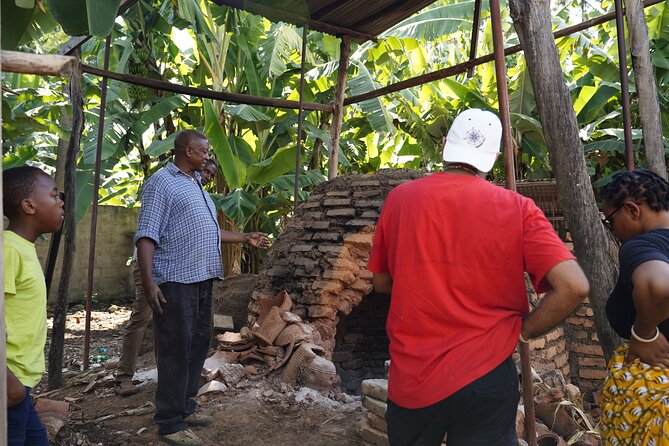
The final part is firing the work in a traditional kiln. The supplied details do not promise a choice of glaze, decoration, or a specific firing temperature, so do not assume your piece will look like a polished commercial product. The important promise is that you can take your pottery creation home as a memento.
Ask the local teacher how and when the piece is fired, especially if you need to leave Tengeru soon after the class. The information says you can take it home, but it does not explain whether the firing happens during the two-hour session or afterward. This is one practical point worth confirming before booking.
Your finished object may have small marks or an uneven edge. That gives it character and shows that you made it yourself. If you want a perfectly uniform souvenir, a shop is the safer choice. If you want a personal reminder of your time near Arusha, this class offers more meaning for the money.
Same base, a different kind of day out:
- Serengeti Balloon Safari and authentic bush breakfast
★ 5.0 · 2,480 reviews - Balloon Safari & Bush Breakfast in Serengeti – Miracle Experience
★ 5.0 · 1,646 reviews - Tanzania Classic – 7 Days
★ 5.0 · 1,151 reviews - 4 Days Group Camping Safari
★ 5.0 · 1,101 reviews
Learning about Meru culture along the way
The pottery lesson is paired with an introduction to the local Meru tribe. Your guide provides cultural and historical context during the day, so the activity is not limited to technical instruction.
The supplied information does not give a detailed list of specific Meru customs or sites visited. That is useful to know. You should expect general cultural interpretation linked to the community and the craft, not a separate museum-style history lecture.
Guide names connected with the experience include Reuben and Andrew, while Kitomary is the artist associated with the clay work. One family specifically appreciated Reuben as a guide, and another thanked Andrew and Reuben after a solo pottery outing. If a particular guide matters to you, ask who is scheduled when you book, since the information does not promise one named guide for every departure.
The cultural element is strongest when you treat it as a conversation. Ask how pottery fits into local life, how the clay is sourced, and how the kiln works. Those questions can turn a short craft lesson into a more useful look at Tengeru and Meru traditions.
What the community connection adds
The visit to The Small Things gives the experience a social purpose. Funds connected with the activity benefit a children’s home nearby, and the project works with vulnerable children and families in the community.
That connection may appeal to you if you want your spending to reach beyond a standard sightseeing stop. It also calls for a respectful attitude. The children and families are not there to create a photo opportunity, and the available description focuses on learning about the organization’s work rather than promising an entertainment program.
The experience details mention an activity with children from The Small Things in one account, but the standard outline begins with a visit to the project and then moves to Tengeru. Do not assume you will volunteer, teach, or spend a set amount of time with children unless the provider confirms it.
This is best approached as a community visit paired with a locally taught craft. You get a chance to understand the project, then support local potters through the class. That balance is more respectful than treating community work as an added attraction.
Price, lunch, and what you receive for $50
The listed price is $50 per person. For a two-hour class, that is not the cheapest activity you could find in Arusha. But the price includes all tools, equipment, materials, and bottled water, along with instruction from local potters and a guide.
You also receive a handmade object to take home. The real value depends on what you want from your outing. If you only want a quick souvenir, buying pottery will cost less effort. If you want to understand how clay is prepared and shaped, the class gives you a practical memory that a shop cannot provide.
Group discounts are available, which can improve the value for families or friends. The maximum group size is eight, so a discount may work especially well for a small private party. Pickup from local hotels or Arusha is not included, so you need to arrange your own way to the meeting point on Unnamed Road, Tanzania.
Lunch needs special attention. The highlights say lunch and bottled water are provided, but the inclusion details say lunch is not included and that it can be provided at The Small Things site for an extra $10. Because of this conflict, treat lunch as an optional extra until you receive confirmation. Bottled water is listed as included.
Timing, meeting point, and practical planning
The activity lasts about two hours, though the outline refers to a visit to The Small Things and then travel to Tengeru. Confirm the exact start time and how the two-hour estimate is calculated. The stated end point is back at the meeting point.
Hotel or Arusha pickup is not included. The meeting point is listed as Unnamed Road, Tanzania, which is not a very useful landmark by itself. Get clear directions from the provider before the day of the activity, particularly if you are arranging a taxi or using public transportation.
The experience is near public transportation, and service animals are allowed. Most people can participate, but the activity involves handling clay and using a foot-powered wheel. If you have a mobility concern, ask the provider what adjustments are possible before booking.
Confirmation is sent when you book. The group limit of eight helps keep the lesson personal, but the actual number in your session can vary. A smaller group should give you more time with the potter, while a full group may feel livelier and more social.
The tour requires good weather. If poor weather causes a cancellation, you are offered another date or a full refund. You can cancel for a full refund up to 24 hours before the start time. Inside that window, payment is not refunded and changes are not accepted.
Who will enjoy this pottery class?
I would choose this for families, couples, solo visitors, and small groups who want an activity rather than another vehicle ride or viewpoint. It works particularly well for anyone who likes crafts, local food and culture, or community-based experiences.
Children can take part, and the small group limit helps families get guidance. The class is also suitable for a solo visitor, since you do not need to organize a large party. Group discounts may help if you are traveling with friends.
I would be more cautious if you need a tightly timed schedule, a guaranteed lunch, or hotel transport. The unclear meal information and unnamed meeting point require a little preparation. You should also allow for the fact that pottery can run at a relaxed local pace rather than a strict classroom pace.
This is not the right choice if you want a polished studio with electric wheels, a wide range of glazes, or a guaranteed finished product in a particular style. It is a better match for you if you value the process, the teacher, and the connection with Tengeru.
Should you book this Arusha pottery experience?
Book it if you want to use your hands, meet local potters, and leave with something you made yourself. The strongest parts are the foot-powered wheel, the full clay process, the Meru cultural explanation, and the connection with The Small Things.
Before paying, confirm three points: the exact meeting directions, whether lunch costs $10, and how the firing and collection of your pottery will work. If those details suit your plans, $50 is a fair price for a small-group lesson with materials included and a community connection built into the day.
FAQ
Where does the pottery class take place?
The pottery work takes place in Tengeru, near Arusha, Tanzania. The listed start point is on Unnamed Road, Tanzania, and the activity ends back at the meeting point.
How long does the experience last?
The pottery experience lasts approximately two hours.
What will I learn to do?
You will learn how to prepare clay, turn it on a foot-powered wheel, trim your creation, and fire it in a traditional kiln.
Can I take my pottery home?
Yes. The activity includes taking your pottery creation home as a memento.
Is lunch included?
The details are inconsistent. One section says lunch is provided, while another says lunch is not included and can be provided at The Small Things site for an extra $10. Confirm this before booking.
How many people can join the activity?
The maximum group size is eight travelers.
What is the cancellation policy?
You can cancel at least 24 hours before the start time for a full refund. Cancellations or changes made less than 24 hours before the start time are not accepted for a refund. If poor weather causes the activity to be canceled, you can choose another date or receive a full refund.
Just added in Arusha
- 4 Days Private Midrange Lodge Safari to Serengeti & Ngorongoro★ 5.0 · 4 reviews
- Extraordinary Hot air Bolloon ride in Serengeti | BURIGI CHATO SAFARIS CO L.T.D★ 5.0 · 6 reviews
- 3 days leopard safaris★ 5.0 · 4 reviews
- 8 Days Serengeti Migration safari★ 5.0 · 11 reviews
- tarangire, ngorongoro & lake manyara park 3 days private tour★ 5.0 · 11 reviews
- tarangire & ngorongoro 2 days tour★ 5.0 · 14 reviews
- Mt. Kilimanjaro: Shira plateau to Cathedral point 3872m Day hike★ 5.0 · 7 reviews
- serengeti, ngorongoro & tarangire 4 days private tour★ 5.0 · 18 reviews
Tours in Arusha, compared.

Serengeti Balloon Safari and authentic bush breakfast
Read our review →

Materuni Waterfalls, coffee tour & Kikuletwa Hot Springs
Read our review →
3 Days Serengeti & Ngorongoro Group Camping Safari
Read our review →
7-Day Premium Luxury Tanzania Safari All-Inclusive
Read our review →
5-Day Highlights mid-Range Crater, Serengeti, Tarangire
Read our review →