
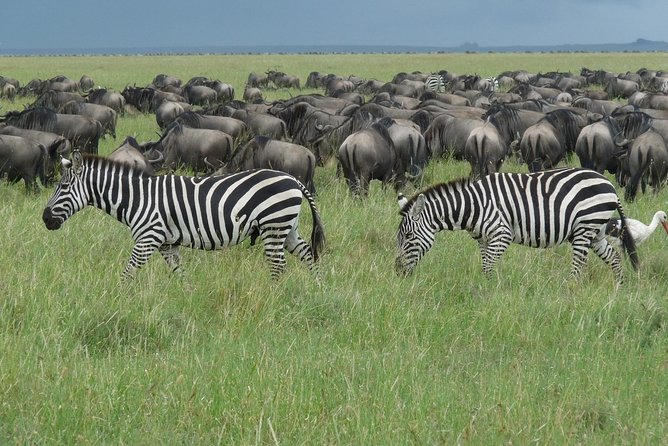
Reviewed · WILDEBEEST MIGRATION SAFARIS
Serengeti Wildebeest Migration.
The great draw here is the chance to follow the Serengeti migration from the elephant country of Tarangire to the Mara River and back through the park’s famous central plains. The itinerary gives you several days in the Serengeti, which matters because wildlife and wildebeest do not follow a tour schedule.
I like the private 4×4, with its pop-up roof, refrigerator, and charging stations. I also like the sensible route, which adds Tarangire and Ngorongoro Crater instead of making the whole trip about one hoped-for river crossing.
The main caution is pace. Long drives connect the northern and central Serengeti, and the trip is sold as both a 7-day safari and an 8-day package in different parts of the description. Confirm the exact overnight plan before paying.
Key points to know before booking
- River crossings are seasonal and uncertain: July and August offer the best chance around the Mara River, with September and October also important as herds move back.
- Private travel keeps the schedule flexible: Only your group takes part, and you travel in a private 4×4 with a pop-up roof.
- Guide Fredy is named in the trip details: He is identified as the guide who handled previous departures, with a personal chef also mentioned for budget camping arrangements.
- The route covers three major wildlife areas: Tarangire National Park, Serengeti National Park, and the Ngorongoro Conservation Area.
- The price includes much of the daily safari cost: Meals, mineral water, activities, the vehicle, and AMREF Flying Doctors emergency evacuation cover are included.
- The safari can feel rushed: The long transfer between northern and central Serengeti is necessary for the route, but it reduces time for unhurried wildlife viewing.
Following the migration from Moshi or Arusha
This safari begins with an 8am pickup from your hotel in Moshi or Arusha. The price is $4,185 per person, and the experience is private, so your group does not share the vehicle with other parties.
The private setup is one of the strongest reasons to consider it. You are not tied to the decisions of a large group, and the guide can shape the game drive around sightings, road conditions, and the movement of animals. That matters on migration trips, where a herd can be several hours away from yesterday’s position.
Your vehicle is a private 4×4 fitted with a refrigerator, portable charging stations, and a pop-up roof. The roof gives you a clear view while animals are nearby, and the refrigerator is useful during long drives and picnic lunches. Mineral water is supplied each day.
The package includes six breakfasts, seven lunches, and six dinners, along with all listed activities. International flights, alcoholic and soft drinks, tips, personal spending, travel insurance, and visa fees are extra. Visa fees are listed as $100 for American citizens and $50 for non-American citizens.
One detail needs clarification. The experience is described as an 8-day lodge safari, while the tour summary says 7 days and the daily plan runs from Day 1 through Day 7. Ask Bujo Tours to confirm the actual number of nights, lodge names, and final departure timing. That is a small booking step, but an important one for flights and hotel plans.
Other Serengeti itineraries out of Moshi:
- Safari Serengeti And Ngorongoro
★ 5.0 · 288 reviews - 5 Days Camping Tarangire, Serengeti & Ngorongoro crater & Visiting Maasai
★ 5.0 · 58 reviews - 4 Days Group Joining Camping Safari to Tarangire Serengeti Ngorongoro Crater
★ 5.0 · 50 reviews
Day 1: Tarangire’s elephants and giant baobabs
Your first drive covers about 150 kilometers from Arusha to Tarangire National Park, with the journey expected to take roughly three hours. The game drive continues until late afternoon, with a picnic lunch during the day.
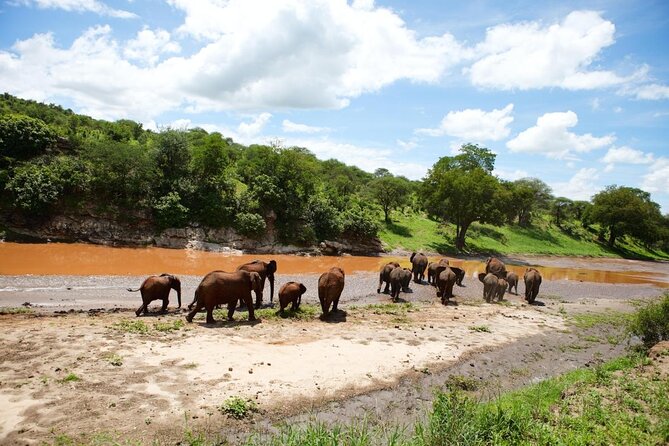
Tarangire is a smart opening stop. Its nine vegetation zones create a noticeably different setting from the open Serengeti plains, and the park is known for a high concentration of elephants. You may see elephant families interacting near the Tarangire River, which gives the first day a strong wildlife focus rather than treating it as a simple transfer.
The enormous baobab trees are part of the appeal. Their thick trunks and unusual shapes make the giraffes around them seem surprisingly small. The park covers about 3,000 square kilometers, so even this introductory day involves plenty of road time.
After the drive, you return to your camp or lodge for dinner. The plan is straightforward, but it is a full first day after a morning pickup. If you are arriving in Tanzania immediately before the safari, allow time to adjust to the early starts and long drives.
Days 2 and 3: Entering the Serengeti and heading north
After breakfast on Day 2, you head toward Serengeti National Park. The park covers about 14,763 square kilometers, and its name refers to endless plains. You will understand that description quickly, as the grassland stretches toward a distant horizon with little sense of where the park ends.
The first Serengeti route takes you toward the central Seronera area. Seronera is important because the Seronera River supplies water and draws a broad mix of wildlife. This is also a strong area for lions and leopards, and the granite kopjes provide shelter and lookout points in the grassland.
Expect about four hours at the main Serengeti stop on Day 2, followed by another four-hour portion focused on the Seronera region. These time blocks describe game-drive periods, not necessarily the full driving day, so your arrival and camp schedule may make the day feel longer.
Day 3 shifts north toward Kogatende. The route takes about eight hours, including a picnic lunch and game viewing along the way. The terrain changes from open grassland to more broken, hilly country, with woodlands in places.
Resident wildlife in the northern Serengeti includes zebra, topi, gazelle, buffalo, leopard, and lion. Depending on your arrival time, you may spend a few hours near the Mara River. This is the first point where the migration becomes the main target rather than simply one possibility among many.
The tradeoff is clear. The northern route improves your chances of reaching the Mara River during the migration season, but it costs a day in long-distance driving. You should see the transfer as part of the safari, not as wasted time, since animals can appear along the road. Still, anyone who dislikes long vehicle days should think carefully about this itinerary.
Day 4: Mara River country and the chance of a crossing
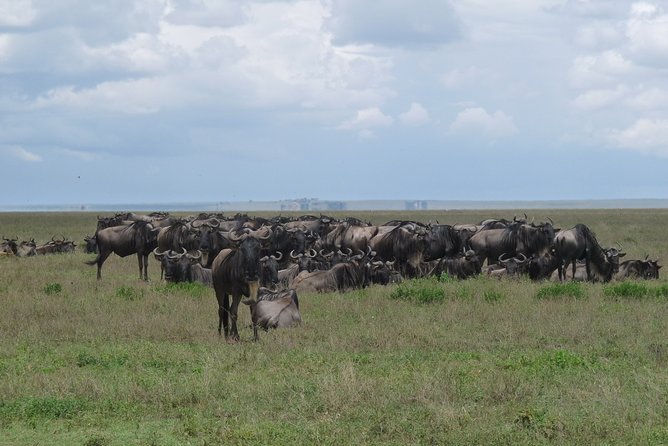
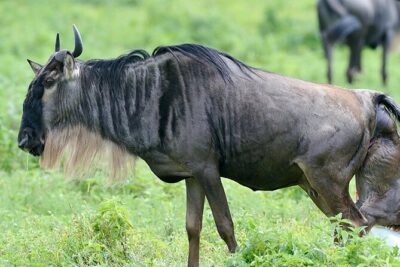
Day 4 is the emotional center of the trip. From mid-June through September, wildebeest may be found in the northern Serengeti, and the Mara River can produce the dramatic scenes associated with the Great Migration.
The herds move between Tanzania’s Serengeti and Kenya’s Masai Mara ecosystem in search of grass and safer calving areas. More than two million wildebeest, zebra, and gazelles take part in this broad seasonal movement, but the timing and location change constantly.
July and August are described as the strongest months for seeing crossings from the Serengeti toward the Masai Mara. September and October can be useful as the movement reverses. July also brings mating activity in the Serengeti, while the animals may move faster as they search for water and fresh grass.
A crossing is never promised. The animals may gather at the riverbank, wait, turn back, or cross at a different point. If they do enter the water, crocodiles and the force of the current add real danger. The scene can be difficult to watch, but it is nature without a tidy script.
The day also includes more general wildlife viewing. Lions, leopards, and cheetahs are common targets in the northern and central parts of the park, and permanent water sources can attract animals during the dry season. A picnic lunch is included during the game drive.
You should bring patience to this day. The most memorable sighting may take place after a long quiet wait, not during a carefully timed stop. A good guide can help you read the movement of the herds, but no guide can order a river crossing.
Other trips timed to the herds from Moshi:
- Great Migration Safari In Tanzania
★ 5.0 · 71 reviews - 6 Days Tanzania Budget Camping Safari with Migration
★ 5.0 · 31 reviews - 8 Days Great Wildebeest Migration – Mara River Crossing
★ 5.0 · 28 reviews - Tanzania Safari – The Great Migration in the North of the Serengeti and Lake Natron
★ 5.0 · 25 reviews
Day 5: Returning through Lobo to Seronera
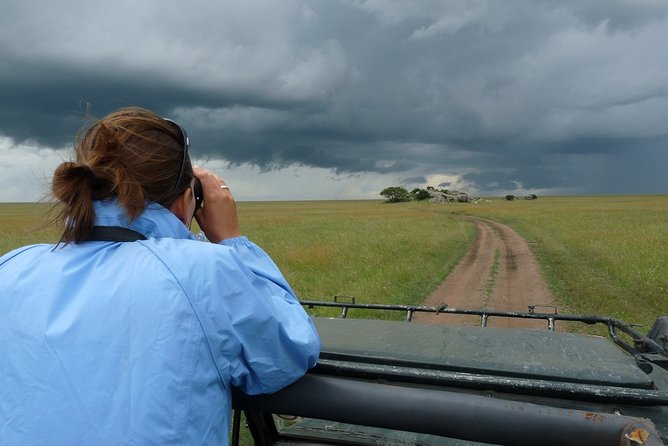
The route turns south on Day 5, taking about four hours to return toward central Serengeti. You pass through the northern Mara River area, the hills around Lobo, woodlands, and then the more open terrain around Seronera.
This return route gives you another view of the park rather than sending you over the same ground. The change in terrain can bring different sightings, and the drive itself may produce encounters with resident wildlife.
Back in Seronera, the focus returns to lion prides and the animals drawn to the Seronera River. The central Serengeti is useful for this part of the trip because it offers wildlife at different times of year, not only during the migration.
A picnic lunch is taken during the drive, followed by dinner and another night at your accommodation. The structure is practical, but the day is still largely a transfer with game viewing along the way. If you hoped for another full day at the Mara River, this southbound movement may feel too quick.
Day 6: A short Serengeti drive before Ngorongoro
Day 6 begins at about 9am with a shorter Serengeti game drive after breakfast. After a picnic lunch, you leave the park for the Ngorongoro Crater rim.
The drive to the rim is about 75 kilometers and takes roughly two and a half hours. Wildlife may appear along the route, but this is mainly a transition from the open Serengeti to the high rim of the Ngorongoro Conservation Area.
Ngorongoro is one of Africa’s major geological sights. The crater is an inactive, intact, unfilled volcanic caldera, with a floor of about 260 square kilometers and walls more than 2,000 feet deep. Arriving at the rim gives you a sharp change of scale and setting after several days on the plains.
The schedule is well judged in one respect: you sleep near the crater before descending. That allows an early start on Day 7 instead of making the descent after a long drive from the Serengeti.
Day 7: Five hours on the Ngorongoro Crater floor
The final day starts early, with breakfast and a descent at about 6:30am. The crater floor game drive lasts roughly five hours, with a picnic lunch at the hippo pool.
Ngorongoro is known for a strong concentration of wildlife in a contained area. The planned sightings include elephant, buffalo, black rhino, hippopotamus, hyena, cheetah, and lion. No wild animal sighting is guaranteed, but the crater’s permanent water and enclosed setting give this day a clear purpose.
The crater floor can feel like a final wildlife showcase after the wider Serengeti. You are no longer scanning huge open plains for distant movement. Instead, the day focuses on a compact area where several major species may be seen during one drive.
After lunch, you make the steep climb to the crater rim. The itinerary ends after the ascent, so confirm where the final overnight or drop-off takes place. The supplied plan does not spell out that final transfer.
What the $4,185 price includes
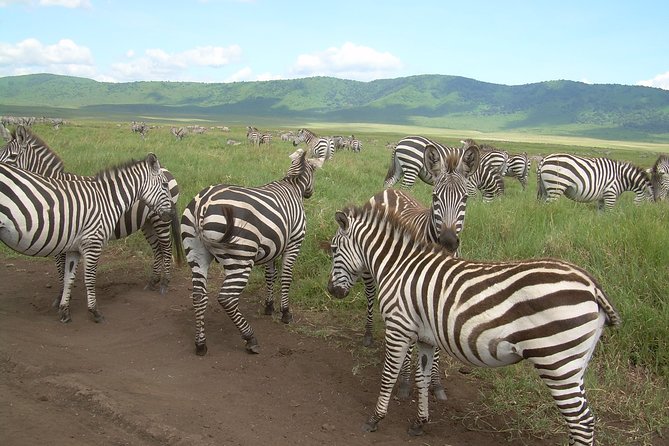
At $4,185 per person, this is not a budget safari. Its value depends on how much you want a private vehicle, several Serengeti days, and a route that includes both the northern migration zone and Ngorongoro.
The package includes:
- Private 4×4 transport
- Pop-up roof, refrigerator, and portable charging stations
- All listed safari activities
- Mineral water each day
- Six breakfasts
- Seven lunches
- Six dinners
- AMREF Flying Doctors emergency evacuation cover
That list covers many of the costs that can make a safari expensive once you add them separately. Private transport is especially important here because the itinerary involves long movements between Tarangire, central Serengeti, northern Serengeti, and Ngorongoro.
You still need to budget for international flights, alcoholic and soft drinks, guide tips, souvenirs, personal expenses, travel insurance, and visas. The price also does not tell you which lodges are used, so ask for the accommodation list before booking. Lodge quality can change how good this value feels.
Comfort, pace, and the guide
This is a private activity, and most people can participate according to the supplied details. Pickup is offered from Moshi or Arusha at 8am.
Guide Fredy is named as the guide for previous departures. He is described as handling the trip from start to finish, including the practical details that can make a first safari less stressful. A personal chef is also mentioned in connection with budget camping arrangements, though this particular package is presented as a lodge safari, so confirm whether a chef is part of your booking.
The trip has a strong reputation for taking care of the moving parts. That is useful for a first safari, especially when you are changing areas and spending long hours in the vehicle.
The pace is the weakness. One detailed account describes the route as a little rushed at times, and that is easy to understand from the plan. The drive from the Mara River region back to Seronera takes about four hours, while the move north toward Kogatende takes most of a day.
If you want the best chance of a crossing, accept the long drives as part of the cost. If you prefer slow mornings and repeated time at one camp, a shorter route based in one Serengeti region may suit you better.
Booking details that matter
Confirmation is provided when you book. Cancellation is free up to 24 hours before the experience begins, with a full refund. Cancellations or changes made within 24 hours are not refunded or accepted, based on local start time.
The start time is 8am, and the pickup area is Moshi or Arusha. Since the itinerary is described in both 7-day and 8-day terms, confirm these points in writing:
- Exact number of nights
- Lodge names and locations
- Final drop-off details
- Whether the package includes any camping support
- The route planned for your travel month
That last question matters most. A migration safari is not one fixed event. The best route depends on the month, recent rainfall, and where the herds have moved.
Who should book this safari?
I would choose this trip if you want a private safari with several days devoted to the Serengeti and a real attempt to reach the Mara River. It also suits a first safari, since Tarangire, Serengeti, and Ngorongoro provide a broad introduction to northern Tanzania.
The route is a good fit for anyone who wants more than the Big Five. You get baobabs and elephant families in Tarangire, kopjes and lion country in Seronera, northern terrain around Kogatende, possible migration activity near the Mara River, and crater wildlife at the end.
I would hesitate if you have limited tolerance for long drives or need a confirmed river crossing. The crossing is seasonal, not guaranteed, and the itinerary covers a large area in a short period.
Should you book it?
Book this safari if your priority is a serious chance at the Serengeti migration, supported by a private vehicle and a route that also includes Tarangire and Ngorongoro. The included meals, water, vehicle equipment, and emergency evacuation cover add useful value to the $4,185 price.
Before committing, confirm the 7-day versus 8-day wording and ask for the lodge plan. If you are comfortable with long driving days and uncertain wildlife timing, this is a strong all-round Tanzania safari. If you want a slower holiday, choose a plan with fewer regions and more nights in one camp.
FAQ
Where does the safari start?
Pickup is offered from hotels in Moshi or Arusha. The listed start time is 8am.
How long does the safari last?
The tour summary describes an approximate 7-day experience, while the package is also called an 8-day safari. The daily plan runs from Day 1 through Day 7, so you should confirm the exact duration and number of nights with Bujo Tours.
What is the price?
The listed price is $4,185 per person.
Is this a private tour?
Yes. Only your group takes part, and transport is provided in a private 4×4 vehicle.
When is the best time for a river crossing?
The strongest chance is around July and August as herds move from the Serengeti toward Kenya’s Masai Mara. September and October can also be important as the migration moves back. A crossing is never guaranteed.
What parks and protected areas are included?
The route includes Tarangire National Park, Serengeti National Park, and the Ngorongoro Conservation Area.
What meals are included?
The package includes six breakfasts, seven lunches, and six dinners. Picnic lunches are used during several full-day drives.
Is drinking water provided?
Yes. Mineral water is included on all days of the safari.
What costs are not included?
International flights, alcoholic and soft drinks, safari guide tips, personal expenses, souvenirs, travel insurance, and visa fees are not included. Visa fees are listed as $100 for American citizens and $50 for non-American citizens.
Just added in Moshi
- Wildlife Extravaganza: Manyara, Tarangire & Ngorongoro in 3 Days★ 5.0 · 3 reviews
- machame route★ 5.0 · 16 reviews
- West Kilimanjaro cycling Adventures★ 4.5 · 8 reviews
- Kilimanjaro Climb • Machame Route ~ 10 Day★ 5.0 · 6 reviews
- Kilimanjaro Climbing Umbwe Route★ 5.0 · 3 reviews
- Mt Kilimanjaro 6 days Marangu route hike★ 5.0 · 3 reviews
- 3 Days Private E-Bike Tour in West Kilimanjaro★ 5.0 · 3 reviews
- Private Cycle to Kilimanjaro Bike Park Safari★ 5.0 · 6 reviews
Wildebeest Migration Safaris, compared.
8 Days Great Wildebeest Calving Migration Safari from Arusha
Read our review →
10-Day Serengeti Wildebeest Migration Safari from Arusha
Read our review →
8 Day Spectacular Migration Serengeti mid -Range Tanzania Safari
Read our review →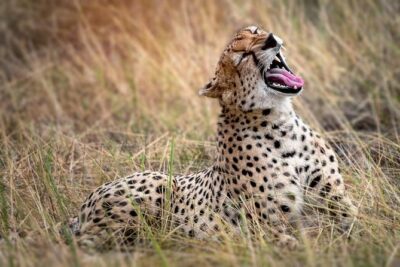
9-Day Serengeti Migration Footsteps Tanzania Safari
Read our review →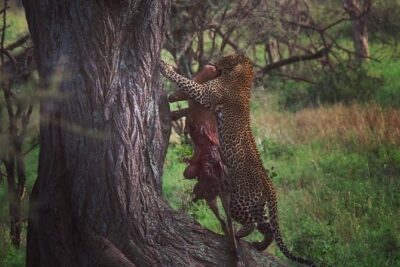
Private 6-Day Great Migration Ndutu Serengeti Safari Tour
Read our review →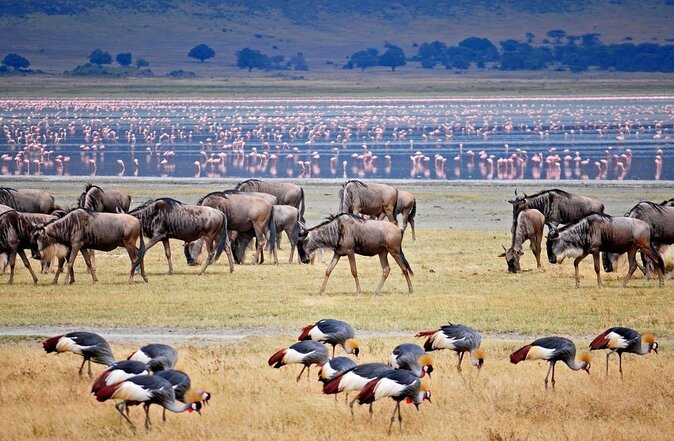
4 Day Great Migration Safari Serengeti & Ngorongoro Crater
Read our review →Browse the lists this tour appears in