
Reviewed · WILDEBEEST MIGRATION SAFARIS
7 days great migration safari
Lake Natron gives this safari its special edge. Instead of heading straight from Arusha into the usual park circuit, you first follow the Rift Valley Escarpment to a soda lake where thousands of flamingos breed beneath Ol Doinyo Lengai, the Masai holy mountain. From there, you track north into the Serengeti, then work south through the Ngorongoro Crater and Lake Eyasi.
I like the private vehicle, which gives your group more room to set the pace, and I like the mix of wildlife and living culture. You get several days in excellent game country, plus a guided walk near Natron and a chance to meet Hadzabe and Datoga communities around Eyasi.
The tradeoff is time on rough, long roads. This is a full safari, not a relaxed lodge holiday. The route covers a lot of ground, and the price of $4,514 per person makes the most sense if you value private transport, full-board meals, park access, airport transfers, and several very different regions in one trip.
Key things to know before booking
- Lake Natron starts the safari with flamingos, a waterfall option, and a quieter Rift Valley setting.
- Northern Serengeti offers migration country and strong resident wildlife around Lobo.
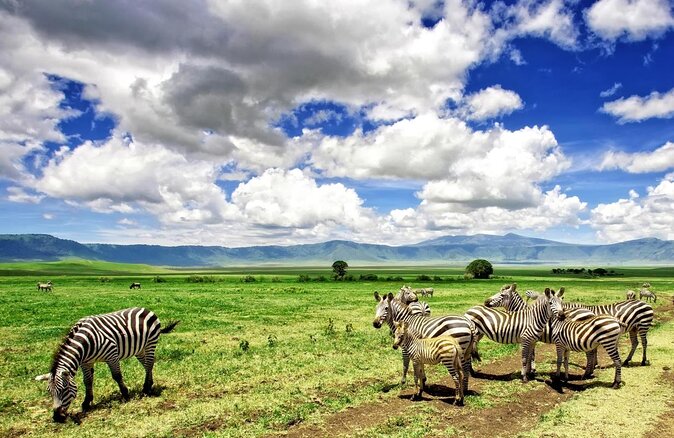
- Central Serengeti adds year-round chances for lions, cheetahs, leopards, hyenas, and plains animals.
- Ngorongoro Crater is your best concentrated wildlife day, with a chance at the Big Five and black rhinoceros.
- Lake Eyasi brings a cultural encounter with Hadzabe hunters and Datoga pastoralists.
- The private format, included meals, accommodation, guide, vehicle, and transfers make this easier to manage than arranging each piece yourself.
Why Lake Natron makes this route different
Many northern Tanzania safaris begin with the main parks. This one takes you away from the most familiar route on its first morning, heading north from Arusha along the Rift Valley Escarpment. You pass through Masai country before the outline of Ol Doinyo Lengai appears in the distance.
That mountain is sacred to the Masai and gives the first day a strong sense of place. You are not simply driving between parks. You are seeing how the volcanic Rift Valley shapes the villages, roads, mountains, and lakes around it.
At Ngare Sero, a small Masai village, you take a guided bush walk toward Lake Natron. The shore can look pink when flamingos gather in large numbers to breed in the alkaline water. It is a striking scene, but it is also a wild setting, so bird numbers and conditions can vary.
You also have the option of walking to a nearby waterfall for a refreshing bath. This choice gives the first day some flexibility. Pick Natron if birds and open scenery are your priority. Choose the waterfall option if you want a more active break after the drive.
The overnight stay is at Lake Natron Tented Camp. Breakfast, a picnic lunch, and dinner are included. Because the day begins with pickup from your lodge or hotel after breakfast, this is a long opening day, but it sets up the rest of the route well.
Other park itineraries that start in Arusha:
- Serengeti Balloon Safari and authentic bush breakfast
★ 5.0 · 2,480 reviews - Balloon Safari & Bush Breakfast in Serengeti – Miracle Experience
★ 5.0 · 1,646 reviews - 4 Days Group Camping Safari
★ 5.0 · 1,101 reviews
Day two: climbing toward Lobo in Northern Serengeti
The road leaves Lake Natron early and climbs through a series of winding turns. You get one last look over the lake before leaving the Rift Valley behind, then continue through Wasso toward Northern Serengeti.
Entry is planned through Kleins Gate around midday, followed by a first game drive in the Lobo area. This timing matters. You do not spend the entire day simply transferring between places. The park begins to unfold as soon as you enter it.
Lobo has permanent springs, open grassland, and rocky kopjes. Those conditions support a good mix of animals, including lions, leopards, buffaloes, elephants, giraffes, and zebras. The area can be particularly appealing from October through December, when wildebeest may be moving back toward the southern plains.
Your overnight base is Lobo Wildlife Lodge, with a picnic lunch and dinner included. Two nights in the Lobo area are useful because you are not forced to pack up and leave after one brief game drive.
Two nights in Lobo and the great migration question
The phrase great migration can create unrealistic expectations. No safari can promise a river crossing, a particular herd, or a precise animal sighting. The herds move with rain, grass, and water, and the best area changes through the year.
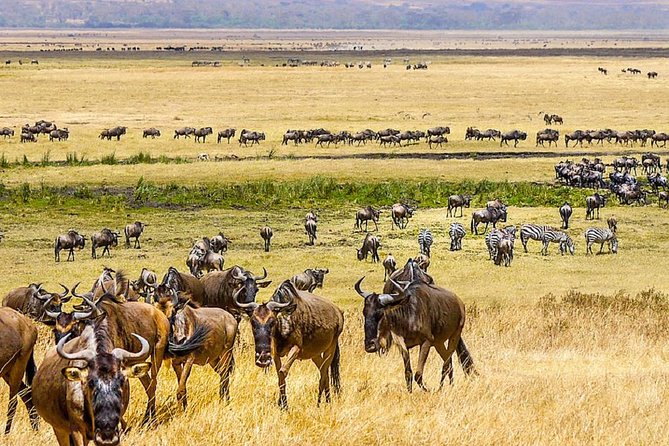
This route gives you a reasonable chance of seeing migration activity in Northern Serengeti during the dry season, with October through December specifically identified as a period when large wildebeest herds may cross back toward the southern plains. It also gives you strong resident wildlife, so the trip is not dependent on one dramatic event.
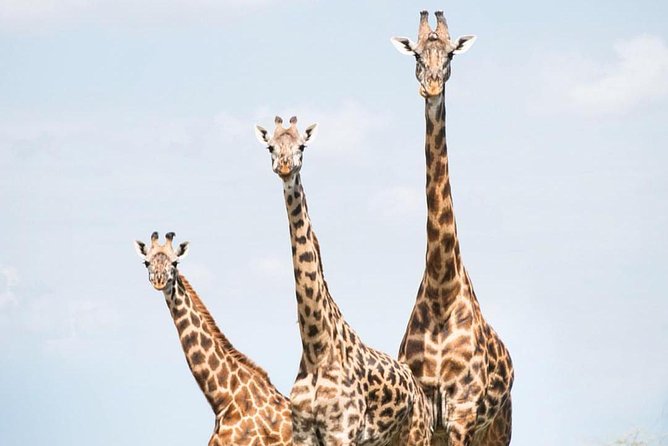
Day three is devoted to Northern Serengeti. The area is less developed than the most visited sections farther south, and the open country can feel wonderfully remote. Along with wildebeest and zebra, you might find lion, elephant, hippo, giraffe, crocodile, and the uncommon oribi antelope.
That range is one of the tour’s strengths. You are not only chasing a famous migration image. You are spending real time in a large wilderness area where animals live throughout the year.
The downside is distance. Northern Serengeti is far from Arusha and from the crater, so the road days are unavoidable. If you dislike long drives, consider that carefully before booking. If you want a broad safari route rather than one park with short transfers, the distance is part of the appeal.
Day four: following the wildlife through Seronera
Day four shifts you toward Central Serengeti and the Seronera Valley. The plan allows a relaxed morning drive before a full day of wildlife watching, giving you another chance to look for animals rather than rushing directly to the next lodge.
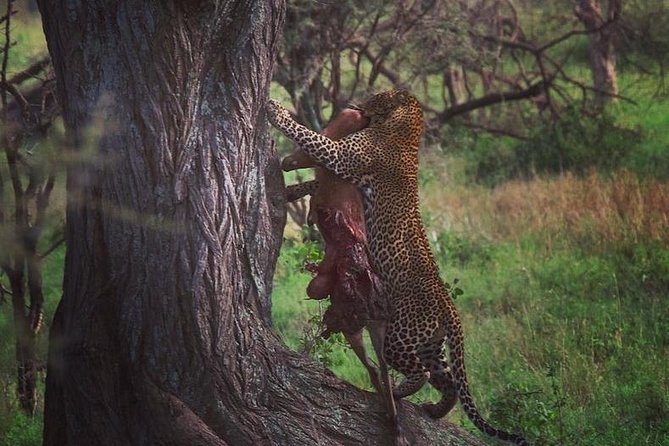
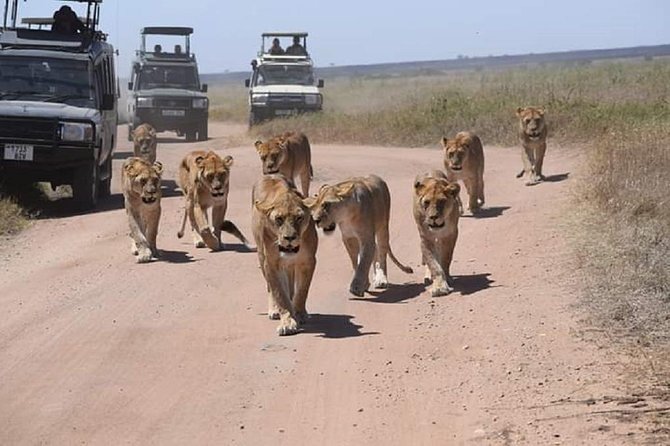
Seronera is a reliable all-year wildlife area. You may see cheetahs, hyenas, leopards, and lions, along with buffaloes, giraffes, hippos, impalas, topi, warthogs, and zebras. The variety is important because sightings here do not depend entirely on the migration calendar.
This is also where a good driver-guide matters. Estomih is repeatedly praised for patience, plant and wildlife knowledge, and careful animal finding. Simon, sometimes called Safari Monster, is also noted for spotting animals, safety, and photography help. Christian and Isaac have been singled out for adapting to group interests and working hard to find less obvious species.
You cannot select a specific sighting, but your guide can help you understand what you are seeing. A small detail such as the difference between a Grant gazelle and a Thomson gazelle turns a quick animal encounter into a lesson. The Thomson gazelle has a thin black stripe below its paler brown side marking, while its tail is entirely black. The Grant gazelle has a larger white rump extending farther up the back.
Day four is listed as roughly 12 hours, so expect a long outing. Bring water, sun protection, and patience. Safari days often reward the people willing to wait quietly when the first sighting seems ordinary.
Other safaris people book out of Arusha:
- 5 Days Group Camping Safari
★ 5.0 · 730 reviews - 3 Days Serengeti & Ngorongoro Group Camping Safari
★ 5.0 · 574 reviews - 7-Day Premium Luxury Tanzania Safari All-Inclusive
★ 5.0 · 426 reviews - 3-Day Classic Serengeti Safari
★ 5.0 · 263 reviews
Day five: from Serengeti to the Ngorongoro rim
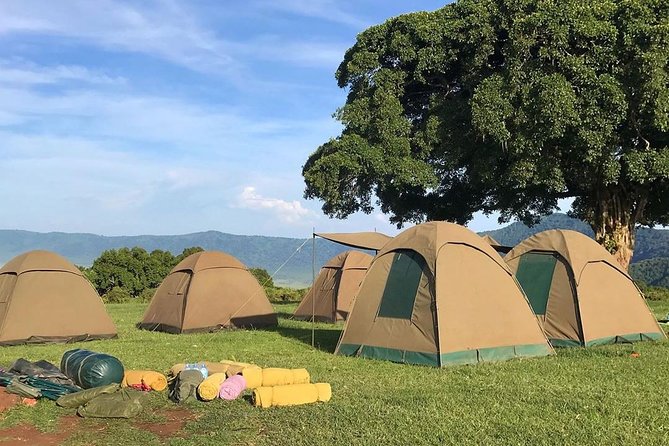
You get another game drive in Serengeti before heading toward the Ngorongoro Conservation Area. The move from open plains to crater country changes the feel of the trip. By evening, you stay on the crater rim with a view down into the enormous bowl below.
The Ngorongoro Conservation Area covers 8,292 square kilometres and includes nine craters. The region is also home to Masai communities, who continue to live there alongside wildlife. Your guide can explain how the conservation area differs from Serengeti National Park and why people live in one area but not the other.
This is an important cultural detail, not a side note. The route gives you more than animals and scenery. It also shows a place where conservation and pastoral life exist in the same region, though the relationship is complex and worth listening to carefully.
The crater-rim lodging is a major practical advantage. You avoid a long return drive after descending into the crater, and the view gives this overnight a sense of occasion. The day is again planned at around 12 hours, with breakfast, lunch, and dinner included.
Day six: down into Ngorongoro Crater
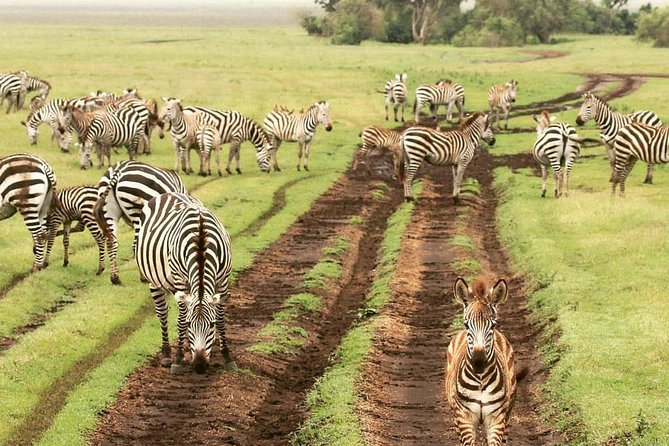
After breakfast, you follow the crater rim to Seneto Gate and descend onto the crater floor. The road is described as adventurous, and the first view from above is one of the great visual moments of this safari.
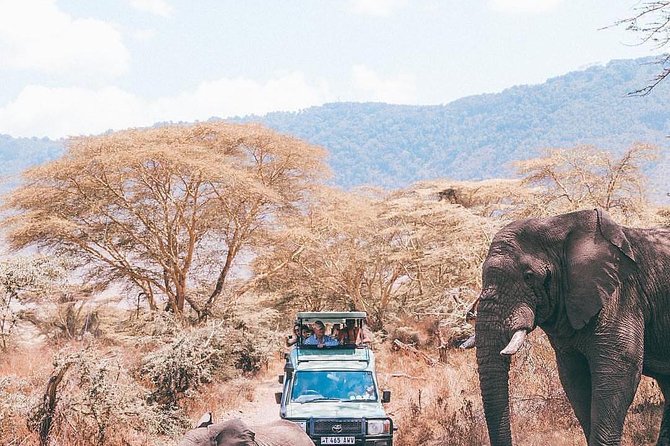
The crater has dependable water, which helps support a large concentration of wildlife. You might see buffalo, elephant, leopard, lion, and black rhinoceros, the animals commonly known as the Big Five. The crater is identified as one of only two places in Tanzania where black rhinos can still be seen, although no wildlife sighting is guaranteed.
Animal numbers shift with the seasons. Wildebeest and zebra increase during the dry season, while elands, elephants, and waterbucks become more numerous during the wet season. That seasonal change is worth remembering when you compare dates.
The crater is not a zoo. Animals move in and out, and the area can feel busy when many vehicles gather around a popular sighting. Even so, the reliable water and enclosed shape make this one of the strongest wildlife portions of the week.
The supplied schedule labels day six Lake Eyasi, but the detailed plan describes a full Ngorongoro Crater visit. In practical terms, you should expect day six to focus on the crater, with the Eyasi visit following on day seven.
Day seven: Lake Eyasi and a different kind of safari
Lake Eyasi sits in the southwest of the Ngorongoro Conservation Area. It is another soda lake, fed by the Sibiti and Baray Rivers, but the experience here is less about photographing animals and more about meeting people whose daily lives remain closely tied to older traditions.
The Hadzabe and Datoga communities live in the area. The Hadzabe continue a hunting and gathering way of life, while the Datoga are pastoralists. A village visit may include time in homes, discussion of family structure, traditional dances, and a closer look at daily routines.
You should approach this part with respect and an open mind. It is not a staged wildlife show, and it should not be treated like a quick photo stop. The value comes from listening, asking appropriate questions, and allowing the visit to be about people rather than collecting images.
The day is planned at around nine hours before returning toward Arusha. That makes Lake Eyasi a meaningful final stop, though it also means the last day is not a light transfer day. Confirm the exact return point and timing when you book, since the summary identifies Arusha as the endpoint but does not give a precise arrival time.
Accommodation, meals, and what the price covers
At $4,514 per person, this is a substantial purchase. The value depends on how much of the trip you would otherwise need to arrange separately.
The price includes private transportation, a professional driver-guide, roundtrip airport transfer, the listed accommodation, all stated activities, park and activity fees, camping equipment, binoculars, breakfast for seven days, lunch for seven days, and dinner for six days. The package also includes pickup from the airport on the first day or the day before the tour.
Those inclusions remove several common safari expenses. You do not have to compare separate park transfers, guide hire, meals, or airport transport. The private format also matters if you want your own group in the vehicle rather than sharing every drive with strangers.
The accommodation quality may vary by location. The experience is lodge based, with Lake Natron Tented Camp and Lobo Wildlife Lodge named in the schedule, and a stay on the Ngorongoro rim. The supplied information does not promise a particular room category or luxury level, so ask about the exact properties and any optional upgrade before paying.
There is no restroom on board. That is a small detail with a big effect during long drives. Use facilities whenever you stop, and expect the route to include extended stretches between towns and camps.
Who will like this seven-day route
I would choose this safari if you want a private, full-service trip with a broad range of scenery and experiences. It suits first-time safari visitors who want the main northern Tanzania highlights but also want something beyond the standard Serengeti and crater circuit.
It is also a good fit if you care about guide quality. The strongest praise attached to this operation centers on guides such as Estomih, Simon, Christian, Isaac, Jonathan, and Innocent, with repeated attention to patience, animal spotting, safety, photography help, and care for the group.
Families and older visitors can benefit from having private transport and a single operator handling the schedule. Still, the long drives and 12-hour game-drive days require stamina. Two couples in their seventies have completed comparable trips with the company, but your own comfort with rough roads and long vehicle hours should guide the decision.
I would hesitate if you want a slow, luxury-focused holiday with short transfers. I would also hesitate if your only goal is a guaranteed wildebeest river crossing. Migration timing is natural and changeable, and the route offers much more than one headline event.
The tour offers free cancellation up to 24 hours before the start time. Changes or cancellations inside that window are not accepted for a refund. Poor weather or failure to reach the minimum number of participants can lead to a different date, another experience, or a full refund.
Should you book it?
Book this safari if you want one private seven-day circuit that combines flamingos at Lake Natron, Northern and Central Serengeti wildlife, Ngorongoro Crater, and an important cultural visit at Lake Eyasi.
The route is ambitious, and its long drives are real. But you get more variety than on a basic park-only trip, along with meals, lodging, airport transfers, a guide, a private vehicle, binoculars, and park fees in one price. Ask about the assigned guide, exact lodging, final Arusha timing, and the seasonal migration position before you confirm.
If those details suit you, this is a strong choice for a first Tanzania safari or for anyone who wants the famous parks with a less usual opening and closing chapter.
FAQ
Where does the safari begin?
The safari begins in Arusha, Tanzania. Pickup from the airport on the first day or the day before the tour is included.
How long does the experience last?
The safari lasts approximately seven days.
Is this a private tour?
Yes. Only your group participates in the private activity.
What time does the tour start?
The stated start time is 7:30 am.
Which major places does the safari visit?
The route includes Lake Natron, Northern and Central Serengeti, Ngorongoro Crater, Lake Eyasi, and Arusha.
Are meals included?
Yes. The package includes seven breakfasts, seven lunches, and six dinners.
Is accommodation included?
Yes. All accommodation mentioned in the program is included unless clearly marked as an optional upgrade.
Are airport transfers included?
Yes. Roundtrip airport transfer is included.
What is not included?
International flights, tips and gratuities, personal items, and use of a restroom on board are not included.
More migration safaris from Arusha
- 8 Days Great Wildebeest Calving Migration Safari from Arusha
★ 5.0 · 254 reviews - 10-Day Serengeti Wildebeest Migration Safari from Arusha
★ 5.0 · 218 reviews - 8 Day Spectacular Migration Serengeti mid -Range Tanzania Safari
★ 5.0 · 161 reviews - 9-Day Serengeti Migration Footsteps Tanzania Safari
★ 5.0 · 96 reviews
Just added in Arusha
- 2-Day Private Luxury Safari from Zanzibar with Flights★ 3.2 · 5 reviews
- 7-Day Private Tanzania Safari with Sunset Walking on the Crater Rim and Maasai★ 5.0 · 40 reviews
- Saadani Day Trip★ 5.0 · 13 reviews
- Nyssa Luxury Balloon in Safaris and Serengeti★ 5.0 · 69 reviews
- Arusha National Park Day Trip★ 4.5 · 18 reviews
- Arusha National Park Private Safari★ 5.0 · 59 reviews
- 3 Days Serengeti & Ngorongoro Tour★ 5.0 · 22 reviews
- 8 Days Mountain Kilimanjaro Lemosho Route★ 5.0 · 22 reviews
Wildebeest Migration Safaris, compared.
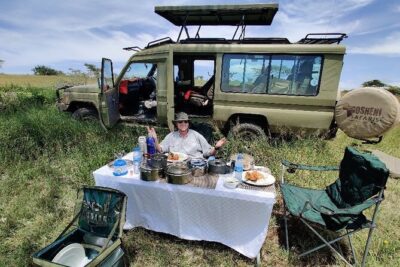
8 Days Great Wildebeest Calving Migration Safari from Arusha
Read our review →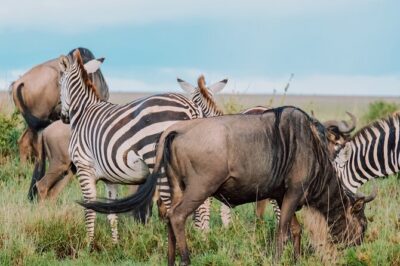
10-Day Serengeti Wildebeest Migration Safari from Arusha
Read our review →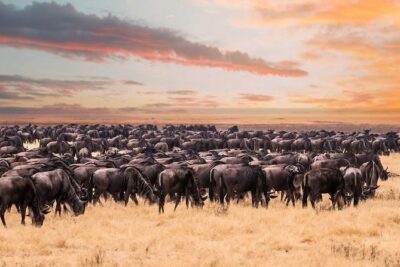
8 Day Spectacular Migration Serengeti mid -Range Tanzania Safari
Read our review →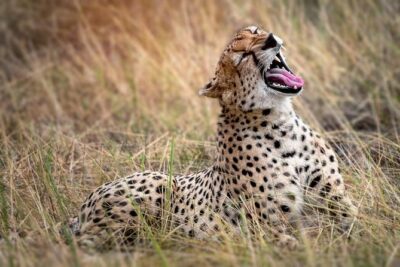
9-Day Serengeti Migration Footsteps Tanzania Safari
Read our review →
Private 6-Day Great Migration Ndutu Serengeti Safari Tour
Read our review →
4 Day Great Migration Safari Serengeti & Ngorongoro Crater
Read our review →
6 Days Tanzania Budget Camping Safari with Migration
Read our review →Browse the lists this tour appears in