
Reviewed · STONE TOWN TOURS
Stone Town and Spice Tour in Zanzibar
Stone Town and spices are two of Zanzibar’s defining experiences, and this five-hour tour links them neatly. You begin among the city’s old lanes, slave-trade sites, markets, gardens, and landmarks, then ride to Jambo Spice Farm in Kizimbani for a hands-on look at the crops behind Zanzibar’s famous nickname.
I like the private transport, which saves you from arranging a separate ride to the farm. I also like the chance to learn from local guides such as Mohamed, Ali, and Sayafri, whose talks focus on Swahili culture, coastal history, and the slave trade. The main consideration is time: Stone Town has a lot to absorb, and six stops plus the farm can feel brisk.
Key points at a glance
- A city-and-countryside pairing: See Stone Town in the morning, then travel about 6 to 7 kilometers to Kizimbani for the spice farm.
- Strong historical focus: The Old Slave Market and Anglican Cathedral provide the most serious and important part of the city visit.
- Local guides matter here: Mohamed, Ali, and Sayafri are named by past customers as friendly, clear, and especially good at explaining Zanzibar’s past.
- Private group format: Only your party takes part, with private transport included.
- Five hours with many stops: You cover six places, so expect an efficient introduction rather than a slow, detailed study of every site.
- Watch the extra costs: The spice-farm admission is included, but the slave-market entry fee is $8 and lunch is optional at an additional charge.
Why this combination works in Zanzibar

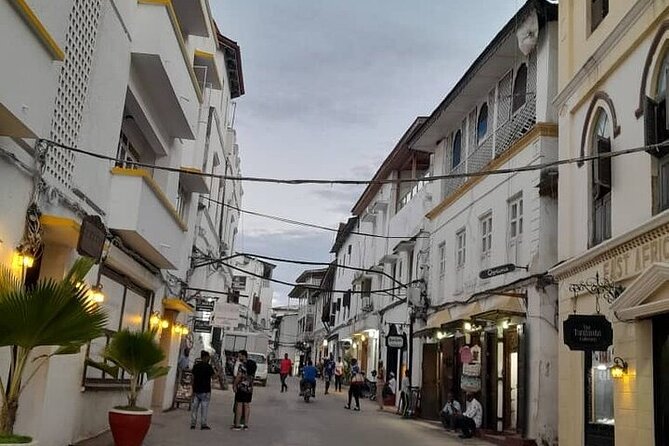
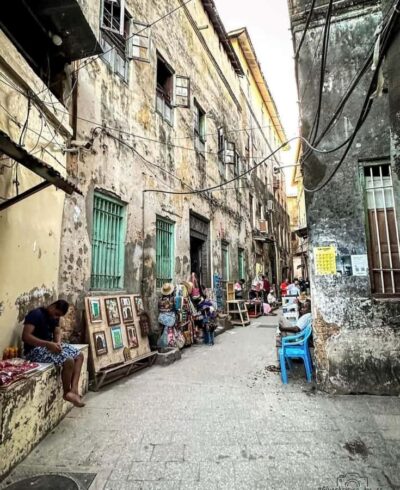
Stone Town and the spice farms tell different parts of the same Zanzibar story. The old city shows how trade, religion, colonial rule, and the slave trade shaped the island. The farm takes you outside the stone buildings and into the agricultural world that made Zanzibar famous for cloves and other spices.
I like this pairing because it avoids making your day only about monuments. You get streets, markets, coastal landmarks, and a working farm in one outing. The private vehicle also makes the change of scene simple, especially if you do not want to arrange transport on your own.
The tour begins at 8:30 am at the Old Fort on Mizingani Road. It ends back at the same meeting point. Since the scheduled city stops and the two-hour farm visit fill most of the stated five-hour duration, you should arrive ready to keep moving.
The pace is a practical compromise. You see a good range of Stone Town, but this is not designed for long museum visits, extended shopping, or unhurried photography at every doorway. If you want a broad first look at Zanzibar, the schedule works well. If you prefer to linger, you may want to return to Stone Town on another day.
More of the old town on foot from Zanzibar:
- Zanzibar: Stone Town, Spice Tour, Prison Island with Lunch
★ 4.4 · 1,219 reviews - Zanzibar: Prison Island, Stone Town, & Spice Farm Tour
★ 4.5 · 579 reviews - Zanzibar: Stone Town, Spice tour & Prison Island with Lunch
★ 4.6 · 453 reviews
The Old Slave Market and Anglican Cathedral
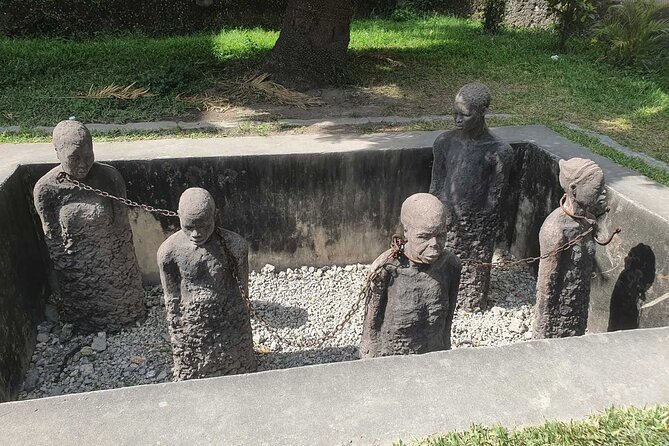
The first stop deals with one of Zanzibar’s most difficult subjects. The old slave market was one of the largest slave markets in the world, and the site now includes the Anglican Cathedral. This is not a light sightseeing stop, but it gives important context for understanding Zanzibar’s role in Indian Ocean trade and the coastal history of East Africa.
You have about 50 minutes here. That is enough time for a serious introduction, though the admission ticket is not included in the tour price. The separate entry fee is listed as $8, so budget for it if you want to go inside.
This is the place where an informed guide can make a major difference. Guides named Mohamed, Ali, and Sayafri have been praised for explaining the slave trade, Bantu history, and the people of the coastal zone in clear terms. The exact guide is not guaranteed in the tour information, but the repeated praise for these guides suggests that the human explanation is a major part of the experience.
I would not rush this stop. Listen carefully, ask questions, and allow the subject its proper weight. The cathedral and market site are not simply old buildings to photograph. They connect Stone Town to a painful system that affected East Africa and the wider Indian Ocean world.
Darajani Bazaar and the working side of Stone Town
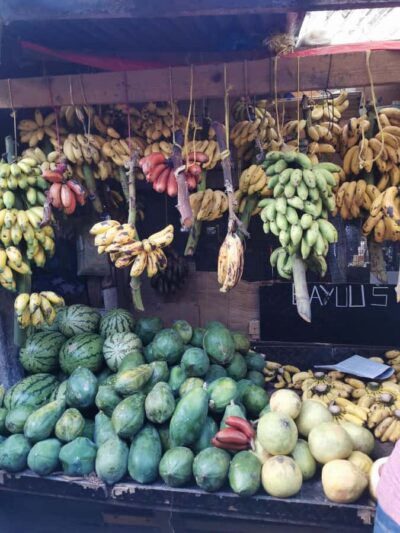
The 40-minute visit to Darajani Bazaar shifts the mood from formal history to everyday commerce. The market was built by Bomanjee for Sultan Ali and mainly sells food, including seafood, meat, grains, and spices.
This is a useful stop because it shows Stone Town as a living city, not an open-air museum. You will see the goods that feed local households and the produce that still connects Zanzibar to its trading past. The market is also a natural place to notice the smells, colors, and sounds of daily life.
Keep your expectations practical. Forty minutes is enough for a walk through the market, but not for a relaxed meal or a long shopping session. This is a food market rather than a polished souvenir hall, so you should be comfortable with a straightforward local setting.
The guide’s role is useful here. Market details can pass quickly if you are on your own, while a local guide can explain what you are seeing and point out the importance of grains, seafood, meats, and spices in the city’s daily routine.
Forodhani Gardens and the House of Wonders
Forodhani Gardens receives about 30 minutes. This historic garden faces the waterfront and offers a different view of Stone Town from the narrow market lanes.
You also see the House of Wonders from this part of the route. The building is one of Stone Town’s best-known landmarks, although the tour details do not promise an interior visit. Treat this stop as an opportunity to take in the setting and hear more about the city’s public spaces and royal-era buildings.
Half an hour is a sensible amount of time for this stop within a packed morning. You can enjoy the view, take photographs, and stay close to the guide before moving on. If you want a long pause by the water, the schedule may feel short.
Forodhani also helps break up the heavier historical material. After the slave-market visit and the market walk, the gardens offer room to breathe before the route continues through the city.
Other spice farm visits from Zanzibar:
- Full-Day Private Stone Town +Spice Farm and Prison Island Tour
★ 4.5 · 216 reviews - Spice Tour + Stone Town Tour + Prison Island
★ 4.5 · 130 reviews - Zanzibar: Spice Tour & Stone Town Walking Tour
★ 4.8 · 115 reviews - Zanzibar: Stone Town & Spice Farm Tour with Lunch
★ 4.5 · 97 reviews
Freddie Mercury Museum and Shangani Street
The tour then turns to one of Zanzibar’s most recognizable modern connections. Freddie Mercury was born in Zanzibar, and this stop includes the Freddie Mercury Museum and Shangani Street.
The scheduled time is 40 minutes. The supplied details describe a chance to visit his house and the museum area, but they do not specify a separate museum admission charge. You should confirm the exact entry arrangement when booking or before the visit if seeing the interior is important to you.
This stop adds a personal and cultural note to the tour. Stone Town is not only about sultans, trade, and colonial buildings. It is also linked to a globally known musician whose early connection to Zanzibar remains part of the city’s identity.
Shangani Street gives you more of the old city’s street setting at the same time. I like the contrast between the serious history earlier in the morning and this more recent, popular connection. Still, the stop is brief, so do not expect a full music-focused museum tour with extensive free time.
The Old Fort, or Ngome Kongwe
The Old Fort is both the meeting point and one of the listed sightseeing stops. Also called the Arab Fort, it is described as the oldest building in Zanzibar and one of the island’s main attractions.
The formal stop lasts about 20 minutes. That is enough to look around and hear the basic story, but the site deserves more time if you want to examine every corner. Since you begin here, you may get a first look before the main route and another short visit later.
The fort’s location on Mizingani Road makes it a convenient starting place. You do not need to search through the lanes for a difficult meeting point. The tour ends back at the Old Fort as well, which makes the arrangement easy if you are staying nearby or using it as your Stone Town reference point.
Two hours at Jambo Spice Farm in Kizimbani
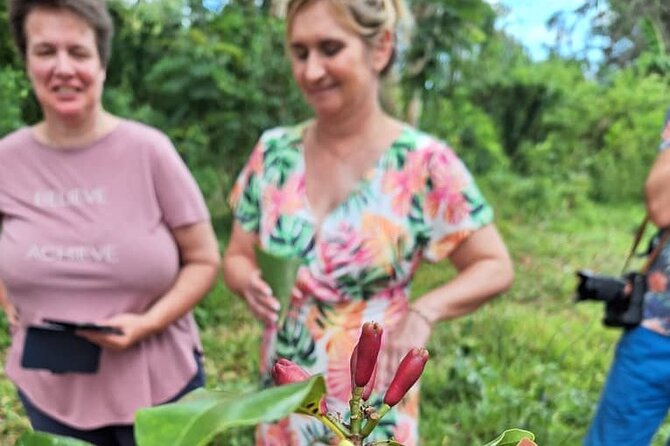
After the city portion, private transport takes you to Jambo Spice Farm in Kizimbani, about 6 to 7 kilometers from Stone Town. The farm visit lasts two hours, making it the longest single part of the experience.
This is more than a quick stop for buying packets of seasoning. The aim is to learn about spices and see how a local farm presents them. The experience is described as interactive and entertaining, with local people explaining the different spices. That local setting is one of the strongest reasons to choose this tour instead of seeing Stone Town alone.
You should expect the farm to be hands-on in style, though the supplied details do not list every crop or activity. The focus is on learning about Zanzibar’s spices for a short but useful visit. It gives you a clearer connection between the island’s reputation as a spice center and the plants themselves.
Lunch is not included. You can arrange lunch at the spice farm before or after the tour, but this costs extra. Ask about the meal when booking if you want to add it, since the five-hour schedule may not leave much room for an unplanned stop.
The two-hour duration is helpful. Unlike the city stops, this section gives you time to listen, ask questions, and take in the farm without being hurried from one landmark to the next. If you are most interested in spices, agriculture, and local culture, this may be the part you value most.
Guide quality and the private format
The tour is private, so only your group takes part. That matters in Stone Town, where narrow streets and complex stories can make a large group tiring. You can ask questions more easily and keep the pace suited to your party, within the fixed schedule.
Several guide names appear in the available customer feedback: Mohamed, Ali, and Sayafri. Mohamed is praised for explaining the city and human history, including the slave trade. Ali is described as informative about Zanzibar and the coastal zones. Sayafri is singled out for being modest, considerate, and willing to offer more than expected.
Those comments point to the tour’s strongest feature: the guide’s explanation, not just the number of places checked off. You should still remember that the booking information does not promise a particular guide. If having Mohamed, Ali, or Sayafri matters to you, ask the operator about availability before confirming.
Private transport is included. The tour does not state the vehicle type, so you should not assume a particular model or level of luxury. Its main value is convenience: you can move from the Old Fort to the spice farm without arranging another ride.
Is $68 a fair price?
At $68 per person, the tour offers a reasonable package if you want both Stone Town and the spice farm in one morning and early afternoon. Private transportation is included, as are the listed taxes and fees, and the Jambo Spice Farm admission is included.
The price is less complete than it first appears because the Old Slave Market entry fee costs an additional $8. Lunch is also extra. These are easy costs to plan for, but you should add them when comparing this tour with alternatives.
Value depends on your priorities. You are paying for a private arrangement, a guide, transport to Kizimbani, a two-hour farm experience, and a structured introduction to several major Stone Town sights. If you only want a short walk through the old city, it may be more than you need. If you want to combine the city and farm without planning separate bookings, the price makes better sense.
The fact that this experience is often booked well in advance also suggests that you should not leave it until the last moment if your dates are fixed. Confirmation is provided at booking, and free cancellation is available up to 24 hours before the start time.
Who should book this experience?
I would choose this tour if you have limited time in Zanzibar and want a broad first look at the island’s capital. It suits anyone interested in history, Swahili culture, food markets, music, architecture, and spices in one outing.
It is also a good match for people who prefer a private group rather than a large shared excursion. Most people can participate, and the tour is near public transportation, though the route includes walking through Stone Town and moving between several stops.
Families and mixed-interest groups may find the combination useful. One person can focus on history, another on markets and food, and another on the Freddie Mercury connection or the spice farm. The serious subject matter at the slave-market site should be explained in an age-appropriate way for younger children.
You may want another option if you need a slow, museum-heavy day. The city schedule is full, and the tour does not include lunch in the base price. You also need to pay separately for the slave-market admission.
Should you book Stone Town and the Spice Tour?
Book it if you want an efficient, private introduction to Zanzibar that joins the old city with a local spice farm. The guide’s storytelling is central, especially if you get one of the named guides, Mohamed, Ali, or Sayafri, and the route covers more ground than a Stone Town walk alone.
Go in with realistic expectations. You will not have unlimited time at each building, lunch is extra, and the slave-market entry fee is separate. But for $68, with private transport and spice-farm admission included, this is a solid choice for a first day in Zanzibar or for anyone who wants the city’s history and the island’s agricultural side in one well-planned outing.
FAQ
How long is the Stone Town and Spice Tour?
The experience lasts approximately five hours.
What time does the tour start?
It starts at 8:30 am.
Where does the tour begin?
The meeting point is the Old Fort on Mizingani Road in Zanzibar.
Where does the tour end?
The activity ends back at the Old Fort meeting point.
Is private transportation included?
Yes. Private transportation is included, and only your group takes part in the activity.
Is the Jambo Spice Farm admission included?
Yes. Admission to Jambo Spice Farm is included.
Does the tour include lunch?
No. Lunch is not included, although lunch can be arranged at the spice farm for an additional charge.
Is the Old Slave Market admission included?
No. The slave-market entry fee is listed separately at $8.
Just added in Zanzibar
- ZANZIBAR: Jozani Forest, butterfly center & Reptile park★ 4.7 · 3 reviews
- Zanzibar: Jozani Chwaka Bay National Park and Spice Farm …★ 4.6 · 5 reviews
- Zanzibar: Horse Riding and Kayaking with Video and Photos★ 4.9 · 10 reviews
- Zanzibar hidden: Starfish, Blue Lagoon, &The Rock Restaurant★ 5.0 · 3 reviews
- Zanzibar: Half-Day Spice Farm Tour,the flavours of Zanzibar★ 4.7 · 3 reviews
- Zanzibar Half Day Trip in Mnemba Island★ 4.4 · 16 reviews
- Zanzibar: Full-Day Conservation Safari with BBQ Lunch★ 3.9 · 9 reviews
- Zanzibar: Half-Day Prison Island, Tortoises and Spices Tour★ 3.7 · 7 reviews
Stone Town Tours, compared.

Stone Town, Spice Tour, Prison Island with Lunch
Read our review →
3 Hours Private Stone Town walking Tour with Guide
Read our review →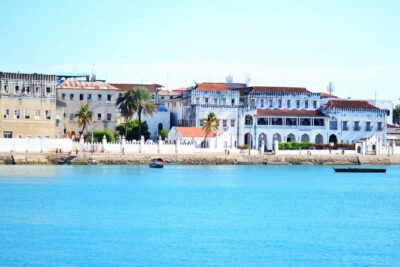
Full-Day Private Stone Town +Spice Farm and Prison Island Tour
Read our review →
Stone Town Historical Cultural Walking Guided Tour
Read our review →

Browse the lists this tour appears in