
Reviewed · NGORONGORO CRATER TOURS
Tanzania Safari 10 Days- Serengeti, Lake Manyara, Ngorongoro Crater.
Ngorongoro Crater is the headline here, but this is not a one-park trip. You move from Tarangire’s elephant country to Lake Manyara, Lake Eyasi, the Serengeti, and finally the crater. That variety gives you a better feel for northern Tanzania than a rushed park-to-park dash.
I like the extra time set aside for cultural visits around Mto wa Mbu and Lake Eyasi. I also like the private format, since your group can choose between a bush picnic and a return to camp for lunch on some game-drive days. The main drawback is the amount of time in a safari vehicle. Ten days sounds generous, but several drives are long, and the schedule includes both Tarangire and Lake Eyasi in addition to the better-known parks.
Key points to know before booking
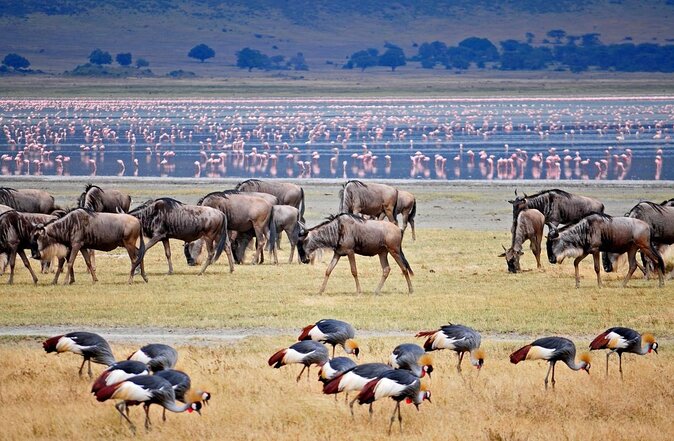
- Five major settings in one trip: Tarangire, Lake Manyara, Lake Eyasi, Serengeti, and Ngorongoro Crater.
- Elephant country comes first: Tarangire is known for large herds, baobab trees, and varied wildlife.
- Culture is part of the route: You visit Mto wa Mbu, Maasai, Datoga, and Hadzabe communities.
- Four nights are planned around the Serengeti: That gives you more than a quick drive-through.
- Ngorongoro gets a full final morning: You descend about 600 meters into the crater at sunrise.
- Private touring adds flexibility: Only your group takes part, with pickup available and a mobile ticket.
Arusha to Tarangire: a strong first safari day
The trip starts with lunch in Arusha at about 12:30 p.m., followed by a 1:30 p.m. drive toward Tarangire National Park. That afternoon timing works well. You do not spend your first day sitting around waiting for an early departure, and you reach the park with enough daylight for an initial game drive.
Tarangire is shaped by the Tarangire River, which draws animals during dry periods. Giant baobabs give the park its unmistakable look, while elephants are the main attraction. The park is described as having more than 3,000 elephants, including many young animals, so you have a good chance of seeing family groups rather than just one or two animals at a distance.
You may also see zebra, giraffe, impala, warthog, dik-dik, eland, hartebeest, bushbuck, mongoose, and reedbuck. Lions, leopards, cheetahs, hyenas, and jackals are present as well, though sightings of predators are never guaranteed. That is an important point to keep in mind: a safari is a search, not a wildlife show with fixed times.
Other park itineraries that start in Arusha:
- Serengeti Balloon Safari and authentic bush breakfast
★ 5.0 · 2,480 reviews - Balloon Safari & Bush Breakfast in Serengeti – Miracle Experience
★ 5.0 · 1,646 reviews - 4 Days Group Camping Safari
★ 5.0 · 1,101 reviews
Two game-drive styles in Tarangire
Day two gives you a choice. You can spend the whole day in the park with a picnic lunch, or return to your accommodation for a hot midday meal and go back out for an afternoon or sunset drive.
I like having that choice because it lets you match the day to your energy level. A full day means less time lost on the road and more chances to find animals in different parts of the park. Returning for lunch gives you a break from the vehicle, which can matter after the first long day.
Tarangire is also a good place to watch animal behavior. Elephants may gather near water, while smaller antelope and warthogs appear in more open areas. Keep your expectations measured. The route lists many species, but the order and quality of sightings depend on the season, recent rain, and the guide’s ability to locate animals.
Lake Manyara and Mto wa Mbu on day three
After breakfast, you drive toward Lake Manyara National Park, stopping at Mto wa Mbu along the way. The village is presented as a meeting place for people from many of Tanzania’s tribes, with farms, homes, artisan shops, and a local market to explore.
This stop adds human context to a wildlife holiday. You are not only looking through a vehicle window at animals. You get a short look at daily life, local trade, and food production. The market can be busy, so expect a more direct and lively encounter than the quiet of the parks.
After lunch and time to settle in, you head into Lake Manyara for an afternoon game drive. The park stretches along the base of the Rift Valley escarpment, which rises about 600 meters above the lake. The drive is compact compared with the Serengeti, but it packs several types of scenery into a smaller area.
Lake Manyara is known for flamingos and pelicans, along with monkeys and other wildlife around the forest and lake margins. The itinerary also points to its reputation for tree-climbing lions. That does not mean you are guaranteed to see lions in trees, but it is one reason guides keep their eyes trained upward as well as across the open ground.
Lake Eyasi and the Hadzabe and Datoga visits
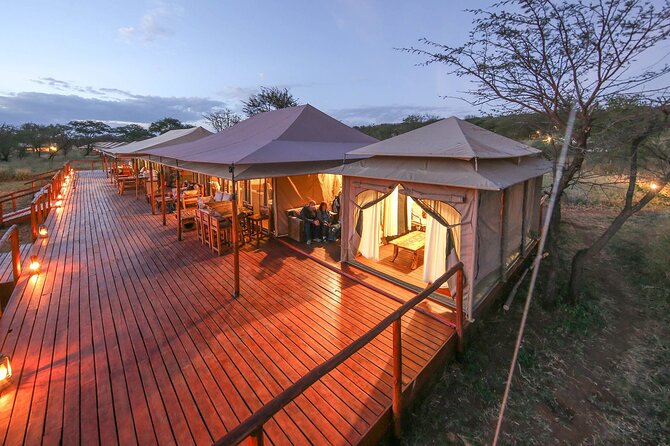
Days four and five shift the focus from game viewing to culture and bird-watching. Lake Eyasi is a mildly alkaline lake about 50 kilometers long, with views toward the Rift Valley escarpment. The shore area can support hippos, leopards, monkeys, and many birds, although animal sightings here are less predictable than in the main safari parks.
The cultural visits are the distinctive part. You meet members of the Hadzabe, one of Tanzania’s remaining hunter-gatherer peoples, and the Datoga, a pastoralist community with its own customs and skills. The program describes visits to homes, community areas, and everyday activities, rather than a quick staged performance.
That difference matters. You should approach these visits with patience and respect. The point is not to collect photographs of people, but to listen and observe how communities maintain older ways of living alongside modern Tanzania.
You spend the second night in the area, with lunch at camp and a later drive to Karatu for dinner and overnight accommodation. This two-day pause is useful because it prevents Lake Eyasi from becoming a rushed stop between parks. It also breaks up the repeated rhythm of morning game drive, lunch, afternoon game drive.
Other safaris people book out of Arusha:
- 5 Days Group Camping Safari
★ 5.0 · 730 reviews - 3 Days Serengeti & Ngorongoro Group Camping Safari
★ 5.0 · 574 reviews - 7-Day Premium Luxury Tanzania Safari All-Inclusive
★ 5.0 · 426 reviews - 3-Day Classic Serengeti Safari
★ 5.0 · 263 reviews
The Maasai visit and the road into Serengeti
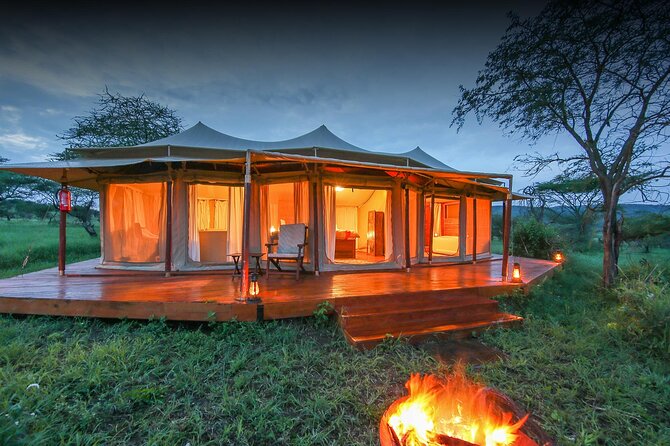
From Karatu, the safari vehicle takes you toward Serengeti National Park. Along the way, you visit a traditional Maasai village, where a chief guides you around the nearby boma and explains Maasai culture.
The Maasai stop gives you another cultural viewpoint after the Hadzabe and Datoga visits. These are different communities with different traditions, so the combination is more informative than visiting only one village. As always, treat the visit as a meeting with real people, not as scenery between wildlife stops.
The Serengeti is Tanzania’s oldest and most popular national park. Its open plains support enormous numbers of herbivores, especially wildebeest, zebra, and gazelles. Those herds attract lions, hyenas, cheetahs, jackals, and other predators.
The route places you in the Serengeti for several nights, with the exact area depending on the season and the movement of the animals. That flexibility is important because the great herds follow rain and fresh grazing. Guides try to reach the herds, but the animals may not be where you expect them on a particular day.
Three days of Serengeti game viewing
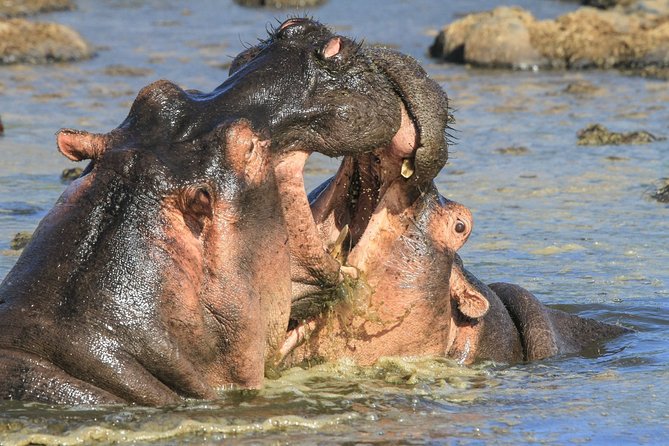
The Serengeti portion is the heart of the safari. One morning begins with a search for the herds in the eastern, southern, or northern part of the park. If the migration is elsewhere, the resident wildlife still provides plenty to look for.
You may see buffalo, elephant, giraffe, zebra, wildebeest, gazelle, lion, cheetah, hyena, or jackal. The guide’s skill matters here. A good guide does more than point out animals. You want someone who explains habitats, tracks behavior, and knows when to wait quietly rather than rush off to the next sighting.
The schedule also allows an early start for sunrise. Morning light is especially good for photography, and predators may still be active before the heat of the day. Later, you can either return to camp for a hot lunch or carry a packed lunch to a picnic site before continuing the drive.
A hot-air balloon safari is listed as an optional activity. It offers a different view of the plains and begins early, around sunrise, but it is not included as a standard part of the itinerary. Ask for the added cost and exact arrangements before booking if this interests you.
The final Serengeti day includes a morning drive before lunch and the transfer toward Ngorongoro Conservation Area. This is a long transition, but it connects two very different wildlife settings. The Serengeti feels open and wide, while Ngorongoro concentrates animals inside a natural bowl.
Ngorongoro Crater at sunrise
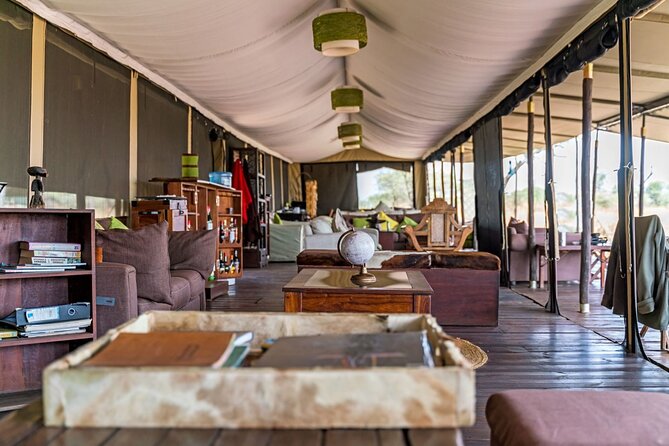
On the final day, you descend about 600 meters into Ngorongoro Crater for a morning game drive. The crater is a former volcanic caldera with a high rim, and its enclosed setting supports a large concentration of animals.
You might see wildebeest, zebra, buffalo, eland, warthog, hippo, elephant, lion, hyena, jackal, cheetah, or leopard. Black rhino are among the most important possible sightings, though they are rare and never assured. The Lerai Forest, with its yellow-barked acacia trees, is a place to look for elephants and other animals.
The sunrise descent is a smart choice. Morning light makes the crater especially photogenic, and animals are often more active before the day grows hot. The crater can also feel busy because many vehicles seek the same well-known wildlife areas. That is the tradeoff for such a concentrated setting: excellent chances to see animals, but less solitude than you may find in remote parts of the Serengeti.
How the price fits the trip
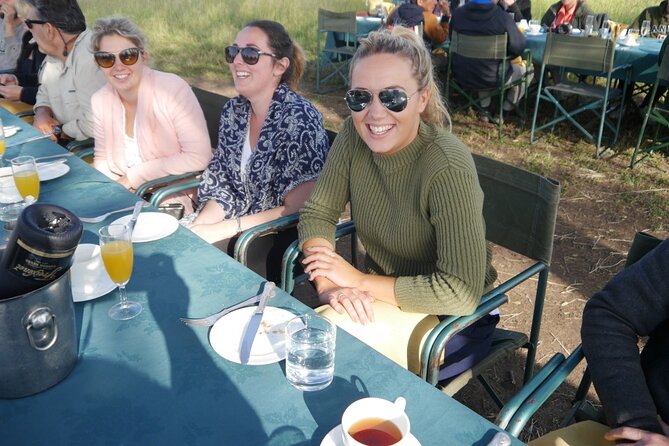
At $3,946.16 per person, this is a major purchase. Its value depends on what is included in the final booking, since the supplied details do not spell out every accommodation, park fee, meal, or optional activity.
The price makes more sense if your priority is a private, multi-park safari with several nights in the Serengeti, a full Ngorongoro visit, and cultural stops that many shorter itineraries leave out. Four nights around the Serengeti also means you are not relying on one lucky game drive to see the park.
Before paying, ask for a written list of inclusions. Confirm the accommodation category, whether park fees and meals are included, airport or hotel pickup details, and the cost of the optional balloon safari. The trip is advertised as private, so only your group participates, which can be worth extra money if you want flexibility and more direct communication with the guide.
The tour’s named contacts include Manase and Freddy. If personal service matters to you, ask who will handle your arrival and who will be your driver-guide for the full route. Previous arrangements connected with these names included airport pickup, hotel transfer, and help throughout the trip, but you should confirm the current team.
Physical demands and practical expectations
You should have a moderate level of physical fitness. The biggest challenge is not strenuous hiking. It is the repeated sitting, early starts, rougher park roads, and long transfers between destinations.
Pickup is offered, and the experience uses a mobile ticket. Confirmation is provided at booking. The listed operating hours are 6:30 a.m. to 6:30 p.m., Monday through Sunday, though safari departure times vary by day.
Pack for changing temperatures, especially since early morning drives can feel very different from sunny midday stops. Bring patience, a camera with spare power, and a willingness to spend time watching one animal rather than checking off ten species. The best moments may be quiet ones: elephants moving through baobabs, a predator resting after a hunt, or birds gathering at the lake edge.
Who should book this safari?
I would choose this trip if you want a broad northern Tanzania itinerary rather than a short Serengeti sampler. It suits you if you value cultural visits as much as wildlife, want extra time in the Serengeti, and prefer a private vehicle over a shared group.
It is less suitable if you want a relaxed holiday with little time on the road. It is also not ideal if your only goal is the Great Migration, since herd locations change with rainfall and the itinerary does not promise a particular migration crossing.
Should you book it?
Book this safari if the combination of wildlife, local culture, and varied parks appeals to you. Tarangire’s elephants, Lake Eyasi’s community visits, the open Serengeti, and Ngorongoro’s concentrated wildlife give you a fuller picture of northern Tanzania than a single-park trip.
Before committing, get the current accommodation and inclusions in writing. If those details match your budget, the private format and ten-day pace make this a strong choice for a first Tanzania safari, especially for people who want time to look around instead of racing from one famous sight to the next.
FAQ
Where does the safari start?
The safari starts in Arusha, Tanzania, with lunch in town at about 12:30 p.m. on the first day.
How long is the safari?
The experience lasts approximately 10 days.
Which national parks and areas are included?
The route includes Tarangire National Park, Lake Manyara National Park, Lake Eyasi, Serengeti National Park, and Ngorongoro Conservation Area.
Is this a private tour?
Yes. Only your group participates in the tour or activity.
Is pickup available?
Yes. Pickup is offered.
What cultural communities can you visit?
The route includes visits connected with Mto wa Mbu, Maasai, Datoga, and Hadzabe communities.
Is a hot-air balloon safari included?
No. A hot-air balloon safari is listed as an optional activity during the Serengeti portion.
How much physical fitness is required?
A moderate level of physical fitness is recommended.
Can you cancel for a full refund?
Yes, if you cancel at least 24 hours before the experience start time. Cancellations or changes made less than 24 hours before the start time are not accepted for a refund.
More Serengeti safaris from Arusha
- 5-Day Highlights mid-Range Crater, Serengeti, Tarangire
★ 5.0 · 296 reviews - Private 6-Day Tarangire Manyara Crater and Serengeti with Mid-Range Lodges
★ 5.0 · 238 reviews - 10-Day Serengeti Wildebeest Migration Safari from Arusha
★ 5.0 · 218 reviews - 8 Day Spectacular Migration Serengeti mid -Range Tanzania Safari
★ 5.0 · 161 reviews
More Ngorongoro trips from Arusha
- 5 Days Camping Tarangire, Serengeti & Ngorongoro crater & Visiting Maasai
★ 5.0 · 229 reviews - 4 Days Join Group tour Tarangire Serengeti and Ngorongoro crater
★ 5.0 · 219 reviews - 4-Day Safari from Arusha: Tarangire, Serengeti and Ngorongoro
★ 5.0 · 173 reviews - 2 Days Tarangire and Ngorongoro Group Camping Safari
★ 5.0 · 146 reviews
Just added in Arusha
- Extraordinary Hot air Bolloon ride in Serengeti | BURIGI CHATO SAFARIS CO L.T.D★ 5.0 · 6 reviews
- 4 Days Private Midrange Lodge Safari to Serengeti & Ngorongoro★ 5.0 · 4 reviews
- 3 days leopard safaris★ 5.0 · 4 reviews
- 8 Days Serengeti Migration safari★ 5.0 · 11 reviews
- tarangire, ngorongoro & lake manyara park 3 days private tour★ 5.0 · 11 reviews
- Mt. Kilimanjaro: Shira plateau to Cathedral point 3872m Day hike★ 5.0 · 7 reviews
- serengeti, ngorongoro & tarangire 4 days private tour★ 5.0 · 18 reviews
- tarangire & ngorongoro 2 days tour★ 5.0 · 14 reviews
Ngorongoro Crater Tours, compared.
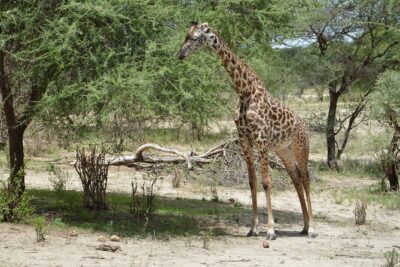
3 Days Serengeti & Ngorongoro Group Camping Safari
Read our review →
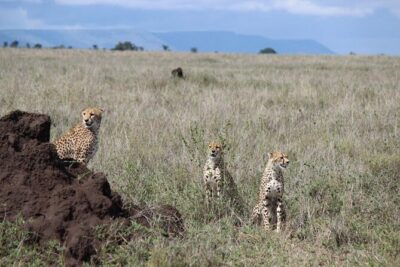
4-Day Safari from Arusha: Tarangire, Serengeti and Ngorongoro
Read our review →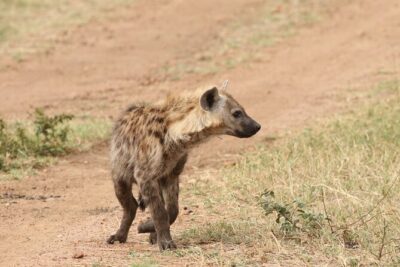
2 Days Tarangire and Ngorongoro Group Camping Safari
Read our review →
3 Days Private Safari – manyara, Ngorongoro & Tarangire
Read our review →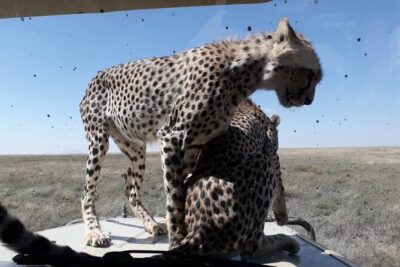
5 Days Tanzania Group Joining Safari, Tarangire/Serengeti/Ngorongoro Crater
Read our review →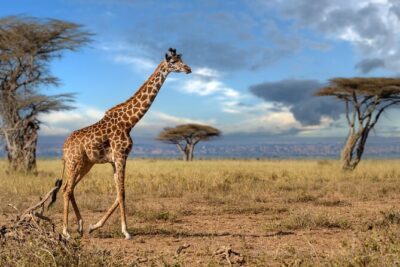
4 Days Tarangire, Serengeti and Ngorongoro Mid-Range Group Safari
Read our review →Browse the lists this tour appears in