
Reviewed · KILIMANJARO TREKS
The 6 Days Kilimanjaro Climbing Tour via Machame Route in 2025/26
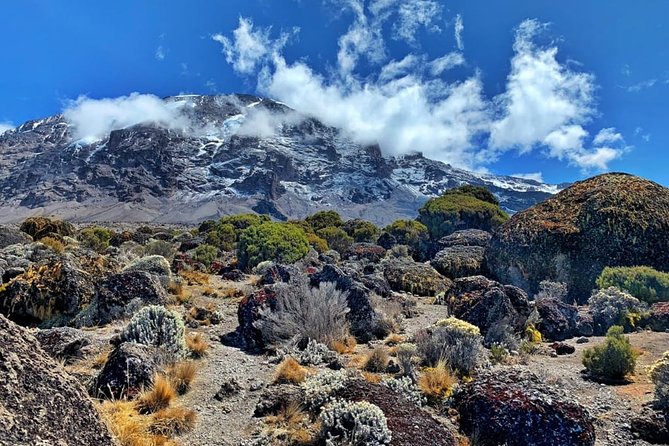
The Machame Route gives you Kilimanjaro’s greatest variety in a short time: wet rainforest, open moorland, stark volcanic slopes, glaciers, and an Arctic summit zone. Its clever high-and-low profile takes you up to Lava Tower before dropping you to Barranco, giving your body some useful altitude practice before summit night.
I like two things here. First, the route is scenic from the opening trail through the forest to the views of Mawenzi and Kibo near Barafu. Second, the package includes park fees, meals, and transport back to Moshi, so you are paying for a working mountain operation rather than arranging each piece yourself. The main drawback is the compressed schedule. Day four is long, and day five combines a midnight summit push with a major descent.
Key points to know before booking
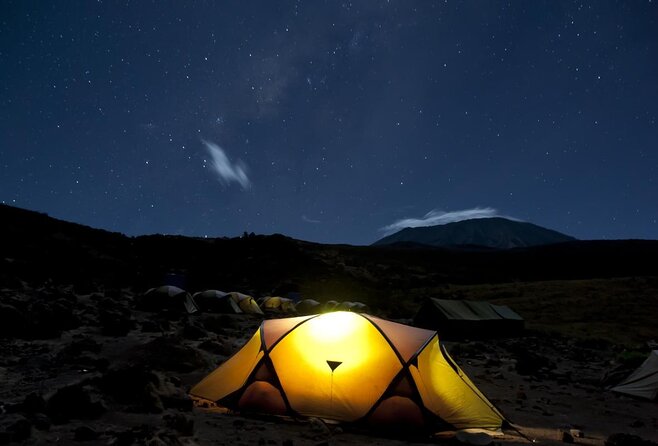
- Lava Tower and Barranco in one day: You climb to about 16,000 feet before sleeping lower at Barranco Camp.
- The summit starts around midnight: Expect a steep, cold ascent to Stella Point and Uhuru Peak after only a short rest.
- Six days means little margin: The Barranco to Barafu day and summit day are the toughest part of the route.
- Moshi is both start and finish: Pickup is offered, and the return drive begins at Mweka Village after the final descent.
- Meals and park costs are included: Flights, visa costs, and crew tips are not.
- Past guide names include Baraka and Buda: Guide assignments can vary, but both are associated with successful climbs on this route.
The real character of the six-day Machame Route
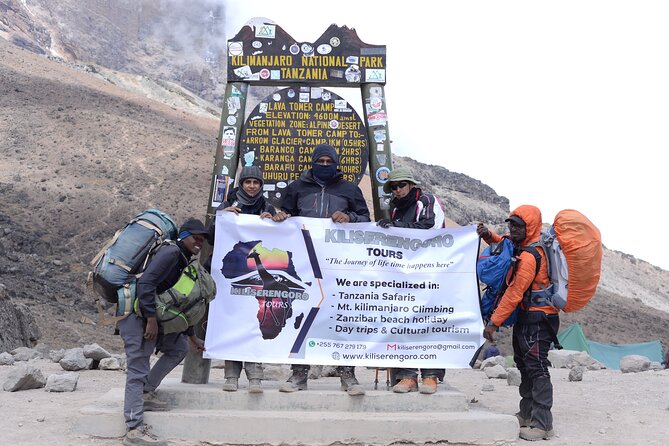
Machame is often chosen for its scenery, but the six-day version asks you to trade comfort for speed. You move through several climate zones in a remarkably short period, and the route gains serious altitude by the third day.
That early altitude gain is useful, but it does not make the route easy. You need a good level of fitness for long uphill stretches, rough footing, and the repeated climb-and-descend pattern. The package information describes a demanding 19 to 24 hours of walking across the final two days, with only about four to six hours of sleep. That is the point to take seriously.
I would view this as a strong option for a fit hiker who has limited time and wants a scenic route. It is less suitable if you prefer a slower schedule with extra acclimatization days. A seven-day Machame itinerary would generally offer more breathing room, but this six-day plan keeps the cost and time commitment lower.
Other routes up the mountain from Moshi:
- Kilimanjaro climb by Lemosho Route (7-day)
★ 5.0 · 651 reviews - Kilimanjaro climb, Machame Route (7-day)
★ 5.0 · 262 reviews - Kilimanjaro Climbing Lemosho Route 8 Days.
★ 5.0 · 186 reviews
Day one: Machame Gate to Machame Camp
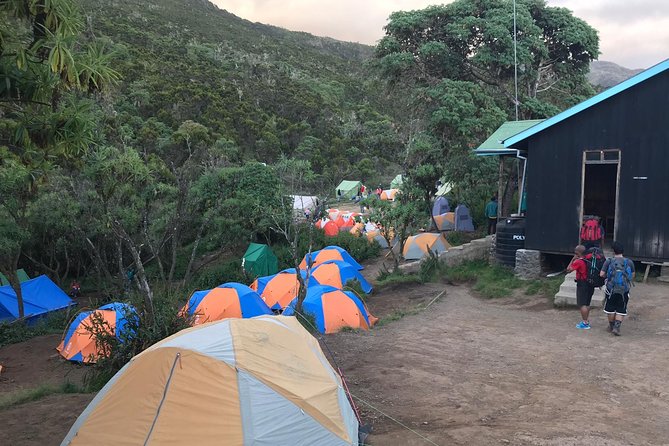
The trip begins with a roughly 50-minute drive from Moshi to Mount Kilimanjaro National Park Gate. You pass through Machame village on the lower slopes before entering the park and beginning the walk.
The first trail section runs through rainforest on a winding path that climbs a ridge. This is one of the most pleasant parts of the route, with dense vegetation and a cooler, damp setting. It also introduces the footing you will face higher up. Lower sections can be muddy and slippery, so gaiters and trekking poles are practical rather than decorative.
The hike takes about six hours before you reach Machame Camp. The distance is not listed, but the time gives you a good sense of the pace. This is a full first day, especially if you have arrived in Moshi shortly before the climb.
You receive breakfast, lunch, and dinner during the tour package, and the first night is spent at camp. The start time shown for the activity is 8:00 am, though the exact departure from your hotel should be confirmed when you book.
Day two: Leaving the forest for Shira
Day two changes the scenery quickly. You leave the rainforest behind and climb into moorland, where heather and open slopes replace thick forest.
The stated elevation rises from about 9,400 feet to 12,500 feet. The walk covers roughly five kilometers and takes four to six hours, but the trail is described as steep and rocky in places. You cross a small valley, follow a ridge, and then turn west toward a river gorge before reaching Shira Camp.
This is a shorter day than the first, yet the altitude makes it feel different. The effort is less about distance and more about moving steadily while your body adjusts. I would keep your pace slow here and avoid treating the shorter mileage as a chance to hurry.
Shira is a memorable camp because the forest has disappeared and the mountain feels much larger around you. Dinner and overnight accommodation are provided at the campsite. The route is now preparing you for higher ground, not simply taking you upward in a straight line.
Day three: Lava Tower, the Shark’s Tooth, and Barranco
Day three is the route’s key acclimatization day. You begin around 12,500 feet and climb to roughly 13,000 feet for camp, but the path briefly reaches about 16,000 feet near the Arrow Glacier junction.
The trail heads east across the Shira Plateau, passing the junction toward Kibo. It then turns southeast toward Lava Tower, also called the Shark’s Tooth. After reaching this high point, you descend to Barranco Camp.
That descent is the reason this day matters. You expose yourself to a higher altitude, then sleep lower. The stated distance is about 10 kilometers, with six to eight hours of walking. The route passes through semi-desert terrain, a sharp change from the first day’s wet forest.
The day can feel odd because you finish near the same elevation at which you started, but it is not wasted effort. It gives you a taste of the altitude before the summit push. The route also offers some of the trip’s strongest volcanic scenery, with bare rock, broad skies, and the mountain’s upper slopes close at hand.
Same base, a different kind of day out:
- Safari Serengeti And Ngorongoro
★ 5.0 · 288 reviews - Climbing Kilimanjaro – Machame Route
★ 5.0 · 170 reviews - Climbing Kilimanjaro through 7 days Machame Route
★ 5.0 · 151 reviews - Kilimanjaro climb, Lemosho Route (8-day)
★ 5.0 · 148 reviews
Day four: Barranco Wall to Barafu Camp
This is where the six-day plan becomes notably hard. After breakfast, you leave Barranco and climb the Barranco Wall toward Karanga Valley. The route is steep and rocky, requiring careful footwork rather than speed.
From Karanga, you continue to the junction with the Mweka Trail and then climb toward Barafu Hut. The day covers about nine kilometers and takes eight to ten hours. You gain roughly 2,000 feet, but the duration and rough terrain make the effort greater than the numbers suggest.
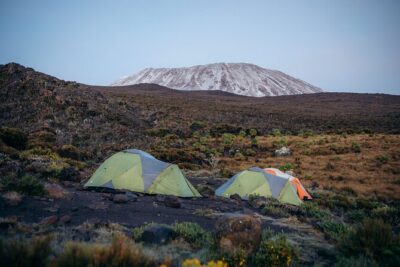
Barafu means you are near the summit zone. From camp, you can see Mawenzi and Kibo, two of Kilimanjaro’s major volcanic peaks. You have also completed the South Circuit, which gives you changing views of the summit during the approach.
The difficulty is not only physical. You reach camp late in the day, eat dinner, and try to rest before leaving around midnight or in the early hours of the morning. This is the point where a careful pace and an experienced guide matter most. Guides named Baraka and Buda have been associated with this operation, but you should confirm who will lead your group.
Day five: Stella Point, Uhuru Peak, and the long descent
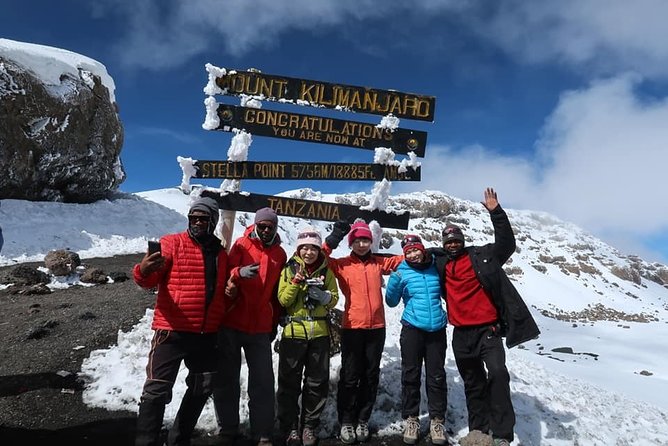
Summit day is the heart of the trip and the part you should picture clearly before paying. You leave Barafu around midnight to 2:00 am and climb through heavy scree toward Stella Point on the crater rim.
The ascent is listed at about five kilometers, followed by a descent of roughly 12 kilometers. The summit section rises from approximately 15,300 feet to Uhuru Peak at 19,345 feet, or 5,895 meters. The uphill portion is expected to take seven to eight hours, with another four to six hours for the descent.
At Stella Point, around 18,600 feet, you may stop briefly. If the weather cooperates, sunrise from the crater rim can be extraordinary. From there, you continue around the crater rim toward Uhuru Peak, the highest point on Kilimanjaro and the highest point in Africa.
The summit is not a casual photo stop. It is the coldest and most demanding portion of the route, and the thin air makes every step count. The package description calls this the most mentally and physically challenging section, and that is a fair warning.
After the summit, you descend toward the lower camp area and continue toward Mweka. The figures supplied for the day combine the summit ascent and long descent, while the broader tour description warns that the final two days can involve 19 to 24 hours of demanding walking. In practical terms, you should expect a very long day with little sleep, even if exact timings change with weather, group pace, and conditions.
Day six: Mweka Gate and the return to Moshi
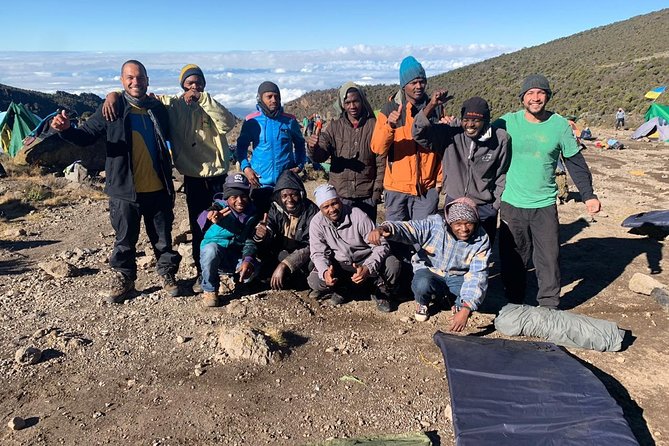
The final day is a three to four-hour descent from about 10,000 feet to roughly 5,400 feet. The route covers about 10 kilometers and returns to rainforest.
The change back to wet forest is welcome, but lower sections can again be muddy. Gaiters and trekking poles remain useful. You may be comfortable in shorts and a T-shirt lower down, but keep rain gear and warmer clothing handy because mountain conditions can shift.
At Mweka Park Gate, you receive your summit certificates. From there, you continue for about an hour to Mweka Village, where a vehicle takes you back to your hotel in Moshi.
That transport matters after the summit day. You do not have to arrange a separate taxi from the trailhead, and the trip ends back at the original meeting point. The final day is shorter than the summit day, but you should not expect to feel fresh. It is a recovery walk as much as a scenic descent.
What the $2,000 price covers
The listed price is $2,000 per person. For a six-day Kilimanjaro climb, the value depends on what you want included and how much planning you would otherwise have to do yourself.
This package includes all fees and taxes, breakfast on six days, lunch on six days, and dinner on five days. Pickup is offered, and transport from Mweka Village back to Moshi is part of the stated plan. Those inclusions reduce the number of separate arrangements you need to make.
Flights, visa costs, and crew tips are not included. You should budget for those separately. Tips are especially important to discuss before departure, since the mountain team is central to the experience and the final cost can be higher than the advertised rate once those extras are added.
The package lists a maximum of 200 participants. That is a large possible maximum, although the actual climbing group may be smaller. Ask directly about your expected group size, guide-to-climber ratio, and how the porter and cooking arrangements work before booking. Those details affect the feel of the trip far more than a low headline price.
Food, crew support, and the human side of the climb
The tour includes five dinners, six lunches, and six breakfasts. Meals are served during the mountain portion, which saves you from carrying all your food for six days.
Past accounts connected with this operator repeatedly highlight friendly guides, helpful porters, and meals described as good and tasty. One account specifically praised a guide named Buda for his mountain knowledge, while another named Baraka, a Maasai guide, and noted his helpful explanations. These names give you a sense of the guide team, but they do not guarantee who will be assigned to your departure.
The crew is not a minor detail. On this route, you rely on the guide for pacing and route decisions, while porters and cooks make camp life possible. Ask how tipping is handled and what equipment the company provides before you arrive.
Who should choose this climb?
I would recommend this tour to you if you:
- Have six days available for the mountain itself
- Are in good physical shape
- Accept long days and a midnight summit start
- Want the varied scenery of Machame
- Prefer a package with meals, park fees, and return transport arranged
- Are comfortable with a demanding acclimatization schedule
I would be cautious if you have never completed a long mountain hike, dislike steep rocky trails, or want plenty of sleep. The route is often called the best choice among six-day options because of its high-and-low profile, but that does not remove the risks and discomfort of altitude.
The most useful preparation is simple: train for sustained uphill walking, practice with trekking poles, and break in footwear before arriving. Pack gaiters and rain gear, since both the rainforest and lower descent can be wet and muddy.
Booking details and cancellation terms
The meeting point is Kiliserengoro Tours in Moshi, Tanzania, with an advertised start time of 8:00 am. Pickup is offered, and the activity ends back at the meeting point after your return.
Confirmation is provided at booking. The activity calls for a moderate physical fitness level, though I would treat the actual six-day schedule as demanding rather than moderate for many people.
You can cancel for a full refund up to 24 hours before the local start time. Cancellations or changes made within 24 hours are not refunded or accepted. If poor weather causes cancellation, you are offered another date or a full refund.
Should you book the six-day Machame climb?
Book it if you want a scenic Kilimanjaro route and can handle a tight schedule. The combination of rainforest, Shira moorland, Lava Tower, Barranco Wall, and the summit makes six days feel full and varied.
Do not book it simply because six days sounds efficient. The price is reasonable for the listed meals, fees, and transport, but the real cost is the strain of the final two days. If you are fit, prepared, and honest about the short sleep and long walking hours, this can be a powerful way to reach Uhuru Peak. If you want a gentler chance of success, choose a longer itinerary instead.
FAQ
Where does the Kilimanjaro climb start?
The experience starts at Kiliserengoro Tours in Moshi, Tanzania. Pickup is offered, and the listed start time is 8:00 am.
How long is the tour?
The mountain tour lasts approximately six days.
What route does the climb use?
The climb uses the Machame Route, beginning at Machame Gate and finishing at Mweka Gate before continuing to Mweka Village.
Is Uhuru Peak included in the itinerary?
Yes. The summit day climbs to Uhuru Peak, listed at 19,345 feet or 5,895 meters.
What meals are included?
The package includes six breakfasts, six lunches, and five dinners.
Are flights and visas included?
No. Flights and visa costs are not included in the $2,000 price.
Are crew tips included?
No. Crew tips are listed as an additional cost.
What happens if bad weather cancels the climb?
If poor weather causes cancellation, you can choose another date or receive a full refund. You can also cancel at least 24 hours before the start time for a full refund.
Just added in Moshi
- Kilimanjaro Airport Private Transfer from/to Moshi★ 5.0 · 14 reviews
- 4 Day Mid-range Serengeti Safari★ 5.0 · 22 reviews
- Kilimanjaro Climbing 5 days Marangu route★ 5.0 · 22 reviews
- 6 Days Machame route Kilimanjaro climbing★ 5.0 · 22 reviews
- 7 Days Highlight of Tanzania Mid-Range Standard★ 5.0 · 22 reviews
- 6 Days Climb Private Tour in Mount Kilimanjaro★ 5.0 · 27 reviews
- 4 Days Tanzania Budget Safari★ 5.0 · 26 reviews
- 7 Days Machame Route Climbing Mt. Kilimanjaro★ 5.0 · 24 reviews
Kilimanjaro Treks, compared.
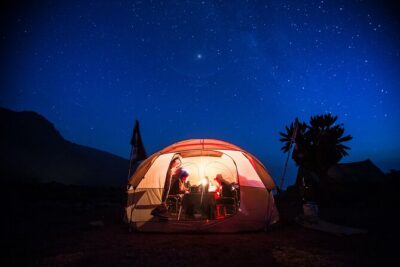
8-Day Small-group Lemosho Kilimanjaro Summit Trekking
Read our review →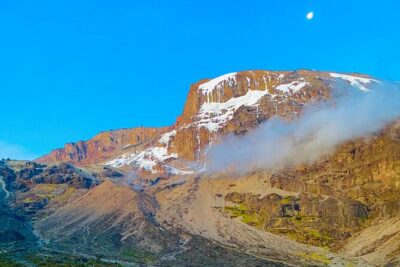
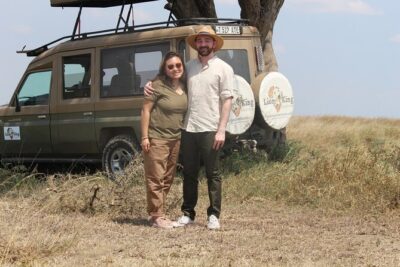
5 Days Best of Tanzania Luxury Safari Northern Circuit
Read our review →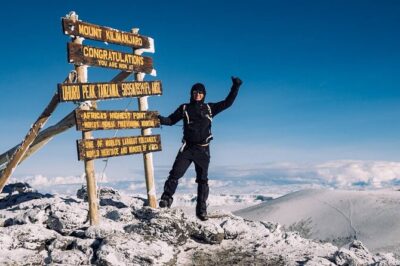
Climbing Kilimanjaro through 7 days Machame Route
Read our review →
7-Day Machame Kilimanjaro Summit Tour from Arusha
Read our review →Browse the lists this tour appears in