
Reviewed · SPICE FARM TOURS
Zanzibar Cooking Class & Spice Tour
Zanzibar’s food makes more sense once you see where it begins. This market, spice farm, and cooking class takes you from Darajani Market to a community farm, then into a local kitchen where you prepare and eat several traditional dishes.
I like the hands-on plan: you help buy the ingredients instead of watching a staged demonstration, and the small maximum of 10 people keeps the class personal. I also like the practical cooking tips, especially the help with rice pilau and banana dishes. The main caution is timing. One poor experience involved a late pickup and too much time spent chatting at the market, so do not book this on a day when you have a tight flight connection.
Key points to know before booking
- Three food stops in one half-day: Darajani Market, a spice farm, and a local cooking class.
- You help shop for the meal: The market visit gives the class a useful local starting point.
- Taste as you go: The farm includes samples of spices and tropical fruits.
- Expect a personal class: The group limit is 10, and Lutfia and Rashid have hosted particularly well-liked sessions.
- Morning or afternoon timing: Pickup is listed for 9:00 a.m. or 3:00 p.m., with the full outing taking about five hours.
- Good value at $40: That price covers transport, the market visit, farm tastings, instruction, and the meal, though the exact pacing can vary.
Why this Zanzibar food tour is worth considering
Most hotel menus give you the finished plate. This outing shows you the steps before it reaches the table. You see ingredients being bought, smell and taste them at the farm, then use them in a meal you can sit down and eat.
That order matters. A spice farm visit on its own can feel like a pleasant stop with a few samples. A cooking lesson on its own can feel disconnected from local life. Here, the ingredients purchased at Darajani Market help link the three parts, at least in principle. You get a better sense of how Zanzibar’s food moves from market stall to kitchen.
The price is $40, which is reasonable for a five-hour activity if the pickup and drop-off work as planned. You are not paying only for a cooking demonstration. The fee includes a market visit, a farm tour with tastings, cooking instruction, and lunch. For someone who wants a single organized food experience in Zanzibar, that is a useful package.
Still, the value depends on good timing and an attentive host. Most of the available feedback is strongly positive, but there are also complaints about a missed pickup, lateness, and poor communication. I would confirm the pickup details before the day of the tour and avoid scheduling it close to an important flight.
Other spice farm visits from Zanzibar:
- Zanzibar: Stone Town, Spice Tour, Prison Island with Lunch
★ 4.4 · 1,219 reviews - Zanzibar: Prison Island, Stone Town, & Spice Farm Tour
★ 4.5 · 579 reviews - Zanzibar: Stone Town, Spice tour & Prison Island with Lunch
★ 4.6 · 453 reviews
Starting at Darajani Market
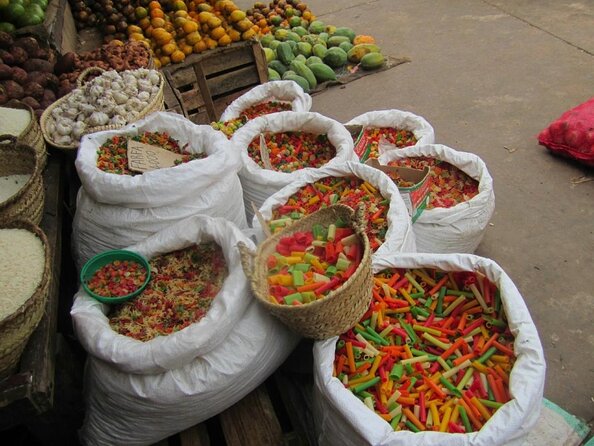
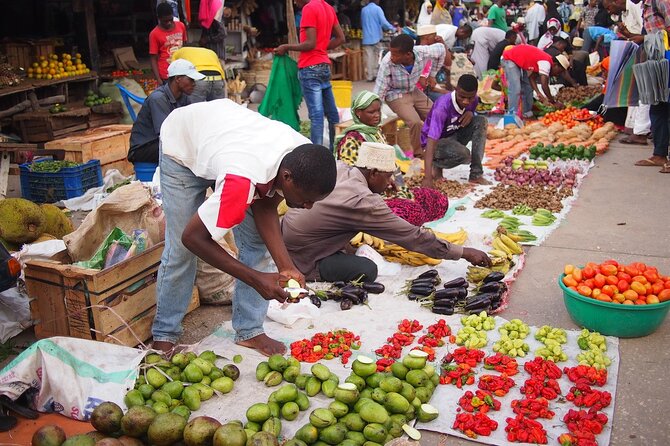
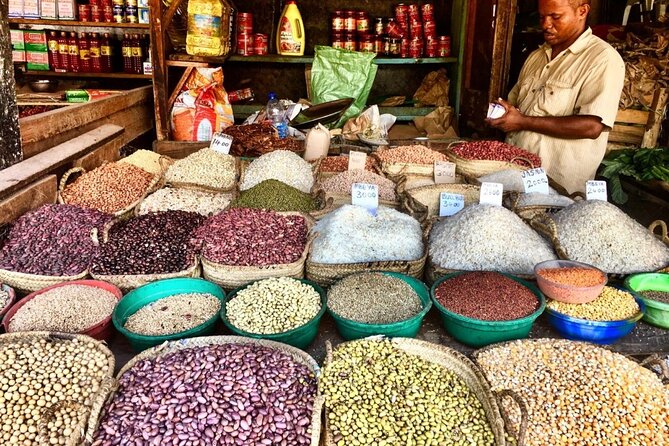
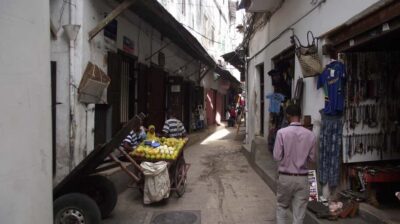
The first stop is Darajani Market in Stone Town. This is where you begin buying the ingredients for the cooking class, rather than simply looking at food behind a guide.
That small difference makes the market stop more useful. You can see the raw materials before they are cleaned, chopped, seasoned, and cooked. The guide can explain what is being bought and how it will be used later. One particularly enjoyable part of the experience is shopping alongside the host, with the market visit serving as the first stage of the meal.
You should expect a local market, not a polished food hall. The supplied details do not promise a fixed list of stalls or a set tasting menu, so the exact items will depend on what is available and what the class is preparing that day. The experience may also include time spent speaking with vendors in Swahili. That can add local character, but one complaint described too much vendor conversation and not enough attention to the paying group.
For that reason, the market is best approached with patience. If you want a quick, tightly timed visit, say so at the start. If you have time to watch how the shopping works, this part can help you understand the food before you cook it.
Tasting spices and fruit at the farm
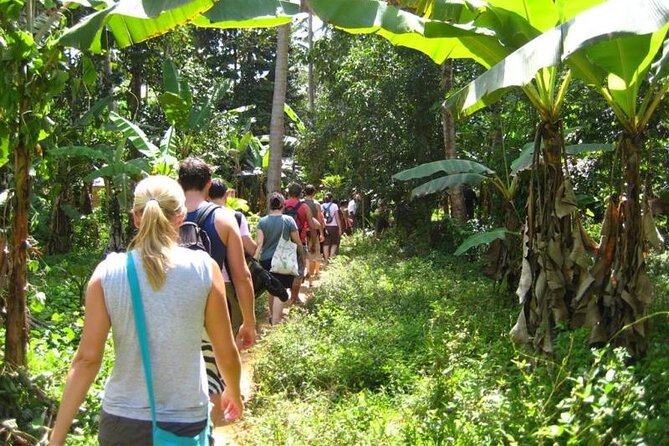
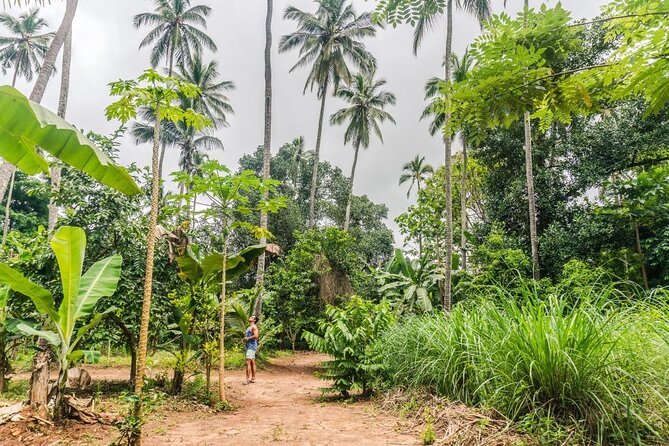
After the market, you head to a spice farm. One session took place at Azusa Spice Farm, while another was described as a community farm. The exact farm may vary, so you should not assume every departure follows the identical route.
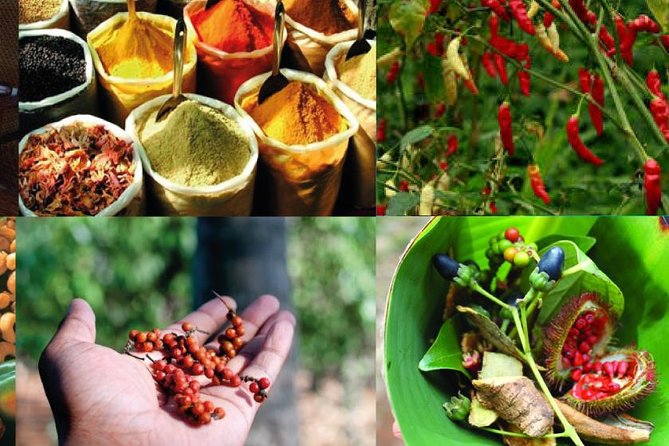
The farm visit is more than a list of spice names. You walk around, see plants and fruit, and taste many of the items. The tasting element is important because some ingredients are easier to remember by flavor than by explanation. You may encounter tropical fruits alongside the spices, giving the stop a broader picture of Zanzibar’s food plants.
The best version of this visit is interactive. A guide points out the plants, explains their use, and lets you taste them rather than simply naming them. One highly praised guide went beyond basic explanations and made the stop especially informative. Another account described the farm tour as well handled and full of different spices and fruit.
There is one point to keep in mind. The farm may also sell products, and one person felt the welcome became less friendly after choosing not to buy anything. You are not required to treat the stop as a shopping trip based on the information provided, so keep your expectations clear. Enjoy the tour and samples, but do not feel that buying goods is the purpose of the class.
Cooking classic Zanzibari food
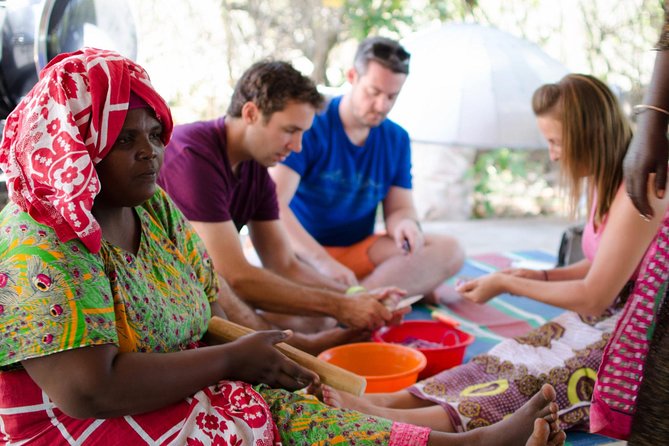
The cooking class is the heart of the outing. After the market and farm, you work with a local cook to prepare several Zanzibari dishes, then eat the meal.
The available descriptions point to a four-plate meal in at least one session. Rice pilau and banana were specifically mentioned, along with useful preparation advice. The exact menu is not fixed in the supplied details, so you should think of this as a lesson in local cooking rather than a guaranteed recipe list.
This is also where the guide makes the largest difference. Lutfia, also written as Latfiya in one account, received especially warm praise for her friendly teaching and care. Lutfia and Rashid were both described as excellent hosts and cooks. Their strength seems to be the combination of shopping, cooking, and conversation, rather than a formal chef-led class.
You should expect to take part in preparing the food, not just sit and watch. The class is intended to teach authentic Zanzibar dishes and ends with lunch. That makes the meal more satisfying because you know what went into it and can ask questions while working.
Do not expect a professional cooking school with printed course materials or a guaranteed lesson plan. Those details are not provided. The appeal is the local setting and direct instruction. You learn by handling ingredients, following the cook, and eating the finished food.
Other classes where you cook in Zanzibar:
- Zanzibar: Spice Farm Tour with Traditional Cooking Lesson
★ 4.8 · 77 reviews - Half-Day Kuza Cave Swimming Adventure and Cooking Class
★ 4.5 · 44 reviews - NGO Lifted Strong – Traditional Tanzanian Cooking Class
★ 5.0 · 39 reviews - Arusha: Traditional Tanzania Cooking Class & Food Market Tour
★ 5.0 · 34 reviews
The meal and what you take home

The lunch gives the class a clear payoff. You shop for the ingredients, see spices and fruit at the farm, help prepare the food, and then taste the result. That full chain is the main reason I would choose this activity over a simple spice farm visit.
The cooking advice can also be more useful than a standard sightseeing explanation. Rice pilau was singled out as a dish for which the host offered helpful tips. Banana preparation was another specific example. If you enjoy cooking, take notes or ask questions as you work. The information provided does not promise recipe cards, so it is wise to record the key steps yourself.
The final meal may be one of the strongest parts for people who want an authentic food experience. It is not just a tasting spoonful. You prepare a full meal and sit down to eat it. At the same time, the exact dishes and portion details are not stated, so do not book this expecting a fixed menu.
Timing, transfers, and group size
The tour takes about five hours. The morning session begins with pickup at 9:00 a.m., and an afternoon departure is listed for 3:00 p.m. The information also describes hotel pickup and drop-off, especially for hotels in Stone Town.
The listed meeting point is R5QQ+697, Zanzibar, Tanzania, and the activity is also shown as ending back at the meeting point. Since the itinerary says hotel transfers are included, confirm the exact pickup arrangement when you book. This is a sensible step because one reported failure involved no guide arriving at the appointed place, with no response to calls.
A group limit of 10 people is a good sign for a cooking class. You have a better chance to ask questions and get involved than you would in a large bus group. Some departures may be much smaller. One person had a private-feeling session because they were the only participants, while another described the host taking very good care of the group.
The start time matters if your schedule is tight. A five-hour activity beginning at 9:00 a.m. can occupy much of the day, while the 3:00 p.m. option may run into the evening. Do not combine it with a same-day flight unless you have a large time cushion. One unhappy experience involved a participant who was flying later that day and felt rushed after a late start.
What the strong feedback gets right
The most consistent praise goes to the people leading the experience. Lutfia and Rashid are noted for being warm, friendly, and good cooks. In another session, the cooking teacher was described as exceptional, with useful tips that made the class memorable.
The farm also earns praise when the guide makes it interactive. Seeing and tasting a wide range of spices and tropical fruits gives the stop a clear purpose. You are not only hearing names. You are connecting flavor, plant, and dish.
The full sequence receives credit too. Shopping for ingredients, helping cook, and eating together makes the day feel connected. That is a stronger format than visiting a farm and then being driven somewhere unrelated for a generic meal.
The overall rating is 4.5 from 77 reviews, which suggests a strong experience with some important exceptions. I would read that as a good sign, not a guarantee. The host and schedule appear to have a major effect on the outcome.
The drawbacks you should weigh
The biggest risk is reliability. One person reported that the operator never arrived, could not be reached, and left the group waiting for 40 minutes. That is a serious problem, even if it appears to be an isolated case.
A second issue is pace. One participant found the host late and felt that too much time went into conversations with market vendors. The lesson is simple: tell the host at the beginning if you have a firm return time, and do not book the tour beside a flight or another non-flexible plan.
The farm can also feel less welcoming if the visit turns toward sales. The provided accounts are mixed, with most describing a good farm experience but one person feeling pressured or treated poorly after declining to buy products.
Finally, the menu is not fully specified. That is fine if you want a local meal and a flexible class. It is less ideal if you need a confirmed list of dishes because of strong food preferences or other requirements. The supplied information does not state how dietary requests are handled, so ask before booking if that matters to you.
Who should book this experience
I would recommend this tour to people who want food to be the main way they connect with Zanzibar. It suits curious eaters, home cooks, couples, families, and small groups who prefer doing something practical over sitting at a restaurant.
It is also a good choice if you have only half a day for a food activity. The market, farm, and class cover several parts of local food culture without requiring separate bookings.
I would be more cautious if you have a strict schedule, dislike market visits, or want a formal cooking course with a guaranteed menu. The non-refundable booking terms also make it important to confirm the date, pickup point, and timing before paying. Once booked, the experience cannot be changed or refunded according to the stated policy.
Should you book the Zanzibar Cooking Class and Spice Tour?
Book it if you want to understand Zanzibar food through shopping, tasting, cooking, and eating. At $40, the combination offers solid value, especially when the host is as attentive as Lutfia or Rashid and the group stays small.
Skip it if your day is tightly planned or if unreliable pickup would cause a major problem. Confirm the transfer details, allow plenty of extra time, and ask what dishes are planned if the menu matters to you. For a relaxed half-day, this is one of the more useful ways to turn Zanzibar’s spices into a real meal and a practical memory.
FAQ
How long does the Zanzibar Cooking Class and Spice Tour last?
The activity lasts approximately five hours.
What time does the morning tour start?
The morning pickup is listed for 9:00 a.m.
Is an afternoon start available?
Yes. An afternoon session is listed for 3:00 p.m.
What does the tour include?
It includes a Darajani Market visit, shopping for ingredients, a spice farm tour with tastings, a cooking class, a meal, and hotel transfers as described in the tour details.
Where does the tour begin?
The listed meeting point is R5QQ+697, Zanzibar, Tanzania. Hotel pickup in Stone Town is also described as included.
Where does the activity end?
The activity information says it ends back at the meeting point, while the itinerary also describes drop-off at your hotel. Confirm the exact drop-off arrangement when booking.
How many people can join?
The activity has a maximum of 10 participants.
Which dishes will I cook?
The exact menu is not fixed in the supplied information. Rice pilau and banana dishes are specifically mentioned, and one session prepared a four-plate meal.
Who leads the cooking class?
The experience is led by a local cook. Lutfia, also spelled Latfiya in one account, and Rashid are named hosts associated with the activity.
How much does the tour cost?
The listed price is $40.
Can I cancel or change the booking?
No. The stated policy says the experience is non-refundable and cannot be changed for any reason.
Just added in Zanzibar
- Jet Ski Experience from Kendwa Beach★ 5.0 · 21 reviews
- Zanzibar: Parasailing Experience with Instructor★ 4.2 · 17 reviews
- 2h-Quad Zanzibar: Explore the heart of zanzibar by Quad★ 4.8 · 22 reviews
- From Zanzibar: 3-Day Selous Safari Trip with Flights★ 4.4 · 22 reviews
- Stone Town: Sunset Dhow Cruise Experience★ 4.0 · 22 reviews
- Stonetown Historical Walking Tour & Traditional Lunch★ 4.8 · 22 reviews
- Stone Town Historical and Cultural Walk with Ally Jape★ 5.0 · 23 reviews
- Prison island tours★ 5.0 · 24 reviews
Spice Farm Tours, compared.

Stone Town, Spice Tour, Prison Island with Lunch
Read our review →
Full-Day Private Stone Town +Spice Farm and Prison Island Tour
Read our review →

The Swahili Spice Experience – Spice Tour + Culinary Journey
Read our review →
Zanzibar full day Jozani forest + Spice farm and stone town
Read our review →
Browse the lists this tour appears in