
Reviewed · CAMPING & LODGE SAFARIS
4 Days Group Joining Camping Tanzania safari
Tarangire’s elephant country, the open Serengeti, and Ngorongoro Crater make this four-day northern Tanzania safari a smart first taste of the country’s famous parks. You get three very different wildlife settings, not just repeated game drives in one reserve.
I like the mix of camping value and full park access, and I like that meals, camping gear, transport, and a professional English-speaking guide are included. The trade-off is time: this is a busy route with several long drives, so you spend part of each day on the road rather than watching animals.
Key points to know before booking
- Three major parks in four days: Tarangire, Serengeti, and Ngorongoro Crater all bring a different setting and wildlife experience.
- Small group format: The vehicle can carry up to 15 people, making this more social and less private than a custom safari.
- Camping keeps the price down: Tents, sleeping mats, chairs, and tables are supplied, along with three dinners, four lunches, and three breakfasts.
- Strong guide feedback: Guides named Salim, Joel, Bryson, Frankie, Jordan, Juma, Elias, Mo, and others have been praised for safe driving, animal knowledge, and friendly service.
- Big Five sightings are possible, not promised: Lions, elephants, buffalo, rhinos, and leopards are all found along the route, but wildlife remains unpredictable.
- Long days are part of the deal: The listed days run about six to nine hours, with the Serengeti transfer taking the most time.
Why this route works for a first Tanzania safari
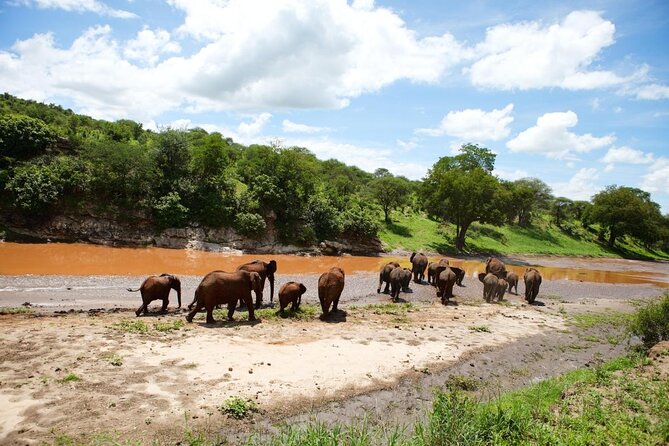
This trip gives you a useful sample of northern Tanzania in a short period. Tarangire offers elephants and birdlife among acacias and seasonal wetlands. Serengeti brings huge open plains and some of Africa’s best-known predators. Ngorongoro Crater packs a remarkable range of animals into a collapsed volcanic caldera.
That variety matters. You are not simply ticking off three names on a map. Each park changes the feel of the safari. Tarangire can feel wooded and intimate, Serengeti wide and exposed, and Ngorongoro concentrated and dramatic.
At $1,333.34 per person, the price is aimed at people who want the classic route without paying for a private vehicle or high-end lodge safari. Transport in a four-wheel-drive safari vehicle, park fees and taxes, camping equipment, guide services, and meals are included. International flights, a Tanzanian visa, insurance, tips, laundry, and communication costs are not.
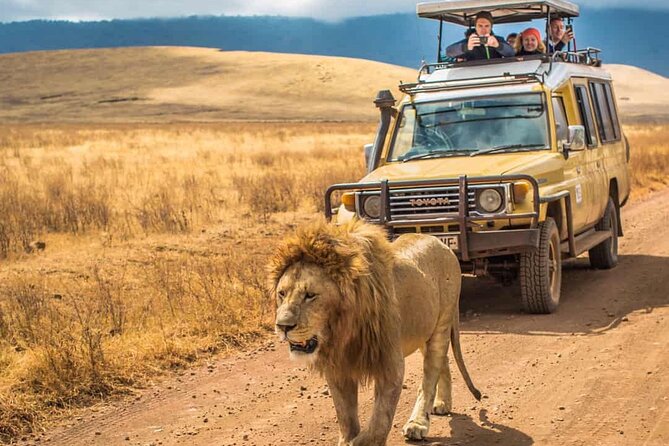
The group may reach 15 people. That is reasonable for a budget safari, but it affects the rhythm of the day. You will share sightings, meal times, and space in the vehicle. If you want the guide to stop instantly whenever you spot a bird or to change the plan around your interests, a private safari will suit you better.
Other park itineraries that start in Arusha:
- Serengeti Balloon Safari and authentic bush breakfast
★ 5.0 · 2,480 reviews - Balloon Safari & Bush Breakfast in Serengeti – Miracle Experience
★ 5.0 · 1,646 reviews - 4 Days Group Camping Safari
★ 5.0 · 1,101 reviews
Day 1: Tarangire’s elephants and year-round wetlands
Pickup is scheduled in Arusha early in the morning, with the day described as beginning around 6:30 a.m. The meeting information gives a 7:30 a.m. start, so confirm the exact pickup time and location before departure. The drive to Tarangire covers about 120 kilometers on paved road.
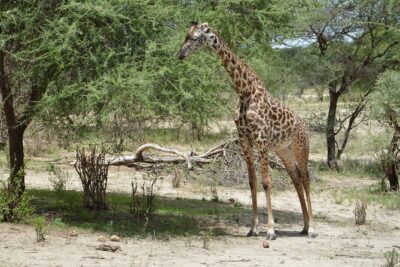
Tarangire National Park covers roughly 2,850 square kilometers and is known for large concentrations of wildlife outside the Serengeti area. Its green swamps draw animals and birds, and the park is especially appealing if you enjoy watching elephants, giraffes, buffalo, zebra, impala, and antelope.
The birdlife is a major part of the experience. Up to 550 bird species are associated with the park, including the kori bustard, the largest flying bird, ostriches, and ground hornbills. You might also see lions, leopards, and pythons, though no sighting is guaranteed.
The first day is listed at about seven hours. After lunch, you continue with afternoon game viewing before heading to your overnight camp. This makes Tarangire a strong opening day because you begin seeing wildlife soon after leaving Arusha, rather than spending the whole day in transit.
The drawback is that this is not a leisurely arrival day. An early pickup, a road transfer, lunch, and game drives create a full schedule. Bring water, sun protection, and a small bag with items you want close at hand in the vehicle.
Day 2: The long road into Serengeti National Park
After breakfast near Mto wa Mbu, you head toward the Serengeti through the cooler highland region. The listed driving and game-viewing time is about nine hours, making this the most demanding day of the four.
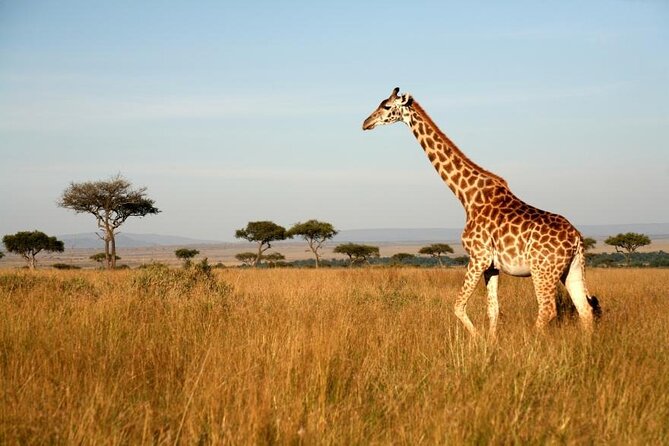
The reward is the change in scenery. The route moves from highland country toward the Serengeti’s open grass plains, dry savannah, marshy areas, and woodland. As the road reaches the park, the sense of space changes. You begin to understand why the Serengeti is linked with large herds and far-ranging predators.
The park is home to the annual movement of wildebeest and zebra. The supplied schedule places the main movement from northern areas toward the southern plains during the short rains in November and December, followed by a return north. The exact view depends on the season and the animals’ location, so you should not book this four-day trip solely on the promise of seeing the migration.
Even outside migration periods, Serengeti is valuable for predator sightings. Gazelles, impalas, wildebeest, and zebra support lions, cheetahs, and leopards. The open ground can make animals easier to spot at a distance, while the size of the park means some drives involve patient searching rather than constant action.
This is the day when the budget nature of the tour is clearest. You cover a lot of ground, and the vehicle becomes your main viewing platform for hours. I would choose this trip if reaching the Serengeti matters more to me than having a slow, luxury-style schedule.
Day 3: Morning predators and a crater-rim sunset
You start with an early game drive in the Serengeti. Morning light is often the most attractive time for photography, and the itinerary is designed to give you another chance to find lions, cheetahs, leopards, and grazing animals before leaving the park.
The guide’s skill matters greatly here. Several guides connected with this safari have been praised for explaining animal behavior, finding wildlife, and driving safely. Salim was singled out for long experience and finding good viewing spots, while Joel was praised for explaining animal and bird life. Bryson was described as friendly and effective on game drives, and Frankie received strong praise for his animal facts.
After breakfast, you leave the Serengeti and travel toward Ngorongoro. The drive is not just a transfer between attractions. It shifts the experience from the Serengeti’s huge open range to the crater’s enclosed world.
At the rim, the caldera drops about 600 meters to its floor. The overnight campsite is positioned near the crater edge, allowing you to watch the light change over the springs and open floor below. The view is one of the trip’s strongest moments, although camping at altitude can feel cool and basic compared with a lodge.
Day three runs about eight hours and includes breakfast, lunch, and dinner. It is another packed day, but the combination of an early wildlife drive and a crater-rim evening gives it a clear sense of progression.
Other safaris people book out of Arusha:
- 5 Days Group Camping Safari
★ 5.0 · 730 reviews - 3 Days Serengeti & Ngorongoro Group Camping Safari
★ 5.0 · 574 reviews - 7-Day Premium Luxury Tanzania Safari All-Inclusive
★ 5.0 · 426 reviews - 3-Day Classic Serengeti Safari
★ 5.0 · 263 reviews
Day 4: Ngorongoro Crater and the final drive to Arusha
After an early breakfast, you descend on a narrow, steep road into Ngorongoro Crater. The descent itself is part of the experience. From the rim, the crater looks immense; on the floor, the walls surround you and create a very different setting from the Serengeti.
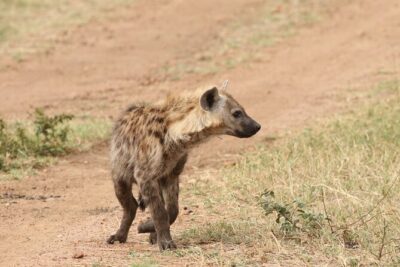
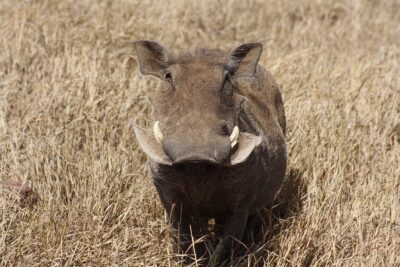
The crater supports zebra, hippos, hyenas, wildebeest, warthogs, buffalo, rhinos, lions, elephants, and leopards. This concentration of wildlife gives you one of the better chances on the route to see several major species in a short game drive.
The Big Five are present, but seeing all five is luck, not a feature you should treat as guaranteed. The supplied accounts include sightings of lions very close to the vehicle and successful Big Five trips, but wildlife conditions change from day to day.
You stop for a picnic lunch before leaving the crater and driving back to Arusha. The listed final day takes about six hours, with arrival in the late afternoon. Because traffic, park conditions, and wildlife stops can affect timing, avoid booking an important evening flight or fixed appointment without allowing plenty of room.
What camping is really like on this safari
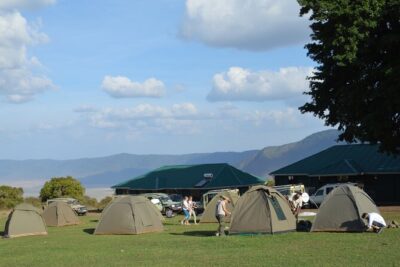
Camping is the reason this tour can cover such famous parks at this price. Tents, sleeping mats, chairs, and tables are included, so you do not need to bring a full camping kit. Three dinners, four lunches, and three breakfasts are also provided.
The food receives unusually warm praise. Chef John was credited with serving tasty meals after long days in the sun, while Prosper was praised for generous food and good service. That matters more than it may sound. After several hours in a safari vehicle, a filling meal can make the evening much more comfortable.
Still, camping is not the same as staying in a lodge. You should expect a simpler overnight setup and shared group routines. The information supplied does not specify private bathrooms, room arrangements, or the exact camp facilities, so ask before booking if those details affect your decision.
The best approach is to pack for practical comfort: light layers, a warm layer for the crater rim, sturdy shoes, sun protection, and a small day bag. Keep valuables and important items with you rather than buried in larger luggage.
The guide and vehicle can shape your whole experience
A safari route is only part of the value. Your guide controls the pace, explains what you see, handles the long road sections, and looks for animals that may be hidden in grass or trees.
The guides named in the supplied experiences include Salim, Joel, Bryson, Frankie, Jordan, Juma, Elias, and Mo. Salim was praised for his long experience and ability to find wildlife. Joel was described as friendly and well informed about animals and birds. Bryson received praise for safe driving and clear explanations, while Mo was remembered for caring for a group of solo participants and keeping the mood light.
Those details point to the kind of service you can expect from this operator, but a specific guide is not promised in the tour details. If one particular guide matters to you, request that person when booking, then understand that availability may decide the final assignment.
The group size of up to 15 also deserves attention. A larger group can be fun for solo visitors and helps keep the cost reasonable. It can also mean more opinions about when to stop, where to sit, and how long to spend at a sighting.
How the price compares with the experience
The $1,333.34 cost covers the expensive basics of a safari: park fees and taxes, a four-wheel-drive vehicle, an English-speaking professional guide, camping equipment, and most meals. You are paying for access to three of Tanzania’s best-known wildlife areas without the cost of a private itinerary.
The value is strongest if you are comfortable with simple camping and long drives. You can see Tarangire, Serengeti, and Ngorongoro in four days, which is efficient for someone with limited time.
The value is weaker if your priority is spacious accommodation, private guiding, or long, quiet periods at each sighting. A four-day route covering this much ground cannot offer the same relaxed pace as a longer safari.
Budget for a Tanzanian visa, international flights, travel insurance, tips, laundry, and communication. The tour offers pickup and returns to the meeting point in Arusha, but confirm whether your preferred hotel or airport transfer is included before you rely on it.
Who should book this four-day safari
I would recommend this trip to a first-time safari visitor who wants the classic northern circuit at a controlled cost. It also suits solo people who like meeting others, especially since the shared format can turn a long drive into a social part of the trip.
It is a good match for wildlife fans who want variety. Tarangire’s elephants and birds, Serengeti’s predators and open plains, and Ngorongoro’s dense animal viewing each offer something different.
I would hesitate if you dislike early starts, rougher camping, or long stretches in a vehicle. I would also choose a longer or private trip if photography is your main aim and you need more control over stops and timing.
The activity can be canceled for a full refund up to 24 hours before the start time. Changes made within that final 24-hour period are not accepted, so check your plans before the cutoff.
Should you book it?
Book this safari if you want the big northern Tanzania highlights in four days and accept that the schedule will be full. The combination of included equipment, meals, park access, and a guide makes the price fair for a camping trip, and the route gives you a real taste of three very different wildlife areas.
Before paying, confirm the pickup time, camping facilities, group size for your departure, and whether a preferred guide is available. If you can handle the early mornings and road time, this is a sensible, high-value introduction to Tarangire, Serengeti, and Ngorongoro.
FAQ
Where does the safari start and finish?
The safari starts in Arusha, Tanzania, with pickup offered. It ends back at the meeting point in Arusha.
How long does the safari last?
The experience lasts approximately four days.
What time does pickup begin?
The daily details describe pickup from an Arusha hotel at 6:30 a.m., while the meeting information gives a 7:30 a.m. start. Confirm the exact time with the operator before departure.
Which parks are included?
The route includes Tarangire National Park, Serengeti National Park, and Ngorongoro Crater.
What meals are included?
The tour includes three breakfasts, four lunches, and three dinners.
Is camping equipment provided?
Yes. The included equipment covers tents, sleeping mats, chairs, tables, and other camping equipment used for the safari.
How many people can join the group?
The maximum group size is 15 people.
Is a guide included?
Yes. Transportation is provided in a four-wheel-drive safari vehicle with a professional English-speaking guide.
What is not included in the price?
International flights, a Tanzanian visa, travel insurance, tips, and personal costs such as laundry and communication are not included.
More camping and lodge safaris from Arusha
- 5 Days Camping Tarangire, Serengeti & Ngorongoro crater & Visiting Maasai
★ 5.0 · 229 reviews - 5 Days Best of Tanzania Luxury Safari Northern Circuit
★ 5.0 · 174 reviews - 6 Days Private Budget Safari
★ 5.0 · 163 reviews - 2 Days Tarangire and Ngorongoro Group Camping Safari
★ 5.0 · 146 reviews
Just added in Arusha
- 4 Days Private Midrange Lodge Safari to Serengeti & Ngorongoro★ 5.0 · 4 reviews
- Extraordinary Hot air Bolloon ride in Serengeti | BURIGI CHATO SAFARIS CO L.T.D★ 5.0 · 6 reviews
- 3 days leopard safaris★ 5.0 · 4 reviews
- 8 Days Serengeti Migration safari★ 5.0 · 11 reviews
- tarangire, ngorongoro & lake manyara park 3 days private tour★ 5.0 · 11 reviews
- Mt. Kilimanjaro: Shira plateau to Cathedral point 3872m Day hike★ 5.0 · 7 reviews
- serengeti, ngorongoro & tarangire 4 days private tour★ 5.0 · 18 reviews
- tarangire & ngorongoro 2 days tour★ 5.0 · 14 reviews
Camping & Lodge Safaris, compared.
3 Days Serengeti & Ngorongoro Group Camping Safari
Read our review →
5 Days Best of Tanzania Luxury Safari Northern Circuit
Read our review →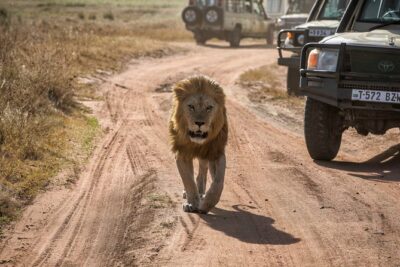
2 Days Tarangire and Ngorongoro Group Camping Safari
Read our review →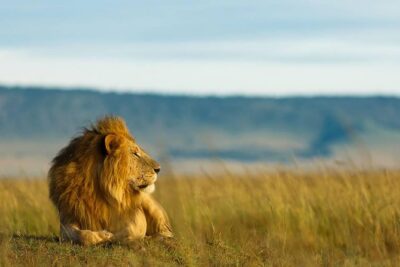
5-Day private Camping Safari Tour in Tanzania
Read our review →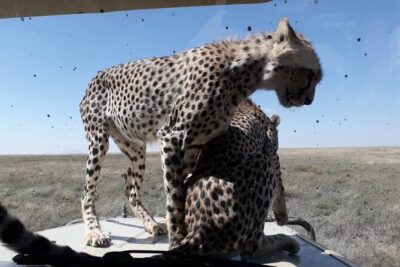
5 Days Tanzania Group Joining Safari, Tarangire/Serengeti/Ngorongoro Crater
Read our review →Browse the lists this tour appears in