
Reviewed · CAMPING & LODGE SAFARIS
6 Days Budget Tanzania Camping Safari
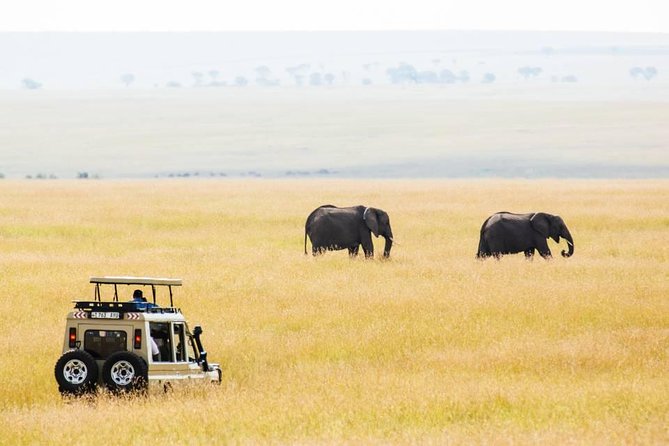
The appeal here is simple: you sleep in a tent close to the bush, then spend your days looking for elephants, big cats, herds, and other wildlife from an open-roof 4×4. This is a real camping safari, not a lodge holiday with a tent-shaped room.
I like the personal setup, with a driver-guide and cook traveling with you, and I like the route. Tarangire, Lake Manyara, the Serengeti, and Ngorongoro each offer a different setting and wildlife experience. Names connected with the operating crew include Saadi, Modi, and Ally Simba, so it is worth asking who will lead your departure.
The tradeoff is the pace. Several days involve long drives and very early starts, while basic camping means fewer comforts than a lodge. If you want a soft bed, private bathroom, and plenty of downtime, this may feel demanding.
Key points to know before booking
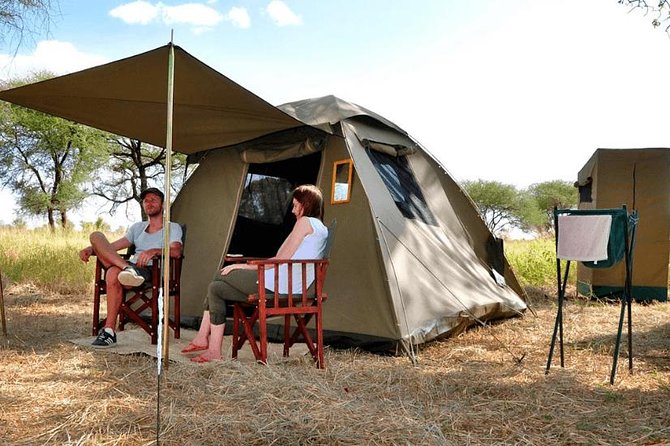
- Basic camps close to the bush: You receive a tent, sleeping bag, cot, camping facilities, solar-heated showers, eco-friendly toilets, and night security.
- Four major safari areas in six days: The route covers Tarangire, Lake Manyara, Serengeti National Park, and Ngorongoro Crater.
- A cook travels with you: Meals are prepared during the safari, with six lunches, five breakfasts, and five dinners included.
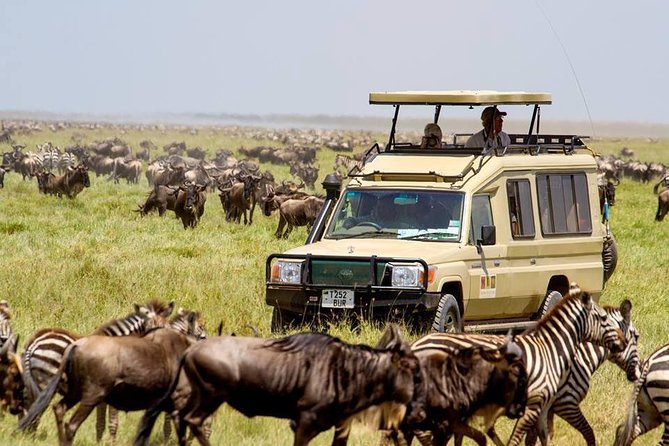
- Open-roof 4×4 viewing: The safari vehicle is designed for wildlife watching, with a roof that opens for better views and photographs.
- Small group size: The maximum listed group size is six people, which helps keep the vehicle less crowded.
- Long wildlife days: The fourth day lasts about 12 hours, and some driving days take five to seven hours.
What $1,780 pays for on this Tanzania safari
At $1,780 per person, this is not the cheapest way to see Tanzania, but it offers a lot for six days. The price includes transport in a 4×4, a driver-guide, a personal cook, camping equipment, accommodation during the safari, park admissions where specified, mineral water, meals, and airport pickup.
That matters because safari costs can rise quickly once you add park fees, vehicle hire, food, and camping gear. Here, you do not need to bring a tent, cot, or sleeping bag. The cook also removes the daily problem of finding meals while you are moving between parks.
The value is strongest if you want several major parks in one trip and are comfortable with basic conditions. You pay less than you typically would for a lodge-based safari, but you give up some privacy and comfort. Your room is a tent, your bathroom may be shared or basic, and the days are built around wildlife rather than rest.
Drinks other than mineral water are not included. Tips, travel insurance, and hotel accommodation in Arusha before or after the safari are also extra. Include those costs when setting your budget. The safari begins in Arusha at 8:30 a.m., and it ends back at the meeting point in Arusha.
Other park itineraries that start in Arusha:
- Serengeti Balloon Safari and authentic bush breakfast
★ 5.0 · 2,480 reviews - Balloon Safari & Bush Breakfast in Serengeti – Miracle Experience
★ 5.0 · 1,646 reviews - 4 Days Group Camping Safari
★ 5.0 · 1,101 reviews
Basic camping means practical comfort, not luxury
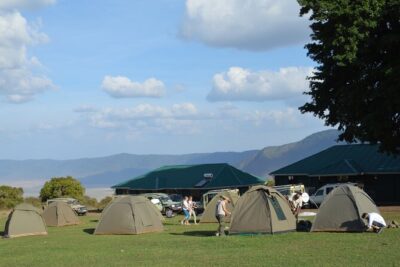
The camping setup is designed for people who want to be outdoors without carrying all their own equipment. Tents, sleeping bags, and cots are provided, so you mainly need a backpack and personal clothing.
The camps have solar-heated showers and eco-friendly toilets. That is useful, but you should keep your expectations in check. Solar-heated water depends on available sunshine, and basic camp facilities do not offer the same privacy or convenience as a lodge.
Night guards are provided at the camps. Their presence is important in a wildlife area, but it does not turn the camp into a sealed resort. You are still sleeping in a thin tent in the bush, so follow the instructions of your guide and camp staff.
I like this style of safari because the outdoor setting is part of the experience. You hear and feel more of the natural surroundings than you would from a solid hotel room. The downside is that noise, temperature, dust, and early mornings matter more.
Day 1: Tarangire brings the first wildlife sightings
You leave Arusha in the morning and drive toward Tarangire National Park. The day takes about seven hours, including the game drive and the move to camp, so expect a full first day rather than a gentle introduction.
A picnic lunch box is provided during the park visit. This keeps the schedule moving and lets you spend more time out in the park instead of returning to a restaurant.
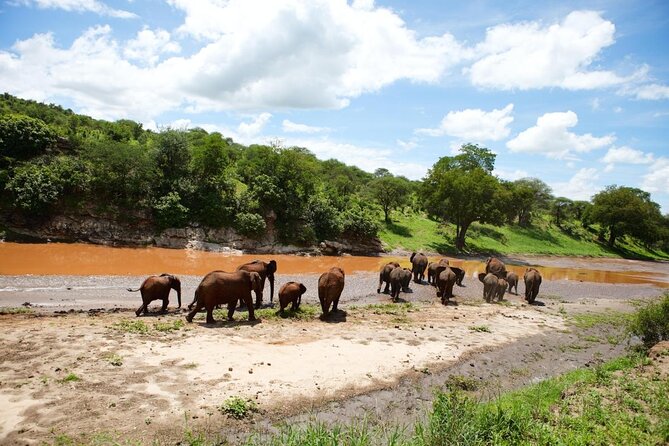
Tarangire is a strong opening stop because it gives you your first chance to settle into the safari vehicle and learn how the guide searches for animals. You can get used to scanning the trees, open areas, and water sources while the guide handles the driving and wildlife spotting.
Later, you continue to the campsite for dinner and the night. The first night is when you discover how well you handle basic camping. Pack a warm layer and keep your belongings organized, since you will be moving between camps rather than unpacking into one room for the week.
Day 2: A long day around Lake Manyara
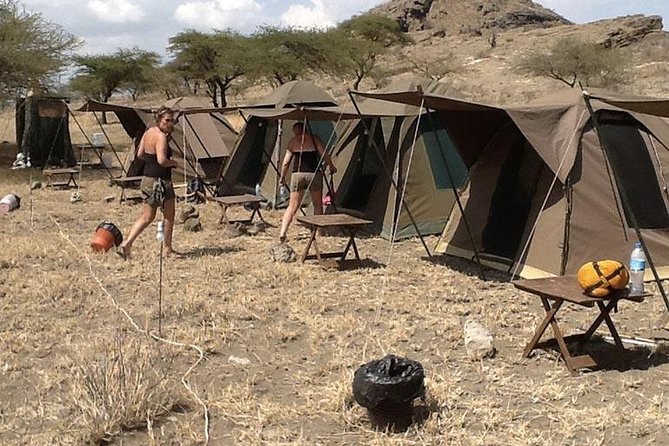
After breakfast at camp, you enter Lake Manyara National Park for a full-day game drive. The scheduled day lasts about 10 hours, making it one of the longer stretches of the trip.
Lake Manyara offers a change from Tarangire and gives the route some variety early on. You are not simply repeating the same park experience day after day. The guide can adjust the search as the day unfolds, looking for animals across different parts of the park.
The practical point is stamina. A full day in a safari vehicle can be tiring, especially after the first day of driving and camping. Bring water, sun protection, and something light to wear over your shoulders. Mineral water is included, but other drinks are not.
You return to the campsite for the night. Because the trip uses basic camps, evening time is likely to be simple: dinner, a wash, preparation for the next morning, and sleep. That rhythm suits you if you prefer early starts and outdoor days to nightlife or hotel facilities.
Other safaris people book out of Arusha:
- 5 Days Group Camping Safari
★ 5.0 · 730 reviews - 3 Days Serengeti & Ngorongoro Group Camping Safari
★ 5.0 · 574 reviews - 7-Day Premium Luxury Tanzania Safari All-Inclusive
★ 5.0 · 426 reviews - 3-Day Classic Serengeti Safari
★ 5.0 · 263 reviews
Day 3: The road to Serengeti
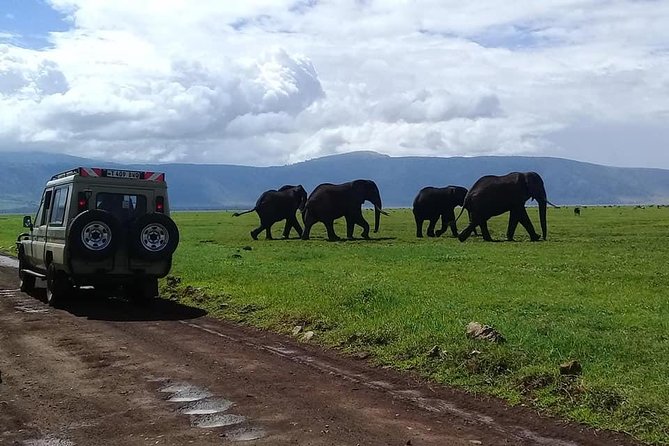
After breakfast, you leave camp for Serengeti National Park. The listed schedule is about five hours, followed by an afternoon and sunset game drive.
This is an important transition day. The Serengeti is the centerpiece for many safari plans, and arriving in the afternoon gives you a first look before the longer wildlife day that follows. The sunset drive also changes the feel of the park, with softer light and a slower end to the day.
Your guide’s skill matters here. A good driver-guide does more than point out animals. The guide manages time, watches the road, and helps you understand why the vehicle stops in one place rather than another. Saadi and Sadi are names associated with the guiding team in the supplied information, along with Ally Simba. Since staff can vary, ask who is assigned to your vehicle before departure.
You spend the night at a campsite in or near the Serengeti area. Sleeping there avoids a return to Arusha and keeps you close to the next day’s game drive. It also means you should be ready for camp conditions, not a full-service hotel.
Day 4: The longest wildlife day in the Serengeti
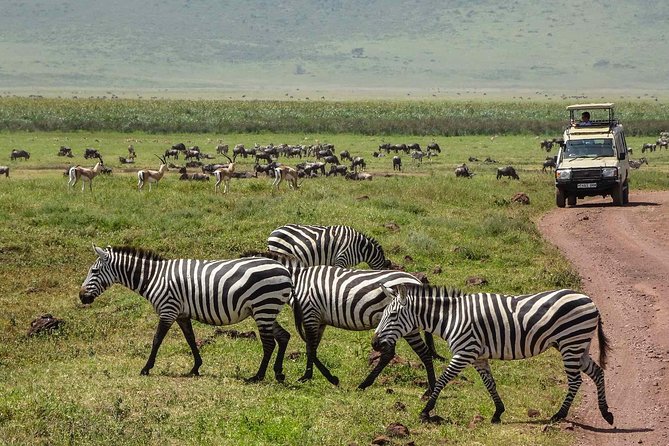
The fourth day is the main Serengeti day, with a full game drive lasting about 12 hours. This is the most demanding part of the plan, but it also gives you the best amount of time to search for herds and other wildlife.
The schedule refers to both migratory and non-migratory herds. Animal movements are not guaranteed on a fixed timetable, so the value of a full day is flexibility. You have more time to cover ground, pause when something interesting appears, and continue searching if the morning is quiet.
Twelve hours in a safari vehicle is a serious commitment. You may love the chance to spend nearly the whole day in the park, but you should not expect a relaxed schedule. The vehicle, road conditions, heat, dust, and repeated stops can wear you down.
This is where the personal cook becomes especially useful. Breakfast and dinner are included, and lunch is covered throughout the safari. You do not need to leave the park simply to find food, helping the day stay focused on wildlife.
Keep your camera and essentials easy to reach. You will not want to rummage through a large bag every time the vehicle stops. A small day bag, sun protection, and a light jacket are practical additions to the supplied camping gear.
Day 5: A final Serengeti morning and the move toward Ngorongoro
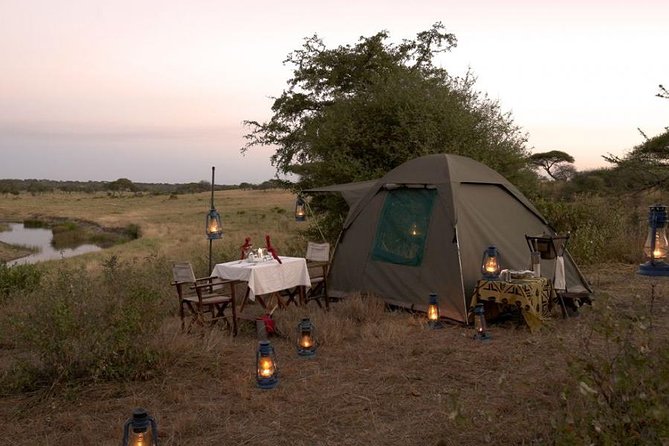
Day five begins with a half-day game drive in the Serengeti. This gives you one more chance to look for animals before leaving the park.
A half-day is also a useful balance after the 12-hour day. You still have time in the Serengeti, but the schedule does not ask you to repeat another full day before a major transfer.
Later, you move toward the Ngorongoro Conservation Area for the night. The plan lists about six hours for the day. There is no park admission charge listed for this stop, though the overall package includes the required admissions where specified.
The move helps connect the Serengeti portion with the final crater visit. It also means you are changing camps again, so pack with movement in mind. Keep items you need at night separate from gear that can stay packed.
Day 6: Ngorongoro Crater and the return to Arusha
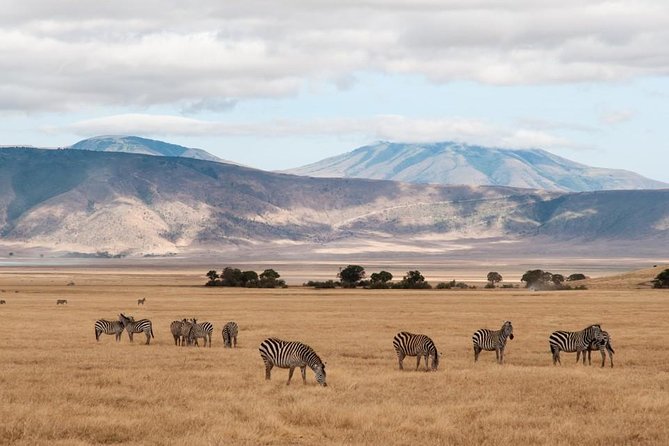
You have an early breakfast before entering Ngorongoro Crater for a half-day game drive. The early start is practical because it gives you time on the crater floor before the return journey.
Ngorongoro is a fitting final stop because it offers a very different setting from the open plains of the Serengeti. The crater floor concentrates a wide range of wildlife in a contained area, making a half-day visit worthwhile even though the final drive to Arusha still lies ahead.
After lunch, you drive back to Arusha. The day is listed at about six hours, so do not plan an important evening flight unless you have confirmed the timing directly with the operator. The activity ends back at the original meeting point.
Airport pickup is included, but the supplied details do not specify every transfer time or vehicle arrangement. Give the operator your flight details when booking and confirm where the airport pickup meets you.
The cook and guide shape the whole experience
The cook is not a small extra here. On a camping safari, food affects your energy, comfort, and schedule. Modi is specifically associated with the cooking team, and meals are described as a strong part of the operation. You receive six lunches, five breakfasts, and five dinners, plus mineral water.
The driver-guide is just as important. You spend long hours in the vehicle, so the guide’s driving, animal spotting, communication, and sense of timing will shape your days. Ask about the assigned crew, especially if you have heard of Saadi, Sadi, Modi, or Ally Simba and hope to travel with one of them.
The maximum group size is six people. That is a good limit for a safari vehicle because it leaves more room for each person to see out and take photographs. It also makes a personal cook and guide arrangement feel more manageable than a large coach tour.
Who will enjoy this safari most
I would choose this trip if you want Tanzania’s major parks in a short, organized package and you are happy to camp. It suits people who value time in the parks more than hotel comfort.
It is also a sensible choice if you want help with the difficult parts. The operator handles transport, camping equipment, meals, park access where included, and airport pickup. You do not need to arrange separate transfers between every park.
This is less suitable if you need a private bathroom, a quiet late morning, or a fixed daily routine. The 12-hour Serengeti day and repeated five to seven-hour travel periods demand flexibility.
You should also be comfortable with the possibility that wildlife sightings vary. The route gives you several strong chances, but no safari can promise a particular animal or migration position on a particular day.
What to pack for six nights of basic camping
You receive the main camping items, so focus on personal gear rather than bringing bulky equipment. Useful choices include:
- Lightweight clothing that can be layered
- A warm layer for early mornings and evenings
- Sun protection
- Comfortable shoes
- A small day bag for the vehicle
- Personal toiletries
- Camera equipment and spare power supplies
- Any medication you need
The provided information does not state a luggage limit, so ask before departure if you are bringing a large suitcase. A compact bag is easier to manage when changing camps several times.
Keep important items close during long drives. Your passport, insurance details, camera, medications, and money should not be buried in the main luggage.
Booking, cancellation, and practical details
The tour starts in Arusha at 8:30 a.m. Pickup is offered, including airport pickup, and the activity ends back at the meeting point in Arusha.
Most people can participate, and the maximum group size is six. The details do not give a separate accessibility assessment, so contact Simba Adventures directly if you have mobility, medical, or other participation concerns.
Free cancellation is available if you cancel at least 24 hours before the local start time. Cancellations made less than 24 hours before the start are not refunded, and late changes are not accepted.
Should you book this six-day camping safari?
Book it if your priority is four major northern Tanzania parks, a small group, and genuine tent camping at a packaged price. The route is full, the meals and equipment are covered, and the open-roof vehicle gives you the right setup for wildlife viewing.
Think twice if you want a lodge holiday with long breaks and polished facilities. This is a busy safari with a very long Serengeti day, basic camps, and several substantial drives.
For the right person, $1,780 is a fair package price because it combines transport, crew, food, camping gear, and much of the park logistics. Ask who your guide and cook will be, confirm airport arrangements, and budget for tips, drinks, insurance, and Arusha hotels. If you are ready for early mornings and a little dust, this plan gives you a strong first taste of Tanzania’s best-known safari country.
FAQ
Where does the safari start?
The safari starts in Arusha, Tanzania, at 8:30 a.m.
Where does the safari end?
The activity ends back at the meeting point in Arusha.
Is airport pickup included?
Yes. Airport pickup is included in the package.
Which parks and protected areas does the safari visit?
The route includes Tarangire National Park, Lake Manyara National Park, Serengeti National Park, the Ngorongoro Conservation Area, and Ngorongoro Crater.
What type of vehicle is used?
The safari uses a 4×4 vehicle with a roof that opens for wildlife viewing.
What camping equipment is provided?
Tents, sleeping bags, cots, and other camping facilities are provided. Camps also have solar-heated showers, eco-friendly toilets, and night guards.
Are meals included?
Yes. The package includes six lunches, five breakfasts, and five dinners. Mineral water is also included.
What is not included in the price?
Tips, drinks other than the included mineral water, travel insurance, and hotel accommodation in Arusha before or after the safari are not included.
How large is the group?
The maximum group size is six people.
Can I cancel for a full refund?
Yes, if you cancel at least 24 hours before the experience start time. Cancellations made less than 24 hours before the start are not refunded.
More camping and lodge safaris from Arusha
- 5 Days Camping Tarangire, Serengeti & Ngorongoro crater & Visiting Maasai
★ 5.0 · 229 reviews - 5 Days Best of Tanzania Luxury Safari Northern Circuit
★ 5.0 · 174 reviews - 6 Days Private Budget Safari
★ 5.0 · 163 reviews - 2 Days Tarangire and Ngorongoro Group Camping Safari
★ 5.0 · 146 reviews
Just added in Arusha
- 4 Days Private Midrange Lodge Safari to Serengeti & Ngorongoro★ 5.0 · 4 reviews
- Extraordinary Hot air Bolloon ride in Serengeti | BURIGI CHATO SAFARIS CO L.T.D★ 5.0 · 6 reviews
- 3 days leopard safaris★ 5.0 · 4 reviews
- 8 Days Serengeti Migration safari★ 5.0 · 11 reviews
- tarangire, ngorongoro & lake manyara park 3 days private tour★ 5.0 · 11 reviews
- tarangire & ngorongoro 2 days tour★ 5.0 · 14 reviews
- Mt. Kilimanjaro: Shira plateau to Cathedral point 3872m Day hike★ 5.0 · 7 reviews
- serengeti, ngorongoro & tarangire 4 days private tour★ 5.0 · 18 reviews
Camping & Lodge Safaris, compared.
3 Days Serengeti & Ngorongoro Group Camping Safari
Read our review →
5 Days Best of Tanzania Luxury Safari Northern Circuit
Read our review →
2 Days Tarangire and Ngorongoro Group Camping Safari
Read our review →
5-Day private Camping Safari Tour in Tanzania
Read our review →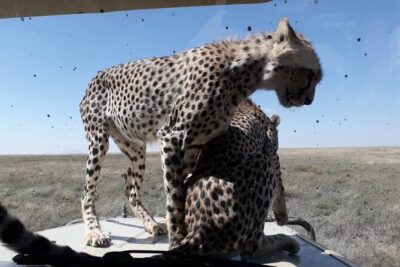
5 Days Tanzania Group Joining Safari, Tarangire/Serengeti/Ngorongoro Crater
Read our review →Browse the lists this tour appears in