
Reviewed · CAMPING & LODGE SAFARIS
6-day Private Camping Safari Tour from Kilimanjaro Airport
Tarangire’s elephant herds and the Serengeti’s open plains are the big draw here. Over six days, you cover four major northern Tanzania parks, with the freedom of a private vehicle and a route that gives the Serengeti several full days instead of treating it as a quick stop.
I like the practical setup: airport pickup, all meals, a certified guide, and campsites that keep you close to the action. I also like the cooking. Past safari teams have included cooks such as James, Musa, Salim, and Jeremias, with fresh meals served on real dishes rather than piles of disposable plastic.
The tradeoff is time on the road. This is a packed circuit, and the itinerary contains repeated or unclear entries, especially on Days 1, 4, and 6. Confirm the exact camping, lodge, park-fee, and final-drop-off details before you pay.
Key points to know before booking
- Tarangire opens the trip with elephants: Expect a full-day drive among baobabs, dry riverbeds, zebra, buffalo, impala, gazelle, wildebeest, and eland.
- The Serengeti gets the most time: Days 2 through 5 focus on the park, especially the Seronera area, where the river draws a wide range of wildlife.
- Ngorongoro adds a major scenic change: You travel through the conservation area and spend time near the crater, with a crater visit listed for Day 5.
- Lake Manyara closes the route: The final game drive looks for birds, buffalo, zebras, and the park’s famous tree-climbing lions.
- Private means your group rides together: You do not share the safari activity with another booking group.
- The price reflects a full-service circuit: At $2,400 per person, the value depends on the vehicle, guide, park fees, camping standard, and how clearly the company confirms what is included.
A six-day route through Tanzania’s northern parks
This safari is built around Tanzania’s northern circuit, the country’s best-known combination of wildlife areas. You begin near Arusha after pickup at Kilimanjaro Airport, then move through Tarangire, the Serengeti, Ngorongoro, and Lake Manyara.
That sounds tidy on a map. In practice, it is a demanding trip with long drives, early starts, dusty roads, and several hours in the safari vehicle most days. The reward is variety. You get elephant country, open grass plains, a volcanic crater, forest and lake habitat, and several chances to search for the Big Five.
The private format matters. You can ask your guide to slow down, explain an animal, or spend more time at a sighting without working around a large coach. Past guides on this program have included Lewis, Damien, Freddy, Max, Amiry, and Frank, also called Jumbe. Your actual guide is assigned by the company, so confirm the name and language before departure if that matters to you.
Other routes up the mountain from Arusha:
- 8-Day Small-group Lemosho Kilimanjaro Summit Trekking
★ 5.0 · 186 reviews - 5 Days Best of Tanzania Luxury Safari Northern Circuit
★ 5.0 · 174 reviews - 7-Day Machame Kilimanjaro Summit Tour from Arusha
★ 5.0 · 125 reviews
Day 1: Tarangire and the elephant country
The first full safari day takes you to Tarangire National Park after an early breakfast. You spend about six hours on a game drive and carry a picnic lunch, then return to Lilac Campsite for dinner and the night.
Tarangire is a strong opening act. During dry periods, wildlife gathers around remaining water sources, and elephants are the park’s signature sight. The route description also lists wildebeest, zebra, buffalo, impala, gazelle, hartebeest, and eland. With luck, you may see large elephant groups working around dry riverbeds and shrinking lagoons.
The park also gives you a different feel from the Serengeti. Instead of endless grassland, you may find more varied country, with trees and broad views. That variety makes Tarangire a good first stop, especially if elephants are high on your list.
There is a duplication in the supplied schedule, with Tarangire listed twice for Day 1. It appears to describe one full-day game drive rather than two separate activities, but ask the operator to confirm the actual plan. Also ask what Lilac Campsite provides, since private camping can mean anything from a basic tented setup to a more comfortable furnished camp.
Day 2: Crossing into the Serengeti
After breakfast, you head toward Serengeti National Park with a picnic lunch. The route passes through the Ngorongoro Conservation Area, and the schedule allows for wildlife viewing along the way before dinner and an overnight stay at Seronera Campsite.
This is one of the longer transfer days, so expect the road and scenery to be part of the experience. You are moving from the higher country around Ngorongoro toward the Serengeti plains. The change is gradual, and a good guide will use the drive to explain the animals and places you pass.
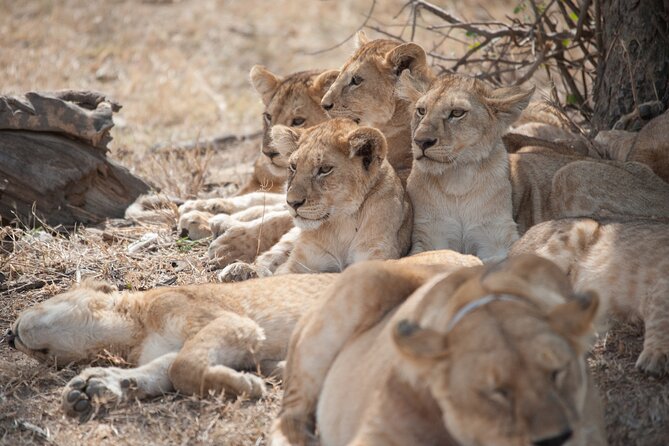
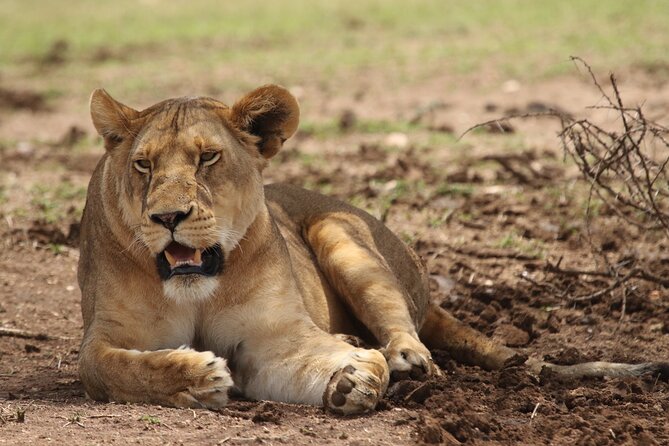
The wildlife list for this section is ambitious: lions, leopards, cheetahs, hyenas, elephants, caracals, honey badgers, and African wild dogs. These are possibilities, not promises. Leopards, wild dogs, caracals, and honey badgers are far less predictable than zebra or impala, but the route gives you a genuine chance to look.
Seronera is a useful base because it is in central Serengeti rather than at the park edge. That reduces repeated long transfers once you begin the main game drives. Camping here also puts you in the middle of the safari zone, though you should be comfortable with basic outdoor conditions.
Day 3: A full day around Seronera
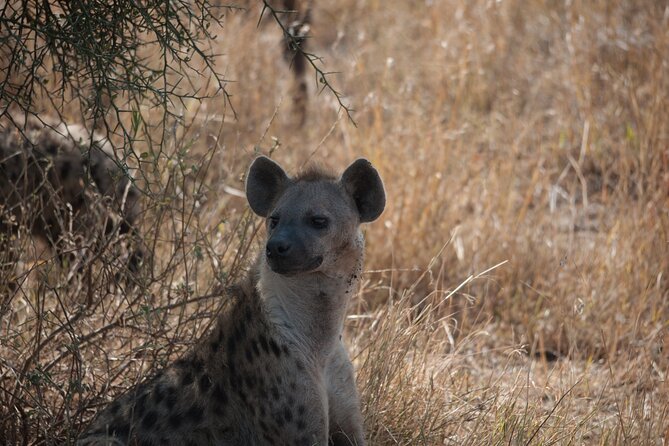
Day 3 is the clearest wildlife day of the trip. After breakfast, you leave camp for a full-day drive with a picnic lunch, take a short break around midday, and continue until late afternoon before returning to Seronera Campsite.
The Seronera area is known for its river and the wildlife that gathers near dependable water. This is where a skilled guide can make a real difference. The best sightings are not always beside the road, and guides who know how to read tracks, calls, and the behavior of other vehicles can help you spend your limited time well.
Past safari crews have praised guides such as Lewis, Damien, Freddy, and Amiry for finding animals and explaining what you are seeing. You may also hear plenty of practical detail from the driver, not just a list of species. Ask questions. The more specific your questions are, the more useful the drive becomes.
Your meals are listed as full board, meaning breakfast, lunch, and dinner. The food is a genuine strength of this style of safari when the cook is good. Freshly prepared dishes, served on proper plates, make a long day in the vehicle feel much better than a cold boxed lunch. Still, bring a refillable water bottle and small snacks if you need food between meal times.
Other park itineraries that start in Arusha:
- Serengeti Balloon Safari and authentic bush breakfast
★ 5.0 · 2,480 reviews - Balloon Safari & Bush Breakfast in Serengeti – Miracle Experience
★ 5.0 · 1,646 reviews - 4 Days Group Camping Safari
★ 5.0 · 1,101 reviews - 5 Days Group Camping Safari
★ 5.0 · 730 reviews
Day 4: More Serengeti time, with an unclear schedule
The fourth day is described as another full day in central Serengeti and the Seronera area. The route emphasizes the endless plains and the Seronera River, with a chance to continue looking for the park’s main species.
This extra time is valuable. Wildlife does not follow a timetable, and a second or third drive in the same area gives you more chances to catch behavior rather than just a quick animal sighting. You may see predators resting, prey moving between water and feeding grounds, or large herds spread across the plains.
The schedule also lists Ngorongoro Conservation Area on this day, but the description repeats the Serengeti program. Do not assume you will visit the crater on Day 4. Ask for a day-by-day version showing where you sleep, when you leave Serengeti, and whether any crater activity occurs before Day 5.
This is also a good point to discuss the camping arrangement. The tour is sold as a private camping safari, yet later wording refers to a lodge in the Ngorongoro Conservation Area. That may mean a change from public campsite camping to lodge accommodation, or it may simply be loose wording. Get the accommodation names in writing.
Day 5: Leaving the plains for Ngorongoro
The morning begins with more Serengeti game viewing, often in the Seronera area, before lunch and the drive toward Ngorongoro Conservation Area. The schedule also lists Ngorongoro Crater as part of the day.
Ngorongoro changes the tone of the safari. The crater is a vast enclosed wildlife area formed by a collapsed volcanic cone, and its walls create a dramatic setting for game viewing. The supplied plan does not give a precise crater descent time or duration, so ask whether the crater floor drive is included, scheduled for the next morning, or only represented by the destination heading.
This distinction matters. A visit to the crater is not the same as sleeping near it or driving through the conservation area. If the crater is one of your main reasons for booking, confirm the permit, descent, and game-drive timing before departure.
The move from Serengeti to Ngorongoro is another long travel section. You will spend less time searching for animals than on a full Serengeti day, but the change of scenery is worthwhile. You trade the open plains for higher ground and a more enclosed setting.
Day 6: Lake Manyara and the final game drive
After breakfast at the lodge, pickup is scheduled for around 8:30 to 9:00 a.m., with a picnic lunch for the drive to Lake Manyara National Park. The plan allows an extended game drive and names birds, zebras, buffalo, and tree-climbing lions as possible sights.
Manyara is a good final stop because it adds habitat not covered by the Serengeti. The park’s birdlife is a major reason to bring binoculars, and the mix of trees, open areas, and lake country can produce a different set of sightings from the dry plains.
Tree-climbing lions are the headline attraction, but they are never guaranteed. Keep your expectations broad. A good day here can be about bird species, a buffalo herd, or the simple contrast between forest and open country.
The schedule does not state the final drop-off point or time. If you are connecting to a flight, a hotel, or another activity, ask exactly where the safari ends and allow plenty of margin. The listed hours describe the activity, not necessarily the full door-to-door journey.
What $2,400 per person really covers
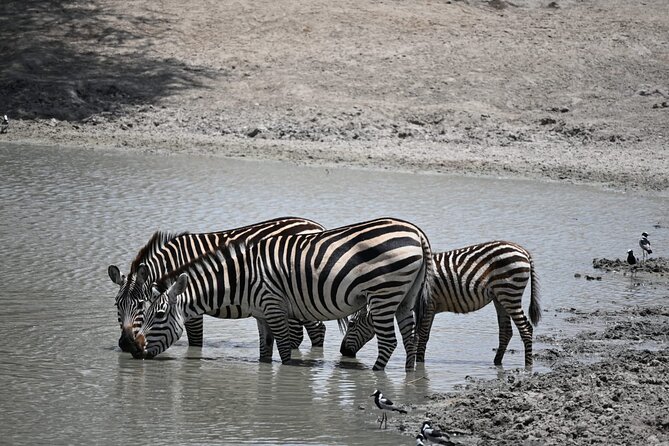
At $2,400 per person, this is not a budget camping trip. It is a substantial price, but the itinerary covers six days, a private safari vehicle, a certified guide, four major wildlife areas, breakfast six times, lunch six times, and dinner five times.
The price is easier to justify if your group values privacy and wants a single company to handle the route. You are not paying only for park visits. You are also paying for transport between distant areas, a guide who can spend days searching for animals, a cook or meal service, camping support, and trip coordination.
The value becomes harder to judge until you confirm the park fees and accommodation. Several schedule entries label admission as included, free, or give no clear fee information. Those labels conflict. Ask for a written list of inclusions covering park entry, conservation fees, crater fees, camping equipment, campsite charges, drinking water, airport transfer, and tips.
The private format can be especially good for couples, families, or a small group of friends. If you are traveling alone, the price may feel steep. If four or five people share the vehicle while keeping the group private, the cost can make more sense, provided the vehicle and camping standard suit you.
Camping comfort, meals, and daily rhythm
Camping gives this trip its sense of place, but you should not confuse it with a lodge holiday. You will have early breakfasts, dusty drives, picnic lunches, and evenings at campsites. The schedule lists Lilac Campsite and Seronera Campsite, then refers to a lodge near Ngorongoro.
That mixture may be perfectly comfortable, but it needs clarification. Ask if tents are provided, if beds or mattresses are included, and whether showers and toilets are shared. None of those details are specified, so do not assume a particular comfort level from the word private.
The food sounds better than the basic safari stereotype. The team has included cooks such as James, Musa, Salim, and Jeremias, and the strongest praise has focused on fresh cooking, tasty meals, and avoiding unnecessary plastic waste. Food quality can make a major difference when you are spending six days outdoors.
Bring a warm layer, sun protection, insect repellent, comfortable shoes, and a camera with spare batteries. The tour includes long stretches outside, but the exact packing list is not supplied, so ask the operator what camping equipment and bedding are provided.
Organization and guide quality
The company provides a certified guide, and the trip includes a briefing and coordination support. Daniel has handled briefings and trip organization, while guides and cooks form the working team in the parks.
That division of work is useful. A good briefing helps you understand departure times, meals, camp routines, and what to expect from the vehicle. A good field guide then handles the daily decisions, from where to stop for lunch to how long to stay with a sighting.
The strongest pattern in the available comments is praise for the guides’ animal-spotting ability, humor, patience, and explanations. Names that come up include Lewis, Freddy, Damien, Max, Amiry, Frank, and Jumbe. These are not a guarantee of who will lead your trip, but they show the range of staff associated with the company.
Ask who your guide and cook will be, especially if you have a strong preference for language or safari experience. Your guide can shape the whole trip, and the difference between a rushed checklist and a thoughtful safari often comes down to communication.
Who should book this safari
I would choose this trip if you want the classic northern Tanzania circuit in one concentrated visit. It suits you if elephants, lions, the Serengeti, and Ngorongoro are more important than slow mornings or luxury accommodation.
It also suits people who like a private arrangement. You can travel with your own group, ask questions freely, and avoid being placed with strangers. Families may appreciate that flexibility, though the long driving days could be tiring for very young children.
I would hesitate if you want a relaxed holiday with short transfers and plenty of downtime. Four parks in six days is ambitious. You will see a lot, but you will spend a lot of time moving between places.
I would also pause until the operator clarifies the duplicated itinerary entries, the Day 4 and Day 5 crater plan, the camping versus lodge accommodation, and the final drop-off. Those are simple questions, but the answers affect the real value of the $2,400 price.
Should you book the six-day private safari?
Book it if you want a broad, wildlife-heavy route with private transport, full-board meals, several Serengeti days, and the chance to see Tanzania’s best-known northern parks in one trip. The mix of elephants in Tarangire, open plains in Serengeti, the crater setting, and Manyara’s birds gives you a strong first safari.
Do not book it blindly. Confirm the exact schedule and inclusions first, especially park fees and the accommodation standard. If those details match your expectations, this is a well-focused choice for a first visit to northern Tanzania and a good fit for anyone who values a capable guide, fresh food, and a private vehicle more than polished luxury.
Cancellation is free up to 24 hours before the experience starts. Changes or cancellations made within 24 hours are not accepted for a refund.
FAQ
Is airport pickup included?
Yes. Pickup is offered, and the tour begins from Kilimanjaro Airport. Confirm the exact meeting instructions and final drop-off point with the operator.
Is this a private safari?
Yes. Only your group participates in the private tour or activity.
Which parks are included?
The route includes Tarangire National Park, Serengeti National Park, the Ngorongoro Conservation Area and Ngorongoro Crater, and Lake Manyara National Park.
Are meals included?
Yes. The inclusions list six breakfasts, six lunches, and five dinners.
How long are the daily activities?
The itinerary lists approximately six hours for each main daily stop. Driving between parks can add substantial time, especially on the routes into and out of the Serengeti.
Is camping used every night?
The experience is sold as a private camping safari, with Lilac Campsite and Seronera Campsite listed. The Ngorongoro portion refers to a lodge, so confirm the exact accommodation plan before booking.
More Kilimanjaro treks from Arusha
- Mountain Kilimanjaro Day Hike
★ 5.0 · 102 reviews - Private Full Day Hiking Experience to Marangu Route
★ 5.0 · 61 reviews - 4 days Best experience Kilimanjaro Hike, Serengeti &Ngorongoro
★ 5.0 · 54 reviews - From Arusha/Moshi: Kilimanjaro Hike Marangu Route Day Trip
★ 4.5 · 54 reviews
More safaris from Arusha
- 3 Days Serengeti & Ngorongoro Group Camping Safari
★ 5.0 · 574 reviews - 7-Day Premium Luxury Tanzania Safari All-Inclusive
★ 5.0 · 426 reviews - 3-Day Classic Serengeti Safari
★ 5.0 · 263 reviews - 8 Days Great Wildebeest Calving Migration Safari from Arusha
★ 5.0 · 254 reviews
Just added in Arusha
- 2-Day Private Luxury Safari from Zanzibar with Flights★ 3.2 · 5 reviews
- 7-Day Private Tanzania Safari with Sunset Walking on the Crater Rim and Maasai★ 5.0 · 40 reviews
- Saadani Day Trip★ 5.0 · 13 reviews
- Nyssa Luxury Balloon in Safaris and Serengeti★ 5.0 · 69 reviews
- Arusha National Park Day Trip★ 4.5 · 18 reviews
- Arusha National Park Private Safari★ 5.0 · 59 reviews
- Arusha: Maasai Village Tour★ 4.8 · 22 reviews
- 3 Days Serengeti & Ngorongoro Tour★ 5.0 · 22 reviews
Camping & Lodge Safaris, compared.
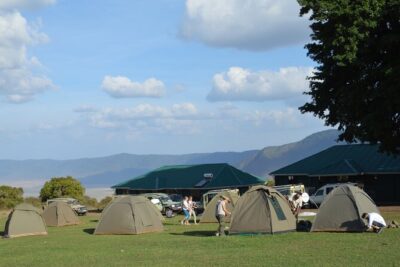
3 Days Serengeti & Ngorongoro Group Camping Safari
Read our review →
5 Days Best of Tanzania Luxury Safari Northern Circuit
Read our review →
2 Days Tarangire and Ngorongoro Group Camping Safari
Read our review →
5-Day private Camping Safari Tour in Tanzania
Read our review →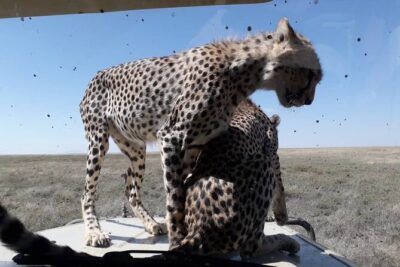
5 Days Tanzania Group Joining Safari, Tarangire/Serengeti/Ngorongoro Crater
Read our review →Browse the lists this tour appears in