
Reviewed · WILDEBEEST MIGRATION SAFARIS
Private 6-Day Tanzania Big Five Wildebeest Migration Tour in Serengeti
The main draw here is variety: in six days, you move from elephant country in Tarangire to the wide plains of the Serengeti, then down into Ngorongoro Crater and on to Lake Manyara. If your timing is right, the Serengeti portion also gives you a chance to see wildebeest moving toward the Mara River.
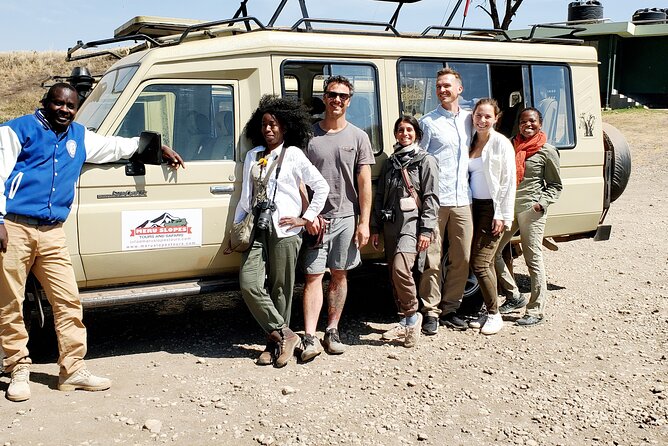
I like the fact that this is a private safari, so your group controls the pace and you are not sharing the vehicle with strangers. I also like the mix of wildlife and local experiences, including a Mto wa Mbu village walk and a Maasai boma visit. The main drawback is the long driving schedule. Several days run for about eight hours, and the route covers a lot of ground in a short time.
Key points at a glance
- Six days across four major safari areas: Tarangire, Serengeti, Ngorongoro Crater, and Lake Manyara.
- Private vehicle and guide: Only your group takes part, with a professional English-speaking guide.
- Migration timing matters: June through September offers the best chance of seeing river crossings, while January through March is calving season.
- Strong Big Five potential: Ngorongoro Crater is the main place on this route to look for black rhino, lions, elephants, buffalo, and leopards.
- Local life is part of the plan: You visit Mto wa Mbu village, banana plantations, a Maasai boma, and local food settings.
- $2,888 includes major basics: Meals, park fees, private transport, airport transfers, WiFi, and two Arusha hotel nights are included.
Why this route works for a first Tanzania safari
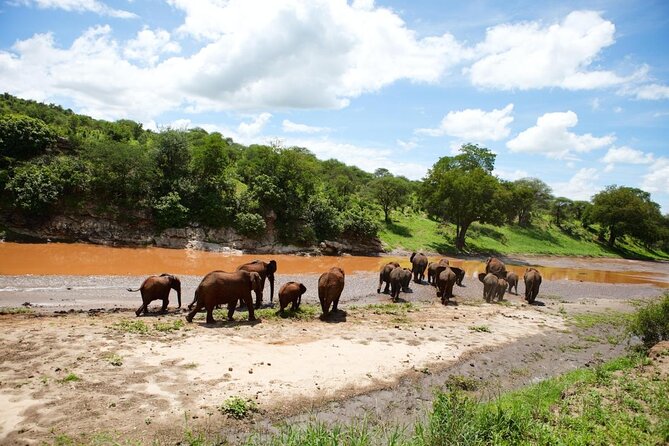
This itinerary gives you a useful introduction to northern Tanzania without asking you to choose between the country’s best-known parks. Tarangire brings elephants and baobabs. Serengeti offers the biggest sweep of open country and the best chance of following the wildebeest story. Ngorongoro adds concentrated wildlife viewing, while Lake Manyara provides a shorter, gentler final park visit.
I would consider this a classic first-safari route. You are not spending all six days in one park, so you get more variety, but you also accept longer road transfers. The experience is best for someone who wants a broad sample of Tanzania rather than a slow, specialist trip focused only on the migration.
The private format matters. You can ask the guide to spend more time with a pride of lions, pause for photographs, or move on when the scene is quiet. The supplied experience includes WiFi in the vehicle, which may be useful during long drives, though you should still treat the safari as time away from normal city routines.
Other Serengeti itineraries out of Arusha:
- Serengeti Balloon Safari and authentic bush breakfast
★ 5.0 · 2,480 reviews - Balloon Safari & Bush Breakfast in Serengeti – Miracle Experience
★ 5.0 · 1,646 reviews - 3 Days Serengeti & Ngorongoro Group Camping Safari
★ 5.0 · 574 reviews
Day 1: Tarangire’s elephants and baobab trees
The first morning begins with pickup in Arusha at about 7:30 am. Tarangire National Park is roughly 115 kilometers from Arusha, with a stated driving time of about three hours, followed by a full-day game drive.
Tarangire is a good opening park because it has a clear identity. The Tarangire River gives the park its name and attracts animals, while large baobabs and elephant groups give the scenery a memorable shape. You may also look for lions, leopards, pythons, and other wildlife during the drive.
The park covers about 2,800 square kilometers, so a full day gives your guide room to search different areas. The mention of tree-climbing pythons is unusual and adds a small reptile prize to the more familiar elephant and big-cat sightings.
After the drive, you head to Marera View Lodge for dinner and the night. This first day is full, with a three-hour transfer followed by game viewing, so I would not treat the evening as free time. It is mainly a chance to eat, rest, and prepare for a longer road day.
Day 2: Crossing toward the Serengeti
After breakfast, you pack into the safari vehicle and travel toward Serengeti National Park. Lunch is taken in the vehicle, and the route includes views toward the Rift Valley and Ngorongoro Crater.
This is a scenic transfer, but it is also one of the tour’s more demanding days. The plan puts you in central Serengeti around 3 pm, followed by an evening game drive and sunset viewing. You then sleep at Serengeti Heritage Tented Lodge inside the park.
Arriving inside the park is valuable because you do not need to spend the evening returning to a town outside the reserve. You can use the remaining daylight for wildlife viewing, and the sunset drive gives the day a proper safari finish.
Still, you should know what this day involves. Breakfast, packing, lunch on the road, long-distance driving, and an afternoon game drive make it an active schedule. If you prefer slow mornings and long stays at each viewpoint, this itinerary may feel rushed.
Days 3 and 4: The Serengeti and the migration question
Day 3 is the tour’s main Serengeti day. You eat breakfast, then spend the full day driving through the park, with the guide taking you to areas considered useful for wildlife viewing. Dinner and another night follow at Serengeti Heritage Tented Lodge.
The Serengeti is the place where timing and animal movement matter most. The great wildebeest migration changes from year to year, so no itinerary can promise a crossing. The strongest stated chance for river-crossing views is June through September, when the northern Serengeti may offer access to the Mara River area.
January through March is presented as the calving period. That makes the tour’s seasonal value different depending on your travel dates. In the dry-season months, you are aiming at movement and possible crossings. Early in the year, you may instead be looking for young animals and the predators drawn to them.
Day 4 begins early, with breakfast around 5:45 am and sunrise in the Serengeti. An early game drive runs until about 11:30 am, followed by a hot lunch, packing, and another game drive as you head toward Ngorongoro.
This is a smart use of a transfer day because you continue looking for wildlife rather than simply driving from one hotel to another. It is also a tiring day. You combine an early start, morning viewing, lunch, packing, afternoon driving, and a change of park area.
The night is at Ngorongoro Wildlife Lodge. The schedule places you near the crater before the early descent the next morning, which avoids wasting the best morning hours on a long approach.
Other trips timed to the herds from Arusha:
- 8 Days Great Wildebeest Calving Migration Safari from Arusha
★ 5.0 · 254 reviews - 10-Day Serengeti Wildebeest Migration Safari from Arusha
★ 5.0 · 218 reviews - 8 Day Spectacular Migration Serengeti mid -Range Tanzania Safari
★ 5.0 · 161 reviews - 9-Day Serengeti Migration Footsteps Tanzania Safari
★ 5.0 · 96 reviews
Day 5: Ngorongoro Crater and Mto wa Mbu
Ngorongoro Crater is the tour’s strongest concentrated wildlife day. You rise around 5:30 am, eat breakfast, and descend to the crater floor for a six to seven-hour game drive.
The crater is described as a Garden of Eden, and the appeal is easy to understand: a compact natural setting with high concentrations of wildlife. The plan specifically highlights the Big Five, black rhino, many bird species, and flamingos. You eat lunch inside the crater while continuing to watch the natural surroundings.
A long crater drive can produce some of the best animal viewing on the route, but it is not a light morning outing. The early breakfast and several hours on the crater floor require energy. Your guide’s ability to find good viewing areas will matter, especially when looking for a black rhino.
After leaving the crater, you return through the campsite to collect luggage, then continue to Marera View Lodge for dinner and the night. The day also includes a walking tour in Mto wa Mbu village. You can see banana plantations, learn about local daily life, and taste local food.
I like this addition because it keeps the safari from being only a sequence of vehicle drives. Mto wa Mbu gives you a closer look at the communities around the parks. The walk is also a good contrast after hours seated in the vehicle.
Day 6: Lake Manyara and a Maasai visit
The final day takes you to Lake Manyara National Park for a full-day game drive. The park is associated here with tree-climbing lions, flamingos drawn by algae in the lake, and a hot spring.
Lake Manyara is a different kind of stop from the open Serengeti. The lake and woodland setting give you another type of scenery, and the possibility of lions in trees adds a specific goal for the game drive. Flamingos and the hot spring broaden the visit beyond the standard big-animal checklist.
The day also includes a visit to a Maasai boma. You can learn about Maasai traditions and daily life before driving back to Arusha for dinner and the night. Since the package includes an Arusha night before and after the safari, the arrangement is practical for airport connections and for anyone who wants a buffer before flying home.
The final day is still listed as roughly eight hours. Do not plan a tight onward flight without checking the actual return timing with the operator. The tour includes airport transfers in both directions between the international airport and Arusha, but the information provided does not give a fixed flight-day timetable.
What the $2,888 price covers
At $2,888, this is not a bare-bones park transfer. The price includes private transportation, a professional English-speaking safari guide, park-related fees and taxes, WiFi onboard, and all listed breakfasts, lunches, and dinners.
It also includes airport transfers and two Arusha hotel nights, one before the safari and one after it. Those extras have real value because you do not need to arrange separate transport or find a hotel for the transition nights.
The price does not include a Tanzania visa or personal costs such as laundry, phone use, and drinks. You should budget separately for those items.
The best way to judge the value is to look at the amount of coverage. You receive four major park areas, several nights inside or near the safari zones, a private vehicle, meals, guide service, and two Arusha stays. The tradeoff is the packed schedule and long road days. If you want the lowest possible price, a shared safari may cost less. If you value privacy and want the ability to shape your own game drives, the private format makes more sense.
Guides, vehicles, and the human side
The operator identifies the guide as a professional English speaker, but the exact guide is assigned for your departure. Past bookings connected with this operator have included guides named Moody, Jacobo, Innocent, Benson, and Gasper, as well as support from managers Kelvin and Geofrey.
That detail is useful when you communicate before booking. Ask who will guide your departure, what vehicle will be used, and how the operator handles changes to the route. The experience is private, so the quality of that guide relationship will shape much of your six days.
The supplied feedback also refers to safari chefs on some related private trips, including Eric and Chadi. This specific package lists all meals, but it does not clearly state whether a dedicated cook travels with you. Ask that question if meal preparation is important to you.
A private safari also lets you request adjustments. One related booking included Lake Natron and an extra Kilimanjaro hiking day, showing that the company has handled tailor-made changes. Those additions are not part of this six-day plan, so get any revised route and price in writing before you agree.
Who should book this safari?
I would recommend this trip to a first-time safari visitor who wants the major northern Tanzania highlights in one package. It suits couples, families, and small private groups who prefer their own vehicle and want a guide focused only on them.
It also fits someone interested in more than wildlife. The Mto wa Mbu walk, banana plantations, local food, and Maasai boma visit give the schedule a human element.
I would be cautious if you dislike early mornings, rough roads, or long drives. The route is efficient, but it is not relaxed. I would also avoid choosing it solely for the Mara River crossing unless you can travel in the June to September period and accept that animal movements cannot be guaranteed.
The experience has a 5 rating from 11 recorded reviews, with 100 percent recommending it. The strongest praise focuses on organization, airport coordination, private vehicles, guides, food, and the sense that the operator handled the practical details. Those are the areas I would expect to matter most on a trip with so many moving parts.
Booking details worth checking
Pickup is offered, and the stated start time is 7:30 am. Confirmation is provided at booking, and most people can take part. The activity is private, with only your own group participating.
Free cancellation applies if you cancel at least 24 hours before the local start time. A cancellation within 24 hours is not refunded, and changes inside that period are not accepted. If poor weather forces cancellation, you are offered another date or a full refund.
Should you book it?
Book this safari if you want a private, all-in northern Tanzania route with a real chance at Big Five viewing, broad park variety, and a few local experiences added along the way.
Choose another plan if your main goal is a slow Serengeti stay, a guaranteed Mara River crossing, or fewer hours on the road. For most first-time visitors, though, the combination of Tarangire, Serengeti, Ngorongoro Crater, and Lake Manyara gives you a strong six-day introduction, provided you are ready for early starts and a busy schedule.
FAQ
Where does the safari start?
The tour starts in Arusha, Tanzania, with pickup offered at about 7:30 am.
How long is the safari?
The experience lasts approximately six days.
Is this a private tour?
Yes. Only your own group participates in the activity.
Which national parks are included?
The route includes Tarangire National Park, Serengeti National Park, Ngorongoro Crater, and Lake Manyara National Park.
Does the tour include airport transfers?
Yes. Transfers are included in both directions between the international airport and Arusha.
Are Arusha hotel nights included?
Yes. Two nights of accommodation in Arusha are included, one before the safari and one after it.
When is the best chance to see the wildebeest migration?
The stated best chance for the migration and Mara River crossings is from June through September. The timing can vary each year.
When is the wildebeest calving season?
The tour information identifies January through March as the calving period.
Are meals included?
Yes. Breakfast, lunch, and dinner are included for the six-day package.
Is a Tanzania visa included?
No. The Tanzania visa is not included, and personal expenses such as laundry, telephone use, and beverages are also separate.
Just added in Arusha
- 4 Days Private Midrange Lodge Safari to Serengeti & Ngorongoro★ 5.0 · 4 reviews
- Extraordinary Hot air Bolloon ride in Serengeti | BURIGI CHATO SAFARIS CO L.T.D★ 5.0 · 6 reviews
- 8 Days Serengeti Migration safari★ 5.0 · 11 reviews
- 3 days leopard safaris★ 5.0 · 4 reviews
- tarangire, ngorongoro & lake manyara park 3 days private tour★ 5.0 · 11 reviews
- Mt. Kilimanjaro: Shira plateau to Cathedral point 3872m Day hike★ 5.0 · 7 reviews
- serengeti, ngorongoro & tarangire 4 days private tour★ 5.0 · 18 reviews
- tarangire & ngorongoro 2 days tour★ 5.0 · 14 reviews
Wildebeest Migration Safaris, compared.
8 Days Great Wildebeest Calving Migration Safari from Arusha
Read our review →
10-Day Serengeti Wildebeest Migration Safari from Arusha
Read our review →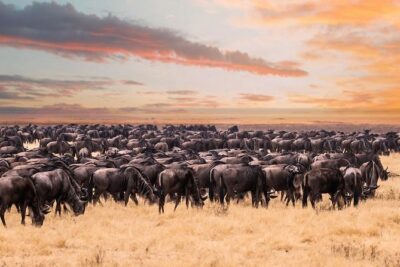
8 Day Spectacular Migration Serengeti mid -Range Tanzania Safari
Read our review →
9-Day Serengeti Migration Footsteps Tanzania Safari
Read our review →
Private 6-Day Great Migration Ndutu Serengeti Safari Tour
Read our review →
4 Day Great Migration Safari Serengeti & Ngorongoro Crater
Read our review →Browse the lists this tour appears in