
Reviewed · CAMPING & LODGE SAFARIS
3-Days 2-nights Tanzania Private Budget Camping Safari
Tanzania packs a lot into these three days. You move from elephant country in Tarangire to the wildlife-packed Ngorongoro Crater, then finish near Lake Manyara before returning to Arusha. It is a fast, practical route for a first safari, with a private vehicle and guide rather than a large shared group.
I like the private format, which gives your own party more control over the pace and keeps the experience personal. I also like the simple camping setup, because two nights at a budget campsite keep the price below a luxury safari and put you closer to the sounds of the bush. The main drawback is time: long drives and full game-drive days leave little room for a slow, restful schedule.
Key points to know before booking
- Tarangire opens the trip with elephants, zebras, giraffes, and antelope across broad savannah.
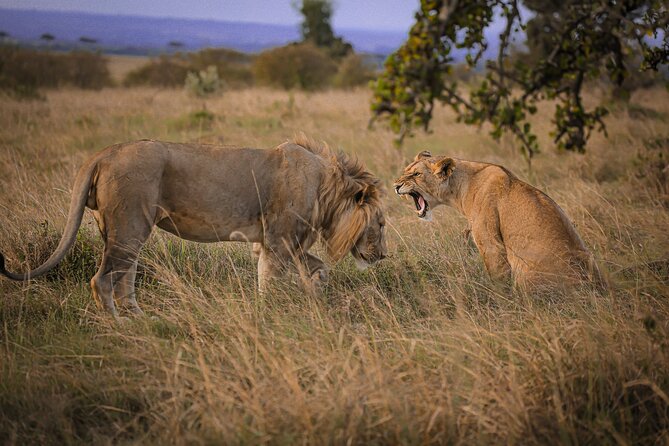
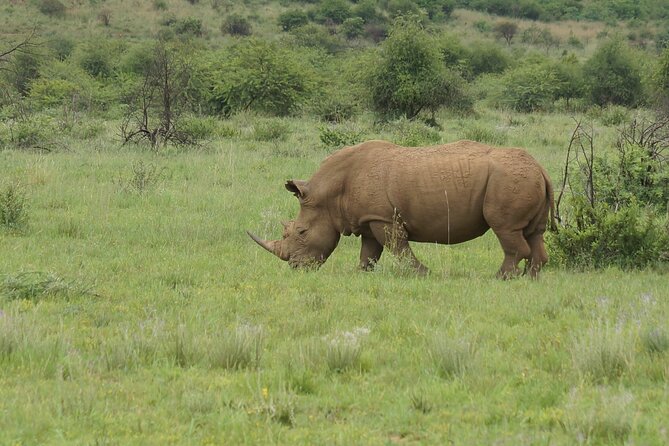
- Ngorongoro Crater is the wildlife centerpiece, with possible sightings of lions, elephants, rhinos, and other animals.
- Lake Manyara is part of the final day, though the supplied schedule gives few details about the length of its game drive.
- Private means only your own group participates, rather than joining a larger vehicle.
- The price includes a guide, cook, park fees, meals, and airport transfers, which makes the package easier to budget.
- Camping is basic, and the three-day route includes drives of roughly eight to ten hours.
What this three-day safari is really like
At $1,467 per person, this is not a rock-bottom camping trip. It is a bundled private safari, and the value depends on how many people are in your group and how much you value having transport, meals, park fees, a cook, and airport transfers handled together.
You receive two nights of budget camping, three lunches, two dinners, and two breakfasts. A guide, cook, and porters are also listed as part of the package. The tour begins in Arusha and can include pickup at Kilimanjaro International Airport, with a return to your chosen location in Arusha at the end.
The word private matters here. Only your group takes part, so you are not automatically sharing the vehicle with strangers. That can make a big difference during a wildlife sighting, when you may want to stay longer, change position, or simply keep the day quiet.
The tradeoff is comfort. Budget camping means you should expect a simple outdoor stay rather than a lodge with private rooms and hotel-style services. The appeal is the setting and the cost. You get two nights under the African sky, with dinner prepared by camp staff and the sounds of the wilderness nearby.
The schedule is tight. The first two days are listed at about eight hours each, and the final day at about ten hours. Those figures likely include driving, park time, and transfers, so you should be ready for early starts, long stretches on the road, and a fair amount of sitting in a safari vehicle.
Other park itineraries that start in Arusha:
- Serengeti Balloon Safari and authentic bush breakfast
★ 5.0 · 2,480 reviews - Balloon Safari & Bush Breakfast in Serengeti – Miracle Experience
★ 5.0 · 1,646 reviews - 4 Days Group Camping Safari
★ 5.0 · 1,101 reviews
Day 1: Tarangire’s elephant country
Your first major stop is Tarangire National Park, reached after pickup and a drive from the Arusha area. The park is known here for its large elephant herds, but you may also see zebras, giraffes, and several kinds of antelope moving through the open savannah.
This is a strong first stop because the wildlife is varied without requiring you to wait until the end of the trip for the main event. Elephants provide the memorable headline, but the smaller details matter too: giraffes feeding, zebras moving in groups, and antelope spread across the grass.
The schedule gives Tarangire roughly eight hours, though the exact split between driving and game viewing is not stated. Your guide will handle the route and wildlife search, but sightings can never be guaranteed. A private vehicle helps because your own group can discuss how long to spend at a sighting instead of following the preferences of a larger party.
The campsite is described as being within the park or at a tranquil site connected with the park experience. The available details do not specify the campsite name or the exact tent facilities, so ask before departure about sleeping arrangements, showers, toilets, bedding, and electricity.
Dinner is prepared by the camp staff. This is one of the pleasures of the budget format: after a full day outside, you eat together and talk through the animals you saw. You should not expect restaurant variety, but the included meals make the logistics much easier and prevent every meal from becoming another expense.
Day 2: Ngorongoro Crater and a full wildlife day
Day two takes you from Tarangire to the Ngorongoro Conservation Area and down into the famous crater. This is the trip’s biggest wildlife draw and the reason many people choose this northern Tanzania route.
Ngorongoro is a natural enclosed setting where you may see lions, elephants, rhinos, and other animals during the game drive. The chance of seeing a rhino gives this day particular weight, although no safari can promise a specific species. You will also have the crater itself as part of the experience, with striking views from the rim and a very different feel from the more open spaces of Tarangire.
The itinerary allows about eight hours for the day and includes a packed lunch. That is useful because leaving the crater for a restaurant would cut into your wildlife time. A packed lunch also makes the day feel more direct: you keep moving through the park instead of breaking up the route with a long meal stop.
This is likely the most demanding day physically, not because you are hiking, but because you spend much of it on the road and in the vehicle. If you do not enjoy long drives, three days may feel rushed. If you want a concentrated look at northern Tanzania’s major parks, the pace may feel worthwhile.
At the end of the day, you return to a budget campsite. The exact location is not provided, so confirm whether the second night is near the crater, near Lake Manyara, or elsewhere along the route. That detail affects the amount of driving on day three.
Day 3: Lake Manyara and the return to Arusha
The third day is the least clearly described part of the schedule. Lake Manyara National Park is named as the stop, and the overall route indicates a return to Arusha, but the details do not say exactly how long you will spend on a game drive there.
The park gives the trip a useful change of scenery. After the open savannah of Tarangire and the enclosed crater, Lake Manyara adds a different setting before your final transfer. You will have breakfast at camp, travel through Tanzania, and return to Arusha or the airport.
The day is listed at about ten hours, so plan for a long final stretch. If you have an onward flight, do not assume the return timing will fit without checking the schedule carefully. Airport drop-off is included, but you should confirm the expected arrival time before booking a same-day flight.
The wording around Lake Manyara deserves a direct question before you pay. Ask whether the price includes a full park entry and game drive, a short stop, or simply passage through the area. That distinction matters. Lake Manyara can be a valuable part of the safari, but the schedule does not provide enough detail to judge the depth of the visit.
Other safaris people book out of Arusha:
- 5 Days Group Camping Safari
★ 5.0 · 730 reviews - 3 Days Serengeti & Ngorongoro Group Camping Safari
★ 5.0 · 574 reviews - 7-Day Premium Luxury Tanzania Safari All-Inclusive
★ 5.0 · 426 reviews - 3-Day Classic Serengeti Safari
★ 5.0 · 263 reviews
Why the private setup can be worth the price
A private safari costs more than joining a shared vehicle, but the extra money buys flexibility and privacy. You travel only with your own group, which is especially helpful if you have a particular interest in elephants, big cats, crater scenery, or photography.
It also lets you set the mood. You can ask questions freely, take time at a sighting, or keep conversation low while watching animals. The guide and cook are included, so you are not managing every part of the trip yourself.
The value improves as the group gets larger, because the listed price is per person but several major costs are shared within the vehicle and staff operation. A solo participant should examine the cost carefully. A couple or small group may find the arrangement more reasonable, especially when airport transfers, park fees, meals, and camping are included.
Still, ask for a precise breakdown before booking. The package includes all fees and taxes, but it does not list the vehicle type, fuel arrangements, campsite names, sleeping equipment, or guide’s name. Those details affect comfort and confidence, particularly on a route with long road hours.
Budget camping: what to clarify
Camping is the heart of this trip’s affordable style, but the term can cover several levels of comfort. Before you leave, confirm:
- Whether tents are already set up or erected by the crew
- Whether beds, mattresses, blankets, and sleeping bags are supplied
- Whether campsites have showers and flush toilets
- Whether electricity is available for charging phones and cameras
- Whether drinking water is included
- How the cook handles special diets
These questions are not signs that you are being fussy. They help you pack correctly. The tour information lists personal mountain trekking gear as not included, though this is a safari rather than a mountain climb. You should ask which personal camping items are expected, since the supplied details do not spell that out.
Pack light but bring practical layers. Mornings and evenings can feel cool, while the middle of the day may be warm. Comfortable shoes, sun protection, a hat, a camera, and a small day bag will be useful. You should also keep personal medication and important documents with you rather than in larger luggage.
Meals, transfers, and the practical details
Food is included for the two nights and three days: two breakfasts, three lunches, and two dinners. Day two includes a packed lunch for the crater, which keeps you in the park rather than sending you away for a meal.
Airport pickup and drop-off are included, along with gate transfers. The tour begins in Arusha, but pickup at Kilimanjaro International Airport is offered. The end point is back at the meeting point or another agreed location in Arusha, with airport drop-off listed as an option.
Pre- and post-safari hotel accommodation can be arranged, or you can book it yourself. Since the information does not state that these nights are automatically included in the $1,467 price, confirm whether hotel stays are extra and exactly what level of accommodation is being offered.
Confirmation is provided at booking. Service animals are allowed, and most people can participate. Since this is a private activity, the group size is your own party, though the maximum vehicle capacity is not stated.
The cancellation terms are strict. The booking is non-refundable and cannot be changed for any reason. If poor weather forces the operator to cancel, you are offered another date or a full refund. For that reason, avoid booking non-refundable flights or tightly connected plans around this safari unless you are comfortable with the risk.
Who should book this safari?
I would look closely at this trip if you want a short introduction to Tanzania’s northern parks and prefer privacy over a shared group. It suits couples, families, and small groups that want a guide and cook included without paying for high-end lodges.
It also fits people who care more about seeing several major parks than spending long, lazy mornings at one camp. Tarangire, Ngorongoro, and Lake Manyara give you three distinct stops in a compact itinerary.
I would hesitate if you dislike camping, need a slow pace, or have a strict flight departure on the final day. The route covers a lot of ground, and the day three schedule needs clarification before you commit.
The available published comments connected with this offering focus on high-altitude Kilimanjaro hikes, including Machame Route conditions, slow walking, rain, and warm clothing. Those points do not provide a useful measure of this safari’s wildlife guiding or camp service. You should judge this trip on its stated inclusions, private format, route, and the questions you get answered before booking.
Should you book the three-day route?
Book it if you want a focused, private safari with the main costs gathered into one package. Tarangire and Ngorongoro give the trip strong wildlife appeal, while camping keeps the style straightforward and closer to nature.
Before paying, get written confirmation of the Lake Manyara schedule, campsite facilities, vehicle type, sleeping equipment, hotel arrangements, and final-day return time. If those details match your expectations, $1,467 can be fair value for a private three-day route with meals, park fees, staff, and transfers included.
If you have more time, a longer safari would give you less road pressure and more room for repeat game drives. But for a compact first look at northern Tanzania, this trip offers a sensible mix of wildlife, privacy, and budget camping.
FAQ
Where does the safari start and finish?
It starts in Arusha, Tanzania, and ends back at the meeting point. Airport pickup and drop-off are offered, including transfers to or from Kilimanjaro International Airport.
Which national parks and conservation areas are included?
The route includes Tarangire National Park, the Ngorongoro Conservation Area and Crater, and Lake Manyara National Park.
Is this a private safari?
Yes. Only your group participates in the activity.
What meals are included?
The package includes two breakfasts, three lunches, and two dinners. A packed lunch is provided for the Ngorongoro Crater day.
Are park fees and taxes included?
Yes. All fees and taxes are listed as included.
Is hotel accommodation included?
Hotel accommodation before and after the safari can be arranged, or you can book it directly. Confirm whether any hotel stay is included in the quoted price or charged separately.
What happens if bad weather cancels the safari?
If the operator cancels because of poor weather, you can choose another date or receive a full refund. If you cancel or request an amendment yourself, the payment is non-refundable.
More camping and lodge safaris from Arusha
- 5 Days Camping Tarangire, Serengeti & Ngorongoro crater & Visiting Maasai
★ 5.0 · 229 reviews - 5 Days Best of Tanzania Luxury Safari Northern Circuit
★ 5.0 · 174 reviews - 6 Days Private Budget Safari
★ 5.0 · 163 reviews - 2 Days Tarangire and Ngorongoro Group Camping Safari
★ 5.0 · 146 reviews
Just added in Arusha
- Extraordinary Hot air Bolloon ride in Serengeti | BURIGI CHATO SAFARIS CO L.T.D★ 5.0 · 6 reviews
- 4 Days Private Midrange Lodge Safari to Serengeti & Ngorongoro★ 5.0 · 4 reviews
- 3 days leopard safaris★ 5.0 · 4 reviews
- 8 Days Serengeti Migration safari★ 5.0 · 11 reviews
- tarangire, ngorongoro & lake manyara park 3 days private tour★ 5.0 · 11 reviews
- Mt. Kilimanjaro: Shira plateau to Cathedral point 3872m Day hike★ 5.0 · 7 reviews
- serengeti, ngorongoro & tarangire 4 days private tour★ 5.0 · 18 reviews
- tarangire & ngorongoro 2 days tour★ 5.0 · 14 reviews
Camping & Lodge Safaris, compared.
3 Days Serengeti & Ngorongoro Group Camping Safari
Read our review →
5 Days Best of Tanzania Luxury Safari Northern Circuit
Read our review →
2 Days Tarangire and Ngorongoro Group Camping Safari
Read our review →
5-Day private Camping Safari Tour in Tanzania
Read our review →
5 Days Tanzania Group Joining Safari, Tarangire/Serengeti/Ngorongoro Crater
Read our review →Browse the lists this tour appears in