
Reviewed · MAASAI VILLAGE TOURS
1 Day Olpopongi Real Maasai Cultural adventurous Trip | BURIGI CHATO SAFARIS LTD
Olpopongi gives you something a standard safari cannot: a close look at daily Maasai life, led through the village itself. The welcome dance, hut visits, fire-making, beadwork, and museum are the heart of the day, not a quick photo stop beside a game drive route. On clear days, the drive may also bring views of Mount Kilimanjaro and Mount Meru.
I like the direct contact with local hosts and the chance to see practical skills such as making fire without modern tools. I also like the small museum and village walk, which add context to the singing, jumping, clothing, and decorated homes. The main drawback is the long road time from Arusha, plus some uncertainty in the published schedule about whether a hut stay is part of this one-day outing.
- A two-hour drive from Moshi takes you through West Kilimanjaro country, with possible views of elephants, zebras, Mount Kilimanjaro, and Mount Meru.
- A traditional welcome song and dance begin your visit at Olpopongi.
- The museum explains Maasai social life, tools, and traditions before you move on to hands-on activities.
- Fire-making, dancing, clothing, beadwork, and hut visits give the day its practical focus.
- Lunch, entrance fees, a private car, guide, cook, and wages are included in the stated price.
- The schedule is roughly nine hours, but the itinerary also refers to checking into a hut for the night, so confirm this detail before paying.
What Olpopongi offers beyond a safari
The Olpopongi trip is designed around culture rather than wildlife. You are not coming for a guaranteed animal sighting or a long game drive. You are coming to meet Maasai hosts, walk through a village, learn how its homes and tools are used, and take part in simple demonstrations and social activities.
That difference matters. A safari can show you animals in their setting. Olpopongi gives you a closer look at people, customs, clothing, family life, and work. The day also offers a useful counterpoint to the usual northern Tanzania route through Tarangire, Ngorongoro, and the Serengeti.
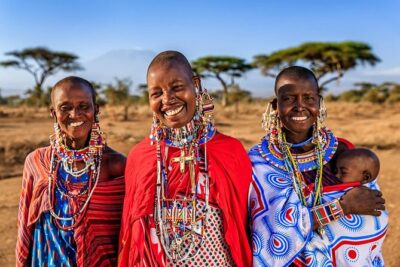
The Maasai live in both Tanzania and Kenya and speak Maa, a Nilotic language. The supplied description also places them among Tanzania’s best-known ethnic groups, though they represent only a small share of the country’s population. The Samburu of Kenya are described as their closest cultural and linguistic relation.
You should approach the visit with respect. This is a living community, not a museum exhibit. Ask before photographing people, especially children, and treat the dance and clothing as cultural practices rather than costumes for a staged show.
The morning road from Arusha to West Kilimanjaro
The advertised meeting point is Arusha Tourist Inn on Sokoine Road, with an 8:30 am start and return to the same point. The itinerary itself describes the route from Moshi, about 74 kilometres from Olpopongi, and estimates the drive at two hours. That difference is important if you are staying in Arusha.
From Arusha, the total drive may take longer than the Moshi estimate, depending on the pickup arrangement and road conditions. Ask the operator to confirm the actual pickup time, driving time, and return time from your hotel. The booking information says pickup is offered, but the named starting point remains Arusha Tourist Inn.
The road through West Kilimanjaro is part of the appeal. On a clear day, you may see Mount Kilimanjaro or Mount Meru. Depending on the season, the description also notes possible sightings of zebras and elephants. These sightings are not the purpose of the trip and should not be treated as guaranteed wildlife viewing.
This is a full day with several hours in a vehicle, so the trip suits you best if you are comfortable trading some road time for a cultural visit. The private car is a useful inclusion, since it can make the journey more comfortable than a large shared transfer.
Other park itineraries that start in Arusha:
- Serengeti Balloon Safari and authentic bush breakfast
★ 5.0 · 2,480 reviews - Balloon Safari & Bush Breakfast in Serengeti – Miracle Experience
★ 5.0 · 1,646 reviews - 4 Days Group Camping Safari
★ 5.0 · 1,101 reviews
Arrival at Olpopongi and the first welcome
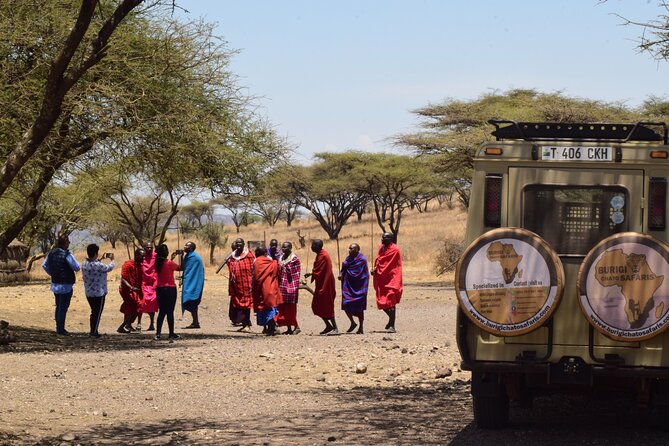
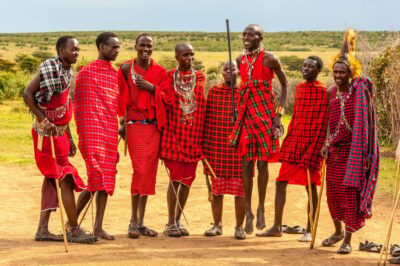
The day begins at the village with a traditional Maasai welcome song and dance. This is a lively start, and you may be invited to join the movement rather than simply watch from the side. The jumping and group dancing are among the most memorable parts of the visit, but the moment works best when you follow the hosts’ lead.
The welcome is also your first chance to see how clothing, singing, movement, and group participation fit together. Maasai dress is one of the culture’s most recognizable features, and later activities may give you a chance to try on some clothing and see beadwork up close.
Keep your camera ready, but do not let it replace the interaction. A little eye contact, a smile, and willingness to participate will often make the visit feel more natural. Ask your guide how photographs should be handled before you begin.
The village walk and Maasai boma
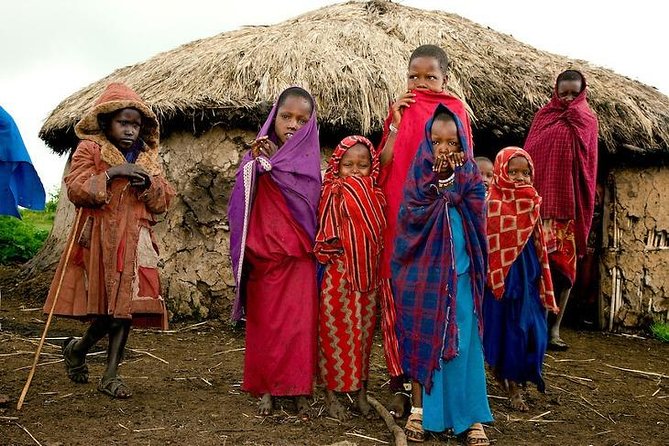
After the welcome, you walk around the village and see the traditional homes, often called Maasai boma. The huts are a major point of interest because they show how homes can be made from local materials and arranged around communal life.
The supplied itinerary says you may check into a hut for the night, while the tour is also described as a nine-hour, one-day experience. That is a clear point to settle before booking. The included items list lunch but does not list dinner, breakfast, or overnight accommodation.
If the hut visit is only a daytime look, it still gives you a useful sense of domestic space. If an overnight stay is genuinely included, you need to ask what bedding, meals, washing facilities, and departure arrangements are provided. Do not assume those details from the one-day price.
The village walk is valuable because it moves the visit beyond performance. You see the setting in which people live and work, rather than only watching a dance. The experience can be especially meaningful for families and anyone interested in how architecture, community, and daily routines fit together.
The small museum and the stories behind the objects
The museum is described as a small but important stop. Here, a local guide explains Maasai history, social organization, and tools. This section gives structure to the rest of the day.
Without this background, fire-making or hut construction can feel like an isolated demonstration. With it, you have a better chance of understanding why certain objects matter and how they relate to work, family life, and village organization.
The itinerary does not name the guide. One account specifically praised the Maasai guide’s explanation of Maasai history, so ask at the start who will lead the cultural portion and whether interpretation will be in English or another language. The general information says communication is easy, but exact language arrangements are not stated.
The museum is also a good place to ask questions that you might not think to ask during a dance. How are homes organized? What are the tools used for? Which customs are changing? What is performed for visitors, and what remains part of ordinary life? A good guide can help you make those distinctions.
Other safaris people book out of Arusha:
- 5 Days Group Camping Safari
★ 5.0 · 730 reviews - 3 Days Serengeti & Ngorongoro Group Camping Safari
★ 5.0 · 574 reviews - 7-Day Premium Luxury Tanzania Safari All-Inclusive
★ 5.0 · 426 reviews - 3-Day Classic Serengeti Safari
★ 5.0 · 263 reviews
Fire-making, beadwork, clothing, and dance
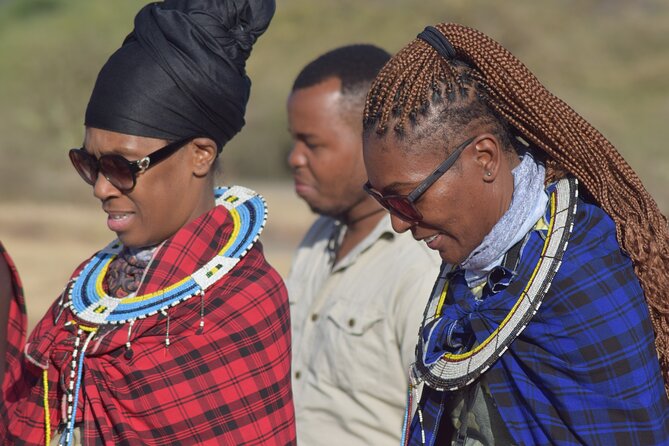
The hands-on activities give the day its strongest sense of participation. Fire-making is repeatedly highlighted in the supplied material, and you may be shown how fire is produced using local methods. It is a simple task to watch, but it connects directly to cooking, warmth, and self-reliance.
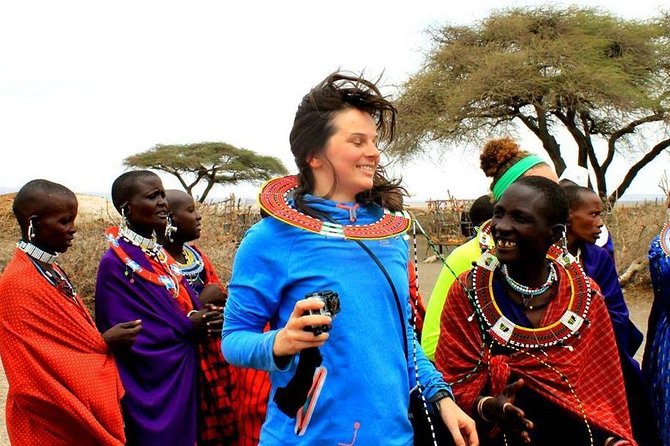
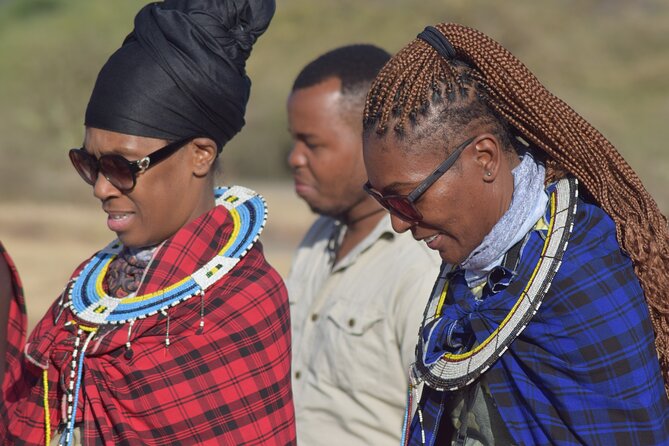
You may also see or try Maasai clothing and beadwork. These activities can make photographs more personal, but remember that the objects and garments have meaning beyond decoration. If you are invited to wear something, treat it with care and ask before handling anything.
The dancing returns later as a social activity. The famous jumping style is physically simple to understand but harder to match for long. You do not need to perform perfectly. Join in at your own level, wear comfortable shoes, and keep some energy for the walk and drive back.
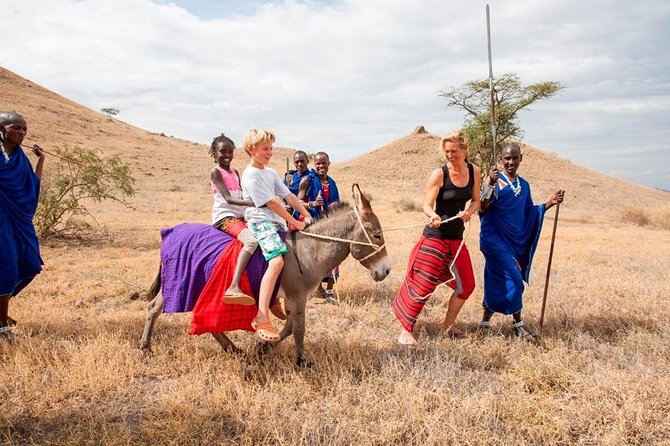
The day may include time with children. The supplied accounts describe playing with local children and learning about how children are treated within the community. This can be a warm part of the visit, but it also calls for good manners. Ask before taking close-up photographs, and avoid turning children into props for a holiday album.
Lunch and what the price covers
The listed price is $380 per person. That is a serious amount for a day trip, especially when the duration is around nine hours. The value depends on how much you want a private, arranged cultural visit and how clearly the operator delivers the promised program.
The price includes lunch, all fees and taxes, a private car, wages, a guide, and a cook. Those inclusions reduce the number of small payments you need to manage during the day. A cook is also included, though the menu and dietary options are not stated, so tell the operator about food needs before departure.
The private car matters most on the long road to West Kilimanjaro. You are paying not only for time inside the village, but also for transport, staff, planning, and return service. If you are already booking a northern Tanzania safari, adding a cultural day may be convenient. If you are comparing it with a short local village visit, the price may feel high.
Lunch is included, but personal items are not. You should budget separately for souvenirs, travel insurance, visa costs, medical repatriation, and tips for the guide and cook. Tipping is not included.
How the schedule works in real terms
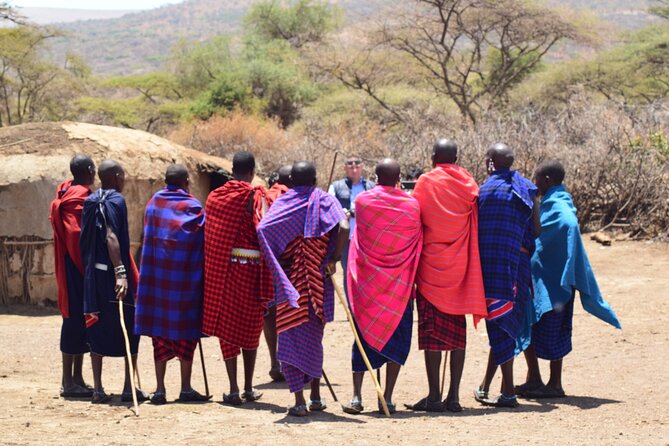
The published duration is approximately nine hours. The basic pattern is morning pickup, a drive toward Olpopongi, arrival before lunch, the welcome dance, a village walk, museum time, cultural demonstrations, lunch, and the return drive.
The itinerary text also says you will check into a hut for the night and refers to an overnight stay. That wording does not fit neatly with a nine-hour day trip ending back at the meeting point. Confirm all of the following before departure:
- Is the hut visit for daytime viewing or overnight accommodation?
- Is the tour nine hours from Arusha, or does that estimate begin near Moshi?
- Is dinner included if an overnight stay is planned?
- What time should you expect to return to Arusha?
- Is the private car used only for your party?
The stated maximum is 198 people, which is unusually large for a cultural activity and does not sit comfortably with the private-car description. The booking details say most people can participate, but the practical group size for your departure is not clear. Ask for the expected number in your vehicle and at the village.
Who will get the most from this visit
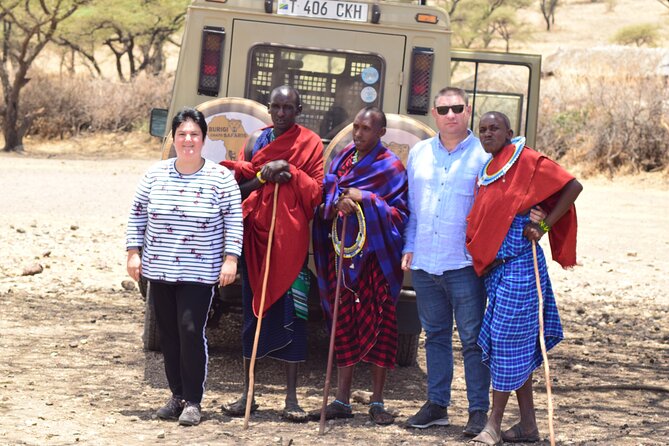
I would choose this experience if you want human contact to be a major part of your Tanzania trip. It suits first-time visitors who want cultural context, families interested in village life, photographers who can work respectfully, and safari participants with one spare day in the Arusha area.
It also suits you if you enjoy active participation. You may dance, walk, handle or watch traditional tools, learn fire-making, and see clothing and beadwork. This is not a sit-back-and-watch excursion.
You may want a different plan if your priority is wildlife, luxury accommodation, or a short outing with little driving. The visit does not promise a game drive, a luxury lodge, or guaranteed animal sightings. The one negative account supplied concerns a poorly organized luxury safari with unacceptable lodges, not a clear description of this cultural day, so it should not be treated as a direct judgment of Olpopongi. It does reinforce the value of confirming what is included in a combined safari booking.
Practical planning before you leave Arusha
Wear clothing that allows easy movement, since the day may include dancing and walking. Bring sun protection, water, and a camera, though the provided information does not specify whether water is supplied.
Use the 8:30 am start at Arusha Tourist Inn as the planning time unless your pickup is separately confirmed. The activity ends back at the meeting point according to the supplied details.
The tour requires good weather. If poor weather causes cancellation, you are offered another date or a full refund. You can cancel for a full refund up to 24 hours before the start time. Inside 24 hours, the payment is not refunded and changes are not accepted.
The experience is rated 4.7 from 13 supplied ratings, with 92 percent recommending it. Those numbers suggest strong satisfaction, but the sample is small and the schedule details still deserve checking.
Should you book the Olpopongi day?
Book it if you want a culture-first day with dancing, village life, a museum, fire-making, and direct contact with Maasai hosts. The strongest parts are the welcome, the village walk, and the practical demonstrations, especially when you take time to ask questions rather than rush from one photo to the next.
At $380, it is best value when the private car, staff, lunch, entrance costs, and full return transport save you the trouble of arranging each part yourself. Before booking, get written confirmation of the Arusha to Olpopongi timing, group size, guide language, and the confusing hut accommodation detail.
FAQ
Where does the Olpopongi Maasai cultural tour start?
The listed meeting point is Arusha Tourist Inn on Sokoine Road in Arusha, Tanzania. Pickup is offered, and the activity ends back at the meeting point.
What time does the tour start?
The stated start time is 8:30 am.
How long does the experience last?
The duration is approximately nine hours.
How far is Olpopongi from Moshi?
The itinerary describes Olpopongi as 74 kilometres from Moshi and estimates the drive at about two hours.
What is included in the price?
Lunch, all fees and taxes, a private car, wages, a guide, and a cook are included.
Are flights included?
No. International and domestic flights from or to your home are not included.
Is tipping included?
No. Tips for the guide and cook are not included.
Can I cancel for a full refund?
Yes. You must cancel at least 24 hours before the experience start time for a full refund. Cancellations within 24 hours are not refunded.
What happens if bad weather cancels the tour?
If poor weather causes cancellation, you are offered a different date or a full refund.
More Maasai village tours from Arusha
- 5 Days Camping Tarangire, Serengeti & Ngorongoro crater & Visiting Maasai
★ 5.0 · 229 reviews - Maasai village visit, Materuni waterfalls & coffee experience
★ 4.5 · 95 reviews - Materuni Waterfalls, Visiting Chagga Village, CoffeeTour Kikuletwa Hotsprings
★ 5.0 · 63 reviews - Hidden Arusha Waterfall, Coffee & Village Tour (All-Inclusive)
★ 5.0 · 42 reviews
More history and culture tours in Arusha
- Arusha Guided Walking City Tour, Culture, Lifestyle & History
★ 5.0 · 150 reviews - 4 Days Wildlife Safari and Cultural Experience in Tanzania
★ 5.0 · 23 reviews - Materuni Waterfalls & Coffee making Cultural Tour | BURIGI CHATO SAFARIS LTD
★ 5.0 · 15 reviews - Maasai Boma Cultural Experience (maasai village tour)
★ 4.5 · 14 reviews
Just added in Arusha
- 4 Days Private Midrange Lodge Safari to Serengeti & Ngorongoro★ 5.0 · 4 reviews
- Extraordinary Hot air Bolloon ride in Serengeti | BURIGI CHATO SAFARIS CO L.T.D★ 5.0 · 6 reviews
- 3 days leopard safaris★ 5.0 · 4 reviews
- 8 Days Serengeti Migration safari★ 5.0 · 11 reviews
- tarangire, ngorongoro & lake manyara park 3 days private tour★ 5.0 · 11 reviews
- serengeti, ngorongoro & tarangire 4 days private tour★ 5.0 · 18 reviews
- tarangire & ngorongoro 2 days tour★ 5.0 · 14 reviews
- Mt. Kilimanjaro: Shira plateau to Cathedral point 3872m Day hike★ 5.0 · 7 reviews
Maasai Village Tours, compared.

Sea Turtle Swim at Salam Cave in Kizimkazi Village
Read our review →
Maasai village visit, Materuni waterfalls & coffee experience
Read our review →
Materuni Waterfalls, Visiting Chagga Village, CoffeeTour Kikuletwa Hotsprings
Read our review →
5 Days Camping Tarangire, Serengeti & Ngorongoro crater & Visiting Maasai
Read our review →
Browse the lists this tour appears in