
Reviewed · CAMPING & LODGE SAFARIS
Multi-Day Camping Safari Experience in Arusha
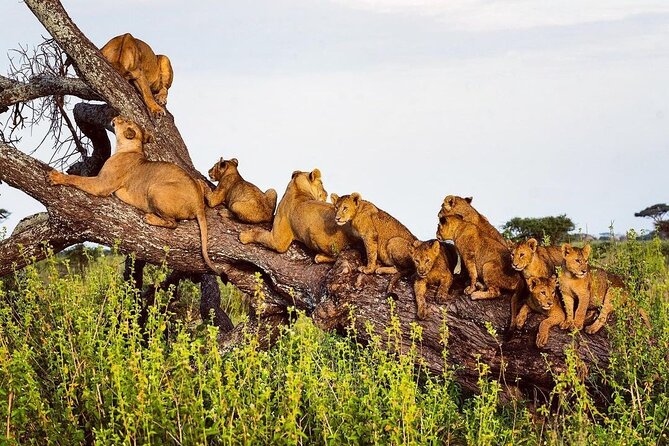
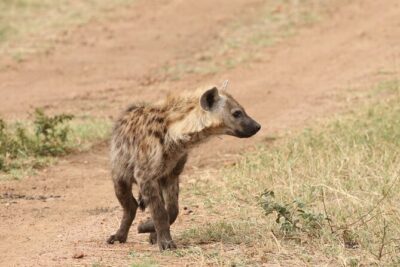
The main event here is the wildebeest calving season in Ndutu, when huge herds gather on short grass between December and April. February is the key window, with many calves arriving within roughly three weeks. The open plains also give predators a clear view, so lion, cheetah, hyena, and leopard sightings can be especially dramatic.
I like the route’s variety: you get Tarangire’s elephants and baobabs, several full game drives in Ndutu and Serengeti, then the compact wildlife bowl of Ngorongoro Crater. I also like the small vehicle limit of six people, the pop-up roof, unlimited drinking water, and meals prepared along the way.
The main consideration is the pace. This is a long overland safari with early starts, several days of seven to nine hours in the vehicle, and camping rather than lodge accommodation. The schedule also mentions biking in Mto wa Mbu, but the six-day plan provided does not give details for when that ride takes place.
Key points at a glance
- Calving season is the reason to book: Ndutu is the focus from December to April, with the best chance of seeing newborn wildebeest around February.
- Three major parks and conservation areas: The route includes Tarangire, the Serengeti, Ngorongoro, and Lake Manyara.
- Small-group safari vehicle: The maximum group size is six, with a pop-up roof for viewing and photography.
- Camping keeps the price in check: At $1,496 per person, the trip includes six breakfasts, six lunches, five dinners, park fees, water, and transport.
- Predator action is possible: Open calving plains can bring sightings of lion, cheetah, hyena, and leopard, though no wildlife encounter is guaranteed.
- Expect full safari days: Several drives last eight or nine hours, and Day 4 begins at 5:45 a.m.
Why Ndutu is the heart of this six-day safari
The route is built around a seasonal event rather than simply ticking off Tanzania’s best-known parks. From December through April, wildebeest gather in the southern Serengeti and Ndutu area, where short grass provides good grazing. Around February, many females give birth during a brief period that can turn the plains into a nursery.
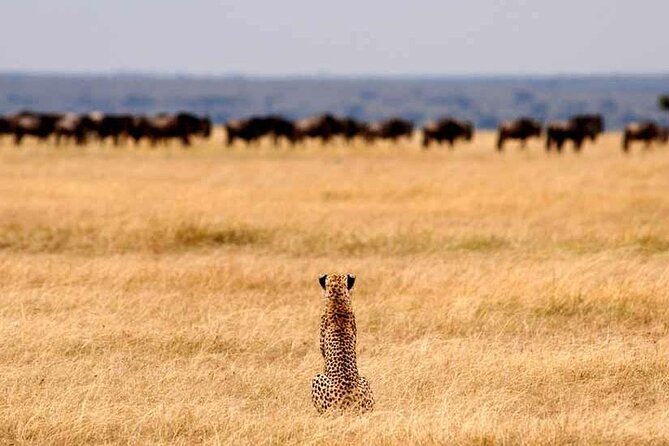
That timing matters. Newborn wildebeest can run only minutes after birth, but the wide, open grass gives predators few places to hide. You could see lion, cheetah, hyena, or leopard working the edges of the herds. A kill is never promised, and wildlife does not follow a timetable, but the concentration of animals gives you better odds of seeing active behavior than a general safari at a random time of year.
Ndutu sits within the southern Serengeti ecosystem, with habitats that include short grass, woodland, swamps, and alkaline lakes. Lake Ndutu is a useful wildlife focus, attracting animals and birds even though the lake water itself is alkaline. The changing scenery also helps break up long viewing days.
I would choose this trip specifically for the migration period. If you are visiting outside December to April, the central Serengeti can still be excellent, but this itinerary’s main selling point loses some of its force.
Other park itineraries that start in Arusha:
- Serengeti Balloon Safari and authentic bush breakfast
★ 5.0 · 2,480 reviews - Balloon Safari & Bush Breakfast in Serengeti – Miracle Experience
★ 5.0 · 1,646 reviews - 4 Days Group Camping Safari
★ 5.0 · 1,101 reviews
Day 1: Tarangire’s elephants and baobab country
After breakfast in town, pickup takes you toward Tarangire National Park. The first day is listed as roughly eight hours, so you should expect a full outing rather than a gentle introduction.
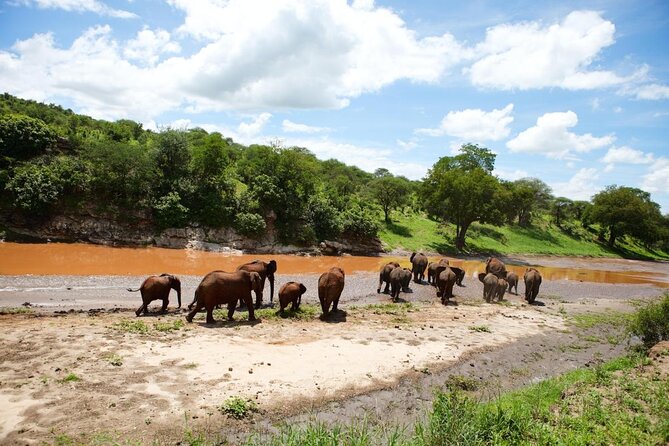
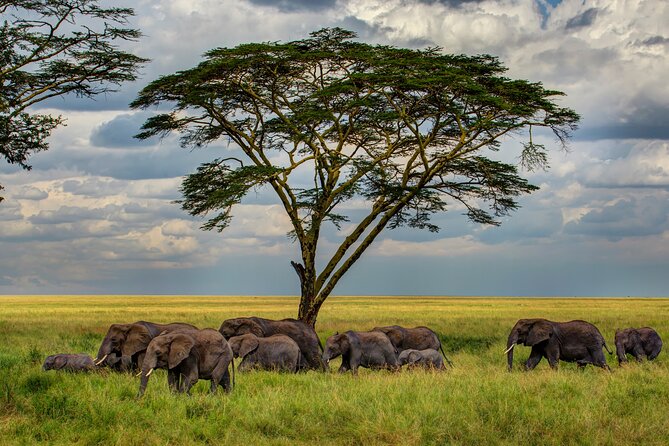
Tarangire is known for large elephant herds, baobab trees, and the Tarangire River. The river flows through the park year-round and serves as an important water source for wildlife, especially during dry periods. That makes this a useful first stop, since you begin with a good chance of seeing large mammals before heading toward the migration zone.
The park is also associated with tree-climbing lions, although sightings are never certain. The baobabs give the first day a look different from the grasslands farther west. These old trees, sometimes called the Tree of Life, add strong photo subjects even when animals are keeping their distance.
The drawback is the amount of driving. You are covering ground to reach the southern Serengeti, so Day 1 may feel more like a transit day with wildlife than a relaxed park visit. Still, Tarangire gives the journey a worthwhile opening rather than treating the first day as a simple transfer.
Day 2: Reaching Ndutu for the first migration drive
After breakfast, you head toward Ndutu, part of the southern Serengeti ecosystem within the Ngorongoro Conservation Area. The listed game drive lasts about five hours, leaving the afternoon for your first proper look at the calving zone.
This is when the trip’s focus becomes clear. Instead of spending one short morning searching for wildlife, you begin working an area where wildebeest, zebra, elephants, birds, and resident animals may all be present. The short grass can make it easier to see herds spread across the plain, though it also exposes young animals to predators.
I like the timing of an afternoon arrival because it gives you a chance to settle into the area before the longer viewing day that follows. It also avoids using your best calving-zone hours on a rushed drive from Arusha.
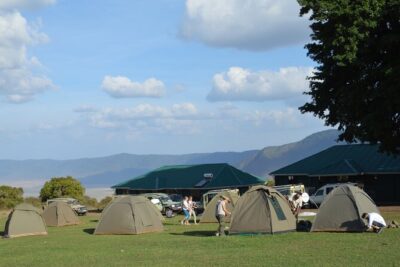
Accommodation is camping, and the information provided does not specify the exact campsite style or tent facilities. Ask before booking if you need a particular level of comfort. Camping can be part of the appeal, but it is worth knowing what sleeping arrangements are included rather than assuming a lodge standard.
Day 3: A full day among herds, lakes, and predators
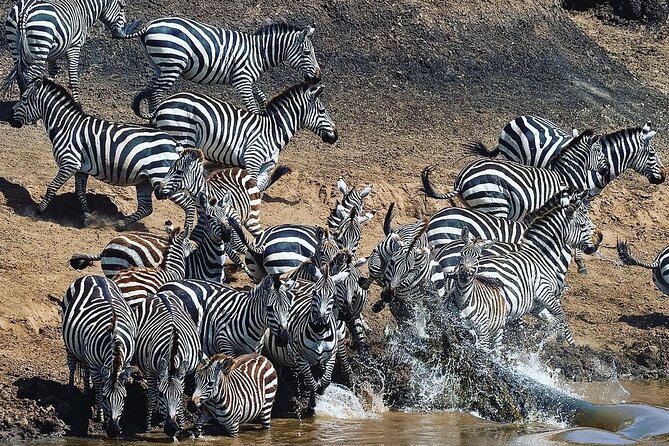
Day 3 is the most focused wildlife day, with about nine hours in Ndutu. You explore a mix of swamps, woodland, soda lakes, and open short-grass plains, staying in the area where the migration is usually concentrated during the season.
The calving period is brief. Around February, many wildebeest give birth over roughly three weeks, so your exact dates matter. If you arrive at the right point in the season, you might see tiny calves, adults gathering in large groups, and predators using the open ground to hunt.
This day is also a good reason to have a guide who pays attention to animal behavior rather than simply driving from one famous viewpoint to another. The operator has used guides named Robert, Raymond, and Swalehe in its safari arrangements. The available information especially highlights Robert’s ability to identify animals, scenery, and local culture, while Swalehe is noted for working hard to locate the Big Five. Your assigned guide may differ, so confirm that before departure.
Nine hours in a safari jeep can be tiring. The pop-up roof helps you stand for viewing and photography, while the small group limit should make it easier to share the best angles. Even so, bring patience. A long game drive includes quiet stretches, bumpy roads, and time spent waiting for animals to reveal themselves.
Other safaris people book out of Arusha:
- 5 Days Group Camping Safari
★ 5.0 · 730 reviews - 3 Days Serengeti & Ngorongoro Group Camping Safari
★ 5.0 · 574 reviews - 7-Day Premium Luxury Tanzania Safari All-Inclusive
★ 5.0 · 426 reviews - 3-Day Classic Serengeti Safari
★ 5.0 · 263 reviews
Day 4: Sunrise in Serengeti, then toward Ngorongoro
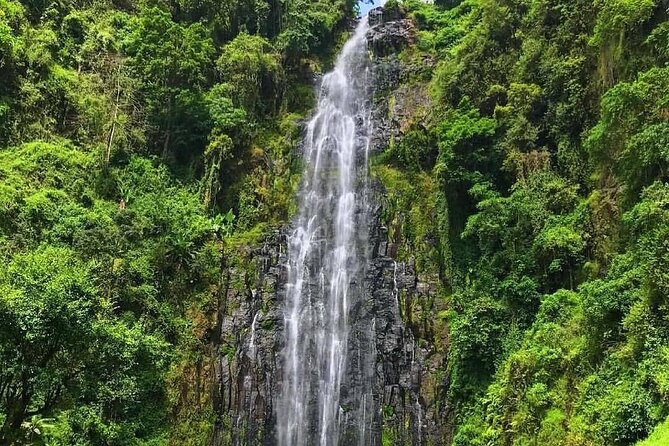
Day 4 starts at 5:45 a.m. with an early breakfast, followed by a morning game drive until about 11:30 a.m. This is the right kind of early start for wildlife viewing, since the cool hours often offer better light and active animals.
After the morning drive, you return to camp for a hot lunch and pack your belongings into the jeep. The afternoon continues with a game drive through the Serengeti while you travel toward Simba Campsite near Ngorongoro for dinner and the night.
This day combines viewing with a necessary transfer. You still get meaningful time in the Serengeti, but you should not picture an uninterrupted full-day drive in one location. The road portion is part of the tradeoff for fitting both the migration area and Ngorongoro into six days.
I like the rhythm of a sunrise drive followed by hot lunch. It gives you a productive morning without asking you to remain in the vehicle from dawn until dark. The switch from open Serengeti plains to the Ngorongoro highlands also makes the route feel like a real journey through different parts of northern Tanzania.
Day 5: Descending into Ngorongoro Crater
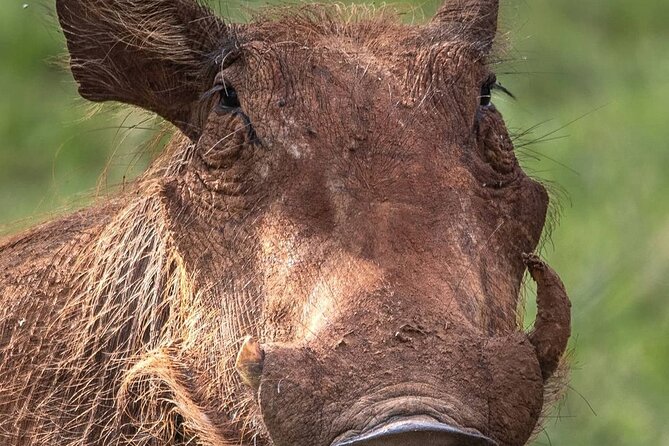
After breakfast, you enter the Ngorongoro Conservation Area and descend about 600 meters into the famous crater. The day is listed at approximately eight hours, including time on the crater floor.
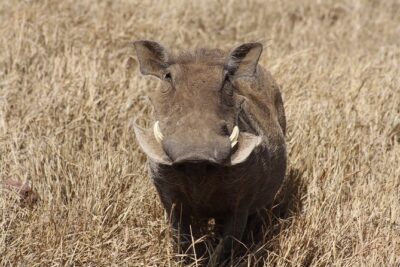
Ngorongoro has a reliable supply of water and grazing, which supports wildebeest, zebra, buffalo, eland, warthog, hippo, and elephants. It is also a strong place to look for predators, including lions, hyenas, jackals, cheetahs, and possibly leopard. The crater’s enclosed shape does not guarantee sightings, but it brings many habitats and animals into one concentrated area.
Lake Magadi is one of the key stops inside the crater. This shallow alkaline lake can attract flamingos, hippos, and other water birds. It provides a change from the grassland scenes of Ndutu and gives you a chance to watch smaller details between larger wildlife sightings.
The crater is famous for good reason, but it can feel busier and more structured than the remote parts of the Serengeti. You may share popular viewing areas with other safari vehicles. I would treat Ngorongoro as a powerful contrast to the migration days, not as a replacement for them.
Day 6: Lake Manyara and a compact final game drive
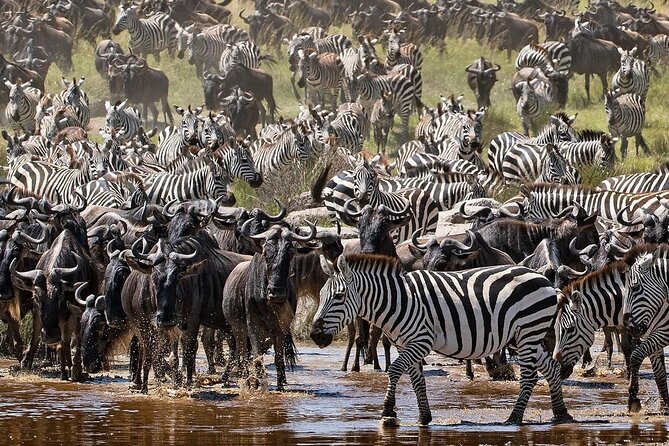
The last day takes you to Lake Manyara National Park after breakfast. The day is listed at around nine hours, so the park visit also includes the drive back toward the Arusha area.
Lake Manyara is much smaller in feel than the Serengeti, but its variety is the attraction. The lake covers about two-thirds of the park, with the Great Rift Valley wall rising behind it. More than 400 bird species are recorded here, including large numbers of pink flamingos.
The compact circuit can work well at the end of a busy safari. You get another chance at elephants, birds, and other wildlife without needing to cover the huge distances required in the Serengeti. The scenery also changes again, giving the final day its own identity rather than making it feel like a repeat drive.
The limitation is time. A nine-hour final day may be tiring, especially after five nights of camping and early mornings. If you have an evening flight, ask the operator to confirm the exact return timing before booking.
What the $1,496 price includes
At $1,496 per person, this is not a low-cost day trip, but the price covers the expensive parts of a northern Tanzania safari. Included items are park fees and taxes, transport in a pop-up-roof safari jeep, unlimited drinking water, six breakfasts, six lunches, and five dinners.
The small group size improves the value. With no more than six people, you have a better chance of getting a useful window position and hearing the guide without a crowd around you. A pop-up roof is also important for viewing, since sitting inside a closed vehicle would make the long game drives less rewarding.
Camping helps keep the cost below many lodge-based safaris. In exchange, you give up some comfort and should be ready for simple nights. The available details do not state whether WiFi is reliable at every camp, but WiFi on board is included.
Not included are tips, visas, air tickets, personal items, and alcoholic drinks. Build those costs into your budget. Tipping is not part of the listed price, so ask the operator for current guidance before you leave.
Food, guides, and the small-group setup
Food receives unusually strong praise in the supplied comments, with specific mention of delicious meals and food that exceeded expectations. Six breakfasts and lunches are included, along with five dinners, so meals are covered on every overnight portion of the six-day schedule as described.
Guide quality will shape the experience. Robert is associated with strong animal and cultural interpretation, while Raymond is described as responsive and helpful with arrangements. Swalehe is noted for searching carefully for the Big Five. These names give you useful points of contact, but do not assume a particular guide unless the company confirms it.
The operator is Serengeti Landmark Tours. Pickup is offered, mobile tickets are available, and confirmation is provided at booking. Most people can participate, and the activity is near public transportation, although the long drives and camping routine may not suit everyone.
The mention of a biking adventure in Mto wa Mbu is worth clarifying. It appears in the overall description, but the day-by-day plan does not specify its duration, equipment, or exact day. If biking is important to you, get those details in writing before paying.
Who should book this safari
I would recommend this trip to you if the calving migration is your main goal and you want to combine it with Tanzania’s major northern highlights. It suits people who value time in the field, do not mind early starts, and prefer a smaller group to a large safari vehicle.
It is also a good fit if you want several types of scenery in one trip: baobab country in Tarangire, open grasslands in Ndutu and Serengeti, crater wildlife in Ngorongoro, and birds and lakes at Manyara.
I would hesitate if you want luxury lodges, short transfer days, or a slow holiday. The schedule is active, camping is basic compared with lodge accommodation, and several days run seven to nine hours. You should also choose your dates carefully, since the strongest calving activity is seasonal.
Practical questions to settle before departure
The cancellation terms are flexible: you can receive a full refund if you cancel at least 24 hours before the local start time. Cancellations or changes made inside that 24-hour window are not accepted for a refund.
Ask the operator to confirm the exact pickup point, campsite facilities, assigned guide, and the Mto wa Mbu biking activity if you want to include it. Also confirm how the final Lake Manyara day fits your onward travel plans.
Should you book this six-day safari?
Book it if you want the best chance of seeing the southern Serengeti during calving and you are happy to trade lodge comfort for more time on the ground. The combination of Ndutu, Ngorongoro, Tarangire, and Lake Manyara gives you a strong northern Tanzania route for six days.
Skip it if you are traveling outside the December to April migration period, unless the broader park combination still appeals to you. For the right dates, the price is reasonable for a small-group safari with park fees, meals, water, transport, and a pop-up roof included. Just confirm the camping standard and biking details before you commit.
FAQ
How long is the safari?
The safari lasts approximately six days.
Where does the safari take place?
The route includes Tarangire National Park, the Ndutu area and Serengeti National Park, Ngorongoro Conservation Area, and Lake Manyara National Park.
When is the best time for the wildebeest calving focus?
The safari is designed for the December to April period. The main calving activity is described as taking place around February and lasting about three weeks.
How many people can join the safari?
The maximum group size is six people.
What type of vehicle is used?
The safari includes a pop-up-roof safari jeep.
Are meals included?
Yes. The package includes six breakfasts, six lunches, and five dinners.
Is drinking water included?
Yes. Unlimited drinking water is included.
Are park fees and taxes included?
Yes. All fees and taxes are included in the stated price.
Is the Mto wa Mbu biking activity included in the daily plan?
Biking in Mto wa Mbu is mentioned in the overall description, but the supplied six-day schedule does not specify its timing or details. Ask Serengeti Landmark Tours to confirm it before booking.
More camping and lodge safaris from Arusha
- 5 Days Camping Tarangire, Serengeti & Ngorongoro crater & Visiting Maasai
★ 5.0 · 229 reviews - 5 Days Best of Tanzania Luxury Safari Northern Circuit
★ 5.0 · 174 reviews - 6 Days Private Budget Safari
★ 5.0 · 163 reviews - 2 Days Tarangire and Ngorongoro Group Camping Safari
★ 5.0 · 146 reviews
Just added in Arusha
- 2-Day Private Luxury Safari from Zanzibar with Flights★ 3.2 · 5 reviews
- 7-Day Private Tanzania Safari with Sunset Walking on the Crater Rim and Maasai★ 5.0 · 40 reviews
- Saadani Day Trip★ 5.0 · 13 reviews
- Nyssa Luxury Balloon in Safaris and Serengeti★ 5.0 · 69 reviews
- Arusha National Park Day Trip★ 4.5 · 18 reviews
- Arusha National Park Private Safari★ 5.0 · 59 reviews
- Arusha: Maasai Village Tour★ 4.8 · 22 reviews
- 3 Days Serengeti & Ngorongoro Tour★ 5.0 · 22 reviews
Camping & Lodge Safaris, compared.
3 Days Serengeti & Ngorongoro Group Camping Safari
Read our review →
5 Days Best of Tanzania Luxury Safari Northern Circuit
Read our review →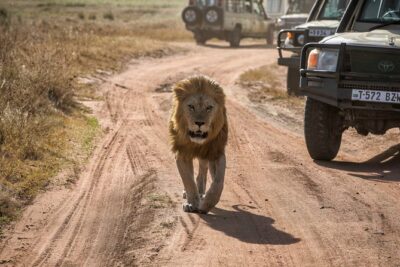
2 Days Tarangire and Ngorongoro Group Camping Safari
Read our review →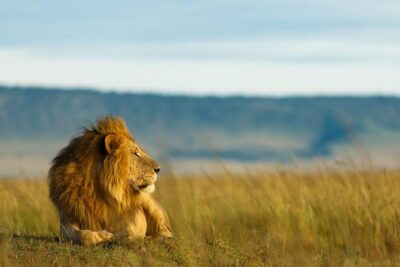
5-Day private Camping Safari Tour in Tanzania
Read our review →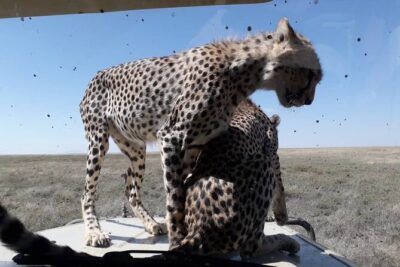
5 Days Tanzania Group Joining Safari, Tarangire/Serengeti/Ngorongoro Crater
Read our review →Browse the lists this tour appears in