
Reviewed · KILIMANJARO TREKS
8 Days Kilimanjaro Hike via Lemosho Route
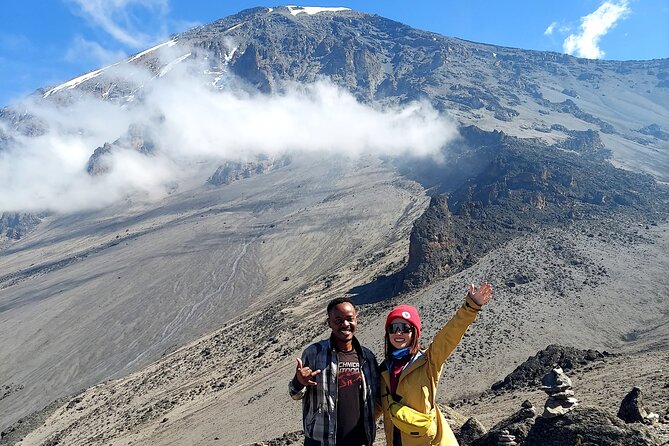
The best thing about this 8-day Lemosho route is the way it lets you climb Kilimanjaro gradually. You begin in rainforest, cross the Shira Plateau, pass beneath glaciers, and circle toward the southern slopes before the summit push. The scenery changes almost every day, which helps the long climb feel like a journey rather than one endless uphill walk.
I like the extra acclimatization time and the strong support system. You spend a high day at Lava Tower before sleeping lower at Barranco, and the guides carry oxygen, a first-aid kit, and perform regular health checks. I also like the small comforts: proper camping furniture, sleeping pads, sleeping bags, hot meals, and treated water.
The main drawback is the summit day. It lasts about 13 hours, begins around midnight, and combines freezing darkness, thin air, a steep climb, and a long descent. You need moderate fitness, patience, and a willingness to sleep in a tent at altitude.
Key points at a glance
- Start in the western rainforest: Enter Kilimanjaro through Londorossi Gate at 2,360 meters and sleep first at Big Tree Camp.
- Cross the Shira Plateau: Days two and three bring grassy moorland, volcanic rock, views toward Kibo, and useful acclimatization walks.
- Climb high, sleep lower: Reach Lava Tower at 4,640 meters, then descend to Barranco Camp at 3,960 meters.
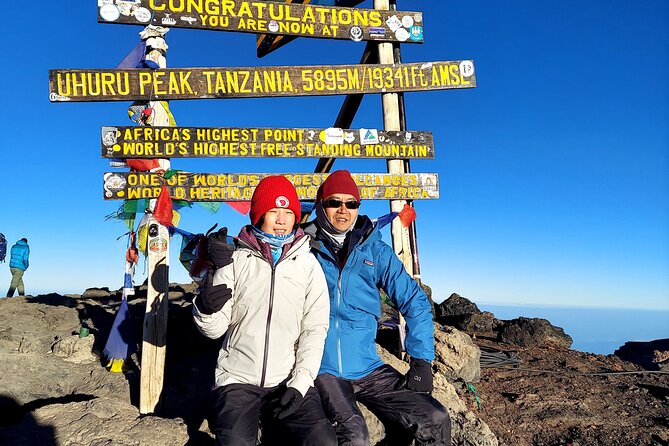
- A serious summit schedule: Leave around midnight on day seven, reach Stella Point at 5,756 meters, then continue to Uhuru Peak at 5,895 meters.
- Strong practical support: Camping gear, meals, treated water, private transport, oxygen, and health checks are included.
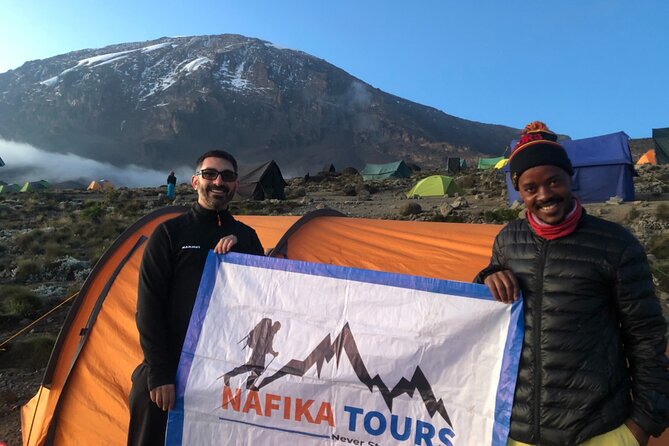
- A local operator with named guides: Recent departures have included guides such as Eli, Meshakii, Inocent, Musa, and Abdala.
Why the Lemosho route is worth eight days
Kilimanjaro is not a technical climb, but it is a major physical challenge. The summit is 5,895 meters above sea level, and the difficulty comes mainly from altitude, cold, long walking days, and limited sleep.
Lemosho is a smart choice because it gives you time. Instead of racing upward from the first morning, you spend several days crossing different mountain zones before reaching the high camps. The route also approaches from the west, circles around the mountain, and joins the southern circuit. That creates broad views and a more varied walk.
The eight-day schedule is especially useful for acclimatization. Day four takes you to 4,640 meters at Lava Tower, then sends you down to sleep at Barranco. This old climbing principle, climb high and sleep lower, gives your body a better chance to adjust than a rushed itinerary.
The price is $2,350 per person. I see that as a substantial but competitive package for an eight-day supported climb, since it includes two hotel nights in Moshi, private transport, camping equipment, meals, treated water, guides, porters, and safety equipment. You should still confirm exactly which hotel nights are provided and where they fall in the schedule, since the day-by-day plan focuses mainly on the mountain.
Other routes up the mountain from Moshi:
- Kilimanjaro climb by Lemosho Route (7-day)
★ 5.0 · 651 reviews - Kilimanjaro climb, Machame Route (7-day)
★ 5.0 · 262 reviews - Kilimanjaro Climbing Lemosho Route 8 Days.
★ 5.0 · 186 reviews
Day 1: Londorossi Gate to Big Tree Camp
Your pickup is planned for about 8:00 a.m. after breakfast. From the hotel, private transport takes you toward Londorossi Gate on the western side of Kilimanjaro.
The gate sits at about 2,360 meters. Nafika Tours handles the entry formalities, then you begin walking through the Lemosho forest. The first day takes about four hours and ends at Big Tree Camp.
This is a gentle opening compared with what comes later. The forest is the main attraction, with tall trees, damp paths, and a sense that the mountain is slowly closing around you. You may also notice the change in temperature from the lower foothills.
The short first day matters. You get your first feel for the pace, your boots, your daypack, and the camp routine without immediately exhausting yourself. Use it to learn how much water you need, how to adjust your clothing, and how slowly the guides expect you to walk.
Day 2: Shira 1 and the first high views
Day two leaves the forest and reaches a much more open zone of grassy moorland and heather. Volcanic rock formations break up the route, and Kibo, Kilimanjaro’s highest cone, may appear above the clouds.
The walk to Shira 1 Camp covers about 8.5 kilometers and takes roughly five hours. Some sections are fairly steep, but the day is manageable for anyone who arrives with the expected moderate fitness level.
I like this stage because the mountain begins to feel larger. The trees no longer surround you, so you can see across the plateau and look back toward the lower country. At the same time, the altitude becomes more noticeable. Walk slowly, drink regularly, and do not treat this as a race.
Your guides may use this day to watch for early signs of altitude trouble. Nafika places strong emphasis on regular health checks, and that is important here, because the first symptoms can be easy to dismiss as simple tiredness.
Day 3: Shira 2 and a useful acclimatization walk
The third day covers about eight kilometers in roughly four hours. You continue across the Shira Plateau toward Shira 2 Camp, with views toward Kibo and the Northern Icefields from the western side.
The terrain is mostly open moorland. There is less forest cover and more exposed volcanic ground, so the views become the focus. This is one of the most scenic parts of the route, but the openness can also mean stronger sun and wind. Bring sun protection even if the morning begins cool.
After reaching camp, the guides plan a short acclimatization walk before dinner. This is a small but valuable feature. You gain a little more height, then return to sleep at camp instead of pushing onward. That extra movement helps your body adjust while keeping the day fairly short.
This is also a good evening to check your summit clothing and sleeping setup. Once you are higher on the mountain, small problems with gloves, socks, or sleeping gear can become much more serious.
Same base, a different kind of day out:
- Safari Serengeti And Ngorongoro
★ 5.0 · 288 reviews - Climbing Kilimanjaro – Machame Route
★ 5.0 · 170 reviews - Climbing Kilimanjaro through 7 days Machame Route
★ 5.0 · 151 reviews - Kilimanjaro climb, Lemosho Route (8-day)
★ 5.0 · 148 reviews
Day 4: Lava Tower and Barranco Valley
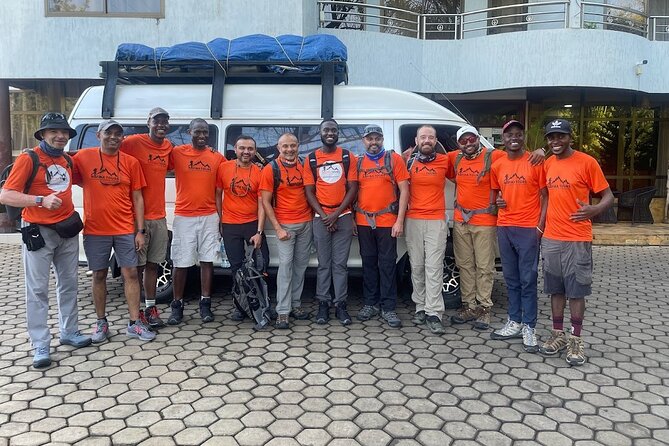
Day four is the route’s key acclimatization day. You climb through upland desert to Lava Tower at 4,640 meters, the highest point reached that day. The walk covers about 10 kilometers and takes roughly seven hours.
The route follows lava ridges beneath the Western Breach and offers wide views toward the glaciers. Lunch at Lava Tower gives you a chance to pause at high altitude before the descent.
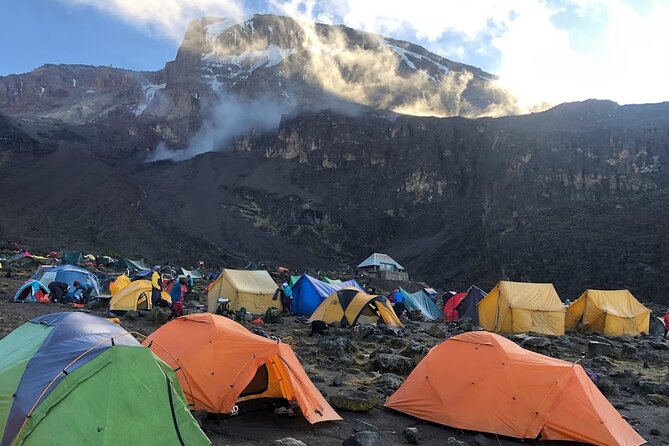
Then comes the important part: you go down to Barranco Camp at about 3,960 meters. The camp sits below towering cliffs, with views toward the plains. Your body experiences a high point without having to sleep at that elevation.
This day can feel harder than its distance suggests. The air is thin, and you may develop a headache, lose your appetite, or feel unusually slow. Tell your guide early. The support team is prepared to monitor your condition, and emergency oxygen and a first-aid kit are included.
Barranco is also one of the most memorable camps on the route. The cliffs and glaciers give the setting a dramatic feel, but do not let the scenery distract you from eating, drinking, and resting.
Day 5: Barranco Wall to Karanga
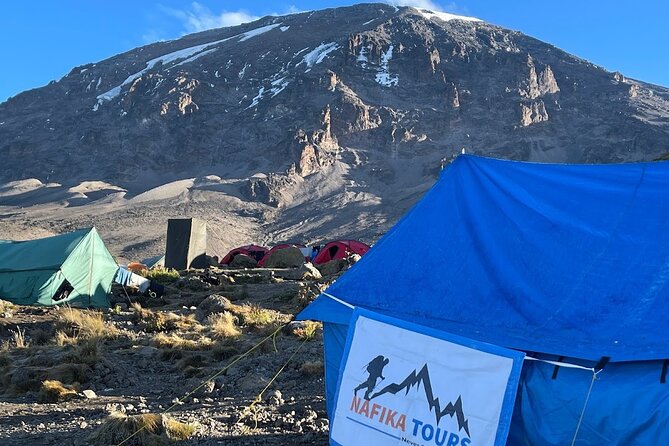
After breakfast, you tackle the Barranco Wall. It looks imposing from camp, but the route is a climb rather than a technical rock ascent. The guides help you find a steady rhythm as you pass below the Heim and Kersten glaciers.
The day continues toward Karanga Valley and takes about five hours. From the camp, Mawenzi’s jagged peaks appear to the east, while Kibo and its glaciers remain close overhead.
This shorter day is well placed before the summit attempt. You have time for a hot lunch, a rest, and, if you feel strong, an optional acclimatization walk to around 4,200 meters before returning to camp.
I would not treat that optional walk as a test of toughness. If you have a headache, nausea, or unusual fatigue, rest is the better choice. The summit is still ahead, and conserving energy now may matter more than covering a little extra ground.
Day 6: Barafu Camp and an early night
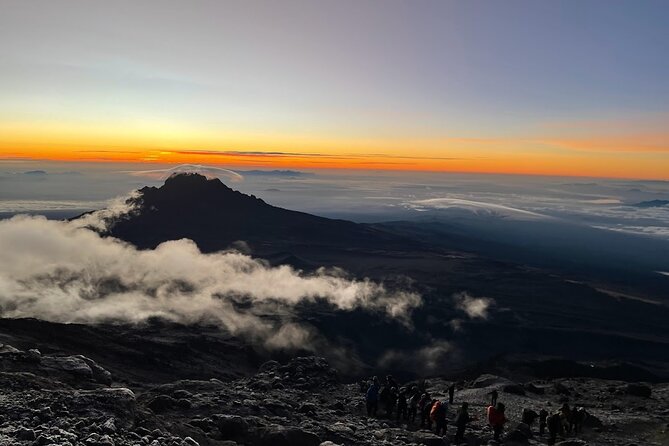
The walk to Barafu Camp covers about four kilometers and takes around four hours. You climb through alpine desert with views toward both Kibo and Mawenzi.
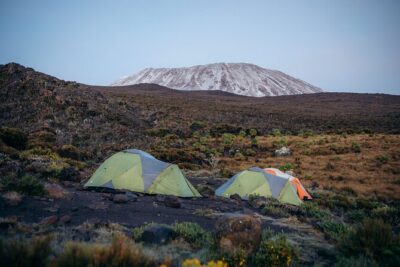
Barafu means ice, and the camp marks the start of the final preparation. The surroundings are more barren, exposed, and severe than the forest below. After lunch, the plan is to rest in your tent, eat an early dinner, and sleep before the midnight wake-up.
Sleep may be difficult. You are high, excited, and aware that the hardest day is close. The best approach is to lie down even if you do not fall asleep at once. Keep your summit clothing organized, prepare your headlamp and water, and avoid wasting energy searching through bags later.
The included sleeping bag, pad, and proper mountain tent are more than simple conveniences here. At this altitude, warmth and rest directly affect how well you handle the summit morning.
Day 7: Stella Point, Uhuru Peak, and the long descent
Summit day begins around midnight with light tea and breakfast. The climb to the crater rim takes about four to five hours, even though the distance is short. You gain a huge amount of height over a compact stretch.
The route is usually slow and deliberate. Darkness hides much of the mountain, and the cold can be severe. Your guide sets the pace, checks how you are coping, and keeps the group moving one careful step at a time.
The first major goal is Stella Point at 5,756 meters. Reaching it around sunrise can be an extraordinary moment, with light spreading across the crater rim and the surrounding peaks. From Stella Point, you continue for about an hour to Uhuru Peak at 5,895 meters.
At the summit, keep your celebration simple and focused. Take the planned photographs, enjoy the view, and listen to your guide. The summit is only the halfway point of the day.
You descend to Barafu Camp for lunch and a short rest, then continue lower toward the next campsite. The full day lasts about 13 hours. This is the biggest physical demand of the entire experience, and it is why the earlier rest days, meals, and health checks matter so much.
Day 8: Millennium Camp to Mweka Gate
The final descent takes about five hours and covers roughly 14 kilometers through montane forest. From Millennium Campsite, you walk toward Mweka Gate, collect your certificate, and meet your private vehicle for the return to your hotel.
The forest feels very different after the summit. The air becomes warmer, oxygen feels normal again, and the trees offer shade. Your knees may be tired, especially after the long summit descent, so trekking poles can be useful if you already use them.
At the gate, the formal climb ends. The plan includes a private transfer back to your hotel, where a hot shower and a cold drink will feel well earned.
What the $2,350 package covers
The package includes the core things you need for an organized mountain climb:
- Private transportation and pickup
- Two hotel nights in Moshi
- Mountain tents, sleeping pads, sleeping bags, tables, and chairs
- Professional guides and porters
- Guide and porter wages
- Breakfast for eight days
- Lunch for eight days
- Dinner for seven days
- Treated water throughout the trek
- Emergency oxygen and a first-aid kit
- Park-related parking fees
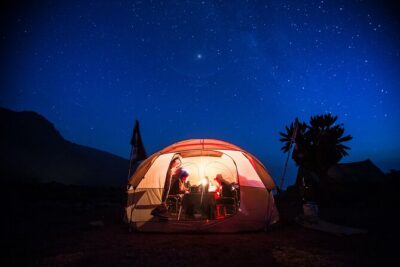
The camp furniture deserves attention. Tables, chairs, and organized tea breaks can make a real difference after several hours of walking. One recent departure even included proper tea stops with food and seating, rather than only a flask passed around the group.
Food is another strength of the setup. The chef has prepared meals with small surprises, and the guides have sometimes taken turns eating with the group. That kind of shared routine can make a demanding week feel more human.
The listed visa cost is $50 and is not included. Since the meeting point is given as Kilimanjaro International Airport, confirm your airport transfer and hotel arrangements before arrival, especially if your flight schedule falls outside the stated operating details.
Safety, staff, and group size
Safety is the area where this program earns its strongest marks. Guides conduct regular medical checks, carry emergency oxygen, and have a first-aid kit. That does not remove the risks of altitude, but it gives you a clear system for reporting problems.
Recent departures have included guides named Eli, Meshakii, Inocent, Musa, Abdala, Alyce, and Diklan. The exact team can vary, but you can ask Nafika who will lead your climb and how many guides will be assigned to your group.
The maximum group size is 20 people. That is not an intimate private trek, but it is still a manageable limit for a major mountain route. Ask about your actual group size before booking, since a smaller group can make pacing and communication easier.
The porter team is part of the experience, not an invisible service. The package states that mountain crews, porters, and guides receive a good salary. You should still clarify local tipping customs before departure so you can budget fairly for the people carrying camp equipment and helping run the climb.
Who should book this climb?
I would choose this route if you want Kilimanjaro’s most varied scenery and are willing to spend eight days earning the summit. It suits people who prefer a measured pace, organized camping, and a route with several useful altitude adjustments.
It is a good fit for families and mixed-age groups if everyone understands the physical demands. A recent climb included siblings and a 69-year-old father who reached the summit, but that should not be taken as a promise. Fitness, health, preparation, and altitude response differ from person to person.
I would not choose it if you want a casual sightseeing trip. The summit day is long, the sleeping conditions are basic, and you need to accept cold, dust, fatigue, and possible altitude symptoms.
You should also be comfortable with walking for up to seven hours on regular days and about 13 hours on summit day. The stated requirement is moderate physical fitness, but a steady walking and hill-training program before arrival will make the experience far more manageable.
Should you book the 8-day Lemosho route?
I would book this climb if your priority is a scenic route with sensible acclimatization and strong practical support. The combination of Lemosho’s forest, Shira Plateau, Lava Tower, Barranco Wall, glaciers, and southern summit approach gives you a fuller Kilimanjaro experience than a rushed ascent.
The $2,350 price makes the most sense if you value the included equipment, meals, treated water, hotel nights, private transfers, and safety preparation. Before paying, ask for the exact hotel names, the final guide team, your expected group size, and the tipping arrangements.
For a first Kilimanjaro climb, this is a well-balanced choice. Just arrive ready for a demanding summit day, listen to the guides, and judge success by staying safe as much as by reaching Uhuru Peak.
FAQ
How long is the Kilimanjaro Lemosho climb?
The experience lasts approximately eight days, including the approach, summit attempt, descent, and return to the hotel.
What is the price per person?
The listed price is $2,350 per person.
Where does the climb begin?
The climb begins at Londorossi Gate on the western side of Kilimanjaro, at about 2,360 meters.
Where does the tour meet?
The stated meeting point is Kilimanjaro International Airport, on Kilimanjaro Airport Road in Tanzania.
Is hotel pickup available?
Yes. Pickup is offered, and the first day describes a hotel pickup at about 8:00 a.m. The package also includes two hotel nights in Moshi.
What is the highest point reached?
Uhuru Peak is the highest point, at 5,895 meters. Stella Point, at 5,756 meters, is reached first on the summit morning.
How long is summit day?
Summit day takes about 13 hours. It begins around midnight, reaches Stella Point after approximately four to five hours, continues to Uhuru Peak, and then descends toward camp.
What equipment is included?
Camping equipment includes mountain tents, sleeping pads, sleeping bags, tables, and chairs. Emergency oxygen and a first-aid kit are also provided.
Are meals and drinking water included?
Yes. Breakfast is included for eight days, lunch for eight days, and dinner for seven days. Treated water is provided throughout the trek.
Is a visa included?
No. The stated visa cost is $50 and is not included in the tour price.
What level of fitness is required?
You should have a moderate level of physical fitness. The itinerary includes walking days of up to seven hours and a summit day of about 13 hours.
What is the cancellation policy?
You can cancel at least 24 hours before the experience begins for a full refund. Cancellations or changes made within 24 hours are not accepted for a refund.
More Hiking & Trekking in Moshi
- Private Kilimanjaro Hike 7 Day Lemosho Route
★ 5.0 · 60 reviews - Best Kilimanjaro hiking day trip tour with Kilinge Adventures
★ 4.5 · 54 reviews - #1. Best Kilimanjaro Day hike Tour-Machame Route-ISMANI
★ 4.2 · 47 reviews - Best Kilimanjaro Adventure 7 days Machame route Trekking
★ 5.0 · 42 reviews
Just added in Moshi
- Kilimanjaro Airport Private Transfer from/to Moshi★ 5.0 · 14 reviews
- 7 Days Highlight of Tanzania Mid-Range Standard★ 5.0 · 22 reviews
- 4 Day Mid-range Serengeti Safari★ 5.0 · 22 reviews
- Kilimanjaro Climbing 5 days Marangu route★ 5.0 · 22 reviews
- 6 Days Machame route Kilimanjaro climbing★ 5.0 · 22 reviews
- 6 Days: Classic Camping( Tarangire, Manyara, Serengeti And Ngorongoro).★ 5.0 · 26 reviews
- Mt Kilimanjaro Climb – 7 days Machame★ 5.0 · 26 reviews
- 10-Day Predators Tanzania Safari Luxury Package★ 5.0 · 24 reviews
Kilimanjaro Treks, compared.
8-Day Small-group Lemosho Kilimanjaro Summit Trekking
Read our review →
5 Days Best of Tanzania Luxury Safari Northern Circuit
Read our review →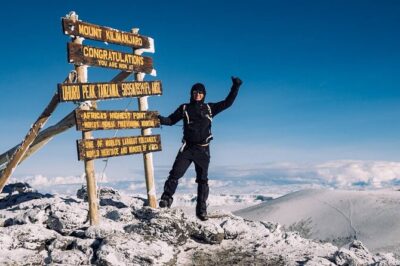
Climbing Kilimanjaro through 7 days Machame Route
Read our review →
7-Day Machame Kilimanjaro Summit Tour from Arusha
Read our review →Browse the lists this tour appears in