
Reviewed · WILDEBEEST MIGRATION SAFARIS
6 Days Tanzania Budget Camping Safari with Migration
The main draw here is simple: in six busy days, you visit four of northern Tanzania’s best-known wildlife areas, including several days in the Serengeti and a game drive inside Ngorongoro Crater. I like the chance to follow the wildebeest rather than stay in one fixed area, and I like the mix of wildlife, village life, and Maasai culture. Guides such as Robert, Florian, Douglas, and Mohammed are repeatedly praised for their driving, animal spotting, and good sense of timing.
The main caution is the pace. Long drives, early breakfasts, basic camping, and a changing route are part of the deal. The migration never follows a calendar perfectly, so this safari gives you a strong chance of seeing wildebeest, but it cannot promise a river crossing or a particular herd location.
Key points to know before booking
- Serengeti receives the most attention: Days two through four focus on central Serengeti and migration tracking.
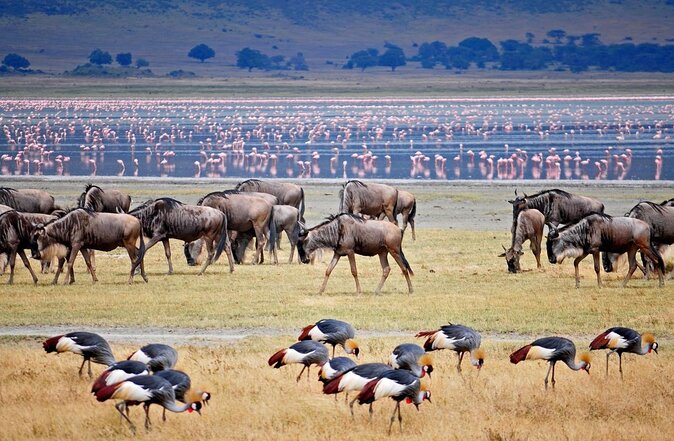
- Ngorongoro is a major highlight: Expect an early descent into the crater, a six to seven-hour game drive, and a good chance of seeing many classic African animals.
- The price covers a lot: At $1,650 per person, transport, guide, camping, meals, water, park visits, hotel pickup and drop-off, taxes, Wi-Fi in the safari vehicle, and emergency rescue are included.
- This is a real budget camping trip: You trade lodge comfort for a lower price and more time close to the parks.
- The schedule starts early: Some mornings begin around 5:30 or 5:45, especially when sunrise or an early crater drive matters.
- The group can reach 15 people: That keeps the cost down, though a full vehicle means less personal space and less flexibility.
Four parks and one fast-moving safari route
This safari begins in Moshi, with pickup offered from your hotel. The listed meeting time is 7:30 a.m., while the first day’s schedule says pickup at 8:00 a.m., so I would confirm the exact time before departure.
The route is designed to show you the variety of northern Tanzania. Tarangire gives you elephants and baobabs. Serengeti supplies the wide open plains and the best chance of following the migration. Ngorongoro brings dense animal viewing in a compact crater. Lake Manyara adds birds, a hot spring, tree-climbing lions, and a cultural stop.
That variety is the strongest part of the plan. You are not spending all six days in one park, but you also are not rushing through the Serengeti in a single afternoon. The tradeoff is plenty of time on rough roads and several long transfers.
Other ways to sleep out on safari from Moshi:
- 5 Days Camping Tarangire, Serengeti & Ngorongoro crater & Visiting Maasai
★ 5.0 · 58 reviews - 4 Days Group Joining Camping Safari to Tarangire Serengeti Ngorongoro Crater
★ 5.0 · 50 reviews - Tanzania Luxury Safari
★ 5.0 · 48 reviews
Day 1: Tarangire’s elephants and baobab trees
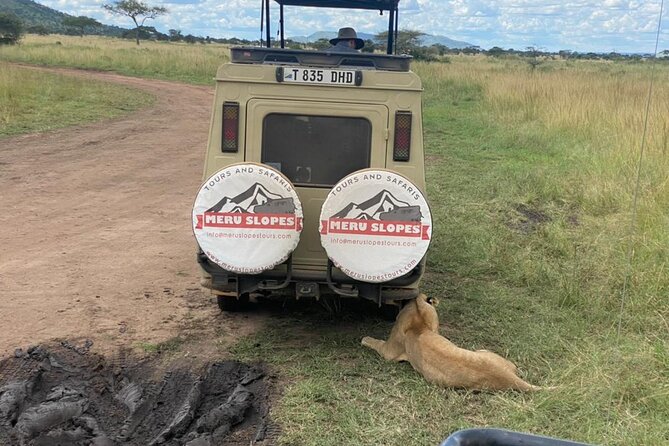
After pickup, you drive toward Tarangire National Park, about 115 kilometers from Arusha. The schedule describes a full day of game viewing before continuing to Jambo Lodge for dinner and the night.
Tarangire is known for its large elephant population, baobab trees, and animals gathering near the Tarangire River. You might also see lions, leopards, pythons climbing trees, and other park wildlife. The river is central to the park’s appeal because it draws animals, especially when other water sources are less reliable.
I like beginning here because Tarangire feels different from the Serengeti. The scenery is shaped by big trees and river country rather than endless grassland. It gives you an early chance to see elephants in a setting that feels distinct from the rest of the route.
The supplied timing contains a clear typo or scheduling problem, describing the drive as 43 hours. That cannot be the intended travel time, so ask the operator to confirm the actual road plan and approximate arrival time. You should also clarify which nights are in a lodge and which are in campsites, since the trip description refers to Jambo Lodge while later nights are at campsites.
Day 2: The long approach to Serengeti
After breakfast, you pack the safari vehicle and begin the journey toward Serengeti National Park. Lunch is taken in the vehicle, and the route includes views of the Rift Valley and Ngorongoro Crater before arrival in central Serengeti around 3 p.m.
This is mainly a transfer day with wildlife viewing built in. You should expect a long stretch in the vehicle, but the road itself is part of the experience. The change from the Ngorongoro area to Serengeti’s open plains gives you a sense of the scale of northern Tanzania.
An evening game drive brings a chance to watch the light soften across the plains and see animals becoming active before night. The schedule places you at Seronera campsite inside Serengeti, which is valuable because you are already in the park rather than commuting in from outside.
The benefit is more time for wildlife. The cost is a tiring day, especially after an early start and a lunch eaten on the move. If you prefer relaxed transfers and long lodge lunches, this is not that sort of safari.
Days 3 and 4: Following the wildebeest in Serengeti
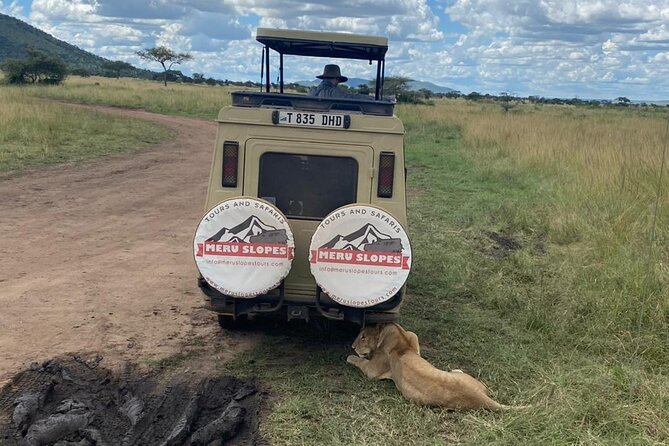
Day three is the heart of the trip. You begin with breakfast and spend a full day on game drives in central Serengeti. The guide aims to take you toward the areas where the wildebeest are currently moving, rather than treating the migration as a fixed attraction.
That approach matters. The great migration is a circular movement through the Ngorongoro area, Serengeti, and toward Kenya’s Masai Mara. Herds change location with rainfall, grass, and water, so the best guide is one who adjusts the route instead of following a rigid script.
The strongest migration period listed here is June through September, when the herds may be moving north and river crossings may be possible from July through September. Calving is associated with January through March. These are useful planning windows, but they are not guarantees. A crossing can happen before you arrive, after you leave, or at a different section of the river.
You also have time for ordinary Serengeti wildlife, not just wildebeest. Lions, leopards, and other predators follow the herds, while the plains themselves are a major part of the experience. The safari’s guide team has earned particular praise for finding animals and positioning the vehicle well without treating wildlife as a race.
Day four begins very early, around 5:45 a.m., with sunrise viewing inside Serengeti. You game-drive until late morning, return to camp for a hot lunch, pack the vehicle, and continue with another game drive toward Ngorongoro.
This is an efficient use of the day. You get the cool morning hours, a proper meal at camp, and more wildlife viewing during the transfer. You also spend another night at Simba Campsite near Ngorongoro, ready for the crater the following morning.
The drawback is the schedule’s physical demand. You will have several early starts, long hours seated in a safari vehicle, and basic overnight arrangements. Still, if Serengeti wildlife is your main reason for visiting Tanzania, these two days provide the best value in the program.
Other park itineraries that start in Moshi:
- Safari Serengeti And Ngorongoro
★ 5.0 · 288 reviews - Big Five Safari In Tanzania
★ 5.0 · 99 reviews - Unforgettable Tanzania Safari And Zanzibar Beach
★ 5.0 · 97 reviews - 8-Day Essence of Tanzania Safari – Luxury
★ 5.0 · 72 reviews
Day 5: Ngorongoro Crater and Mto wa Mbu
You wake around 5:30 a.m. for breakfast, then descend into Ngorongoro Crater. The crater is an enormous inactive volcanic caldera, and its enclosed setting supports a high concentration of wildlife.
The planned crater drive lasts six to seven hours. You may see elephants, lions, buffalo, leopards, and black rhinos, along with many bird species. Flamingos may gather around the water, adding color to an already busy wildlife day.
Ngorongoro is different from Serengeti because the animals are concentrated in a smaller area. That can make sightings feel more dependable, though it can also mean more safari vehicles in popular viewing areas. The crater floor is not a quiet wilderness in the same way as the open plains, but its compact animal viewing makes it one of Tanzania’s most rewarding stops.
Lunch is taken inside the crater while you continue watching the natural setting. After the drive, you ascend, collect your luggage, and continue to the Mto wa Mbu area.
The cultural portion includes a walking tour, banana plantations, local food tasting, and a chance to see community projects and everyday village life. I like this addition because it gives the trip a human side. You are not only moving from park gate to park gate, and you get a closer look at how people live around the tourism economy.
The schedule is not perfectly clear about the order of the crater, Mto wa Mbu, and the overnight at Jambo Lodge. Confirm the sequence before you go. The activity itself is clear, but the practical timing appears to have been edited together from several versions.
Day 6: Lake Manyara, hot springs, and Maasai culture
The final day takes you to Lake Manyara National Park for a full-day game drive. The park is associated with flamingos drawn to the lake’s algae, tree-climbing lions, and a hot spring.
Lake Manyara is smaller in scale than Serengeti and Ngorongoro, so it works well as a final park. You get another chance for wildlife without repeating the same scenery. Flamingos can be seasonal and conditions change, so treat them as a possibility rather than a promise.
The day also includes a visit to a Maasai boma, where you can learn about local traditions and daily life. This is a useful cultural counterpoint to the national parks, though you should listen carefully to the guide about what is included in the visit and how the community benefits.
Afterward, you return to town. The description says dinner and overnight are included, while the main tour summary describes six days. Ask whether the final overnight is included in the $1,650 price and where it takes place.
What the $1,650 price really buys you
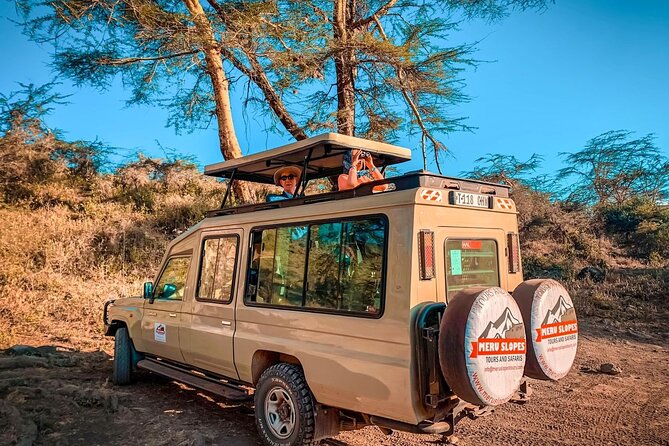
For a six-day safari, $1,650 per person is attractive because the cost includes much more than vehicle transport. The package lists a professional driver-guide, hotel pickup and drop-off, taxes and fees, mineral water, emergency rescue, Wi-Fi in the safari vehicle, four breakfasts, five dinners, and six lunches.
You also get access to four major wildlife areas, camping inside or near the parks, and several long game-drive days. The value is strongest if you want to see a lot of Tanzania without paying lodge prices every night.
The food receives especially strong praise. Chefs including Yohane, Gadi, Johannes, and Gideon are singled out for tasty meals, good humor, and attention to dietary needs. That matters on a camping safari, where a hot, dependable meal after a dusty game drive can change your whole mood.
You should budget separately for tips and a visa. The listed price does not include either. Also confirm the exact hotel and campsite arrangements, since the details mention both hotel accommodation in Arusha and lodge or campsite nights along the route.
Guides, vehicles, and group size
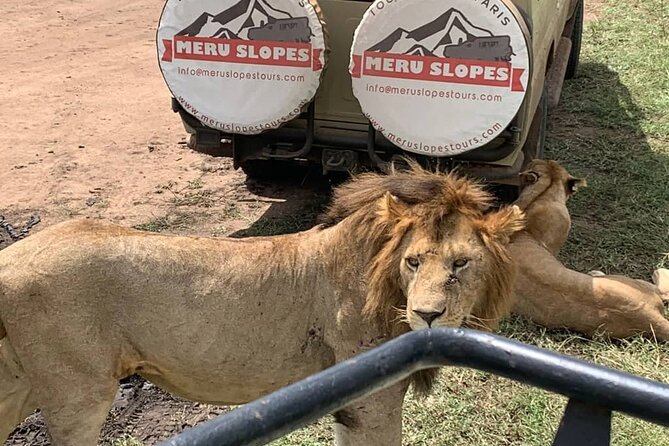
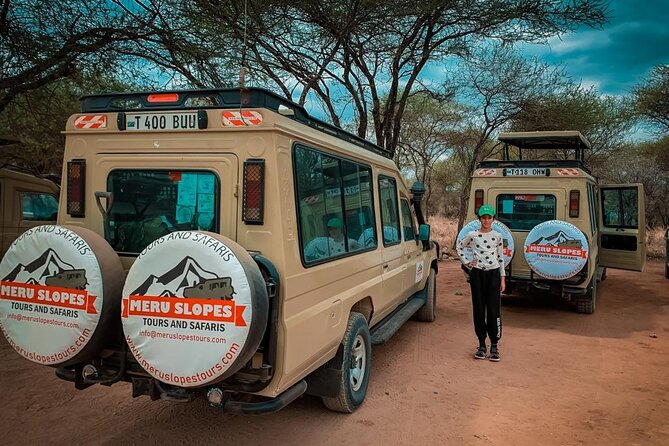
The guide can make or break a safari. Names connected with this operation include Robert, Florian, Douglas, Mohammed, Daniel, Andrew, and others. Their praised strengths include animal spotting, safe driving, route choices, clear explanations, and the ability to find the best viewing areas at the right time.
The vehicle includes Wi-Fi and unlimited mineral water, which are useful on long drives. Wi-Fi in the bush can be inconsistent, so I would regard it as a bonus rather than a reason to book.
The maximum group size is 15 people. A shared safari keeps the price reasonable and can make meals and camp evenings more social. The downside is less control over where you stop, how long you stay, and how much room you have for bags and camera equipment.
If you are traveling alone, the group format may be a practical way to bring the cost down. Solo women are also specifically accommodated in the existing tour setup, with early starts and staff support described as part of the experience. Still, you should ask how many people will be in your particular vehicle before paying.
Camping comfort and the daily rhythm
This is budget camping, not luxury camping. You should expect early breakfasts, packed luggage, long game drives, and nights at campsites. The information provided does not specify tent size, bedding, showers, or toilet arrangements, so ask for those details directly.
The rhythm is demanding but logical. You use the cool early hours for wildlife, eat hot meals at camp when possible, and move between parks during daylight. The schedule gives you six lunches, five dinners, and four breakfasts, though the meal count does not perfectly match every overnight detail, so confirm what is covered on arrival and departure days.
Pack light, bring layers for cool mornings, and protect your camera and phone from dust. The operator provides mineral water, but you should still clarify whether you need a reusable bottle or any extra drinks.
Who should book this safari?
I would choose this tour if you want a broad northern Tanzania experience at a controlled price. It suits first-time safari visitors who want Tarangire, Serengeti, Ngorongoro, and Lake Manyara in one trip, especially if migration viewing is a priority.
It is also a good fit for solo visitors, couples, and people comfortable sharing a vehicle. The mix of wildlife and village experiences gives you more than a string of game drives.
I would hesitate if you need private space, a slow pace, luxury beds, or a guaranteed river crossing. The route is ambitious, the group may be large, and the migration depends on nature. You should also confirm the unclear timing, lodge nights, final overnight, and exact pickup time before booking.
Should you book it?
Book this safari if your priority is maximum wildlife variety for $1,650 and you accept early mornings, long road transfers, and simple camping. The two full Serengeti days, extended Ngorongoro visit, and experienced guide team give the itinerary real substance.
If you can travel between June and September, your chance of finding the moving herds may improve. For calving, consider January through March. Just remember that no responsible operator can promise a specific migration event.
The best reason to book is the balance: major parks, cooked meals, cultural stops, and several days focused on wildlife without a luxury price tag. The best reason to pause is the schedule’s rough edges. Get the daily timings and accommodation details in writing, then this can be a very strong budget safari choice.
FAQ
Where does the safari start?
The safari starts in Moshi, Tanzania, with hotel pickup offered. The listed start time is 7:30 a.m., while the first day also mentions an 8:00 a.m. pickup, so confirm the exact time before departure.
Which parks are included?
The route includes Tarangire National Park, Serengeti National Park, Ngorongoro Conservation Area and Crater, and Lake Manyara National Park.
When is the best time to see the wildebeest migration?
The provided schedule lists June through September as the best general chance for the migration, with July through September offering a possibility of seeing crossings in northern Serengeti. Calving is listed from January through March.
Is camping included?
Yes. The itinerary includes nights at Seronera Campsite inside Serengeti and Simba Campsite near Ngorongoro, along with lodge accommodation on parts of the route. Ask the operator to confirm the exact night-by-night arrangement.
What meals are included?
The package lists four breakfasts, five dinners, and six lunches. Mineral water is also included. Tips and a visa are not included.
How large can the group be?
The activity can include up to 15 travelers. It is a shared safari, so confirm the expected group size and vehicle arrangement before booking if personal space is important to you.
More camping and lodge safaris from Moshi
- 4 days adventure camping safari
★ 5.0 · 44 reviews - 5 days Tanzania Camping Safari
★ 5.0 · 29 reviews - 4 Days Tanzania Budget Safari
★ 5.0 · 26 reviews - 6 Days: Classic Camping( Tarangire, Manyara, Serengeti And Ngorongoro).
★ 5.0 · 26 reviews
More safaris from Moshi
- Great Migration Safari In Tanzania
★ 5.0 · 71 reviews - 6 Days 5 Night Safari
★ 5.0 · 57 reviews - 7-Day Magical Tanzania Safari -Premium High End Package
★ 5.0 · 53 reviews - 4-day Tanzania Safari
★ 5.0 · 53 reviews
Just added in Moshi
- Kilimanjaro Airport Private Transfer from/to Moshi★ 5.0 · 14 reviews
- 6 Days Machame route Kilimanjaro climbing★ 5.0 · 22 reviews
- 7 Days Highlight of Tanzania Mid-Range Standard★ 5.0 · 22 reviews
- 4 Day Mid-range Serengeti Safari★ 5.0 · 22 reviews
- Kilimanjaro Climbing 5 days Marangu route★ 5.0 · 22 reviews
- Kilimanjaro Trekking 7Days 6Night Lemosho Route★ 5.0 · 23 reviews
- 6 Days: Classic Camping( Tarangire, Manyara, Serengeti And Ngorongoro).★ 5.0 · 26 reviews
- Mt Kilimanjaro Climb – 7 days Machame★ 5.0 · 26 reviews
Wildebeest Migration Safaris, compared.
8 Days Great Wildebeest Calving Migration Safari from Arusha
Read our review →
10-Day Serengeti Wildebeest Migration Safari from Arusha
Read our review →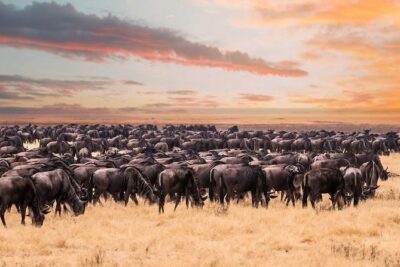
8 Day Spectacular Migration Serengeti mid -Range Tanzania Safari
Read our review →
9-Day Serengeti Migration Footsteps Tanzania Safari
Read our review →
Private 6-Day Great Migration Ndutu Serengeti Safari Tour
Read our review →
4 Day Great Migration Safari Serengeti & Ngorongoro Crater
Read our review →Browse the lists this tour appears in