
Reviewed · KILIMANJARO TREKS
Private Kilimanjaro Hike 7 Day Lemosho Route
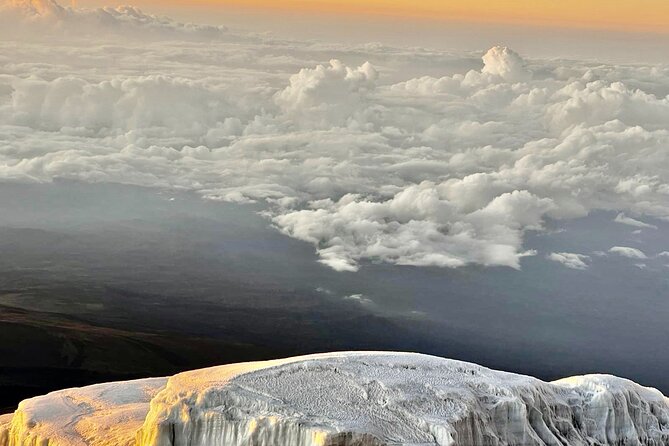
Kilimanjaro’s Lemosho Route gives you the mountain’s best visual build-up: rainforest on the western slope, open Shira Plateau, high desert, glacier views, and a sunrise summit attempt. You reach 5,895 meters at Uhuru Peak after six days of gradual climbing, then descend through forest to Mweka Gate.
I like the route’s balance of scenery and acclimatization. The climb includes a useful high-point hike to Lava Tower before sleeping lower at Barranco, and the package includes the things that can make a major difference: hotel nights, camping equipment, meals, treated water, porters, and safety gear. The main drawback is the demanding schedule, especially the long summit day and the 16.5-kilometer Shira Plateau crossing.
Key points before you book
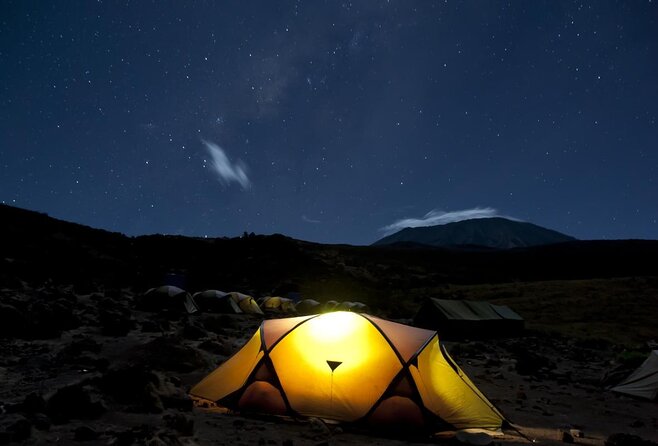
- The route crosses four very different mountain zones: rainforest, heather and moorland, alpine desert, and the summit’s rocky high-altitude terrain.
- Day three uses the climb-high, sleep-low method: you reach Lava Tower at 4,600 meters, then descend to Barranco Camp.
- Summit day lasts about 12 hours: you start around midnight, reach Stella Point near sunrise, continue to Uhuru Peak, then descend toward Millennium Camp.
- The price includes substantial logistics: two Moshi hotel nights, private transportation, guides, porters, tents, sleeping bags, meals, treated water, oxygen, and first-aid equipment.
- The strongest practical praise centers on organization and staff: Elias is repeatedly named for clear planning, while Eli, Benson, Frank, and Sebastian appear among the guides associated with the climbs.
- This is a private activity as advertised: only your group is meant to participate, though you should confirm the exact group size and guide roster before paying.
Why the seven-day Lemosho Route works so well
Lemosho approaches Kilimanjaro from the west, beginning at Lemosho Gate at about 2,360 meters. That matters because the first part of the climb feels like a proper mountain journey rather than a quick march toward the summit.
You start among forest and move through several distinct zones before reaching the barren upper slopes. The changing scenery gives each day its own character. It also helps break up the physical effort, since you are not staring at the same type of trail for a full week.
The route circles south around Kilimanjaro and passes near Shira Ridge, described as the mountain’s third summit. You get broad views toward Kibo and Mawenzi, the two most striking peaks in the Kilimanjaro massif. The route is not easy, but the schedule includes several shorter days before the summit push, which gives you time to adjust.
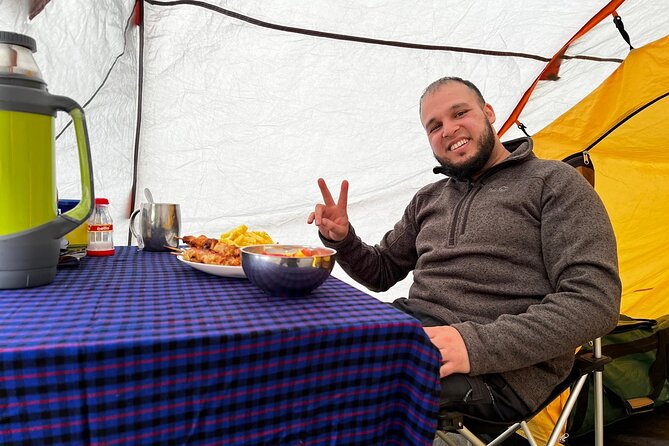
At $2,450 per person, this is not a budget walk. Still, the price covers much more than guiding. You receive private transport, park fees and taxes, camping equipment, sleeping pads, sleeping bags, chairs, tables, porters, meals, treated water, emergency oxygen, a pulse oximeter, a first-aid kit, and two nights in a Moshi hotel.
That package gives the price real weight. You are paying for an organized expedition, not simply a trail escort. I would still ask for a clear breakdown of the private group size, porter arrangements, tipping expectations, and hotel names before booking. Those details affect the value of any Kilimanjaro climb.
Other routes up the mountain from Moshi:
- Kilimanjaro climb by Lemosho Route (7-day)
★ 5.0 · 651 reviews - Kilimanjaro climb, Machame Route (7-day)
★ 5.0 · 262 reviews - Kilimanjaro Climbing Lemosho Route 8 Days.
★ 5.0 · 186 reviews
Day one: Lemosho Gate to Big Tree Camp
The day begins with pickup from your hotel around 8:00 a.m. You transfer to Lemosho Gate on the western side of the mountain, where the operator handles the park entry and pre-hike formalities.
The first walk covers about 7 kilometers and takes roughly four hours. You pass through the forest of the Lemosho glades before reaching Big Tree Camp for the night. The route is a gentle introduction compared with what comes later, though the altitude means you should still walk slowly and conserve energy.
This is a good day to settle into the group routine. You learn how the tents, meals, water refills, and morning departures work. You also get your first sense of the porters’ support, which is central to how a Kilimanjaro climb operates.
Breakfast, lunch, and dinner are included. The inclusion of a Moshi hotel night before the hike is useful here, since you can begin rested rather than arriving at the gate straight from an airport transfer.
Day two: the long crossing to Shira 2
Day two is the first serious test. You cover about 16.5 kilometers in nine to ten hours across grassy moorland and heather, with volcanic rock formations scattered along the plateau.
The terrain opens up dramatically after the forest. Kibo Peak appears above the clouds, and the Northern Icefields come into view near Shira 2 Camp. The scenery is one of the main reasons to choose Lemosho, but the long distance can surprise you. The trail may not feel technically difficult, yet ten hours on your feet at rising altitude is tiring.
This is a day for the guide’s pacing to matter. Follow the local rhythm of walking slowly, even if you feel strong during the first few hours. Eat the provided lunch, drink regularly, and do not treat the broad plateau as an excuse to rush.
The views are excellent, but there is a practical tradeoff. If you prefer short walking days and more time at camp, a longer Kilimanjaro itinerary may suit you better. Seven days is a popular compromise, but it leaves less spare time than an eight or nine-day version.
Day three: Lava Tower and Barranco Wall
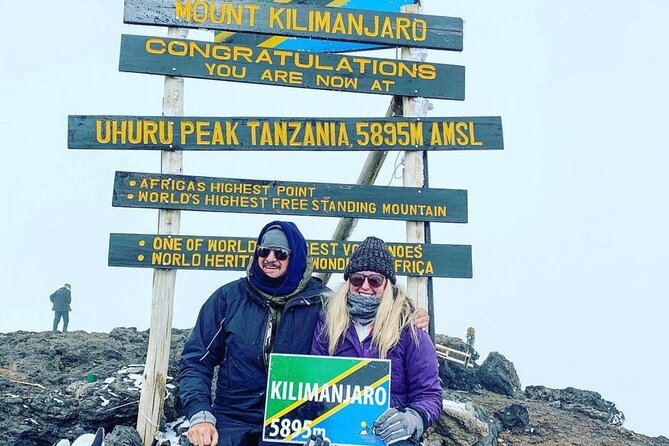
Day three is one of the best-designed parts of the route. You climb into the alpine desert, reaching Lava Tower at about 4,600 meters, then descend to Barranco Camp at roughly 3,900 meters.
The total hike is about 10 kilometers and takes around six hours. This high climb followed by a lower overnight stop helps your body adjust to altitude. You feel the thin air at Lava Tower, but you do not sleep at that elevation.
The descent to Barranco takes about three hours. Along the way, you get views of the Western Breach and Barranco Wall. Barranco Camp sits in a valley below the wall, giving you a dramatic setting at the end of the day. The evening light can be especially striking here, with the wall rising above camp and the mountain changing color as the sun drops.
Do not confuse the Barranco Wall with a technical rock climb. The route requires effort and careful footing, but the itinerary presents it as a steep hiking obstacle rather than a climbing expedition. Still, if you dislike exposure or uneven ground, ask the operator for a more detailed trail description.
Same base, a different kind of day out:
- Safari Serengeti And Ngorongoro
★ 5.0 · 288 reviews - Climbing Kilimanjaro – Machame Route
★ 5.0 · 170 reviews - Climbing Kilimanjaro through 7 days Machame Route
★ 5.0 · 151 reviews - Kilimanjaro climb, Lemosho Route (8-day)
★ 5.0 · 148 reviews
Day four: climbing Barranco Wall and reaching Karanga
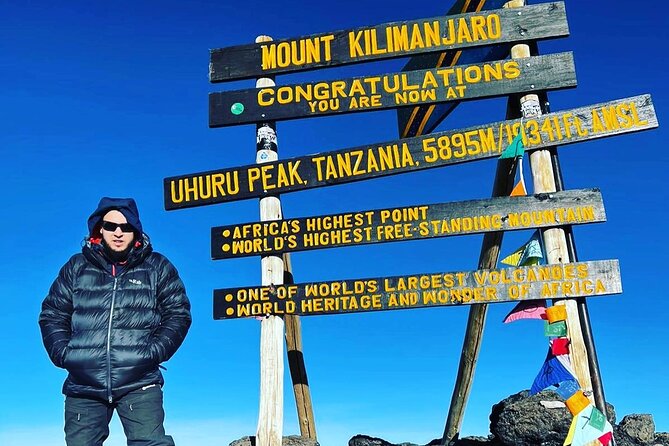
After breakfast, you climb the Barranco Wall. It looks more intimidating than it is from below, but this remains a steep section with uneven footing. Guides help set the pace and point out the best route through the rock.
The trail then passes beneath the Heim and Kersten glaciers before descending toward the Karanga Valley. Kibo’s glaciers rise above you, while Mawenzi’s jagged peaks appear to the east. This is one of the most varied days for mountain views.
Karanga is an important stopping point because the summit attempt is close. The afternoon is largely set aside for rest, with a short acclimatization walk recommended for anyone who still has energy. I like this rhythm. You have enough movement to keep adjusting to the altitude, but you are not asked to spend the entire day walking.
Use the afternoon wisely. A nap, warm food, dry socks, and an early night are more valuable than pushing yourself for extra photographs. The mountain will still be there in the morning.
Day five: Barafu Camp and the wait for midnight
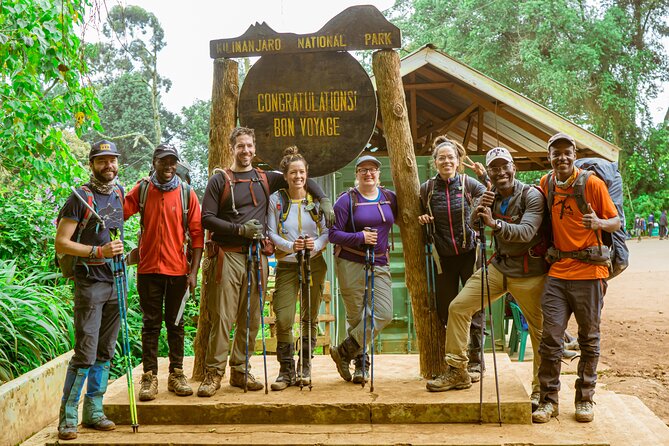
The walk to Barafu Camp covers about 4 kilometers and takes around four hours. You climb through alpine desert toward 4,640 meters, with views of both Kibo and Mawenzi.
Barafu means ice in Swahili, and the camp is a stark, high-altitude base for the summit attempt. Once you arrive, lunch is provided and the afternoon is meant for quiet rest. Dinner comes early, then you return to your tent for a few hours of sleep before the midnight wake-up.
This is not a glamorous camping night. You are high, tired, and thinking about the longest day ahead. The included sleeping bag and sleeping pad are important here, as are warm layers and a headlamp, though the supplied information does not specify whether a headlamp is included. Bring your own unless Nafika confirms otherwise.
The short walking time can look easy on paper. It is not. The real job of day five is to arrive at Barafu with enough energy for the summit push.
Day six: Stella Point, Uhuru Peak, and Millennium Camp
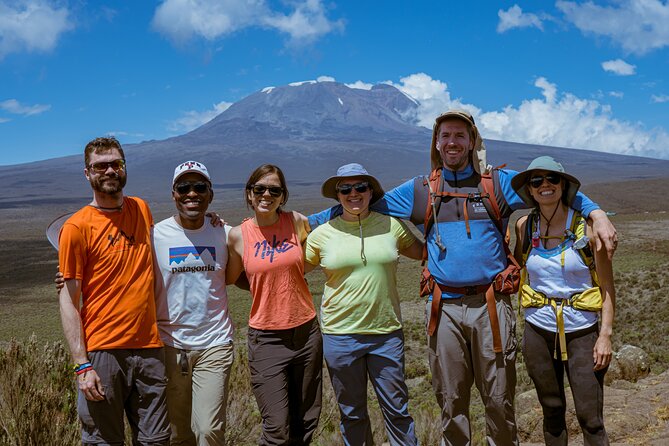
Summit day begins around midnight with light tea and breakfast. You then start a four to five-hour climb toward the crater rim, gaining a great deal of height over a short distance.
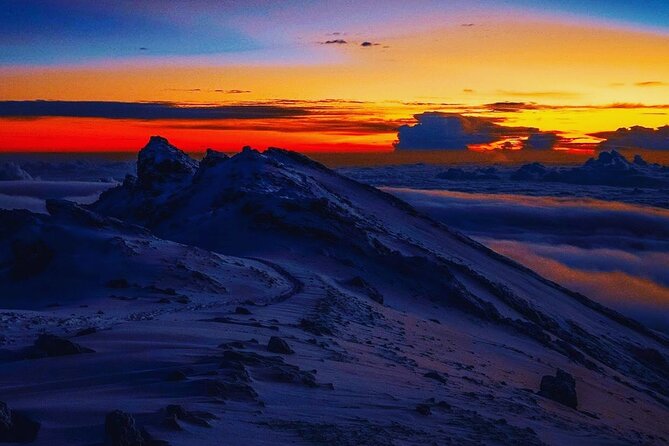
The goal is Stella Point at 5,756 meters, reached around sunrise if the pace and conditions cooperate. From there, it is about one more hour to Uhuru Peak at 5,895 meters, the highest point in Africa.
The final approach is slow and demanding. Cold, darkness, steep ground, and altitude all add up. This is where guide support matters most. The supplied safety equipment includes emergency oxygen, a first-aid kit, and a pulse oximeter, which are reassuring features, though no equipment can remove the risk of altitude sickness.
At Uhuru Peak, you have time for photographs and a short celebration before beginning the descent. The day is not finished after reaching the summit. You descend to Barafu Camp for lunch and rest, then continue toward Millennium Camp.
The full day is listed at about 12 hours. That figure tells you more than the summit altitude does. You need solid fitness, patience, and the ability to keep moving when the excitement of reaching the top has worn off.
Day seven: the forest descent to Mweka Gate
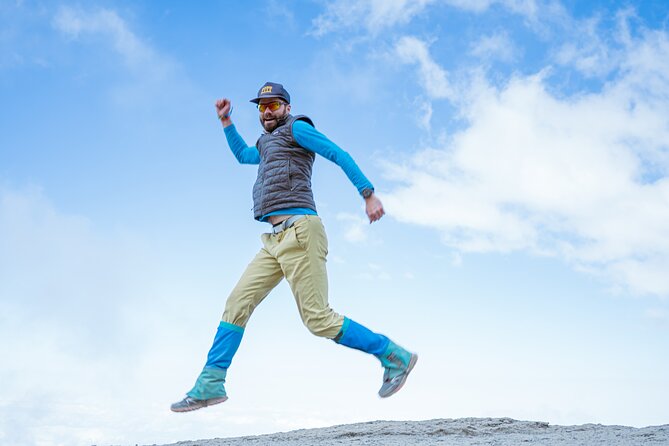
The final descent takes about five hours and covers roughly 14 kilometers through montane forest. You leave the high, dry world behind and return to thicker vegetation as you approach Mweka Gate.
At the gate, you collect your certificates and meet the vehicle back to your hotel. The package includes breakfast and lunch on this final day, as well as transport back to Moshi.
This last walk may feel easy compared with summit day, but tired knees can make downhill hiking uncomfortable. Trekking poles are worth considering, although they are not listed among the included equipment. A cold drink and a proper shower at the hotel will feel well earned.
What the support package really gives you
The package is strongest when you look at the small systems working together. Private transport reduces the need to arrange transfers around the climb. Two Moshi hotel nights give you a place to recover before and after the mountain. Camping furniture, sleeping equipment, meals, and treated water remove a long list of planning tasks.
Guides and porters are included, along with what the operator describes as fair wages. This is an important point to discuss directly before the trip. Ask how many guides and porters will accompany your group, how porter loads are managed, and what tipping practice is expected at the end.
Food also matters more than many first-time climbers expect. Six dinners, seven breakfasts, and seven lunches are included, though the supplied information does not list menus or dietary arrangements. Tell Nafika about allergies or dietary needs before arrival and ask for a clear answer about what can be provided.
The safety equipment is a positive feature. Emergency oxygen, a first-aid kit, and a pulse oximeter show that altitude monitoring is part of the operation. You should still understand the signs of altitude sickness and follow the guide’s instructions if you feel unwell.
Organization and the human side of the climb
The most consistent strength attached to Nafika is organization from arrival through departure. Elias is repeatedly identified as the person handling planning and communication. Named guides associated with the climbs include Eli, Benson, Frank, and Sebastian.
That matters because a seven-day Kilimanjaro trip has many moving parts. Airport or hotel transfers, park formalities, camp setup, meals, water, porter coordination, and summit timing all need to work together. The strongest comments focus on feeling looked after, clear communication, guide encouragement, and well-managed logistics.
The exact staff roster can change, so do not assume a particular guide will lead your group. Ask who will be assigned and how many people will be in the private party. The advertised product is private, but some supplied trip accounts describe solo climbers joining a small group, so this is one point worth confirming in writing.
Who should book this climb?
This route suits you if scenery matters as much as reaching the summit. You get forest, open moorland, volcanic rock, high desert, glacier views, and a long descent through montane forest.
It also suits a reasonably fit first-time mountaineer who wants a fully supported climb. You do not need technical climbing experience based on the information provided, but you do need a moderate fitness level and the ability to walk for many hours on consecutive days.
I would hesitate to recommend it if you want a relaxed holiday with plenty of free time. The 16.5-kilometer second day and 12-hour summit day are serious efforts. Anyone with medical concerns, altitude concerns, or limited hiking experience should speak with a medical professional before booking.
The route is especially good for a private group of friends, couples, or family members who want the trip arranged around their own pace and company. The honeymoon account in the supplied material also points to the emotional side of the experience, though the physical challenge should not be understated.
Booking details worth checking
Pickup is offered, and the package lists private transportation. The meeting information refers to Kilimanjaro Airport and early morning operating hours, from midnight to 5:30 a.m., so confirm exactly when and where your pickup will take place.
A visa is not included and is listed at $50. The listed cancellation terms allow a full refund if you cancel at least 24 hours before the start time. Poor weather may lead to a different date or a full refund.
The experience is mobile-ticketed, and confirmation is provided at booking. Before you pay, I would ask for the full day four and day six schedule, since the supplied descriptions are cut off in places, and confirm the hotel nights, group size, equipment sizes, dietary needs, and tipping guidance.
Should you book the Nafika Lemosho climb?
I would book this seven-day Lemosho route if you want Kilimanjaro’s most varied scenery and prefer a package that handles the hard logistics. The price is substantial, but the included hotels, transport, camping gear, meals, water, porters, and safety equipment make it easier to judge as an expedition package rather than a simple guided hike.
I would choose a longer itinerary if your main concern is acclimatization or if you want shorter daily walks. If seven days is your limit, Lemosho is a sensible choice, provided you train for long days and accept that summit day will be very demanding.
Before booking, get the private-group details and complete day-by-day plan in writing. If those answers are clear, this is a strong fit for a prepared hiker who wants a scenic, well-supported route to Uhuru Peak.
FAQ
How long is the Kilimanjaro Lemosho hike?
The experience lasts approximately seven days, including the climb, summit attempt, descent, and return to Moshi.
How much does the private Lemosho climb cost?
The listed price is $2,450 per person.
What is included in the price?
The package includes private transportation, park fees and taxes, camping equipment, tents, sleeping pads, sleeping bags, chairs, tables, guides, porters, treated water, emergency oxygen, a first-aid kit, a pulse oximeter, two Moshi hotel nights, and meals as specified.
Are meals included during the climb?
Yes. The package includes seven breakfasts, seven lunches, and six dinners. The final day includes breakfast and lunch.
What fitness level do I need?
The activity states that you should have a moderate physical fitness level. The schedule includes a 16.5-kilometer day, several hours of uphill walking, and a summit day lasting about 12 hours.
Is the tour private?
Yes. The advertised experience is a private activity intended for your group only. Confirm the exact group size and guide roster before booking.
Is a visa included?
No. The listed visa cost is $50 and is not included in the tour price.
More Hiking & Trekking in Moshi
- Best Kilimanjaro hiking day trip tour with Kilinge Adventures
★ 4.5 · 54 reviews - #1. Best Kilimanjaro Day hike Tour-Machame Route-ISMANI
★ 4.2 · 47 reviews - Best Kilimanjaro Adventure 7 days Machame route Trekking
★ 5.0 · 42 reviews - Kilimanjaro 7 Day Private Trekking Experience
★ 5.0 · 40 reviews
Just added in Moshi
- Kilimanjaro Airport Private Transfer from/to Moshi★ 5.0 · 14 reviews
- 6 Days Machame route Kilimanjaro climbing★ 5.0 · 22 reviews
- 7 Days Highlight of Tanzania Mid-Range Standard★ 5.0 · 22 reviews
- 4 Day Mid-range Serengeti Safari★ 5.0 · 22 reviews
- Kilimanjaro Climbing 5 days Marangu route★ 5.0 · 22 reviews
- Mt Kilimanjaro Climb – 7 days Machame★ 5.0 · 26 reviews
- 6 Days: Classic Camping( Tarangire, Manyara, Serengeti And Ngorongoro).★ 5.0 · 26 reviews
- 10-Day Predators Tanzania Safari Luxury Package★ 5.0 · 24 reviews
Kilimanjaro Treks, compared.
8-Day Small-group Lemosho Kilimanjaro Summit Trekking
Read our review →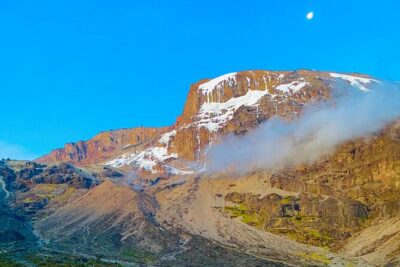
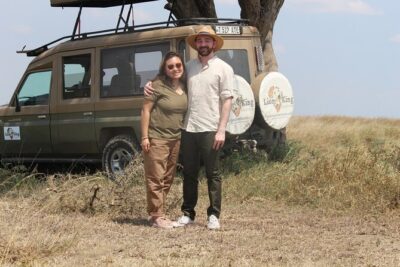
5 Days Best of Tanzania Luxury Safari Northern Circuit
Read our review →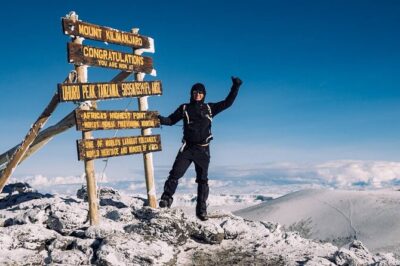
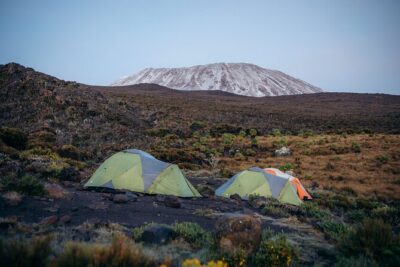
Climbing Kilimanjaro through 7 days Machame Route
Read our review →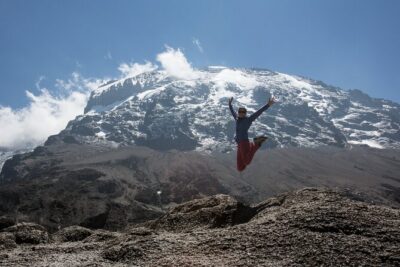
7-Day Machame Kilimanjaro Summit Tour from Arusha
Read our review →Browse the lists this tour appears in