
Reviewed · MARKET & STREET FOOD TOURS
Private Market Tour and Tanzanian Cooking Class in Moshi
The best part of this Moshi experience is its change of pace: you begin by shopping for food with William, then carry those ingredients into a family kitchen and cook over a wood fire. Shida’s home cooking gives you a closer look at daily life than a standard restaurant meal ever could.
I like the private format, which keeps the market walk and cooking lesson personal. I also like the hands-on details, especially grating coconut on a buzi, a small wooden seat fitted with a grinder. The main consideration is that this is a simple home visit, not a polished cooking studio, and the market can feel unfamiliar if you prefer tightly planned sightseeing.
Key points
- William leads the market visit: You’ll see local produce, meet vendors, and sample items such as fruit and dried sardines.
- Coconut is prepared the traditional way: You grate the meat by hand on a wooden buzi before turning it into coconut milk.
- Ugali is the central lesson: This cornmeal staple looks simple, but stirring it over a wood fire takes effort and practice.
- You eat with the family: The meal is served outside on benches, with vegetables, peanut brittle, and homemade alcohol.
- The private setting matters: Only your own group takes part, making it easier to ask questions and set the pace.
- Hotel pickup adds ease: Transport is offered in Moshi, with the market and home visit lasting about five and a half hours in all.
Start with Moshi’s market and a local shopping list
William picks you up at your Moshi hotel and takes you to a local market. This first stop is more than a quick ingredient run. It gives you a useful introduction to the foods that later appear in the cooking class.
You can expect to look at fruits, vegetables, herbs, and other everyday ingredients while William explains how they are used in Tanzanian cooking. He also knows the vendors and can help you understand what you are seeing. In the market, the food is not presented as a display for outsiders. It is part of the daily shopping routine, and that makes the stop feel grounded.
The market is also the point where you begin to understand the value of the class. Instead of showing up at a house with ingredients already measured, you see where the meal starts. You can ask about unfamiliar produce, compare ingredients, and watch William choose what will be used later.
Some of the most memorable tastes may be the small samples along the way. The experience can include trying local fruit and dried sardines. If you are cautious about unfamiliar food, you can take small bites and ask questions first. That is part of the fun, but you should expect a real local market rather than a tidy food hall.
The market may also test your comfort level. One participant described being unsure about cleanliness at first, then found the experience worthwhile. That is useful advice: keep an open mind, but use ordinary food-safety judgment. Eat only what you are comfortable trying, and tell your guide if you have allergies or dietary limits before the tour begins.
Other classes where you cook in Moshi:
- Zanzibar: Spice Farm Tour with Traditional Cooking Lesson
★ 4.8 · 77 reviews - Zanzibar Cooking Class & Spice Tour
★ 4.5 · 77 reviews - Half-Day Kuza Cave Swimming Adventure and Cooking Class
★ 4.5 · 44 reviews
Walk or take a tuk-tuk to Shida’s home
After shopping, you continue to Shida’s home, about 20 minutes away. The transfer may be on foot or by tuk-tuk, depending on the arrangements for the day.
This short trip helps connect the market to the household. You are not simply driven from one tourist stop to another. You see that the ingredients bought in the market have a destination, and the cooking lesson takes place in the setting where this kind of meal is actually prepared.
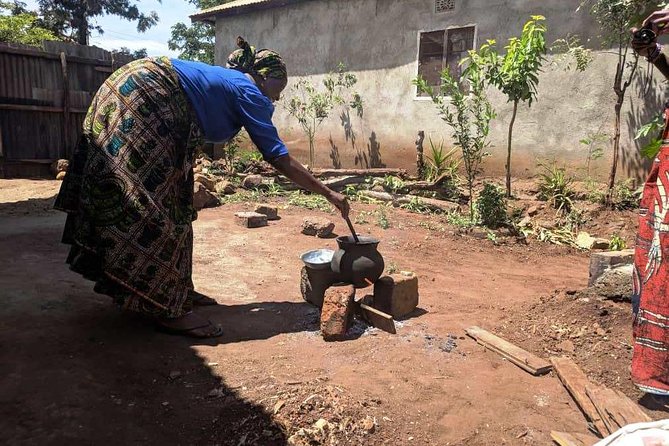
The home is described as a mud house, with cooking done over a wood fire. That setting is central to the experience. It also means you should set your expectations correctly. This is a family home and a working kitchen, not a commercial cooking school with sleek counters, printed recipe cards, or restaurant equipment.
For me, that trade-off is the point. You get a closer look at how food is made with basic tools, but you may have less physical comfort and less control over the pace than in a purpose-built class. The walk or tuk-tuk ride is short, yet it is worth allowing extra patience for the transition.
Learn the work behind fresh coconut milk
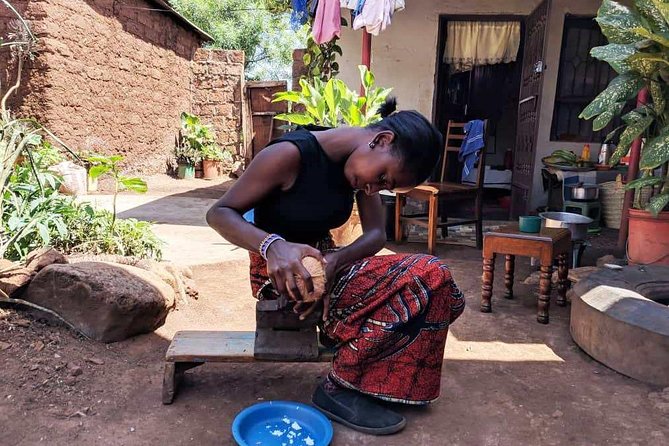
The cooking lesson lasts about one hour and begins with coconut. Shida shows you how to make fresh coconut milk using a buzi, a small wooden seat with a grinder used to shave the coconut meat.
This is one of the most distinctive parts of the outing. Coconut milk often arrives in a can or carton in a modern kitchen, so it is easy to miss the work behind it. Here, you see the process from whole coconut to cooking ingredient.
You will need to take your time. Grating coconut is a physical task, and it may be harder than it looks. That is useful rather than frustrating, because it shows how much handwork goes into an ordinary family meal.
The coconut milk becomes a base for vegetable and stew dishes. You are not only watching a demonstration. The aim is to take part, then use what you have prepared in the meal. If you enjoy cooking, this step will likely be more satisfying than simply stirring a finished sauce.
The lesson also gives you a chance to ask about household cooking methods. Shida is sharing a family favorite, so the value lies in the exchange as much as in the final recipe. You may not leave with a formal cookbook, but you will understand the method and the role of coconut in the meal.
Make ugali over a wood fire
The main staple is ugali, a cornmeal dish served with sautéed vegetables. The ingredients are simple, but making the dish takes steady stirring and effort.
Ugali is a good reminder that a basic meal is not always a quick meal. You will work with the cornmeal over a wood fire, helping bring it to the right texture. Shida takes pride in preparing this family favorite, and the lesson is as much about technique as ingredients.
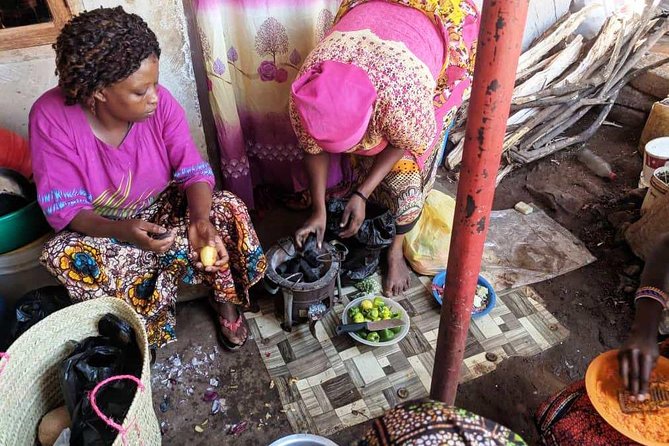
The wood fire changes the feel of the class. Cooking outdoors with heat that is less controlled than a kitchen stove requires attention. You may need to stand close, stir firmly, and follow Shida’s instructions. That hands-on work makes the dish easier to remember than a recipe explained on paper.
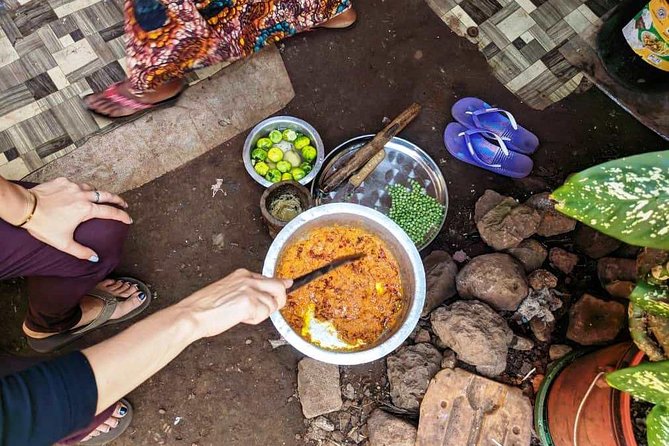
The vegetables served with ugali give the meal balance and show how the staple is eaten. You should not expect a long menu with several separate courses. This is a focused lesson built around a few important elements: coconut, vegetables, and cornmeal.
If you want a class centered on complex sauces, many dishes, or advanced knife skills, this may feel modest. If you want to understand an everyday staple and take part in the work, it is a better fit. The lesson gives you context for Tanzanian food instead of treating it as a novelty on a plate.
More eating your way around Moshi:
- Moshi: Town tour and Local Markets tour
★ 4.9 · 36 reviews - Full-Day Moshi Private Forest Walk and Local Market Tour
★ 5.0 · 4 reviews - Stonetown: Food Markets and Street Food Walking Tour
★ 4.7 · 151 reviews - Authentic Street Food Tours in Stone Town, Zanzibar
★ 5.0 · 46 reviews
Eat outside with Shida’s family
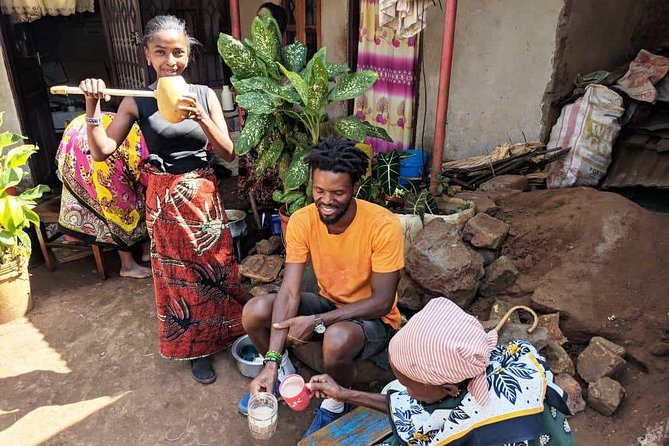
Once the cooking is finished, you join the family outside and eat on benches near the house. This shared meal is the natural finish to the class. You have seen the ingredients at the market, helped prepare them, and now sit down to eat them in a family setting.
The meal includes ugali with sautéed vegetables and coconut-based dishes. It may also include peanut brittle and homemade alcohol. Those extras add a personal touch, though you should feel free to limit or skip the alcohol if you do not drink.
Eating on benches outside is simple and informal. You will not get the privacy or service of a restaurant, but you also avoid the distance that can come with a staged demonstration. The family meal gives you time to talk, ask questions, and see how the food fits into home life.
This is where the private format earns its keep. With only your own group taking part, you can ask about ingredients, cooking methods, family routines, or anything you noticed at the market. A large group would make that conversation harder.
The hosts are Shida, Marissa, and William. William leads the market portion, and Marissa is William’s wife. The family connection is important because the cooking lesson feels tied to a household rather than separated from it.
What the five-and-a-half-hour schedule means
The full experience lasts about five hours and 30 minutes. That gives you enough time for hotel pickup, the market, the transfer to the home, the one-hour cooking class, and the shared meal.
This is a substantial half-day outing, so you should avoid placing another tightly timed activity directly afterward. The market may invite conversation and sampling, and the home visit works best when you are not watching the clock.
Pickup and drop-off at your Moshi hotel make the day easier, especially if you are still getting your bearings in town. The experience also offers a mobile ticket, and confirmation is provided when you book.
The transfer to the home may involve walking or a tuk-tuk ride. Since the exact transport can vary, wear comfortable clothes and shoes suited to a casual outing. You should also be prepared for cooking near a wood fire and sitting outdoors during the meal.
Is the $86 price good value?
At $86 per person, this is not the cheapest way to eat in Moshi. You could certainly buy a meal for less. The price makes more sense when you consider that you are paying for a private market visit, a guide, transport from your hotel, a cooking lesson, ingredients, and time with a local family.
The private format is the biggest value point. You are not sharing the class with a large group, so William and Shida can focus on your questions and your level of interest. For couples, families, or small groups who want a personal activity, that can justify the cost.
The experience is less compelling if your main goal is simply to have lunch. The food itself is only one part of the outing. The market explanations, coconut preparation, wood-fire cooking, and family meal are what make the price reasonable.
Group discounts may be available, which could improve the value for a larger party. Since the activity is booked about 16 days ahead on average, I would not leave it until the last minute if your schedule in Moshi is tight.
Who will enjoy this Moshi cooking class?
I would recommend it most strongly to you if you want contact with local daily life and prefer participating to watching. It suits curious eaters, home cooks, couples, families, and anyone with a half-day free before or after a Mount Kilimanjaro trip.
It is also a good choice if you want an activity that does not depend on climbing ability. The focus is food, conversation, and household life, not physical exertion.
You may want to choose another activity if you need strict dietary control, dislike outdoor cooking, or expect restaurant-level comfort. The ingredients and setting are local, and the meal may not match every dietary requirement. Share important food concerns when booking so the hosts can understand your needs.
I also would not choose this solely for a polished cooking certificate or a large collection of recipes. The lesson is focused and practical. Its strength is the setting and the people, not a formal culinary curriculum.
Booking details and cancellation
This is a private activity, so only your group participates. Hotel pickup and drop-off are offered in Moshi, and a mobile ticket is available.
You can cancel for a full refund if you do so at least 24 hours before the scheduled start time. Changes or cancellations made less than 24 hours before the start are not accepted for a refund, and the cut-off follows local time.
Should you book it?
Book this experience if you want to understand Tanzanian food through the people who prepare it. The market with William, coconut grating on a buzi, ugali cooked over a wood fire, and lunch with Shida’s family create a clear story from ingredient to table.
Skip it if you want a quick meal, a formal kitchen, or a highly polished tourist production. For everyone else, the $86 cost is fair for a private five-and-a-half-hour visit that combines food, transport, conversation, and a real Moshi household setting.
FAQ
Where does the experience take place?
The experience takes place in Moshi, Tanzania. It begins at a local market and continues at Shida’s home, about 20 minutes away.
How long does the tour last?
The experience lasts approximately five hours and 30 minutes.
Is hotel pickup available?
Yes. Pickup and drop-off are offered at your Moshi hotel.
Is this a private activity?
Yes. Only your own group takes part in the activity.
Who leads the experience?
William leads the market visit. The home cooking experience is hosted by Shida, with Marissa and William also connected to the family.
What food will I prepare?
You will help make fresh coconut milk, vegetable and stew dishes, and ugali, a cornmeal staple served with sautéed vegetables.
How is the coconut prepared?
You grate coconut meat by hand using a buzi, a small wooden seat with a grinder. The grated coconut is used to make fresh coconut milk.
What is the cancellation policy?
You can cancel at least 24 hours before the start time for a full refund. Cancellations or changes made less than 24 hours before the experience are not accepted for a refund.
Just added in Moshi
- Wildlife Extravaganza: Manyara, Tarangire & Ngorongoro in 3 Days★ 5.0 · 3 reviews
- West Kilimanjaro cycling Adventures★ 4.5 · 8 reviews
- machame route★ 5.0 · 16 reviews
- Kilimanjaro Climb • Machame Route ~ 10 Day★ 5.0 · 6 reviews
- Kilimanjaro Climbing Umbwe Route★ 5.0 · 3 reviews
- Mt Kilimanjaro 6 days Marangu route hike★ 5.0 · 3 reviews
- 3 Days Private E-Bike Tour in West Kilimanjaro★ 5.0 · 3 reviews
- Private Cycle to Kilimanjaro Bike Park Safari★ 5.0 · 6 reviews
Market & Street Food Tours, compared.
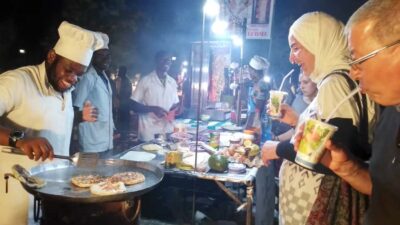

Authentic Street Food Tours in Stone Town, Zanzibar
Read our review →
Stone Town Guided Tour: Culture, Slave Market & Spice Market
Read our review →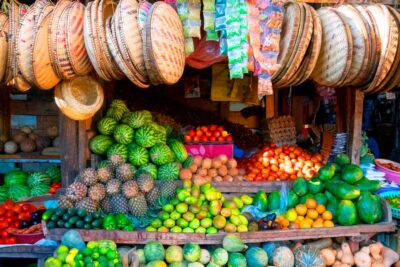

Traditional Tanzania Cooking Class & Food Market Tour
Read our review →
Stone Town Evening Walk Tour With Visit Food Markets
Read our review →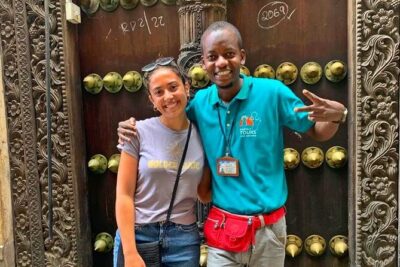
Stone Town Private Tour with Slave Market Tickets
Read our review →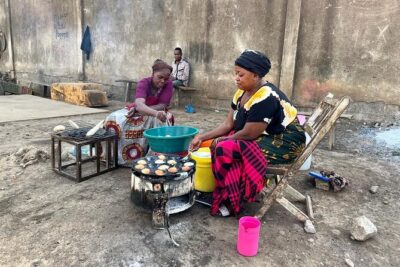
Browse the lists this tour appears in