
Reviewed · CAMPING & LODGE SAFARIS
4 days adventure camping safari
The best part of this four-day camping safari is the range packed into a short trip. You move from Tarangire’s elephant country to the Serengeti’s predator-rich plains, then down into Ngorongoro Crater, with sunrise and sunset game drives shaping the day.
I like two things right away: the price includes the tent, meals, water, park fees, and a 4×4 with a pop-up roof, and the route covers three of Tanzania’s great wildlife areas. The main consideration is comfort. This is a proper rough-it safari, with long hours on rough roads and mobile camping rather than lodge rooms.
Key points at a glance
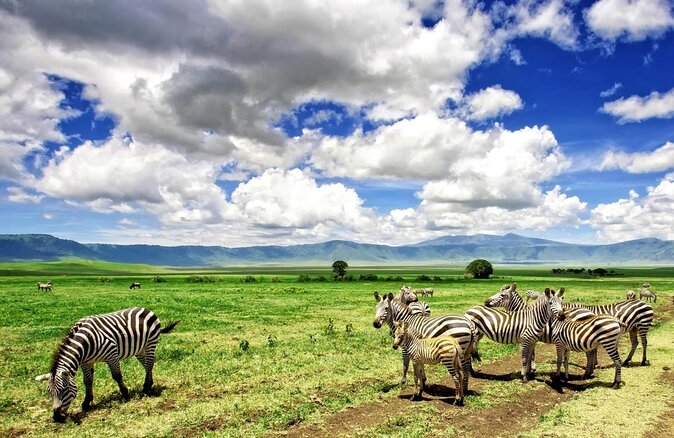
- Three major parks in four days: Tarangire, Serengeti, and Ngorongoro each offer different scenery and animal sightings.
- Big Five possibilities: Lions, leopards, cheetahs, elephants, buffaloes, and rhinos may all appear, though no safari can promise a particular animal.
- Camping equipment is supplied: You bring yourself, while tents, meals, bottled water, and basic safari support are included.
- Long game-drive days: Tarangire takes about nine hours, and the Serengeti days can run close to twelve hours.
- Strong guide element: Simon, Chadi, Chedy, Jeff, and other guides are praised for animal knowledge, humor, safe driving, and local insight.
- Good value for an active visitor: At $1,650 per person, the package covers major costs, but tipping and the optional Maasai village visit are extra.
Three parks, one hard-working itinerary
This safari is built for people who want to see a lot rather than spend a lot of time relaxing at camp. In four days, you cover three famous parts of northern Tanzania, with the trip beginning and ending around the Moshi or Arusha area.
That pace is the appeal. Tarangire gives you a first full day among elephants and open woodland. The Serengeti gets the biggest share of attention, with an afternoon arrival, an evening drive, and an early morning outing the next day. Ngorongoro then provides a final wildlife-heavy day on the crater floor.
The trade-off is time in the vehicle. You should expect early breakfasts, long drives, dusty roads, and changing camp locations. I would choose this itinerary for a first safari or a tight schedule, not for someone who wants a slow holiday with late mornings and private lodge time.
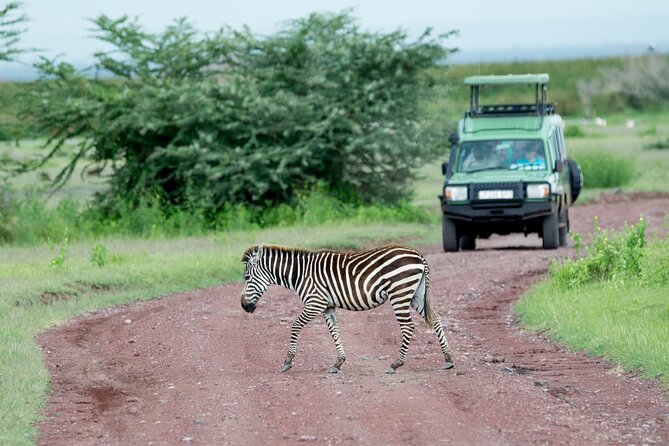
The safari vehicle is a 4×4 with a pop-up roof, cooler fridge, and charging ports. Those details matter. A raised roof gives you a better viewing angle and lets you watch animals without a window frame in the way. The cooler helps on hot days, while charging ports are useful when cameras and phones work hard.
Other ways to sleep out on safari from Moshi:
- 5 Days Camping Tarangire, Serengeti & Ngorongoro crater & Visiting Maasai
★ 5.0 · 58 reviews - 4 Days Group Joining Camping Safari to Tarangire Serengeti Ngorongoro Crater
★ 5.0 · 50 reviews - Tanzania Luxury Safari
★ 5.0 · 48 reviews
Tarangire: elephants and a full first day
Day one is devoted to Tarangire National Park, with roughly nine hours of game driving. This is a full day, not a quick stop on the way to somewhere else, so you have time to search for both predators and grazing animals.
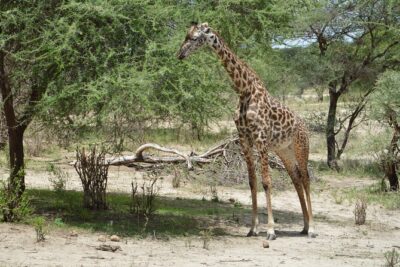
The animal list here is broad. You might see lions, cheetahs, and leopards, along with elephants, wildebeest, buffaloes, zebras, and gazelles. Sightings are never guaranteed, but Tarangire gives you a strong start because different habitats bring different animals into view.
I especially like the way this opening day works. You begin with a major park before the longest transfer to the Serengeti, and you get time to settle into the rhythm of a game drive. Your guide’s skill matters here. A good guide watches animal behavior, reads the road, and knows when to pause instead of rushing from one sighting to the next.
Nine hours in a safari vehicle can feel long. Bring patience, sun protection, and a willingness to spend quiet stretches looking at nothing before something exciting appears. The supplied bottled water and cooler are practical comforts, but this is still an outdoor day with limited personal space.
Ngorongoro viewpoint and a Maasai visit
The second day includes a short stop at the Ngorongoro viewpoint before the route continues toward the Serengeti. The lookout gives you a broad view into the world’s largest caldera, and the sight is worth a few quiet minutes.
The viewpoint is not the crater experience itself. It is an elevated look across the enormous volcanic bowl, while the proper wildlife visit comes on day four when the vehicle descends to the crater floor. Keeping those two moments separate is useful: day two offers scale and scenery, while day four offers close animal searching.
A Maasai village visit is also offered as an optional stop. The listed entrance fee is $20, and it is not included in the safari price. This gives you a chance to learn about Maasai culture and traditions, including the role of warriors and older hunting practices.
I would treat this as an optional cultural visit, not a required part of the safari. If you want the extra cultural context, ask before the trip how long the stop will take and what the fee covers. That matters on a schedule already filled with long drives.
Serengeti: the trip’s main event
The Serengeti receives the most game-drive time, and that is sensible. After reaching the park in the afternoon, you head into the Seronera area, the central part of the Serengeti, for an afternoon and evening drive.
This is the point when the safari feels most dramatic. The open plains make it easier to scan for movement, while the late light can put animals against striking skies. You may see predators resting, hunting, or feeding, as well as the herbivores that support them.
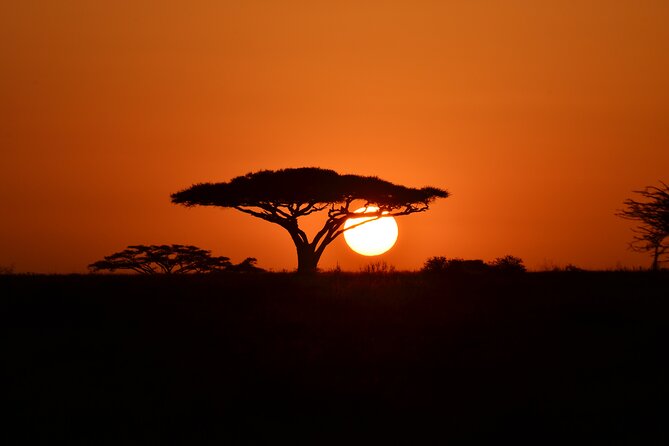
The plan includes staying out until late evening and watching the sunset from inside the park. That is one of the strongest features of the schedule, but it also creates a long day. You may spend up to twelve hours on the road, with the reward being a chance to see animal activity at a cooler and more active time of day.
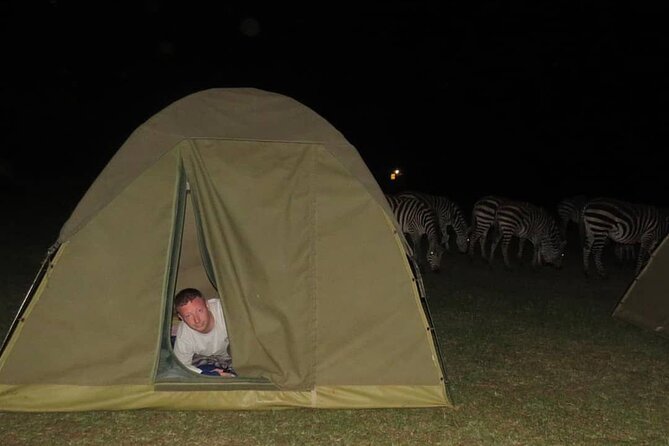
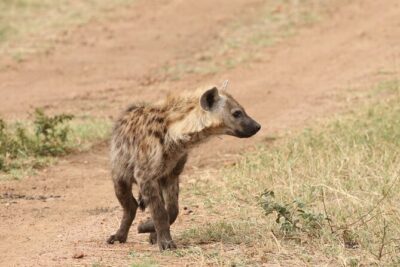
The campsite is in the Seronera area. Animals can sometimes be seen near camp, including hyenas. Active rangers provide protection, but you still need to follow camp rules and listen carefully to your guide. This is a wild setting, not a fenced hotel garden.
On day three, you leave camp after an early breakfast for another game drive. Early morning is a good time to search for animals before the heat builds, and the route then continues through the Serengeti before heading out toward Simba campsite.
This second Serengeti day helps justify the camping format. You are not simply passing through the park for a few hours. You get an evening in the center, an early morning start, and additional driving while exiting. The drawback is another very long day, listed at about twelve hours.
Other park itineraries that start in Moshi:
- Safari Serengeti And Ngorongoro
★ 5.0 · 288 reviews - Big Five Safari In Tanzania
★ 5.0 · 99 reviews - Unforgettable Tanzania Safari And Zanzibar Beach
★ 5.0 · 97 reviews - 8-Day Essence of Tanzania Safari – Luxury
★ 5.0 · 72 reviews
Ngorongoro Crater: the final wildlife search
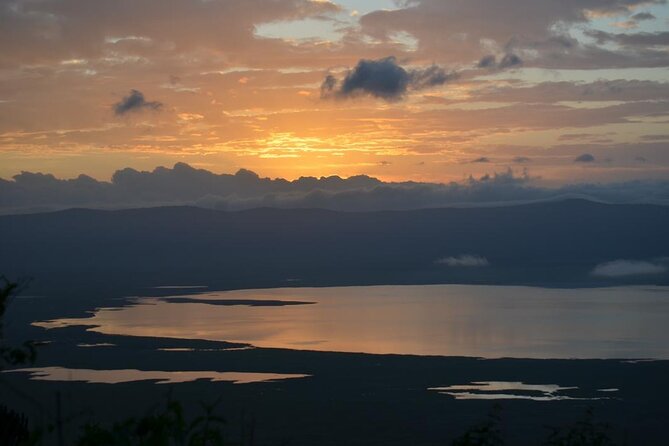
Day four begins with an early breakfast and a descent into Ngorongoro Crater. The goal is to search for black rhinos, which are among the more difficult animals to spot in the crater.
The crater floor is well suited to wildlife viewing because its enclosed setting concentrates many animals in one broad area. Lions, buffaloes, zebras, gazelles, and other species may be easier to find here than in a wide open park where animals can disappear over a large distance.
Rhino sightings require luck and patience. Your guide will search the open areas, but you should not expect a guaranteed appearance. That uncertainty is part of the appeal, especially after the more frequent sightings of common herbivores.
After lunch, you continue the game drive before ascending to camp, packing up, and beginning the return toward Arusha. The listed driving time is about seven hours, so the final day is not a gentle finish. You will still be active right through the end of the safari.
Camping comfort: useful, simple, and outdoors
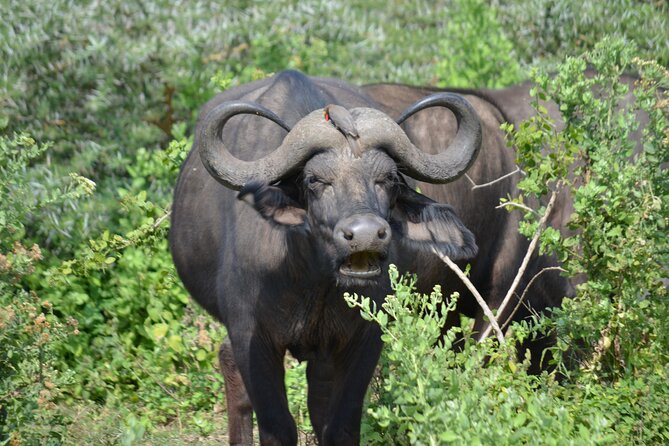
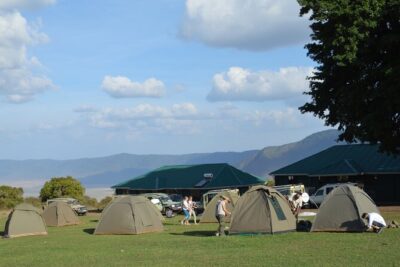
All camping equipment is supplied, which keeps this trip practical for someone arriving in Tanzania without outdoor gear. Meals are included: three dinners, four lunches, and three breakfasts. Bottled water is also provided throughout the trip.
The meal plan is a real part of the value. You do not need to arrange food between parks, and the camping cook becomes an important member of the team. Action and Geoffrey are among the cooks praised for preparing enjoyable meals, while the wider crew is often described as friendly and helpful.
Still, do not confuse supplied camping gear with lodge comfort. The experience is designed for people who are comfortable with basic outdoor living. You should be ready for changing camps, early starts, dust, wildlife nearby, and limited privacy compared with a hotel.
The campsite setting can also be a highlight. At night, you are close to the sounds of the park, and during the day, animals may be seen around camp. That closeness is memorable, but it calls for good habits: stay with the instructions from the crew, do not wander, and treat the campsite as part of the wild environment.
The guide can shape the whole safari
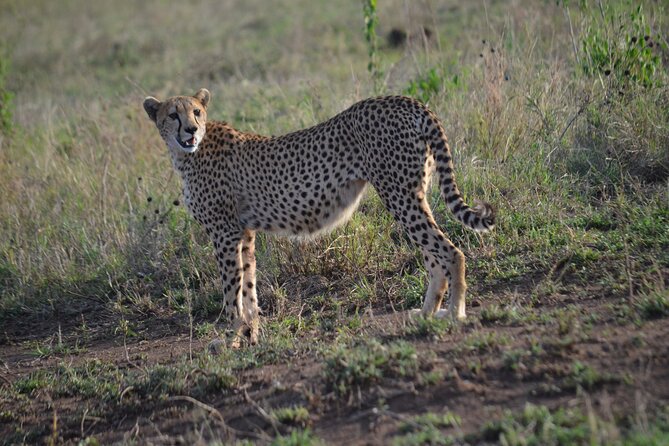
The route is impressive, but the guide controls much of the experience. You spend many hours beside this person, so driving, timing, animal knowledge, and communication all matter.
Simon is praised for being a strong driver, a good teacher, and a funny companion. Chadi, also referred to as Chedy, is described as kind, amusing, and willing to explain animals without rushing the group. Jeff is praised for adding local insight and helping create a sense of being far out in the bush.
Those names may not be the guide assigned to your departure, so confirm the details before booking if a particular guide matters to you. The important point is that the operator has a team of guides with different strengths, including wildlife explanation, local culture, safe driving, and a relaxed manner.
Timing is one area to clarify. The schedule is ambitious, and one account notes that agreed timing was not always followed perfectly. That does not cancel out the safari’s strengths, but you should ask how early the vehicle leaves, how long lunch stops last, and when you can expect to return to camp.
Is $1,650 a fair price?
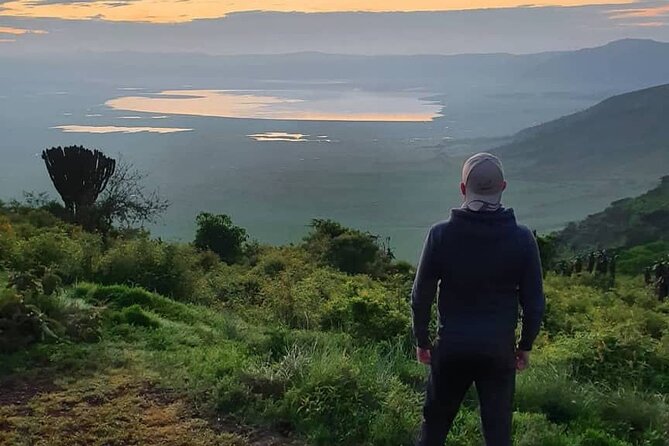
At $1,650 per person, this is not the cheapest possible safari. It is also not a bare-bones vehicle-only arrangement. The package includes camping equipment, park fees and taxes, a professional guide, a 4×4 vehicle, bottled water, and nine included meals.
That makes the price easier to judge. You are paying for access to three major parks, a dedicated vehicle setup, food, camping support, and the work of moving through a large area in a short time. If you were forced to arrange each element separately, the final cost and planning load could rise quickly.
The value is strongest for an active visitor who wants the main Northern Circuit highlights and does not need a lodge bed every night. It is less compelling if your top priority is a soft bed, a private bathroom, or a slow pace.
Tipping is not included. Set aside money for that separately, since your guide, driver, and cook are central to the experience. The optional Maasai village entrance fee is also extra at $20.
Who should book this safari?
I would choose this trip if you want:
- A first look at Tanzania’s Northern Circuit
- Strong chances to see elephants, lions, buffaloes, zebras, and other wildlife
- A real camping experience rather than lodge-based accommodation
- A short route with three major parks
- Meals, water, equipment, and park fees bundled into one price
- A guide-led trip with local staff and a 4×4 viewing vehicle
I would look for a slower or more comfortable option if you dislike early starts, long drives, rough roads, or basic campsites. Four days is enough to see a great deal, but it leaves little spare time when roads, wildlife sightings, or camp arrangements run late.
The booking information describes this as a private activity for your group, while some arrangements have also involved joined groups. If the distinction affects your decision, ask for written confirmation before paying. Pickup is offered, and airport transfers have also been arranged for some visitors, but confirm exactly what is included for your departure.
Cancellation is flexible if your plans are uncertain: you can receive a full refund when you cancel at least 24 hours before the start time. Late cancellations and changes are not accepted, and a minimum number of participants may apply.
Final verdict: an active safari with strong coverage
I would book this four-day camping safari if my goal were to see the major parks quickly and keep the trip grounded in outdoor adventure. Tarangire, the Serengeti, and Ngorongoro offer three different wildlife settings, and the inclusion of meals, equipment, water, park fees, and a proper safari vehicle makes the $1,650 easier to justify.
The decision comes down to your tolerance for long days and simple camping. Choose it for the animals, the range of parks, the sunset and sunrise drives, and the chance to travel with guides such as Simon, Chadi, or Jeff. Skip it if comfort and unhurried timing matter more to you than getting deep into the Northern Circuit in four days.
FAQ
How long is the safari?
The safari lasts approximately four days and includes three nights of camping.
Which parks are included?
The route includes Tarangire National Park, Serengeti National Park, and Ngorongoro Crater.
Is camping equipment provided?
Yes. Camping equipment is included in the price.
Are meals included?
Yes. The package includes three dinners, four lunches, and three breakfasts.
Is bottled water included?
Yes. Bottled water is provided throughout the trip.
Is the Maasai village visit included?
No. The village visit is optional and has a separate entrance fee of $20.
Is the safari private?
The activity is described as private, meaning only your group participates. Some arrangements have also used joined groups, so confirm the group format when booking.
What is the cancellation policy?
You can cancel at least 24 hours before the start time for a full refund. Cancellations or changes made less than 24 hours before the start time are not accepted for a refund.
More camping and lodge safaris from Moshi
- 6 Days Tanzania Budget Camping Safari with Migration
★ 5.0 · 31 reviews - 5 days Tanzania Camping Safari
★ 5.0 · 29 reviews - 6 Days: Classic Camping( Tarangire, Manyara, Serengeti And Ngorongoro).
★ 5.0 · 26 reviews - 4 Days Tanzania Budget Safari
★ 5.0 · 26 reviews
More safaris from Moshi
- Great Migration Safari In Tanzania
★ 5.0 · 71 reviews - 6 Days 5 Night Safari
★ 5.0 · 57 reviews - 7-Day Magical Tanzania Safari -Premium High End Package
★ 5.0 · 53 reviews - 4-day Tanzania Safari
★ 5.0 · 53 reviews
Just added in Moshi
- Kilimanjaro Airport Private Transfer from/to Moshi★ 5.0 · 14 reviews
- Kilimanjaro Climbing 5 days Marangu route★ 5.0 · 22 reviews
- 6 Days Machame route Kilimanjaro climbing★ 5.0 · 22 reviews
- 7 Days Highlight of Tanzania Mid-Range Standard★ 5.0 · 22 reviews
- 4 Day Mid-range Serengeti Safari★ 5.0 · 22 reviews
- 4 Days Tanzania Budget Safari★ 5.0 · 26 reviews
- 7 Days Machame Route Climbing Mt. Kilimanjaro★ 5.0 · 24 reviews
- Machame Route 6 days 5 Nights/Kilimanjaro Climb★ 5.0 · 23 reviews
Camping & Lodge Safaris, compared.
3 Days Serengeti & Ngorongoro Group Camping Safari
Read our review →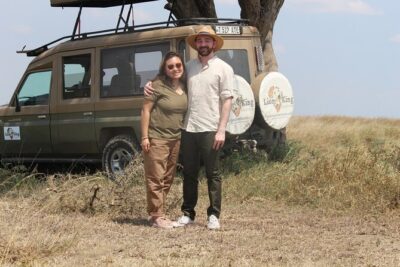
5 Days Best of Tanzania Luxury Safari Northern Circuit
Read our review →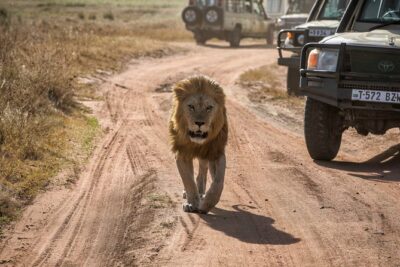
2 Days Tarangire and Ngorongoro Group Camping Safari
Read our review →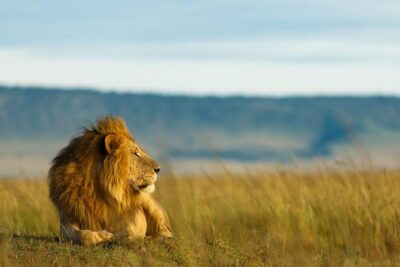
5-Day private Camping Safari Tour in Tanzania
Read our review →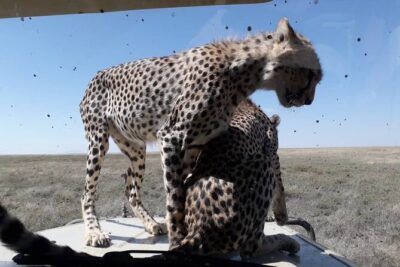
5 Days Tanzania Group Joining Safari, Tarangire/Serengeti/Ngorongoro Crater
Read our review →Browse the lists this tour appears in