
Reviewed · SPICE FARM TOURS
Zanzibar Cooking Class [Swahili food test ] and Spice farm Private tour
Zanzibar’s spices are best understood with your hands and nose, not from a souvenir packet. At Tangawizi Spice Farm, you can touch fresh vanilla, cardamom, nutmeg, cinnamon, and black pepper plants, taste tropical fruit, then use some of what you have seen in a Swahili cooking session with Mama Africa. The farm tour and cooking lesson make a natural pair.
I like the private transport and small-group format, which keeps the five-hour outing personal and practical. I also like the chance to help harvest cassava leaves, make coconut milk, and eat lunch prepared with local ingredients. If Amina is your guide, you may get the same warm, helpful service praised by past participants, though guide assignments can vary.
The main consideration is that this is not a polished restaurant cooking school. The cooking takes place in a simple local setting, and several people may expect tips in cash. Bring small amounts of Tanzanian shillings, since tips and spice purchases cannot be paid by card.
Key points at a glance
- Fresh spices straight from the plant: Smell and taste vanilla, cloves, nutmeg, cinnamon, cardamom, black pepper, and other plants.
- Two-part cultural experience: The three-hour farm visit is followed by two hours of hands-on Swahili cooking.
- Mama Africa’s cooking session: Help harvest cassava leaves, make coconut milk, and prepare lunch with spices collected during the visit.
- Private from pickup to lunch: Your group has private transportation and does not share the activity with other groups.
- Budget-friendly inclusions: At $59 per person, the price includes lunch, transportation, entrance fees, and the full five-hour program.
- Bring cash for extras: Tips for the guide, driver, coconut drink, and cooking help may require separate cash payments.
Why Zanzibar is called the Spice Islands
Zanzibar’s spice trade is more than a colorful story for tourists. Cloves, cinnamon, black pepper, nutmeg, vanilla, and cardamom have shaped the islands’ farming and trade for generations. A visit to a working organic spice farm gives you a better sense of how these ingredients begin life before they reach a kitchen shelf.
The useful part is the direct contact. You are not simply shown jars with labels. You can touch leaves, smell fresh bark, and taste fruit and plant products in their natural setting. Freshly picked spices can smell sharper and more complex than the dried versions you use at home.
The guide explains how each plant is grown and how it is used in cooking and traditional medicine. The experience is especially good for anyone who likes food but knows little about the raw ingredients behind it. You leave with a clearer idea of why Zanzibar’s cuisine uses so many warm, fragrant spices.
Other spice farm visits from Zanzibar:
- Zanzibar: Stone Town, Spice Tour, Prison Island with Lunch
★ 4.4 · 1,219 reviews - Zanzibar: Prison Island, Stone Town, & Spice Farm Tour
★ 4.5 · 579 reviews - Zanzibar: Stone Town, Spice tour & Prison Island with Lunch
★ 4.6 · 453 reviews
Tangawizi Spice Farm: three hours among cloves and cinnamon
The first section lasts about three hours at Tangawizi Spice Farm. A farm guide leads you through the grounds, pointing out the plants and explaining their uses. The pace is suited to looking closely rather than rushing from one display to the next.
Expect to see vanilla, cardamom, nutmeg, cinnamon, black pepper, cloves, and other spices. You may also encounter cacao and tropical fruit along the way. The chance to taste fruit during the walk adds a welcome break from the spice focus.
I especially like the sensory side of this visit. Ask yourself how you normally experience cinnamon or vanilla. Usually, it is already dried, ground, bottled, or mixed into another food. Here, you can connect the finished flavor with the living plant.
The guide also explains how spices are used as flavoring and medicine. That does not turn the tour into a medical lesson, but it adds useful context to the plants you see. You can ask questions as you go, which is one advantage of a private activity.
The farm section is likely the strongest part for anyone interested in photography, gardening, food, or local agriculture. It also works well for families, since children can smell and handle many of the plants rather than sitting through a long historical talk.
A hands-on Swahili kitchen with Mama Africa
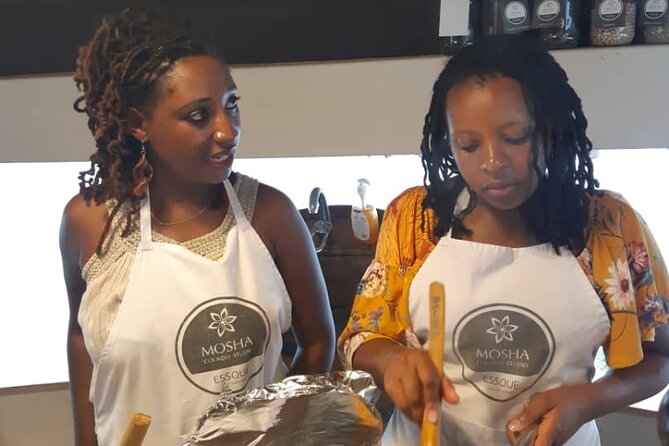
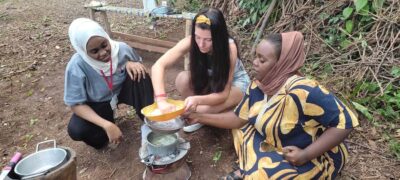
After the farm walk, the experience shifts from looking to doing. You meet Mama Africa for a two-hour Swahili cooking session, where you can help harvest cassava leaves, prepare coconut milk, and cook with spices seen earlier in the day.
This connection gives the tour more purpose. You are not simply buying a bag of cinnamon after a farm visit. You see an ingredient in the field, learn about it, and then use it in food. That simple sequence makes the meal easier to remember.
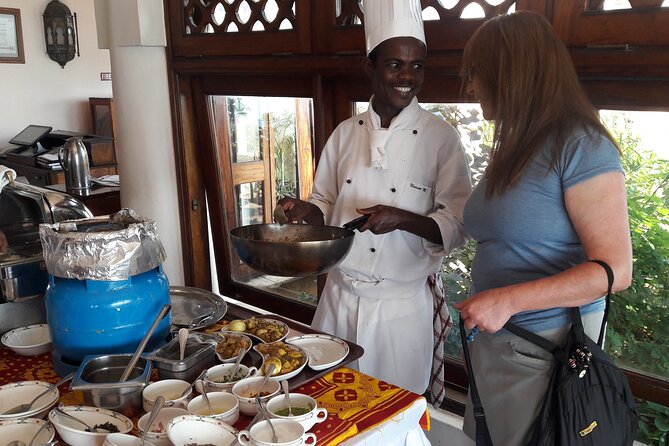
The cooking class is held in a modest local setting rather than a formal culinary studio. That may be part of the appeal, especially if you want a more ordinary view of food preparation in Zanzibar. It also means you should set reasonable expectations. You are joining a local cooking activity, not attending a professional chef demonstration with polished equipment.
The cassava leaf harvest is a particularly unusual detail. It shows that the class is not limited to stirring prepared ingredients. You take part in one small step of the food process before helping with the meal.
Making coconut milk is another practical highlight. Coconut is central to many East African dishes, and preparing it yourself helps explain the creamy texture and gentle sweetness found in Swahili cooking. The class then brings together the farm spices and local ingredients at the table.
Lunch that connects the farm to the plate
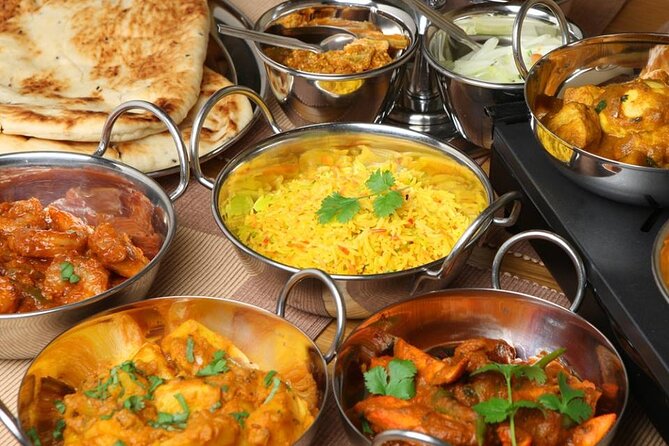
Lunch is included, and it comes at the end of the cooking portion. The meal gives you a chance to taste the results of the session rather than leaving after a demonstration.
The value here is not just the food itself. Lunch completes the farm-to-kitchen story. You have smelled spices in the soil, watched ingredients being prepared, helped with cooking, and then sat down to eat.
The exact menu is not specified, so you should not book this expecting a particular dish. Instead, think of lunch as a Swahili meal shaped by the ingredients available during the class. If you have food restrictions, ask the operator before booking, since no special dietary arrangements are stated.
Alcoholic drinks are not included. The tour does include lunch, all listed entrance fees, and private transportation, so the main costs are covered in advance.
Other classes where you cook in Zanzibar:
- Zanzibar Cooking Class & Spice Tour
★ 4.5 · 77 reviews - Zanzibar: Spice Farm Tour with Traditional Cooking Lesson
★ 4.8 · 77 reviews - Half-Day Kuza Cave Swimming Adventure and Cooking Class
★ 4.5 · 44 reviews - Traditional Zanzibar Cooking Class including Spice Tour
★ 4.5 · 14 reviews
What $59 gets you
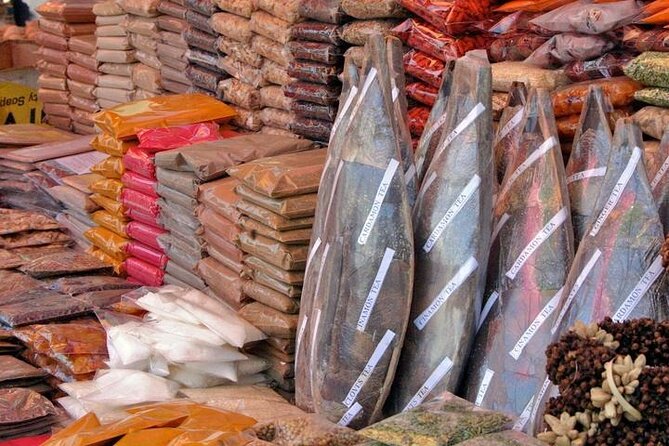
At $59 per person, the price is reasonable for a private five-hour outing that combines transport, farm entry, a guided visit, a cooking class, and lunch. Many short farm visits include only the walk and a tasting. Here, the cooking session adds two more hours and gives you a finished meal.
The private format matters. Your group is not combined with strangers, and private transportation is included. That makes the experience easier to manage if you are traveling as a couple, family, or small group with its own pace.
The value is strongest if you plan to buy spices or take part fully in the cooking. You are paying for more than a ride to a farm. You get a structured look at Zanzibar’s spice industry and a local food activity in the same morning and early afternoon.
It is less compelling if you want a luxurious culinary class or a short, polished sightseeing stop. The setting is simple, and the experience depends on the guides and the local people leading each section. That informality is a plus for some visitors and a drawback for others.
Timing, pickup, and the practical details

The scheduled start time is 9:00 a.m., and the full experience lasts about five hours. Pickup is offered, and private transportation is included, but the supplied details do not specify every pickup location. Confirm your exact pickup arrangement when booking.
The tour is based in Zanzibar City, with the activity taking place at Tangawizi Spice Farm. Since the morning includes three hours at the farm and two hours of cooking, wear something comfortable for walking and hands-on food preparation.
Bring cash in small notes or Tanzanian shillings. A past participant found that tips may be expected for several people, including the guide, driver, coconut drink provider, and cooking staff. The spice shop also does not take cards, so cash is useful if you want to buy cinnamon, vanilla, cloves, or other ingredients.
You may encounter a coconut tree climber who picks young coconuts for you to taste. This is one of the memorable small moments of the day, but it may involve a separate tip. Plan for a few extra payments rather than treating the $59 price as the entire possible spend.
Service animals are allowed, and the activity is near public transportation. Most people can participate. The tour is private, so only your own group joins the booked activity.
Guide quality and the local feel
The human side of this experience matters. One guide named Amina has been singled out for kind customer service, and another past group found its guide and assistant personable and useful during the farm and cooking portions. A French-speaking guide has also led at least one group, which may help if you prefer French.
Guide assignments are not clearly guaranteed, so you should not book on the assumption that Amina or a particular language guide will lead your group. Still, the format gives your guide more room to answer questions than a large shared tour would.
The cooking portion is led by Mama Africa, a local woman who brings the class into a home-style setting. That gives the day a personal touch, but the physical setting may not match promotional photographs exactly. Go for the interaction and the food, not for a staged culinary set.
The farm guides also shape the experience. A good explanation can turn familiar names such as cinnamon and nutmeg into something fresh and surprising. Ask questions about how the spices are grown, how they are used in dishes, and which ones are used traditionally as remedies.
What to buy at the spice shop
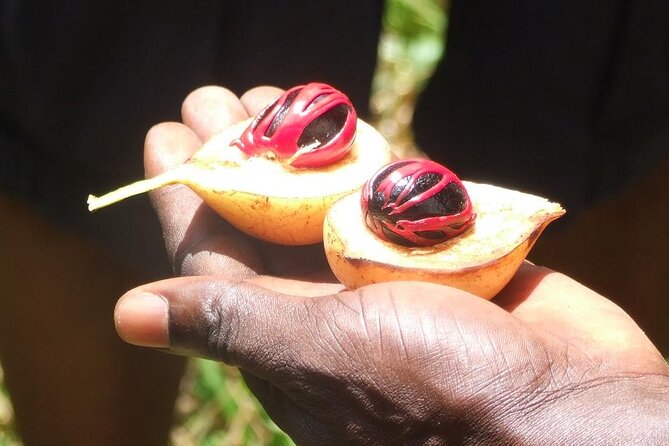
The day ends with the chance to purchase spices from the farm shop. This is convenient if you want to take home vanilla, cardamom, cinnamon, nutmeg, cloves, black pepper, or related products.
I suggest waiting until after the farm walk before buying anything. Once you have seen the plants and smelled the fresh ingredients, you can make a more informed choice. You may also recognize the difference between a spice you genuinely want to cook with and a packet you are tempted to buy only because it looks colorful.
Keep your purchase modest if you are flying onward. The tour data does not provide information about packaging, airport rules, or prices at the shop, so check what you are buying and keep receipts if needed.
Remember that the shop does not accept cards, according to practical feedback from the experience. Cash is the safe choice.
Who will enjoy this five-hour outing
I would recommend this tour to you if you want three things in one outing: local agriculture, Zanzibar’s food culture, and a private ride. It suits people who enjoy learning through taste and touch, rather than only listening to a guide.
Families may appreciate the fruit tasting, coconut experience, and hands-on work. Couples and small groups get the comfort of private transportation and a relaxed setting. Food-focused visitors will value the chance to connect spices with actual Swahili cooking.
It is also a good pick if you have limited time in Zanzibar City but want more than a standard city walk. Five hours is long enough to make the trip feel substantial without taking your entire day.
You may want another type of activity if you dislike informal settings, do not want to participate in food preparation, or expect a fixed menu and a modern teaching kitchen. The tour’s charm comes from its local, practical format.
Cancellation and booking advice
You receive confirmation when you book, and free cancellation is available if you cancel at least 24 hours before the 9:00 a.m. start time. A cancellation made within 24 hours is not refundable, and changes within that period are not accepted.
The experience is often booked well ahead, with an average booking time of about 29 days before the visit. That does not mean you must reserve a month ahead, but it is sensible to book early if your Zanzibar dates are fixed.
Should you book the Zanzibar spice farm and cooking tour?
Book it if you want an authentic, hands-on food experience rather than a quick farm photo stop. The combination of fresh spice tasting, cassava harvesting, coconut milk making, cooking, and lunch gives the day a clear rhythm.
The $59 price is fair because it covers private transport, entrance fees, lunch, and five hours of activities. Just bring cash for tips and shopping, and expect a simple local cooking environment rather than a polished culinary school.
For a food-curious visitor, this is one of the better ways to understand why Zanzibar is called the Spice Islands. It turns cloves, cinnamon, vanilla, and coconut from items on a menu into ingredients you have seen, smelled, touched, and helped prepare.
FAQ
How long does the Zanzibar cooking and spice farm tour last?
The experience lasts approximately five hours. About three hours are spent on the guided spice farm visit, followed by about two hours of Swahili cooking.
What time does the tour start?
The scheduled start time is 9:00 a.m.
Is lunch included?
Yes. Lunch is included in the tour price.
Is transportation provided?
Yes. Private transportation is included, and pickup is offered.
Is the tour private?
Yes. Only your group participates in the private tour or activity.
Can I cancel for a full refund?
Yes, if you cancel at least 24 hours before the experience begins. Cancellations made less than 24 hours before the start time are not refunded.
Just added in Zanzibar
- ZANZIBAR: Jozani Forest, butterfly center & Reptile park★ 4.7 · 3 reviews
- Zanzibar: Jozani Chwaka Bay National Park and Spice Farm …★ 4.6 · 5 reviews
- Zanzibar: Horse Riding and Kayaking with Video and Photos★ 4.9 · 10 reviews
- Zanzibar hidden: Starfish, Blue Lagoon, &The Rock Restaurant★ 5.0 · 3 reviews
- Zanzibar: Half-Day Spice Farm Tour,the flavours of Zanzibar★ 4.7 · 3 reviews
- Zanzibar Half Day Trip in Mnemba Island★ 4.4 · 16 reviews
- Zanzibar: Full-Day Conservation Safari with BBQ Lunch★ 3.9 · 9 reviews
- Zanzibar: Half-Day Prison Island, Tortoises and Spices Tour★ 3.7 · 7 reviews
Spice Farm Tours, compared.

Stone Town, Spice Tour, Prison Island with Lunch
Read our review →
Full-Day Private Stone Town +Spice Farm and Prison Island Tour
Read our review →

The Swahili Spice Experience – Spice Tour + Culinary Journey
Read our review →
Zanzibar full day Jozani forest + Spice farm and stone town
Read our review →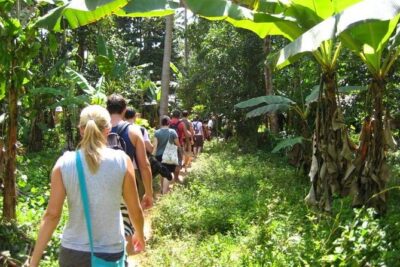
Browse the lists this tour appears in