

Reviewed · SPICE FARM TOURS
Zanzibar Spice Tour
Zanzibar’s spice story comes alive on a farm where you can smell cloves, taste tropical fruit, and see plants used for both cooking and traditional medicine. I like the hands-on sensory stop and the chance to learn how spices reached the island through trade with Oman and across the Indian Ocean. I also like that your private group can enjoy a more personal pace.
The tour includes hotel pickup and drop-off, bottled water, entrance fees, and transport charges, which makes the $76.93 price easier to judge. The main caution is time: three hours gives you a useful introduction, but not a long farm visit or a full study of every plant.
Key points at a glance
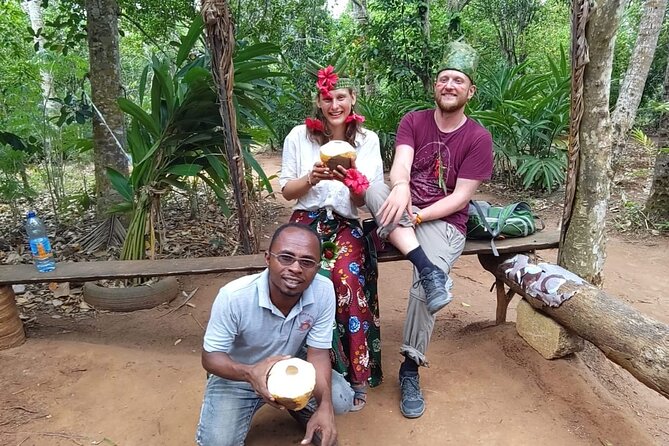
- Cloves, vanilla, cinnamon, and nutmeg: See and smell some of Zanzibar’s best-known spices at a local farm.
- Plants with more than one purpose: Learn how neem, iodine trees, ginger, menthol, and other plants connect to food and traditional remedies.
- Private touring: Only your group takes part, so you can ask questions without keeping pace with a large crowd.
- A practical half-day outing: About three hours, with hotel pickup, drop-off, water, entrance fees, and transport waiting charges included.
- Guide-led and personal: Mody runs the tour operation, while Barak has been praised for making the visit fun and engaging when serving as guide.
- Flexible cancellation: Cancel at least 24 hours before the start for a full refund. Poor weather may lead to another date or a full refund.
Why Zanzibar is called the Spice Island

Zanzibar’s spice identity is not just a souvenir-shop slogan. The island became an important growing and trading center for cloves and other spices brought from distant regions, including by the sultans of Oman across the Indian Ocean.
At the farm, you get to connect those trade routes with real plants. You may see cloves, cinnamon, nutmeg, vanilla, cardamom, curry, pepper, tamarind, ginger, and menthol. The value is in seeing the source rather than meeting these ingredients only as powders in a market jar.
I especially like the way this tour links everyday food with local plant knowledge. A guide can explain which plants flavor a meal, which are used in traditional remedies, and which are simply interesting examples of the island’s vegetation.
The tour is also a good counterpoint to Zanzibar City’s stone buildings and waterfront. Instead of focusing on architecture or beaches, you spend time with soil, leaves, bark, fruit, and scent. That change of pace makes the outing useful for families, curious cooks, and anyone who wants more context for Zanzibar beyond the coast.
Other spice farm visits from Zanzibar:
- Zanzibar: Stone Town, Spice Tour, Prison Island with Lunch
★ 4.4 · 1,219 reviews - Zanzibar: Prison Island, Stone Town, & Spice Farm Tour
★ 4.5 · 579 reviews - Zanzibar: Stone Town, Spice tour & Prison Island with Lunch
★ 4.6 · 453 reviews
What happens during the three-hour farm visit
The stated itinerary is simple: you leave Zanzibar City for a guided spice-farm visit lasting about three hours. Since the activity is private, only your group participates. That matters because spice tours can feel rushed when a large crowd moves from plant to plant. Here, you can stop to ask what something is used for or request another explanation if a name is unfamiliar.
The farm portion is built around observation and tasting. You might see tropical fruit alongside spices and herbs, then smell or sample selected items. The experience is sensory rather than lecture-heavy. You are not only told that Zanzibar grows cloves or cinnamon, you get a closer look at the plants and their useful parts.
Expect a range of examples rather than a single crop. Cloves and cinnamon are likely to feel familiar, while cardamom, tamarind, menthol, and less common plants add variety. The guide describes where spices came from and how people use them in food and traditional medicine.
The available information does not promise a fixed tasting menu, a cooking class, or a full meal. You may taste fruit and spices, but you should not book this expecting a restaurant experience. The tour is about discovery, not lunch.
Cloves, cinnamon, vanilla, and the scents you remember
The best part of a spice farm is often the smell. Cloves have a strong, warm scent. Cinnamon is instantly recognizable. Vanilla, nutmeg, and cardamom show how different parts of the plant world can produce very different aromas.
You may also encounter curry, pepper, ginger, and tamarind. These are useful additions because you already know many of them from cooking, yet seeing them in a growing environment changes how you think about them. A guide can point out the plant and explain how it reaches the kitchen.
One practical benefit is that you can buy selected spices after the tour if you want to take the experience home. Past visitors specifically bought chicken masala and black pepper, with plans to use them in chicken pilau. That makes a small spice purchase more meaningful than a generic souvenir.
Check the rules and packing requirements before bringing food products home, since import restrictions vary by country. The tour information confirms personal purchases are possible through the experience, but it does not specify prices, packaging, or international customs rules.
Plants used for food and traditional medicine
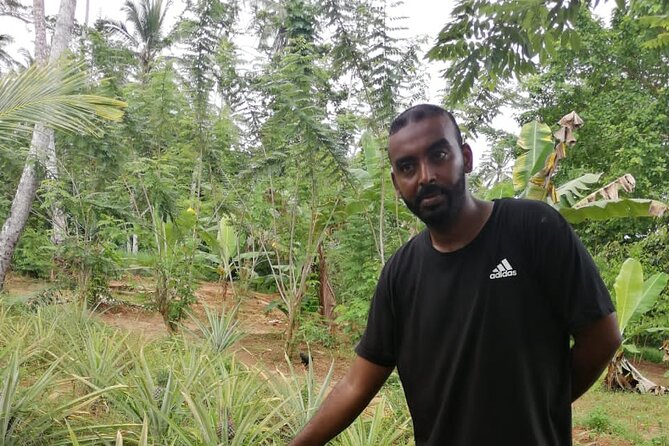
This tour is not limited to culinary ingredients. The guide also explains how some plants have been used in traditional medicine.
One example is the neem tree. Its leaves were traditionally used as a remedy for malaria and indigestion. The iodine tree produces a deep red sap traditionally used to help fight infection and treat wounds. These examples show why the farm is more than a collection of cooking spices.
You should treat these explanations as cultural and traditional plant knowledge, not as medical advice. The tour does not include medical care, and medical insurance is not included in the price. If you have a health condition or take medication, do not replace professional medical guidance with anything explained during the visit.
I like this part because it adds depth without requiring a long history lesson. The guide shows that plants can have several roles: seasoning, scent, household use, and traditional treatment. That is a more useful way to understand local agriculture than simply memorizing a list of spice names.
Same base, a different kind of day out:
- From Zanzibar: Mikumi Safari Day Trip with Flights and Meal
★ 4.7 · 1,470 reviews - Zanzibar: Quad Bike Adventure departing from Kendwa or Nungwi
★ 4.9 · 1,233 reviews - From Zanzibar: Day Selous Game Reserve Safari with Flights
★ 4.7 · 1,025 reviews - Zanzibar: Prison Island and Nakupenda Boat Trip with Lunch
★ 4.1 · 882 reviews
The private format and the guides

The private format is one of the clearest reasons to consider this tour. Your group does not share the activity with other groups, so you can ask questions at your own pace. That is particularly helpful if you have children, a solo itinerary, or a strong interest in food and plants.
Mody Zanzibar Tours & Safaris provides the experience. Mody is also described as a friendly and reliable operator who keeps in touch before arrival and can arrange other Zanzibar activities. A separate account praises Barak for making the spice visit fun and engaging. Because guide assignments can vary, Barak may not be the person leading every departure, so treat his name as a useful detail rather than a guarantee.
The personal service extends beyond the farm in some arrangements. Mody has met people at the ferry terminal and helped coordinate other outings, including Stone Town, Prison Island, a sandbank, and snorkeling trips. Those are separate activities, not part of this three-hour spice tour, but they suggest you can ask about combining plans if your schedule allows.
Several accounts also praise the operator’s punctuality and willingness to adjust plans. That is useful in Zanzibar, where a private guide can make a short stay easier to organize. Still, you should confirm your pickup time and meeting point when booking.
Why the $76.93 price can make sense

At $76.93 per person, this is not the cheapest possible way to see a few plants. The value depends on what is included and how much you value private transport and a dedicated guide.
The price includes:
- Professional tour guide
- Hotel pickup and drop-off
- Bottled water
- Entrance fees
- Taxes and service fees
- Fuel surcharges
- Transport waiting charges
That package reduces the small costs that can add up when arranging a farm visit yourself. You are also paying for a private activity, not simply admission to a garden. For a couple, family, or small group, the cost may feel more reasonable because the experience is shared only with your own party.
The price is harder to justify if you want a very long agricultural visit, a cooking lesson, or a full meal. None of those are promised. The clearest value is convenience, a personal guide, and a focused introduction to Zanzibar’s spices in roughly half a day.
The tour is booked an average of 27 days ahead, so it is sensible to reserve early if your travel dates are fixed. That booking pattern does not guarantee that every date sells out, but it suggests advance planning is common.
Who will enjoy this tour most

I would recommend this experience to anyone who wants an easy introduction to Zanzibar’s food culture. It suits first-time visitors who want a short outing from Zanzibar City, as well as repeat visitors looking for something beyond beaches and historic streets.
Families may appreciate the tasting and plant-focused format. Children can engage with smell, color, fruit, and unusual leaves more easily than with a long museum explanation. The private setting also lets you keep the pace comfortable.
Food lovers will find plenty to notice. Cloves, cardamom, cinnamon, pepper, ginger, vanilla, curry, nutmeg, and tamarind connect directly to recipes. If you enjoy taking home ingredients, leave room in your luggage for small spice purchases.
Solo visitors can also benefit from the private setup. One account specifically describes Mody as able to adapt tours for a solo visitor, though the supplied details do not state a separate solo price or solo itinerary.
The tour is less suitable if you dislike guided visits or want to spend the morning swimming. It is also not the right choice if you expect advanced botanical instruction. The focus is a friendly, accessible introduction with practical uses and local context.
Timing, transport, and what to keep in mind
The experience lasts about three hours. Pickup and drop-off from your hotel are included, along with a transport waiting charge, so you do not need to arrange separate local transport for the tour.
The exact pickup time is not provided. Confirm it after booking, especially if you are staying outside central Zanzibar City or need to connect with a ferry, flight, or another activity.
The tour requires good weather. If poor weather forces cancellation, you can receive a full refund or choose another date. For your own cancellation, cancel at least 24 hours before the start time to receive a full refund. Changes or cancellations made inside that window are not accepted for a refund.
Most people can participate, and confirmation is issued at booking. Medical insurance, flights, visas, airport taxes, and personal expenses are not included. Bottled water is provided, but personal spending on spices or other purchases is extra.
The activity notes also mention snorkeling with guides, but the main three-hour itinerary is the spice-farm visit. Do not assume snorkeling is included unless your booking confirmation specifically says so.
What the personal touches add
A few small details make this feel less like a quick stop at a commercial garden. One account describes the guide making grass bags and hats during the morning. That is a simple craft detail, but it shows how the guide may use local plant material to keep the visit active and memorable.
The strongest praise centers on warmth, reliability, and personal attention. Mody is described as staying in contact, arriving on time, and making an effort to keep plans smooth. Another account calls the morning relaxing and educational, with an entertaining guide.
Those details matter because a three-hour tour can feel either generous or rushed depending on the guide. A good explanation turns a leaf or seed into part of a wider story about trade, cooking, and daily life. A weak explanation would leave you with only a bag of spices. The provider’s strongest point appears to be the human side of the visit.
Still, the available feedback is limited in volume, with nine ratings shown and a top overall score. That is encouraging, but I would still confirm the guide, departure time, and exact farm arrangements if those details are important to you.
Should you book the Zanzibar Spice Tour?
Book it if you want a short private outing with hotel transport, a personal guide, tastings, and a clear introduction to Zanzibar’s plant life. The included fees make the $76.93 cost easier to understand, and the farm visit gives you more context than buying spices in a shop.
Choose another activity if you want a full cooking class, a long agricultural walk, a meal, or a detailed scientific plant tour. Those features are not part of the stated experience.
For most visitors with three free hours, this is a sensible add-on to a Zanzibar City stay. You will leave with new smells, a better sense of why the island is linked with spices, and perhaps black pepper or chicken masala for your next pilau.
FAQ
How long does the Zanzibar Spice Tour last?
The tour lasts about three hours.
Where does the tour take place?
The experience is based in Zanzibar City and includes a visit to a local spice farm.
Is hotel pickup included?
Yes. Pickup and drop-off from your hotel are included.
Is this a private tour?
Yes. Only your group participates in the private activity.
What spices and plants might I see?
The tour may include cloves, cinnamon, nutmeg, vanilla, cardamom, curry, pepper, tamarind, ginger, menthol, and other spices and herbs. You may also learn about tropical fruit and plants such as neem and the iodine tree.
Are entrance fees and water included?
Yes. Entrance fees, taxes, fuel surcharges, service fees, transport waiting charges, and bottled water are included.
Does the tour include medical insurance or flights?
No. Medical insurance, local and international flights, visas, airport taxes, and personal expenses are not included.
Can I cancel for a full refund?
Yes, if you cancel at least 24 hours before the experience starts. Cancellations made less than 24 hours before the start are not refunded. If poor weather causes the operator to cancel, you can receive a full refund or choose another date.
Just added in Zanzibar
- ZANZIBAR: Jozani Forest, butterfly center & Reptile park★ 4.7 · 3 reviews
- Zanzibar: Jozani Chwaka Bay National Park and Spice Farm …★ 4.6 · 5 reviews
- Zanzibar: Horse Riding and Kayaking with Video and Photos★ 4.9 · 10 reviews
- Zanzibar hidden: Starfish, Blue Lagoon, &The Rock Restaurant★ 5.0 · 3 reviews
- Zanzibar: Half-Day Spice Farm Tour,the flavours of Zanzibar★ 4.7 · 3 reviews
- Zanzibar Half Day Trip in Mnemba Island★ 4.4 · 16 reviews
- Zanzibar: Full-Day Conservation Safari with BBQ Lunch★ 3.9 · 9 reviews
- Zanzibar: Half-Day Prison Island, Tortoises and Spices Tour★ 3.7 · 7 reviews
Spice Farm Tours, compared.

Stone Town, Spice Tour, Prison Island with Lunch
Read our review →
Full-Day Private Stone Town +Spice Farm and Prison Island Tour
Read our review →

The Swahili Spice Experience – Spice Tour + Culinary Journey
Read our review →
Zanzibar full day Jozani forest + Spice farm and stone town
Read our review →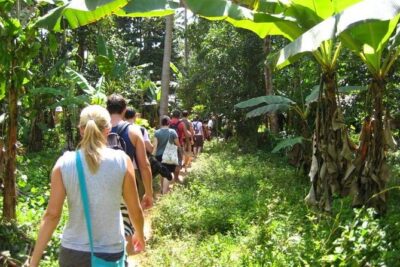

Browse the lists this tour appears in