
Reviewed · SPICE FARM TOURS
Zanzibar: Spice Farm Tour with Traditional Cooking Lesson
Zanzibar’s spice farms turn familiar kitchen smells into living plants. On this three-hour outing, you can rub fresh cinnamon bark, taste coconut straight from the tree, and see how cloves, vanilla, nutmeg, cardamom, and pepper grow before sitting down to a meal made with your help.
I like the hands-on cooking lesson and the chance to taste fruit at its freshest, especially jackfruit and young coconut. I also like the local connection: the guide explains how spices fit into Zanzibar’s food, trade, medicine, and daily life.
The main thing to keep in mind is that the cooking part may be more demonstration than full class. One account described only limited participation, and the leaf crowns and other small souvenirs can feel touristy if you prefer a strictly low-key farm visit.
Key points at a glance
- Fresh spices on living plants: Touch, smell, and taste cinnamon, vanilla, cloves, nutmeg, cardamom, black pepper, ginger, turmeric, and lemongrass.
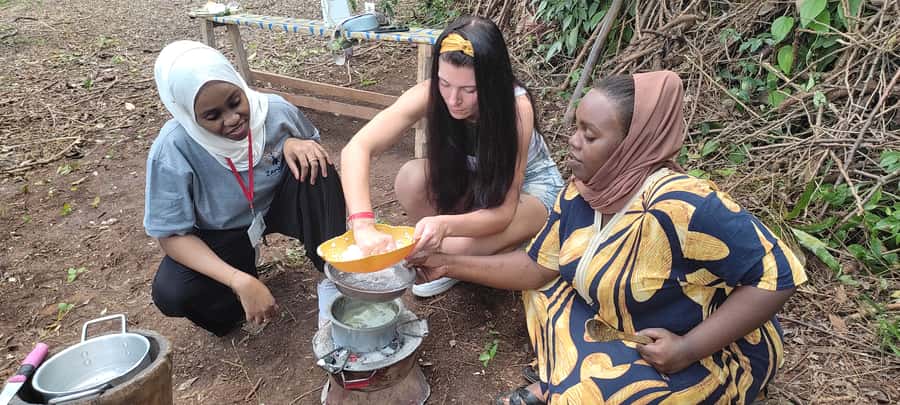
- A meal you help prepare: Join parts of a Swahili cooking session, including cassava leaf harvesting and coconut milk making.
- Fruit straight from the farm: Taste jackfruit and young coconut picked during the visit.
- Useful cultural context: Learn how spices shaped Zanzibar’s economy, food, traditional remedies, and place in the Spice Islands.
- Private three-hour format: Meet at Stone Town’s Old Fort at 9:00 AM or arrange pickup from a beach hotel anywhere in Zanzibar.
- Good value at $65: The price includes transport options, a guide, lunch, and a contribution to the local community, though spice purchases cost extra.
Why Zanzibar is called the Spice Islands
Zanzibar’s connection with spices is not just a marketing theme. Cloves, cinnamon, nutmeg, black pepper, vanilla, cardamom, ginger, turmeric, and other plants are tied to the islands’ food, trade, and income.
Your guide uses the farm to explain that connection in a direct way. Instead of seeing dried spices in a market stall, you see the plants and learn which part is used. A familiar jar of cinnamon becomes bark. Nutmeg grows as a fruit with a seed inside. Vanilla comes from an orchid vine. Black pepper appears as a climbing plant rather than a neat pile of peppercorns.
That change in perspective is the heart of the tour. You are not simply walking among tropical plants. You are learning how ingredients move from soil to kitchen, and how spices are used in both cooking and traditional medicine.
The experience also gives you a little historical background about Zanzibar and the wider Spice Islands, a name sometimes shared with Tanzania’s Mafia Island. If you are visiting Stone Town, this is a useful way to connect the old trading city with the crops grown outside it.
Other spice farm visits from Zanzibar:
- Zanzibar: Stone Town, Spice Tour, Prison Island with Lunch
★ 4.4 · 1,219 reviews - Zanzibar: Prison Island, Stone Town, & Spice Farm Tour
★ 4.5 · 579 reviews - Zanzibar: Stone Town, Spice tour & Prison Island with Lunch
★ 4.6 · 453 reviews
Meeting at the Old Fort or leaving from your hotel
The standard meeting point is in front of the Old Fort on Mizingani Road in Stone Town at 9:00 AM. That location is easy to recognize and practical if you are already staying in town.
You can also choose pickup from a beach hotel anywhere in Zanzibar. This matters because the farm is outside Stone Town, and arranging transport separately would add cost and planning. The activity includes pickup from Stone Town and beach hotels, depending on the option you book.
The ride itself can add useful local perspective. Drivers such as Ahmad have helped make the transfer part of the experience, answering questions about life on Zanzibar along the way. Pickup times and travel time can vary by hotel, so confirm the starting details when you reserve.
The group format is private, which gives you more room to ask questions and take part at your own pace. The listed languages are English and Swahili. Guides have included Chiquito, Abdullah, and others, with individual guide assignments depending on the date.
Walking through the spice plants
At the farm, the guide begins by identifying the plants and explaining how each one is grown and used. This is where the tour becomes more memorable than a standard garden visit.
You can touch, smell, and taste spices directly from the plant. Fresh cinnamon has a softer, more natural scent than the powdered version in your cupboard. Lemongrass is easy to recognize once you crush a leaf. Ginger and turmeric offer a useful reminder that many cooking spices are roots, while cloves and pepper come from different parts of their plants.
The farm also features vanilla, cardamom, nutmeg, black pepper, and other herbs. You may already know the dried products, but seeing them at their source gives you a better feel for how they are harvested and prepared.
The guide also discusses traditional medicinal uses. Take these explanations as cultural information rather than medical advice. The value is in understanding how local households have used plants over time, alongside their role in food and trade.
This section works best when you slow down and use your senses. Smell the leaves. Look closely at the bark, pods, seeds, and roots. Ask how each spice is used in Zanzibar cooking. The tour is much more rewarding when you treat it as a lesson in plants rather than a quick photo stop.
Jackfruit, coconut, and the farm’s tropical fruit
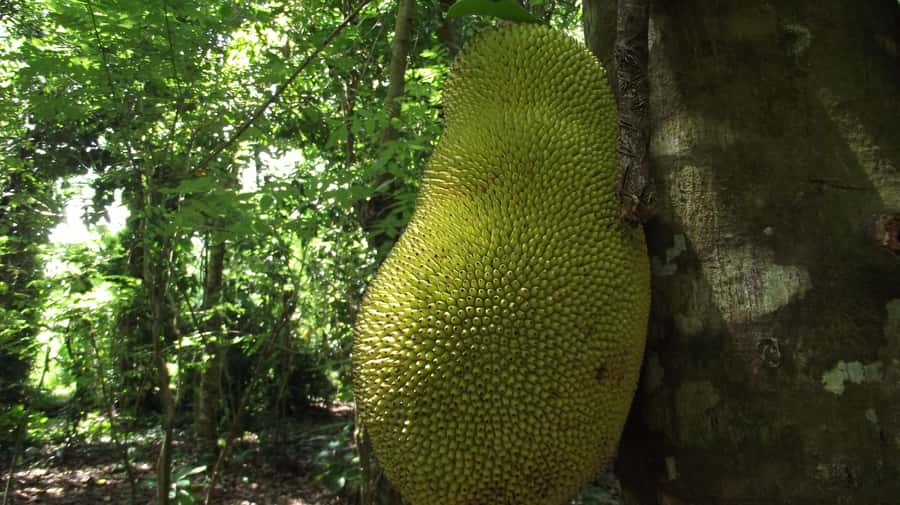
Spices are only part of the visit. The farm also introduces you to tropical fruits, including jackfruit, described as the largest fruit in the world.
Fresh jackfruit is worth trying here because its texture and sweet flavor can be quite different from what you find packaged or imported elsewhere. The guide may also show other fruit growing on the farm, though the exact selection can vary.
One of the memorable moments is the fresh young coconut. A coconut tree climber picks coconuts for the group, giving you the chance to drink and taste the fruit close to its source. The contrast with bottled coconut water is part of the fun.
This portion is especially good for families and anyone who enjoys food experiences. It also gives the tour a welcome change of pace. After concentrating on plant names and spice uses, you get something cold, fresh, and easy to enjoy.
Other classes where you cook in Zanzibar:
- Zanzibar Cooking Class & Spice Tour
★ 4.5 · 77 reviews - Half-Day Kuza Cave Swimming Adventure and Cooking Class
★ 4.5 · 44 reviews - NGO Lifted Strong – Traditional Tanzanian Cooking Class
★ 5.0 · 39 reviews - Arusha: Traditional Tanzania Cooking Class & Food Market Tour
★ 5.0 · 34 reviews
The cooking lesson: useful, but keep expectations flexible
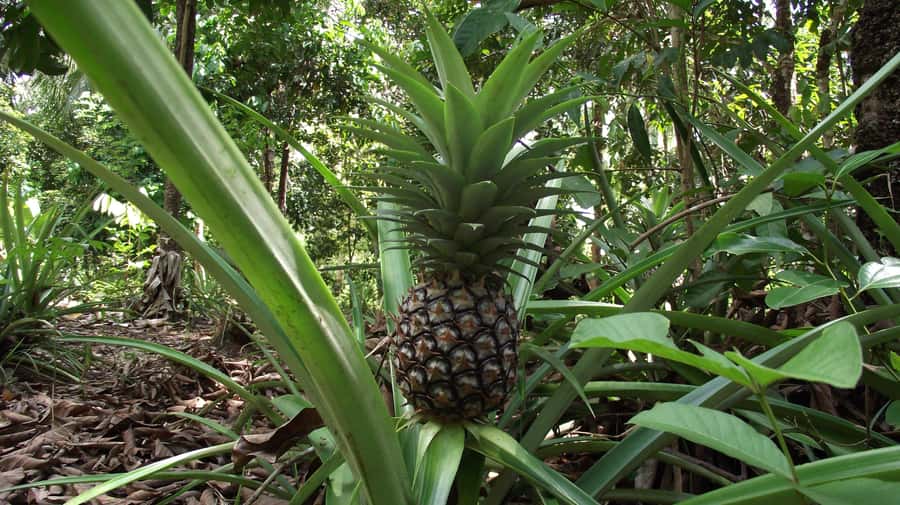
The cooking section is promoted as a traditional lesson, and it is a major reason to choose this outing over a simple farm walk. You may join a cassava leaf harvest, learn how coconut milk is made, and help with some of the preparation for lunch.
The coconut milk process is a particularly useful detail. You see an everyday ingredient being made rather than treating it as something that simply appears in a pot. Cassava leaves also connect the meal to local crops and household cooking.
The degree of participation can vary. Some people have taken part in preparing local dishes from scratch, while others have mainly watched demonstrations and helped with one side dish. It is best to expect a mix of instruction, demonstration, and hands-on work rather than a formal cooking school with a recipe book and a separate workstation.
That is not necessarily a weakness. The setting is a working farm, and the lesson is tied to lunch and local routines. You get a taste of how the food is prepared, but the focus remains on the complete farm experience.
If cooking is your main reason for booking, ask at the start how much you will be able to do. That simple question can help set the right expectation.
Lunch on the spice farm
The tour ends with lunch made from local ingredients and spices connected to the farm. Since you have seen the plants and helped with preparation, the meal has more meaning than a standard restaurant stop.
You may be served a Swahili-style meal with dishes prepared using the ingredients discussed during the tour. The food has been one of the most praised parts of the experience, and the meal is included in the $65 price.
I like the way the lunch completes the lesson. You first smell and handle the plants, then see some of the preparation, and finally taste the result. It is a simple chain, but it makes the information easier to remember.
If you are joining the morning tour, avoid eating a large breakfast. The activity includes fruit, coconut, tasting opportunities, and lunch, so arriving hungry makes sense. Bring water as well, especially on a hot day.
Buying spices to take home
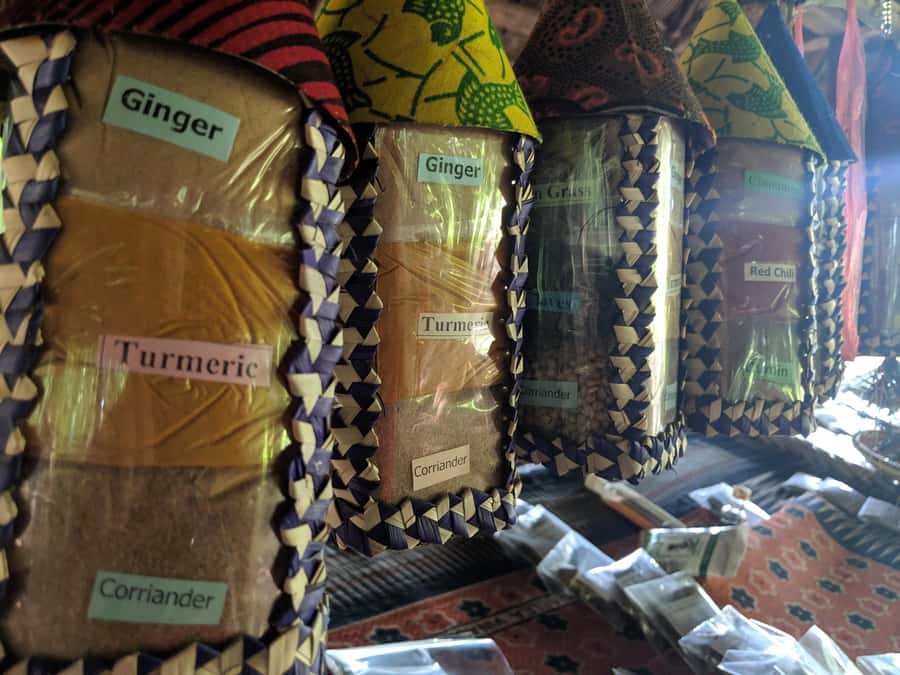
The farm has a shop where you can buy fresh spices and teas. This is a convenient place to pick up cinnamon, cloves, vanilla, pepper, and other products after seeing where they come from.
Bring cash. Spice purchases can only be made with cash, and the tour price does not cover what you buy at the shop. Set a spending limit before you arrive, because the combination of good smells and attractive packages makes it easy to buy more than planned.
The best purchases are the spices you already know you will use. A small amount of good cinnamon, cloves, or vanilla can bring back the memory of Zanzibar without taking up much luggage space. Ask how to store each item and how long it will keep if that information is available at the shop.
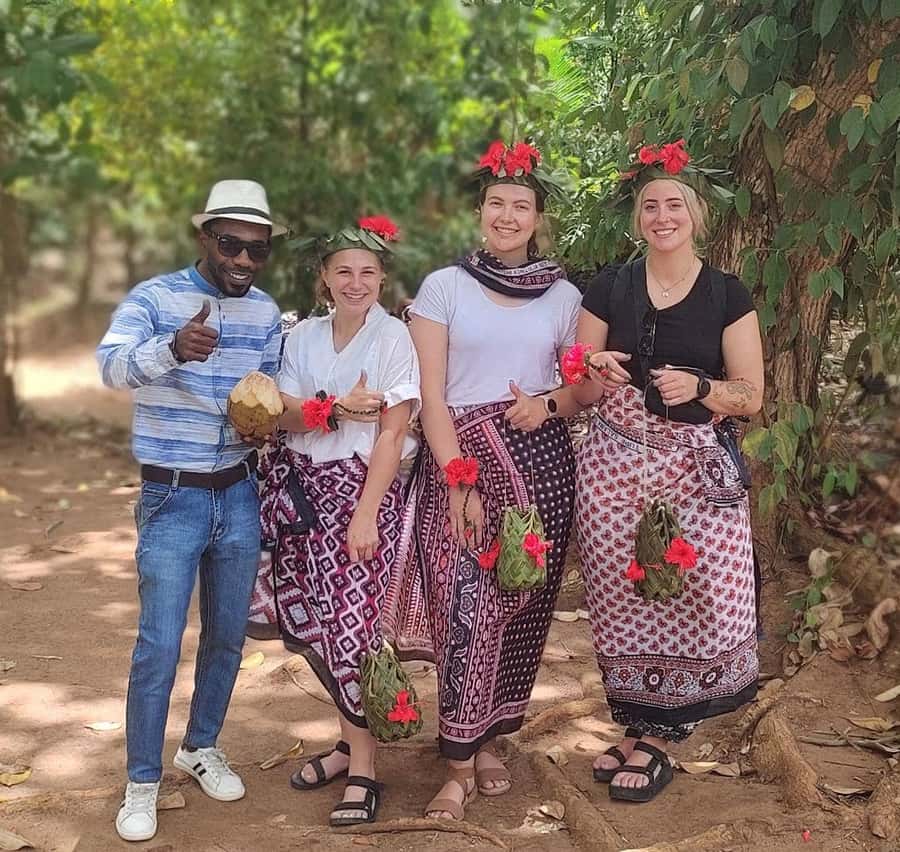
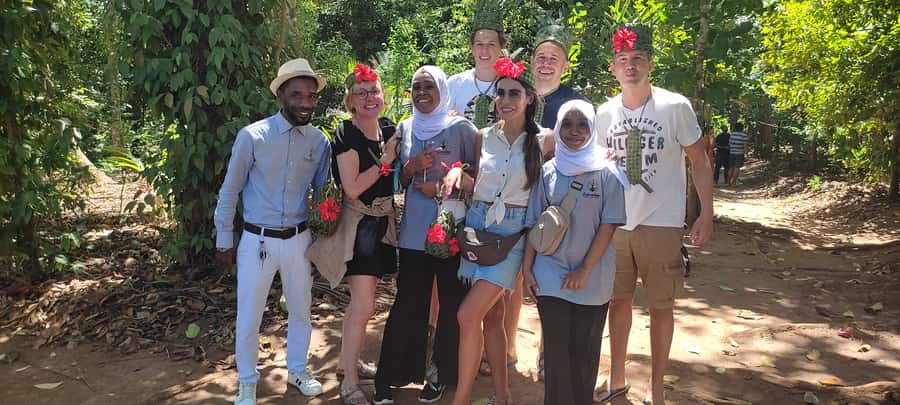
There can also be playful extras such as leaf crowns, ties, and handbags. These can be amusing for photos, but they may come with an expectation of tipping and can feel staged. You do not need to treat them as a required part of the experience.
Is $65 a fair price?

At $65 per person, the value depends largely on your transport needs. The price includes a local guide, lunch, contribution to the local community, and pickup from the Stone Town meeting point or a beach hotel, depending on your booking choice.
That makes it a reasonable package for someone who wants transport, a farm visit, food, and a guide in one morning. Booking separate transport and arranging a meal would take more effort and may not cost less.
The private group format adds value if you are traveling with family or friends. You can ask questions without trying to catch a guide’s attention in a large group, and the cooking portion can feel more personal.
The price does not include your spice purchases or any tips. Carry cash for both. The activity allows free cancellation up to 24 hours before the start and offers a reserve-now, pay-later option, which helps if your Zanzibar schedule may change.
Who will enjoy this most?
I would recommend this tour to anyone who wants a food and culture experience rather than a formal agricultural lecture. It suits first-time visitors who want a practical introduction to Zanzibar’s spices, as well as people who enjoy markets, cooking, plants, and local meals.
Families can make good use of the fruit tasting and hands-on sections. Couples and small private groups will appreciate the flexible format. It is also a useful early activity because the guide can introduce you to Zanzibar’s food and history at the start of your stay.
It is less suitable if you want a quiet walk with no staged elements. The leaf accessories may feel overly tourist-focused, and the cooking may not always involve as much participation as the description suggests.
Pregnant women should not book this activity, as it is listed as unsuitable for them. The tour is listed as wheelchair accessible, but if you need specific assistance at the farm or during the cooking activities, confirm the arrangements before booking.
Wear comfortable shoes and bring a sun hat, sunscreen, water, and cash. The farm is an outdoor setting, so practical clothing will serve you better than anything formal.
Should you book this Zanzibar spice tour?
Book it if you want to understand Zanzibar through its food. The strongest parts are the fresh plants, the explanations about spice uses, the young coconut and jackfruit, and the lunch that follows the preparation.
I would choose it over a quick spice-market stop because you see the source of the ingredients and connect them to daily life. Just keep the cooking lesson flexible in your mind, and do not feel pressured to buy leaf souvenirs or more spices than you need.
At $65, the tour offers solid value for a private three-hour outing with transport options, lunch, and a local guide. It is a good choice for a first taste of the Spice Islands, especially if you arrive ready to smell, touch, taste, and take part.
FAQ
How long does the spice farm tour last?
The tour lasts three hours.
Where is the meeting point in Stone Town?
Meet in front of the Old Fort on Mizingani Road in Zanzibar at 9:00 AM.
Is hotel pickup available?
Yes. Pickup is available from Stone Town meeting points and beach hotels anywhere in Zanzibar, depending on the option selected.
What languages are available?
The live guide service is available in English and Swahili.
What food and fruit will I taste?
The experience includes a local lunch, fresh jackfruit, and young coconut. You may also see and taste other tropical fruits at the farm.
Can I buy spices at the farm?
Yes. You can purchase fresh spices and teas from the farm shop, but you must pay with cash.
Is the tour wheelchair accessible?
The activity is listed as wheelchair accessible.
Can pregnant women join the tour?
No. The activity is listed as unsuitable for pregnant women.
Just added in Zanzibar
- Jet Ski Experience from Kendwa Beach★ 5.0 · 21 reviews
- Zanzibar: Parasailing Experience with Instructor★ 4.2 · 17 reviews
- 2h-Quad Zanzibar: Explore the heart of zanzibar by Quad★ 4.8 · 22 reviews
- From Zanzibar: 3-Day Selous Safari Trip with Flights★ 4.4 · 22 reviews
- Stone Town: Sunset Dhow Cruise Experience★ 4.0 · 22 reviews
- Stonetown Historical Walking Tour & Traditional Lunch★ 4.8 · 22 reviews
- Zanzibar: Half Day Trip on Nakupenda with Prison Island★ 4.7 · 27 reviews
- Zanzibar: Prison Island, Nakupenda, Stone Town Trip with BBQ★ 4.3 · 25 reviews
Spice Farm Tours, compared.

Stone Town, Spice Tour, Prison Island with Lunch
Read our review →
Full-Day Private Stone Town +Spice Farm and Prison Island Tour
Read our review →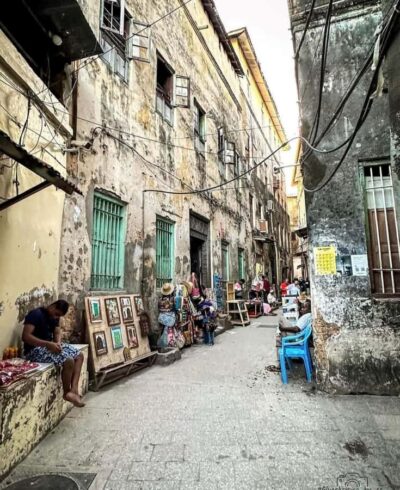
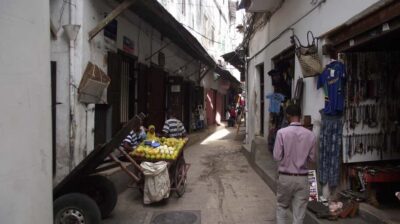

The Swahili Spice Experience – Spice Tour + Culinary Journey
Read our review →
Zanzibar full day Jozani forest + Spice farm and stone town
Read our review →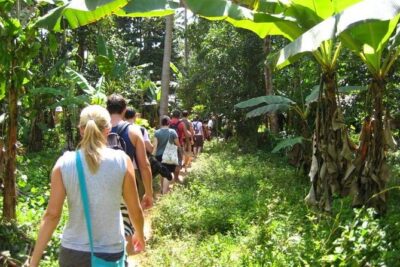
Browse the lists this tour appears in