
Reviewed · SPICE FARM TOURS
Spice Farm – spice up your life in Zanzibar
Zanzibar’s spice farms turn a history lesson into a sensory outing. You walk through rural areas, smell fresh cinnamon and lemongrass, taste tropical fruit, and see how cloves, vanilla, nutmeg, and ginger connect the island to centuries of trade. The tour also brings you into contact with local farmers and a traditional kitchen.
I like the hands-on tasting and the chance to eat a Swahili meal at the farm, rather than simply looking at plants from a path. I also like the practical package: hotel pickup, return transport, bottled water, lunch, taxes, fuel surcharges, and service fees are covered in the $60 price.
The main caution is pickup reliability. Most available feedback describes smooth transport, but one serious complaint reports that the promoter failed to appear and could not be reached. Reconfirm your pickup before the day of the tour.
Key points at a glance
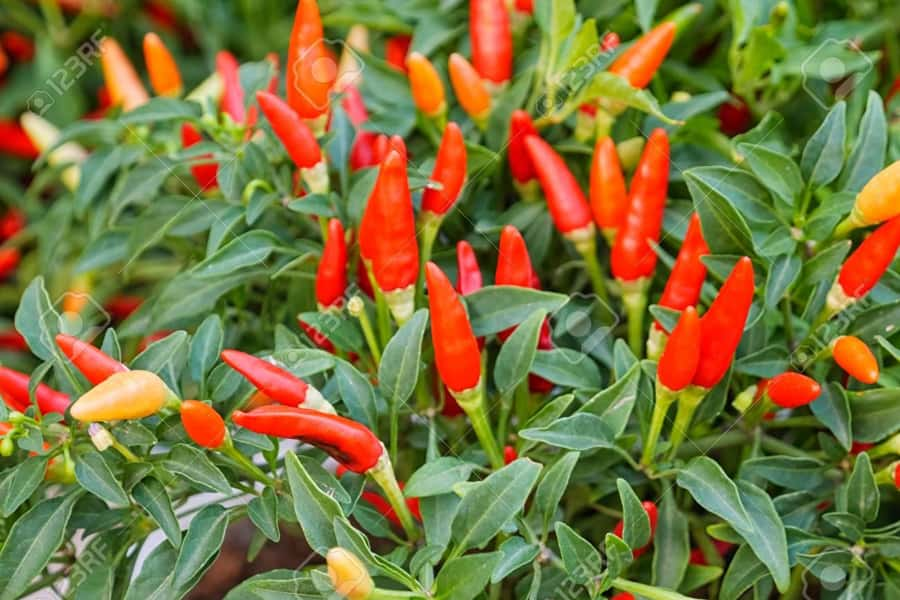
- Spices you can smell and taste: See cinnamon, vanilla, nutmeg, cloves, lemongrass, cumin, ginger, pepper, tamarind, chili, and ylang-ylang.
- A farm lunch is included: Eat traditional Zanzibar food cooked in a local kitchen and seasoned with island herbs.
- Fruit tasting adds a local touch: Mangoes, passion fruit, avocado, papaya, bananas, pineapples, and local grapefruit may be available.
- A useful rural break from beach time: The outing takes you through villages and farms in the Unguja South Region.
- Multilingual guiding: Tours are offered in English, Italian, German, French, and Russian.
- Good value at $60: Pickup, drop-off, lunch, water, taxes, fuel surcharges, and service fees are included.
Why Zanzibar became the Spice Island

The name Zanzibar is closely tied to cloves, but the island’s spice story reaches much further. Spices from Asia and Latin America were brought to the region in the 16th century, and Zanzibar’s warm tropical climate helped them grow.
That history gives the outing more weight than a simple farm visit. As you move through plantations and villages, the guide explains how spices are used in cooking and traditional medicine. You are not just learning what a plant looks like. You are learning why it matters in daily life.
The tour also helps connect the countryside to Zanzibar’s wider past. The old spice trade linked the island to distant markets, and the crops you encounter reflect those long connections. I find that useful context, especially if you are spending most of your Zanzibar stay near the coast and want to understand more about the island beyond its beaches.
Other spice farm visits from Kendwa:
- Zanzibar: Stone Town, Spice Tour, Prison Island with Lunch
★ 4.4 · 1,219 reviews - Zanzibar: Prison Island, Stone Town, & Spice Farm Tour
★ 4.5 · 579 reviews - Zanzibar: Stone Town, Spice tour & Prison Island with Lunch
★ 4.6 · 453 reviews
Walking through the farm and village area
The tour takes you into rural parts of Zanzibar, where farmers introduce you to plants and crops growing in the local setting. The exact route and order of stops can vary, but the central activity is clear: you move through farms and villages with a guide, stopping to smell, taste, and identify spices.
Cinnamon is one of the easiest spices to recognize, but the farm visit lets you compare familiar smells with less obvious plants. Vanilla, nutmeg, cloves, pepper, cumin, ginger, chili, and lemongrass each have a different scent and use. Ylang-ylang adds a floral note, while tamarind brings a sharper, fruitier character.
This is the part of the tour that works best when you slow down. Smelling a dried spice in a shop is one thing. Seeing the plant and connecting it with the finished ingredient makes it easier to remember. You may also gain a better feel for how much work goes into products that arrive in a supermarket jar with a neat label.
The rural setting is also a welcome change from a standard sightseeing loop. You are not moving from one polished attraction to another. You are spending time in working areas where the farm and the village are part of the experience.
Still, this is not presented as a major historical site or a formal museum. If you want detailed archaeological information, this may feel light. The value is in the direct sensory experience and the contact with local life.
Smelling cinnamon, vanilla, cloves, and more
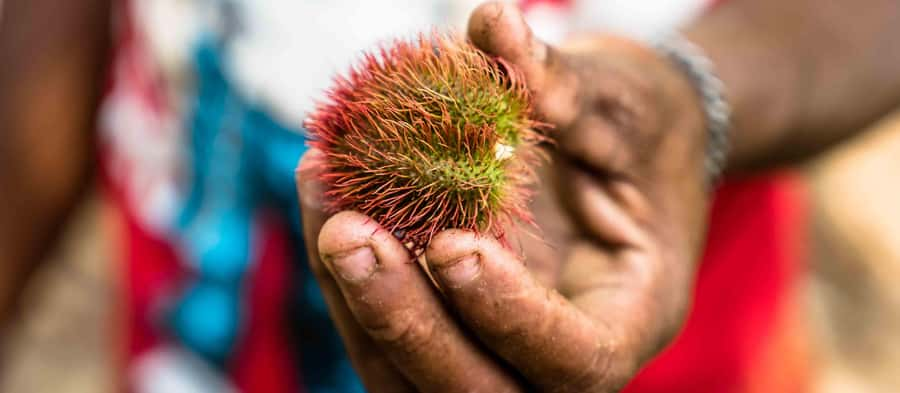
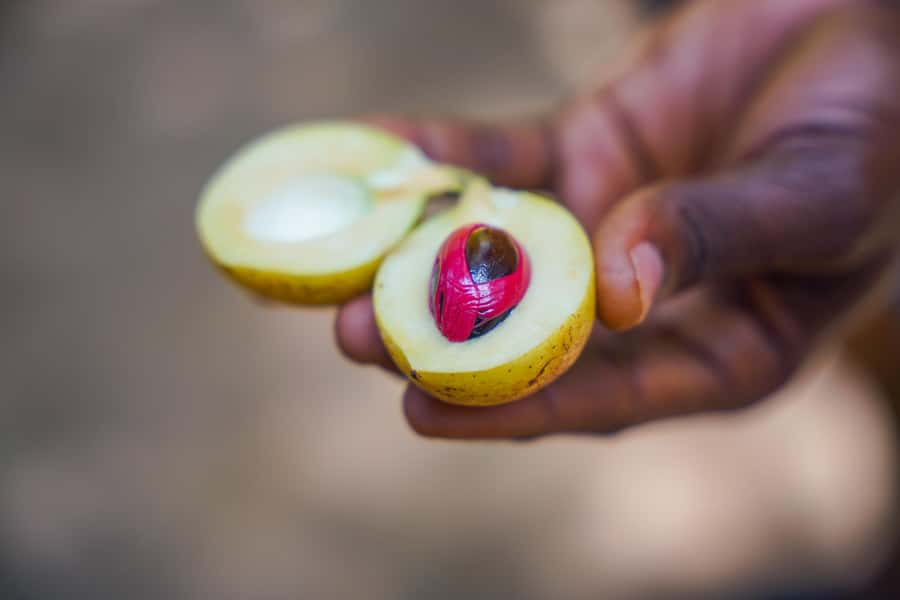
The spice demonstrations are the heart of the outing. Your guide explains the culinary and medicinal uses of the plants, then gives you the chance to smell and taste them. The range is broad enough to make the visit feel varied rather than focused on cloves alone.
You can expect attention to spices and herbs such as:
- Cinnamon
- Vanilla
- Nutmeg
- Cloves
- Lemongrass
- Ylang-ylang
- Cumin
- Ginger
- Pepper
- Tamarind
- Chili
You may already use several of these at home, but the farm setting adds useful context. Ginger and chili are familiar in the kitchen. Vanilla is familiar in desserts. Cloves are closely associated with Zanzibar’s spice trade. At the farm, the guide explains their uses in a way that links the plant, the aroma, and the finished dish.
This is also a good outing for families and curious eaters. The tasting element gives children something active to do, while adults can focus on the cultural and agricultural background. People who enjoy cooking will likely get the most from it, since the explanations connect directly to flavor and food preparation.
The guide’s role matters here. English, Italian, German, French, and Russian are available, so you can select a language that lets you follow the explanations comfortably. No individual guide names are provided, but the guide is expected to explain the plants, their uses, and their place in Zanzibar’s history.
Tropical fruit tasting in the countryside
The fruit tasting gives the tour a second flavor track. Along with spices, you may try mangoes, passion fruit, avocado, papaya, local grapefruit, bananas, pineapples, and other tropical fruit.
This part is more than a snack stop. Fruit helps show how the island’s climate supports a wide range of food crops, not just export spices. It also gives you a chance to compare familiar fruit with produce grown in Zanzibar’s own setting.
Availability can change with the season, so do not expect every fruit named above on every visit. The important point is the variety and the opportunity to taste fruit in the same rural setting where it is grown.
I like this combination because it keeps the outing from becoming too narrow. If you are not a serious spice enthusiast, the fruit tasting adds another reason to enjoy the farm visit. It also gives the pace some variety before lunch.
A few more things to do in Kendwa worth a look
- Full-Day Private Stone Town +Spice Farm and Prison Island Tour
★ 4.5 · 216 reviews - Zanzibar: Stone Town & Spice Farm Tour with Lunch
★ 4.5 · 97 reviews - Zanzibar:Stone Town & Spice Farm Private Tour Lunch Included
★ 4.2 · 94 reviews - Zanzibar full day Jozani forest + Spice farm and stone town
★ 4.7 · 90 reviews
A traditional Zanzibar lunch at the farm
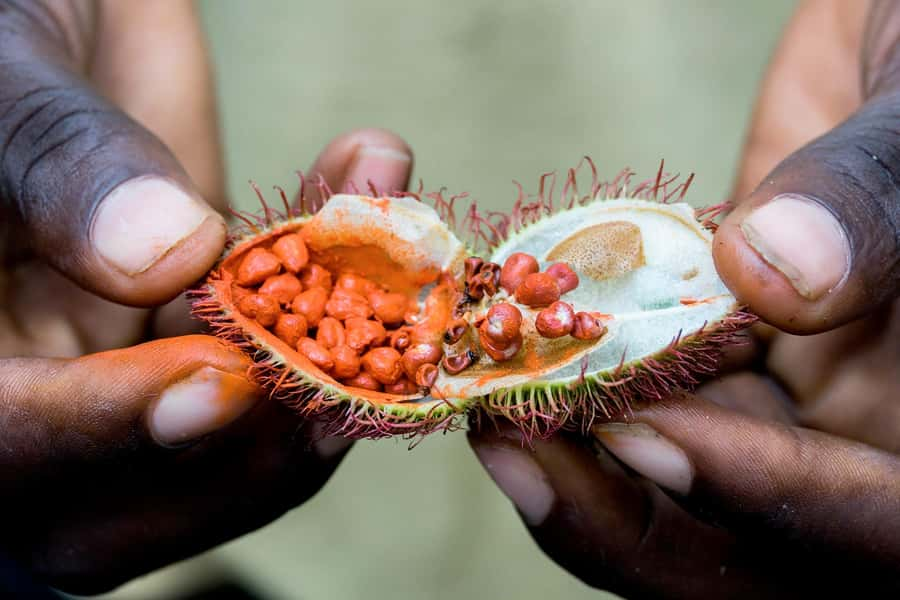
Lunch is included and is cooked in a local kitchen. The meal is traditional Zanzibar cuisine, seasoned with local herbs and spices. This is a strong part of the package because it turns the earlier explanations into something you can taste in a complete dish.
A spice tour can sometimes feel like a long list of plants. Lunch gives the plants a practical purpose. After learning about ginger, cloves, chili, or other seasonings, you can notice how local cooking uses those flavors together.
The meal is described as a Swahili-style spread, but no fixed menu is provided. Do not book this expecting to choose from a restaurant menu or receive a detailed list of dishes in advance. The attraction is the local kitchen and the connection between the farm and the food.
If you have dietary restrictions, ask before booking or before departure. The available information does not confirm vegetarian, vegan, allergy, or other special meal arrangements. That is a small but important planning point.
What the $60 price covers
At $60 per person, the tour offers a useful bundle. The price includes hotel pickup and drop-off, a local lunch, bottled water, taxes, fuel surcharges, and service fees. You are not paying the advertised price and then discovering several required extras at the end.
The value depends partly on where you are staying and how much you would otherwise spend arranging transport to rural Unguja. A private taxi, lunch, and a separate farm visit could cost more, while a very short local excursion might cost less. With transport and food already included, $60 is reasonable for a full farm-based outing.
The meal matters to the value calculation. You are not only paying for a guided walk. You are also getting a local dining experience, fruit tasting, and an explanation of spice uses and history.
The package does not state the tour duration or group size. That makes it harder to predict how leisurely the stops will feel. A smaller group would make questions and tastings easier, but you should not assume a private tour unless that is confirmed at booking.
Pickup, languages, and one important caution
Hotel pickup and return are included, and most of the available feedback describes the transport as well organized. That is a real benefit in Zanzibar, where arranging a reliable ride to a rural farm can add time and cost.
Still, one serious complaint reports a missed hotel pickup, unanswered emails, and a phone number that was not assigned. The same complaint says another contact did not have the reservation. This is too specific to ignore, even though the overall rating is strong at 4.6 from 18 ratings.
My advice is simple: confirm the pickup time, hotel name, and working contact details shortly before the tour. Save the confirmation and do not rely only on an old email or a number supplied at the last moment. This is especially wise if you have a flight, cruise departure, or another paid activity later that day.
The language choice is a plus. English, Italian, German, French, and Russian are offered. Pick the language in which you can best follow explanations about plants, food, and local history.
Who will get the most from this tour
I would recommend this outing to you if you want a cultural break from beach time without committing to a full-day historical program. It suits curious eaters, home cooks, families, and anyone who likes to learn through taste and smell.
It also works well for first-time visitors who want a broad introduction to Zanzibar. In one outing, you get the countryside, farms, local food, tropical fruit, village life, and a basic explanation of the island’s role in the spice trade.
You may want to skip it if you dislike plant-focused visits or prefer tightly timed sightseeing at major monuments. The tour is built around explanation, tasting, and rural contact. It is not a high-speed list of landmarks.
You should also consider your expectations about shopping. Buying spices as gifts is part of the appeal, but the available details do not specify prices, packaging, or how much time is set aside for purchases. Bring room in your luggage, but do not count on a particular product or bargain.
Buying spices for the journey home
A spice purchase can be one of the most useful souvenirs from Zanzibar. Small packets are easier to pack than bulky crafts, and they carry a direct connection to the farm visit.
Take a moment to check what you are buying, how it is packaged, and whether you can bring it into your home country. Customs rules differ, and the tour information does not give advice about import limits.
The buying stop should not be the only reason to book. The farm walk, explanations, fruit, and lunch are the main experience. Think of the spices as a practical extra, especially if you like cooking or want gifts that do not feel generic.
My booking advice
This is a good-value Zanzibar excursion if you want more than a beach day and prefer food, farming, and local context over formal sightseeing. The strongest features are the many spice varieties, the chance to taste tropical fruit, and the included Swahili lunch cooked at the farm.
I would book it if the $60 price fits your budget and you are happy with a rural, sensory outing whose exact timing and group size are not specified. Before committing, confirm the pickup details directly and make sure your dietary needs can be handled.
Book this tour for a flavorful introduction to Zanzibar, not for a grand historical tour or a polished attraction. If you like learning with your nose, hands, and appetite, it should earn a place in your itinerary.
FAQ
Where does the spice tour take place?
The tour takes place in the Unguja South Region of Tanzania, in rural areas of Zanzibar.
How much does the experience cost?
The price is $60 per person.
What spices can I expect to see?
The tour can include cinnamon, vanilla, nutmeg, cloves, lemongrass, ylang-ylang, cumin, ginger, pepper, tamarind, chili, and other spices and herbs.
Can I taste tropical fruit?
Yes. The experience includes freshly picked tropical fruit such as mangoes, passion fruit, avocado, papaya, local grapefruit, bananas, and pineapples. The exact selection may vary.
Is lunch included?
Yes. A local lunch at the farm is included. It consists of traditional Zanzibar cuisine cooked in a local kitchen with local herbs and spices.
Is hotel transportation included?
Yes. Pickup from your hotel and drop-off after the tour are included.
Is bottled water included?
Yes. A bottle of water is included.
Which languages are available?
Guiding is available in English, Italian, German, French, and Russian.
Are taxes and service fees included in the price?
Yes. Taxes, fuel surcharges, and service fees are included.
Can I cancel for a full refund?
You can cancel up to 24 hours in advance for a full refund.
Just added in Kendwa
- Zanzibar jetski Adventure Tour★ 4.9 · 6 reviews
- ZANZIBAR: BLUE SAFARI TOUR WITH LUNCH★ 5.0 · 3 reviews
- Zanzibar: African Sunset Boat Party in Zanzibar Music, Views★ 4.3 · 3 reviews
- sunset dow cruise at kendwa beach★ 4.7 · 3 reviews
- Zanzibar: Sunset Dhow Cruise★ 4.2 · 15 reviews
- Stone Town, Jozani Forest, Sea Turtles & The Rock Restaurant★ 4.8 · 14 reviews
- Nungwi and Kendwa: Sunset Cruise Dhow★ 3.7 · 3 reviews
- Nungwi: Mnemba Atoll Dolphins Tour with Snacks | Half-day★ 4.0 · 7 reviews
Spice Farm Tours, compared.

Stone Town, Spice Tour, Prison Island with Lunch
Read our review →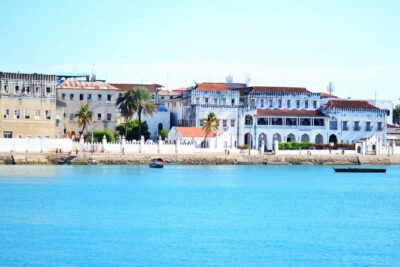
Full-Day Private Stone Town +Spice Farm and Prison Island Tour
Read our review →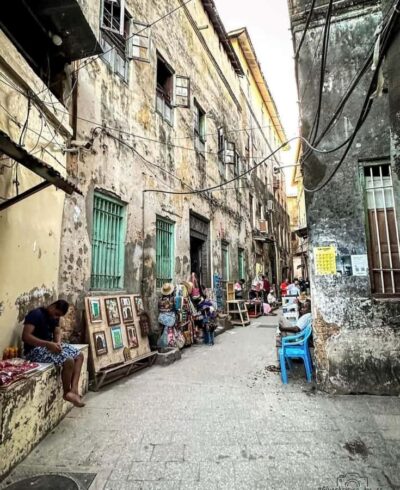
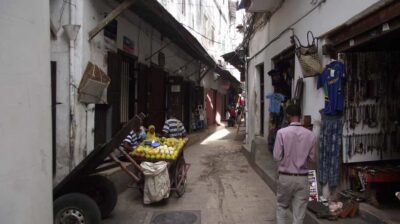

The Swahili Spice Experience – Spice Tour + Culinary Journey
Read our review →
Zanzibar full day Jozani forest + Spice farm and stone town
Read our review →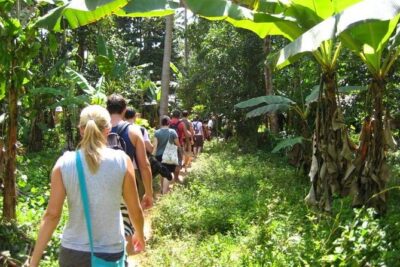

Browse the lists this tour appears in