
Reviewed · HISTORICAL TOURS
Arusha: Cultural Heritage, Tanzanite Tour
Tanzanite is the star here. Found only in Tanzania, this blue-violet stone gives the tour a local focus that goes beyond a standard city outing. You will also see African art and meet craftspeople who turn recycled materials into useful, handmade goods.
I like the Cultural Heritage Centre for its mix of sculpture, masks, paintings, and objects from across Africa. I also like the visit to the local foundation, where the work has a clear human and environmental purpose. The main consideration is that anyone focused only on buying Tanzanite may find the art and foundation visits less central than the jewelry stop.
Key points to know before booking
- Tanzanite is found only in Tanzania, and a specialist explains how it is mined, processed, and set into jewelry.
- The Cultural Heritage Centre covers many forms of African art, from traditional masks and artifacts to contemporary paintings and sculpture.
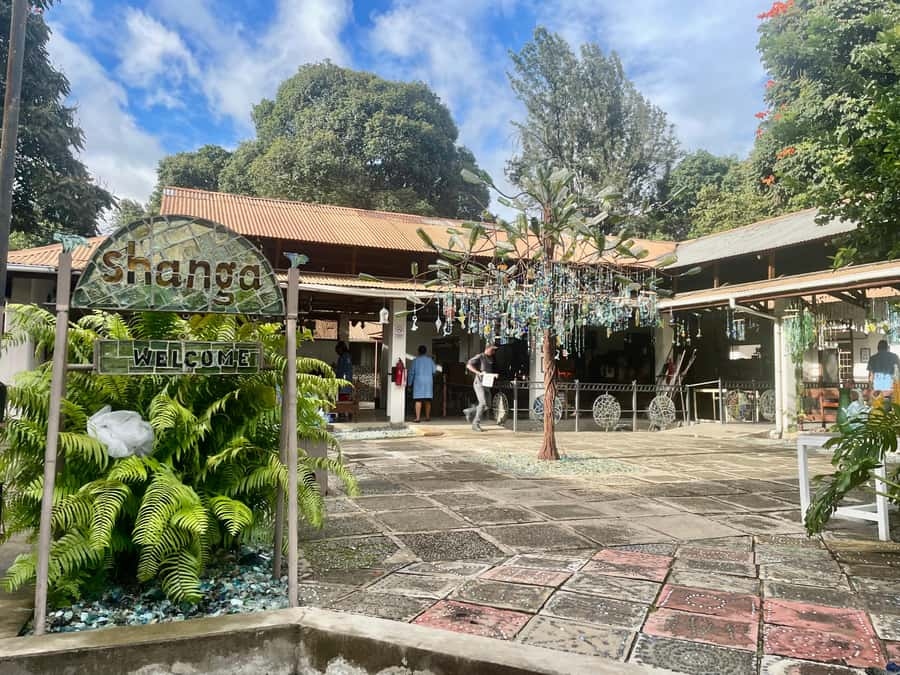
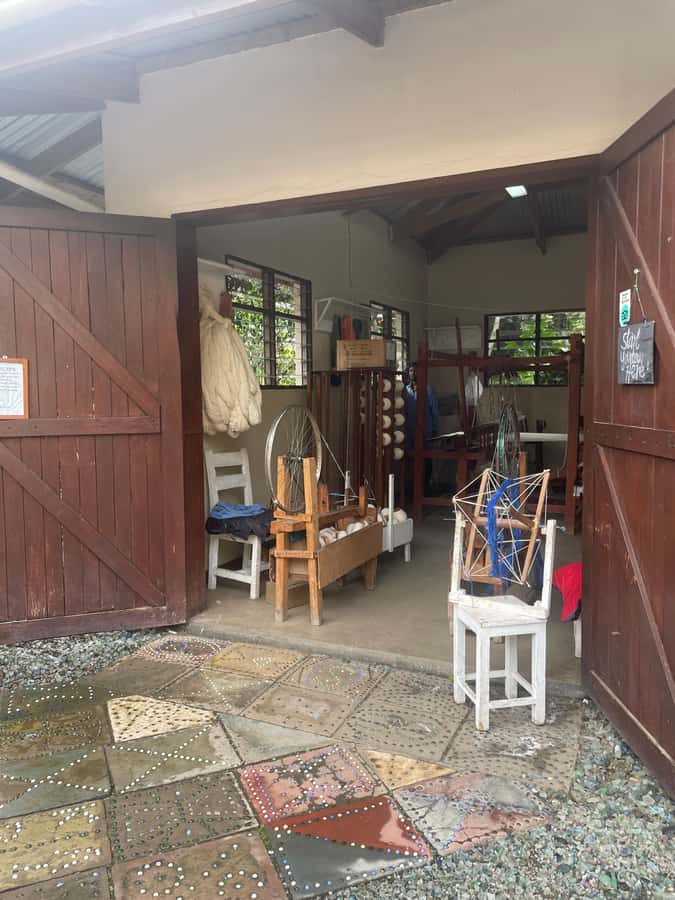
- The local foundation adds a personal side to the tour, with artists with disabilities making jewelry, blankets, and household items from recycled materials.
- Hotel pickup and drop-off in Arusha are included, which makes this an easy add-on to a city stay.
- English and Swahili are available, and refreshments and entry fees are part of the $29 price.
- The tour suits art lovers and shoppers for distinctive gifts, but it is less suited to anyone seeking a wildlife outing or a long historical tour.
Why Tanzanite gives this Arusha tour its focus
Many Arusha activities point you toward wildlife, but this one looks at what Tanzania creates and sells. Tanzanite gives the day a clear local identity. It is not simply another stop at a jewelry shop, since the program explains the stone from mine to finished piece.
That matters if you are considering a purchase. A blue stone can look attractive in a display case, but learning how it is mined and processed gives you useful context before you spend money. The specialist explains what makes Tanzanite unusual in scientific and cultural terms, then connects that story to finished jewelry.
You should still treat the jewelry portion as a chance to learn and browse, not as an obligation to buy. The tour information promises an explanation of the stone and its transformation into jewelry, but it does not specify prices, quality grades, or a required purchase. If you are shopping, ask questions and take your time.
The three posted ratings for this experience are five stars, with the strongest praise aimed at the friendly guide, the clear information, and the unusual mix of art and shopping. That fits the tour well. It is a social, easygoing cultural outing rather than a formal academic lecture.
More of the history on foot in Arusha:
- Arusha Guided Walking City Tour, Culture, Lifestyle & History
★ 5.0 · 150 reviews - 4 Days Wildlife Safari and Cultural Experience in Tanzania
★ 5.0 · 23 reviews - Materuni Waterfalls & Coffee making Cultural Tour | BURIGI CHATO SAFARIS LTD
★ 5.0 · 15 reviews
Starting at the Cultural Heritage Centre
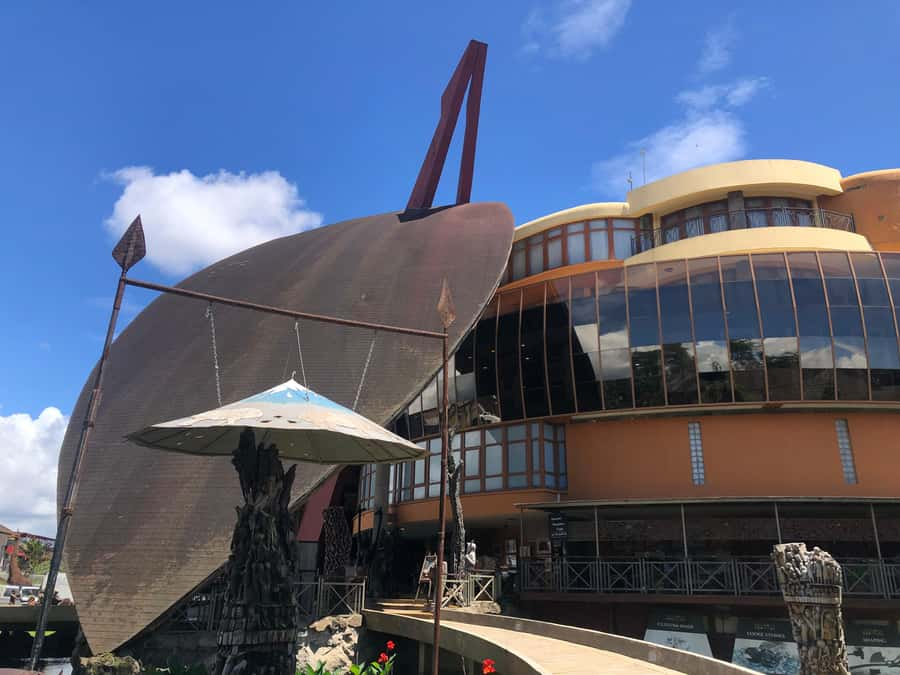
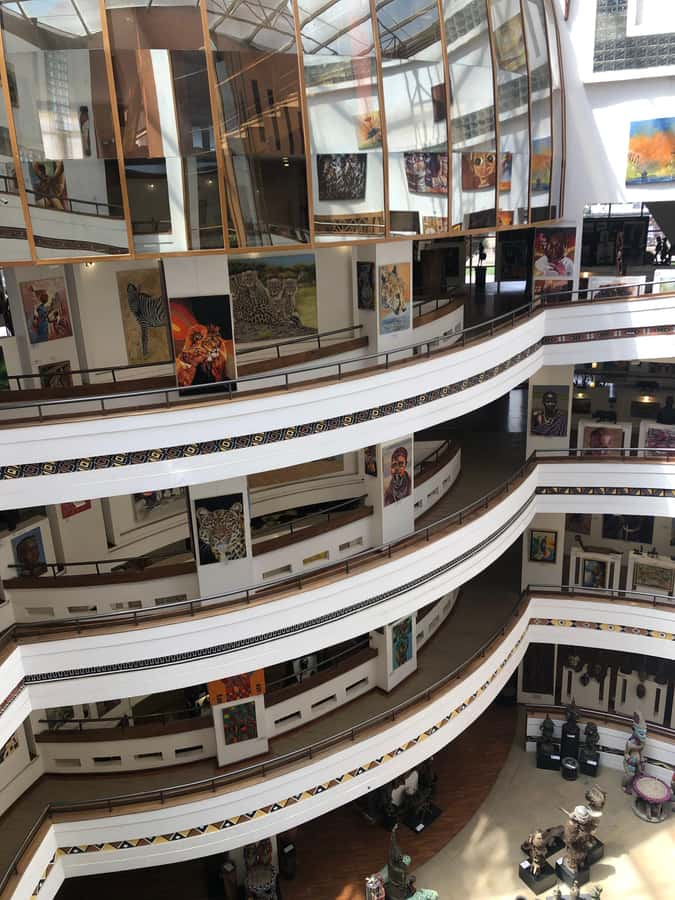
The Cultural Heritage Centre is the broadest stop on the route. You will walk through galleries devoted to African culture, with contemporary and traditional work displayed in a purpose-built setting.
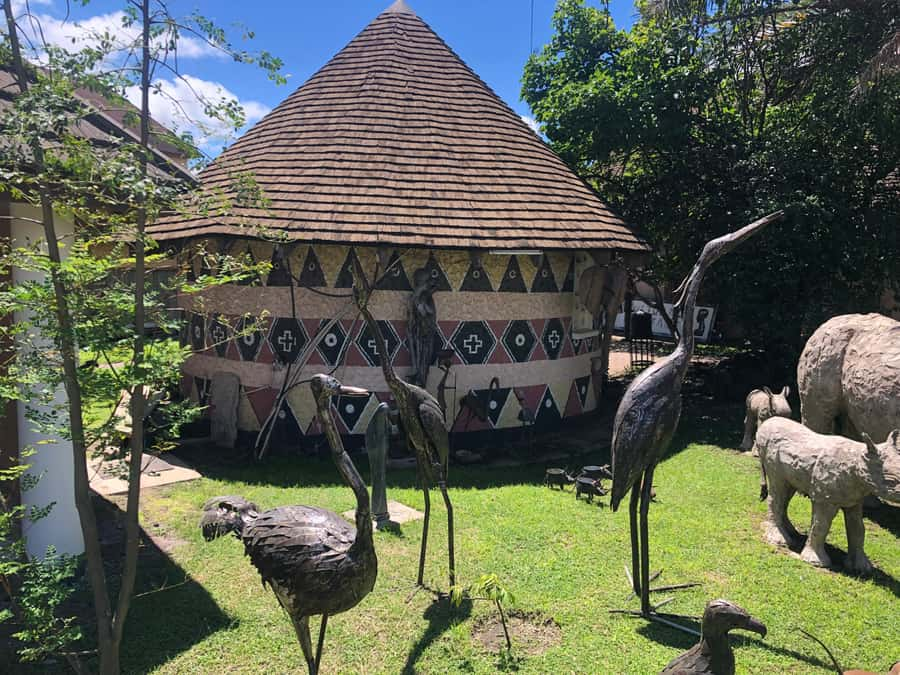
Expect to see sculptures, masks, paintings, and artifacts from different parts of the continent. That range is useful because it keeps the visit from feeling like a single-theme gallery. You can compare modern artistic work with objects tied to older cultural traditions, though the available information does not identify particular artists or regions for each display.
I like starting here because it gives you a visual introduction before the more specific Tanzanite presentation. You begin with Africa as a place of many artistic traditions, then narrow the focus to one material from Tanzania. The order makes sense: art first, local gemstone second, handmade community work last.
Allow yourself time to look carefully. A fast walk through masks and sculpture can turn the centre into little more than a shopping stop. If you like African art, this is likely to be the part that earns the $29 price on its own, especially since admission is included.
The center also works well for visitors who want gifts but do not want only standard tourist items. You will find a setting filled with art rather than a quick roadside stall. Still, the tour description does not give a detailed list of shops, artists, or specific pieces available for purchase, so you should think of the visit first as a cultural introduction.
Learning how Tanzanite becomes jewelry
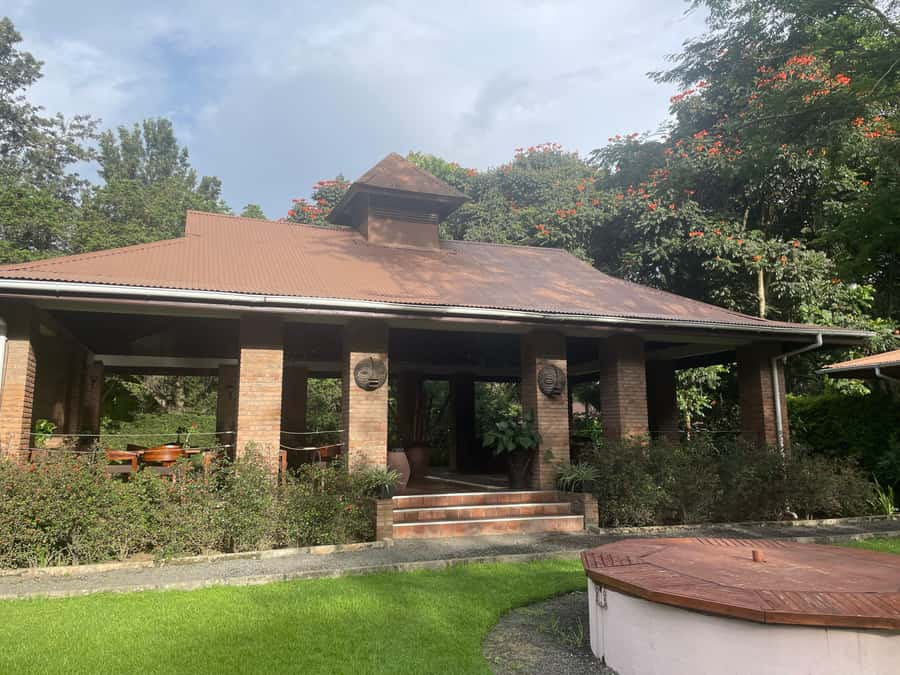
The Tanzanite section provides the clearest subject lesson of the day. A specialist explains the gemstone’s path from mining through processing and into finished jewelry.
Tanzanite is one of the world’s rarest gemstones and is found only in Tanzania. That local connection makes it more meaningful than a generic jewelry demonstration. You are learning about a product tied directly to the country you are visiting.
The presentation also covers what makes the stone distinctive from both a scientific and cultural point of view. The supplied information does not name the specialist or give technical details about color grades, treatments, carat weight, or certification, so do not expect a full professional gemology course.
You can, however, expect a useful foundation for understanding what you see in the showroom. If you are tempted by a ring, pendant, or other piece, listen closely to the explanation, then ask about the stone and the finished item before deciding. The activity is well suited to someone who wants shopping to come with context.
This stop also gives the guide a chance to connect local geology, craftsmanship, and commerce. The tour is not only showing you a pretty blue stone. It explains why Tanzanite has such a strong place in Tanzania’s cultural and economic story.
Meeting artists who work with recycled materials
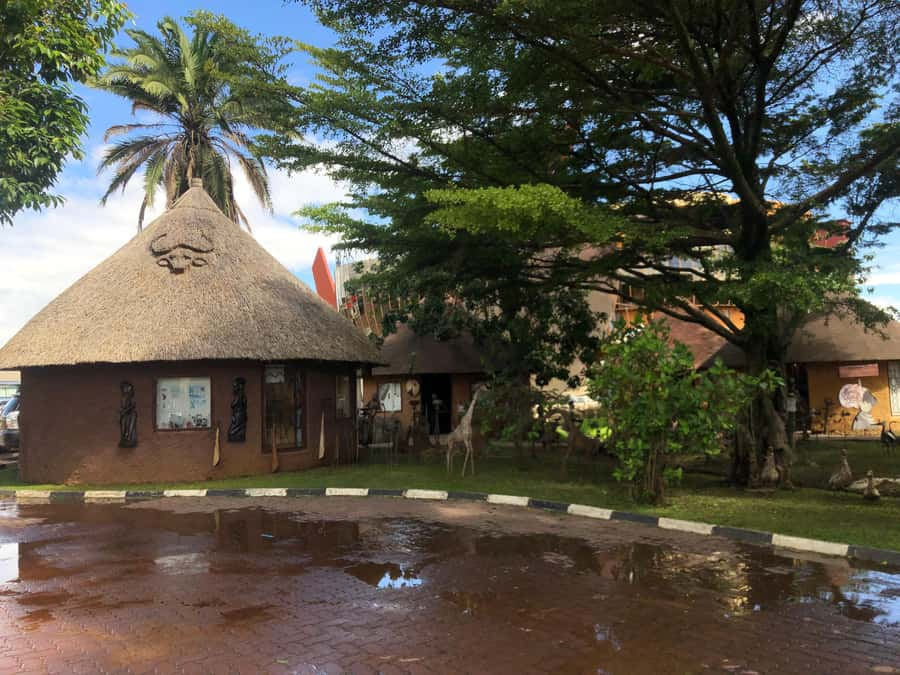
The final visit brings the tour back to people and practical creativity. At a local foundation, individuals with disabilities make handcrafted items from recycled materials.
You may see jewelry, blankets, and household goods. The point is not just the finished product. You meet the artists and learn their stories, which gives the stop a more direct human connection than a display of anonymous souvenirs.
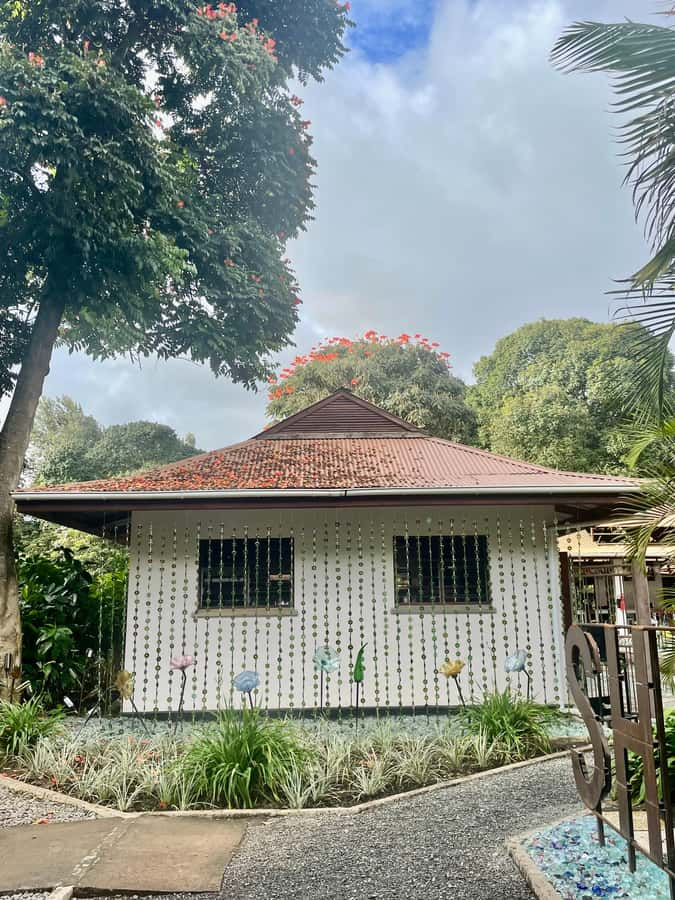
I find this part especially valuable for shoppers who want a gift with a clear local connection. The work combines creativity with reuse, so your purchase, if you choose to make one, can represent both craft and sustainability. The tour does not state what items cost or whether every item is available for purchase, so ask on site rather than assuming.
This visit also broadens the meaning of culture. African art is not limited to museum pieces or expensive sculpture. It can include useful objects made by local people, with skill and purpose behind them. That makes the foundation a good counterpoint to the polished galleries and jewelry presentation earlier in the day.
Do not expect a large production demonstration unless the schedule provides one. The description promises a visit, meetings with artists, and an explanation of their stories and work. It does not promise that you will make an item yourself.
Same base, a different kind of day out:
- Serengeti Balloon Safari and authentic bush breakfast
★ 5.0 · 2,480 reviews - Balloon Safari & Bush Breakfast in Serengeti – Miracle Experience
★ 5.0 · 1,646 reviews - Tanzania Classic – 7 Days
★ 5.0 · 1,151 reviews - 4 Days Group Camping Safari
★ 5.0 · 1,101 reviews
What the $29 price covers

At $29 per person, this is a strong-value option if you want several cultural stops in one outing. Hotel pickup and drop-off in Arusha remove the need to arrange separate transport, while entry fees and refreshments are included.
That bundled price matters most for visitors with limited time. Instead of arranging a gallery visit, a jewelry presentation, and a community craft visit on your own, you have one guided plan connecting all three.
The value is less clear if you are interested in only one subject. A dedicated art collector may want more time at the Cultural Heritage Centre. A serious jewelry buyer may prefer a longer, specialist-led gem consultation. Someone mainly interested in community projects may want a more extended visit at the foundation.
For most people, though, the mix is the point. You get art, a Tanzanian gemstone lesson, and a look at handmade recycled goods without paying separate admission at each stop. Refreshments are also included, which is a small but useful detail during a full cultural outing.
The tour is offered by Uhuru Adventures. No group size or exact duration is provided, so I would not book it expecting a specific pace or a private experience unless that is confirmed before payment.
The guide and the pace of the day
The guide is an important part of this experience. The strongest praise centers on a personable guide who makes the day informative and interesting, and on how much participants learn about Tanzanite.
English and Swahili are available. That makes the outing practical for international visitors as well as people who prefer to experience the city with a Swahili-speaking guide.
Because the program includes three different settings, the guide has to keep the day moving while giving each stop enough attention. The Cultural Heritage Centre calls for time to browse. The Tanzanite section benefits from clear explanations. The foundation works best when you can listen to the artists rather than rush through their work.
Specific guide names are not provided, so you cannot request a named guide from the information available. You can still expect a guide-led experience rather than a self-guided series of admissions.
The reviews praise the guide’s friendly manner, which is worth noting. A tour involving art, jewelry, and personal stories can feel stiff if the guide simply recites facts. Here, the human side appears to be part of the appeal.
Who will enjoy this experience most
I would recommend this tour to art lovers, first-time visitors to Arusha, and anyone who wants a cultural break from safari planning. It also suits shoppers looking for distinctive gifts instead of ordinary mass-produced souvenirs.
It is a good match if you like variety. In one outing, you move from galleries to gemstones to a working foundation. You are not asked to spend the day on one narrow topic.
Families and mixed-interest groups may also find the format useful, though no age guidance is provided. One person can focus on sculpture, another on Tanzanite, and another on handmade goods. The different stops give the day several points of interest.
I would be more cautious about booking if you want a detailed archaeology tour, a full city history lesson, or a long visit with one artist. None of those is the main purpose here. The experience is about seeing, learning, meeting people, and shopping selectively.
Bring a camera, as requested. You should also bring an open mind about buying. The tour gives you access to art and handmade goods, but you do not need to purchase something at every stop to make the day worthwhile.
Practical details that make the day easier
Hotel pickup and drop-off in Arusha are included, so provide accurate hotel details when you reserve. The experience takes place in the Arusha region, but no exact pickup time or tour duration is stated.
All entry fees are included. Refreshments are also provided, which means you do not need to plan the day around finding a café between stops, though the available details do not specify what refreshments are served.
The activity can be reserved with payment later, allowing you to hold a place without paying at the time of booking. You can cancel up to 24 hours in advance for a full refund. Those terms are useful if your Arusha plans may change, especially around a larger Tanzania itinerary.
The tour is priced per person at $29. Since the package includes transport within Arusha, admission, refreshments, and a guide, it offers more than a simple gallery entry. Confirm the exact schedule and group details if those factors matter to you, since they are not specified.
Should you book the Arusha Cultural Heritage and Tanzanite Tour?
Book it if you want an affordable, guided introduction to Arusha’s art, Tanzanite, and local craftwork. The best reasons are the included hotel transfers, the specialist explanation of a gemstone found only in Tanzania, and the chance to meet artists with disabilities who use recycled materials.
I would especially choose it for a free day before or after a safari. It gives you a different view of Tanzania, one based on creativity, trade, and personal stories rather than wildlife.
Skip it if you want a dedicated gem-buying consultation, a long museum visit, or a tour built around Arusha’s wider history. For everyone else, $29 buys a useful blend of culture and shopping, with enough variety to suit a mixed group and enough local focus to feel worthwhile.
FAQ
How much does the tour cost?
The tour costs $29 per person.
What is included in the price?
Hotel pickup and drop-off in Arusha, all entry fees, and refreshments are included.
Which languages are available?
The tour is available in English and Swahili.
Where does the tour visit?
It visits the Cultural Heritage Centre, a Tanzanite presentation, and a local foundation where individuals with disabilities make handcrafted items from recycled materials.
What will I learn about Tanzanite?
A specialist explains how Tanzanite is mined, processed, and made into jewelry, along with what makes the stone scientifically and culturally distinctive.
What should I bring?
Bring a camera.
Can I cancel the booking?
You can cancel up to 24 hours in advance for a full refund. You can also reserve and pay later, so no payment is required at the time of booking.
Just added in Arusha
- 4 Days Private Midrange Lodge Safari to Serengeti & Ngorongoro★ 5.0 · 4 reviews
- Extraordinary Hot air Bolloon ride in Serengeti | BURIGI CHATO SAFARIS CO L.T.D★ 5.0 · 6 reviews
- 8 Days Serengeti Migration safari★ 5.0 · 11 reviews
- 3 days leopard safaris★ 5.0 · 4 reviews
- tarangire, ngorongoro & lake manyara park 3 days private tour★ 5.0 · 11 reviews
- Mt. Kilimanjaro: Shira plateau to Cathedral point 3872m Day hike★ 5.0 · 7 reviews
- serengeti, ngorongoro & tarangire 4 days private tour★ 5.0 · 18 reviews
- tarangire & ngorongoro 2 days tour★ 5.0 · 14 reviews
Historical Tours, compared.
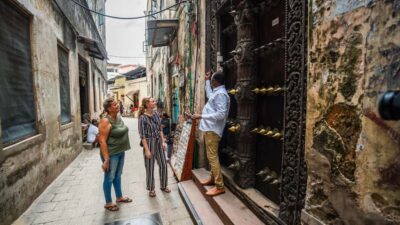
Stone Town Historical Cultural Walking Guided Tour
Read our review →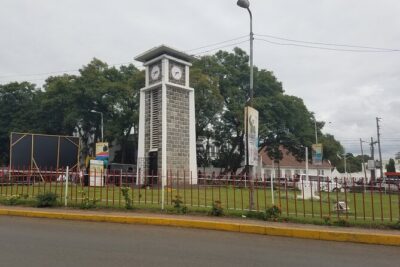
Arusha Guided Walking City Tour, Culture, Lifestyle & History
Read our review →
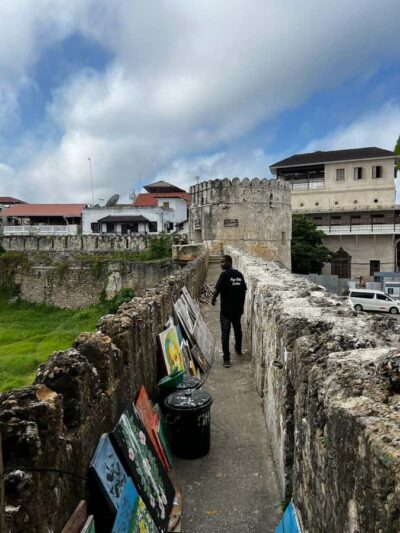
Stone Town’s Hidden History: Private Guided Walking Tour
Read our review →
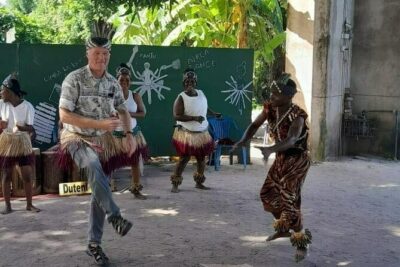
The Best/Top Rated Cultural City Tour in Dar es Salaam
Read our review →
Mamas of Zanzibar – A Unique Cultural & Culinary Experience
Read our review →
Stone Town Guided Tour: Culture, Slave Market & Spice Market
Read our review →Browse the lists this tour appears in