
Reviewed · CAMPING & LODGE SAFARIS
4-Day Group Joining Safari in Tanzania | Shared Safari
Tarangire’s giant baobabs and large elephant herds make a strong opening to this four-day Tanzania safari. From there, you head into the Serengeti for two days, then finish in Ngorongoro Crater, where a 600-meter descent brings you close to an impressive range of wildlife in a compact setting.
I like the small maximum group of seven, which should make a shared safari more personal and give you a better view from the vehicle. I also like the route itself: Tarangire offers elephants and baobabs, the Serengeti gives you time on open plains, and Ngorongoro adds a final concentrated wildlife stop. Driver Beni has been singled out for knowing where animals appear.
The main drawback is the amount of driving. The Serengeti leg covers about 200 kilometers and the return toward Ngorongoro about 210 kilometers, with several hours listed as transit rather than game viewing. This is a fast four-day circuit, not a slow, single-park safari.
Key points before you book
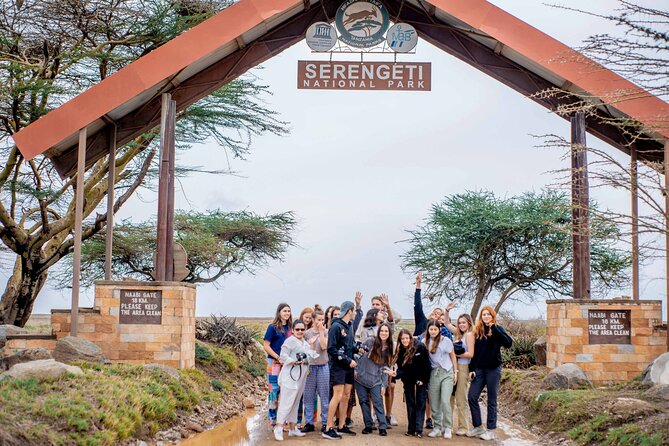
- Three major safari areas: Tarangire National Park, Serengeti National Park, and Ngorongoro Crater all fit into four days.
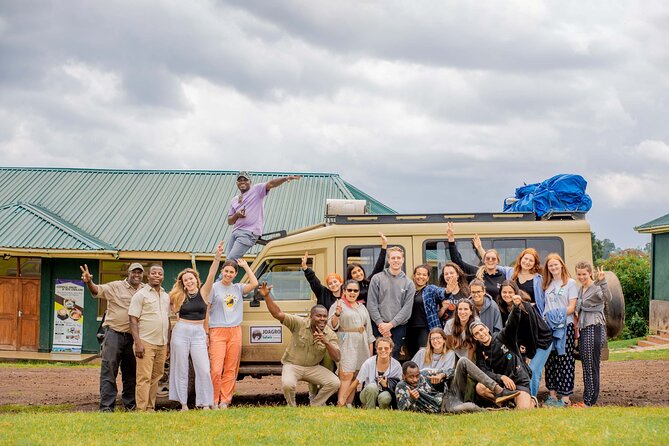
- Up to seven people: The shared vehicle has a smaller stated maximum than many budget group safaris.
- Two Serengeti days: Day two takes you to the Seronera area, followed by an early start and a full wildlife day on day three.
- A strong elephant stop: Tarangire is known for its large elephant population, baobab trees, and dry, open scenery.
- A 4.8 rating from six listed reviews: Praise centers on organization, food, lodging, animal spotting, and value.
- $998 per person: The price needs to be weighed against park access, transport, accommodation, meals, and the distance covered in only four days.
Why this route works in four days
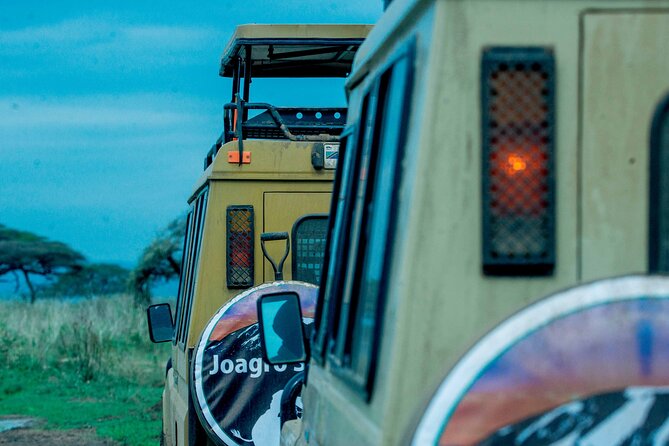
This trip gives you three different safari settings without requiring a long stay. Tarangire is the warm-up, the Serengeti is the main event, and Ngorongoro Crater brings the route back toward Arusha with one final wildlife outing.
That variety is the chief reason to choose it. You are not spending all four days in one park hoping conditions suit you. Instead, you get elephants and baobabs in Tarangire, the huge open plains of the Serengeti, and the crater’s enclosed wildlife area.
The tradeoff is pace. This is a shared safari designed to cover famous northern Tanzania highlights quickly. You should be comfortable with long road sections, early starts, and full days in a safari vehicle. The listed schedule includes roughly eight to ten hours for several days, though some of that time is transport rather than wildlife viewing.
The group limit of seven matters here. A small vehicle group can make departure coordination easier and reduce the crowded feeling that comes with a large bus. It may also give you a better chance of seeing through an open window or sharing sightings without a large audience around you.
Other park itineraries that start in Arusha:
- Serengeti Balloon Safari and authentic bush breakfast
★ 5.0 · 2,480 reviews - Balloon Safari & Bush Breakfast in Serengeti – Miracle Experience
★ 5.0 · 1,646 reviews - 4 Days Group Camping Safari
★ 5.0 · 1,101 reviews
Day 1: Elephants and baobabs in Tarangire
The first morning begins after breakfast, with a stop in Arusha for any last-minute purchases before heading to Tarangire National Park. The park lies about 130 kilometers from Arusha, and the itinerary allows three to four hours for non-game-viewing travel.
Tarangire is best known for elephants and baobab trees. Its dry vegetation, acacias, and scattered baobabs create a very recognizable northern Tanzania setting. The park also sits within a wider seasonal movement area that can include thousands of elephants, wildebeest, and zebra.
That seasonal pattern gives Tarangire more depth than a simple first stop. Wildlife numbers and locations can change, but the park remains especially appealing if elephants are high on your list. The scenery is also different from the wide grasslands you will see later in the Serengeti.
The day is listed at about eight hours, including the drive and park time. That makes it a useful first safari day, but do not expect every hour to be spent searching for animals. The road from Arusha and the park transfer take a meaningful share of the schedule.
The supplied information describes this as a luxury safari in one place and a shared safari in another. I would treat it as a small-group safari with a value-focused structure, rather than assume a high-end private trip. Ask Joagro what accommodation level, meals, and vehicle setup are included before paying, since those details are not fully spelled out here.
Day 2: Crossing the highlands into the Serengeti
Day two takes you from breakfast toward Serengeti National Park, with about 200 kilometers of driving and two to three hours listed for non-game-viewing travel. The route passes through the higher farmland around Karatu and the Ngorongoro Conservation Area before descending toward the Serengeti.
This transition is part of the appeal. You move from cultivated highland scenery into the open country associated with the Serengeti. The park is famous for its broad plains, but the route also brings you to the Seronera area in central Serengeti, a key zone because the Seronera River provides an important water source.
The plan is to arrive in time for lunch, then spend the afternoon on a game drive. That afternoon timing can work well, since you are not simply arriving at camp after a long road day. You still get a proper first look at the park.
Seronera is described as one of the stronger wildlife areas in the park. The river draws animals, and the central position makes it a sensible base for a short visit. Two nights or two days around the Serengeti are valuable on a four-day trip because the park is too large to understand through a single quick drive.
Still, this is the longest-feeling day in terms of movement. You will spend several hours in transit, and the overall day is listed at about ten hours. If you want relaxed mornings and long time at camp, this schedule may feel demanding. If you want to reach the Serengeti without adding extra nights, the compromise is reasonable.
Day 3: An early Serengeti wildlife day
The third day starts very early so you can be out around sunrise. You then spend the day searching for animals, with the schedule running to late afternoon or evening and lasting about nine hours.
The early start is not a minor detail. Dawn is one of the main reasons safari schedules begin before breakfast or just after it. The itinerary specifically frames this as a day focused on the migration and animal searching, so you should expect a long outing rather than a short morning drive.
The word migration needs a little care. The Serengeti’s great animal movement changes location through the year, and no fixed date is provided here. You may find migration activity in the area, but the tour does not state a particular month or guarantee a crossing or a certain herd location.
What you can expect is a full day in central Serengeti, with time to search for the wildlife that makes this park so famous. The two consecutive Serengeti days are one of the tour’s best design choices. If an animal sighting is quiet in one area, you have another day to work with. If conditions are good, you are not forced to leave after a single outing.
The schedule also puts a premium on the driver. Beni is specifically praised for locating animals, a useful quality when you are working within a short stay. A good guide can make a difference in how much you see, but wildlife remains unpredictable. You should approach the day ready for both rewarding sightings and stretches of open-road searching.
Food is another positive point in the information provided. One account specifically praises the cook and says the meals were very good. Another notes a lodge with a good range of tasty food. Since the exact meal plan is not listed in detail, confirm whether meals are prepared by a cook, served at lodges, or split between both.
Other safaris people book out of Arusha:
- 5 Days Group Camping Safari
★ 5.0 · 730 reviews - 3 Days Serengeti & Ngorongoro Group Camping Safari
★ 5.0 · 574 reviews - 7-Day Premium Luxury Tanzania Safari All-Inclusive
★ 5.0 · 426 reviews - 3-Day Classic Serengeti Safari
★ 5.0 · 263 reviews
Day 4: Inside Ngorongoro Crater
After an early breakfast, you drive about 210 kilometers toward Ngorongoro Crater. The itinerary gives three to four hours for non-game-viewing travel and about ten hours for the day overall.
The crater is more than 600 meters deep and creates a compact wildlife area surrounded by steep walls. That setting is the final contrast of the trip. Instead of the open movement of the Serengeti, you are looking into a contained natural bowl with grassland, water, and a wide range of animals.
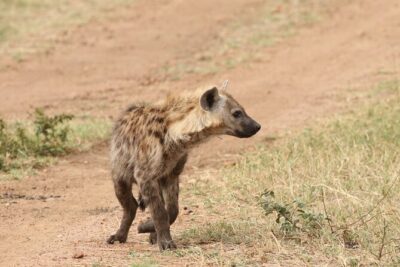
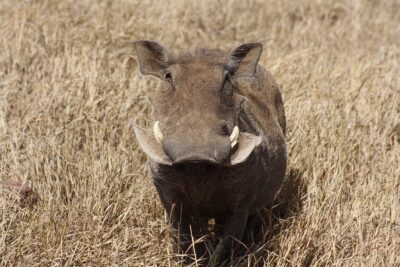
The listed animals include wildebeest, zebra, buffalo, eland, warthog, hippo, and large African elephants. Predators include lions, hyenas, jackals, cheetahs, and the sometimes difficult-to-spot leopard. No safari can promise all of these, but the range explains why the crater is such a popular final stop.
Lake Magadi is also included in the crater visit. It is a large, shallow alkaline lake and can add another visual focus to the drive. The crater floor, lake, open grass, and steep sides give you plenty to look at even between animal sightings.
The big limitation is the return distance. A 210-kilometer transfer after the Serengeti makes this another long day, and the ten-hour schedule confirms it. You will need stamina for an early breakfast, a road transfer, crater viewing, and the trip back toward the meeting point. The benefit is that Ngorongoro gives the safari a strong finish without requiring a separate extra day.
What $998 means in practical terms
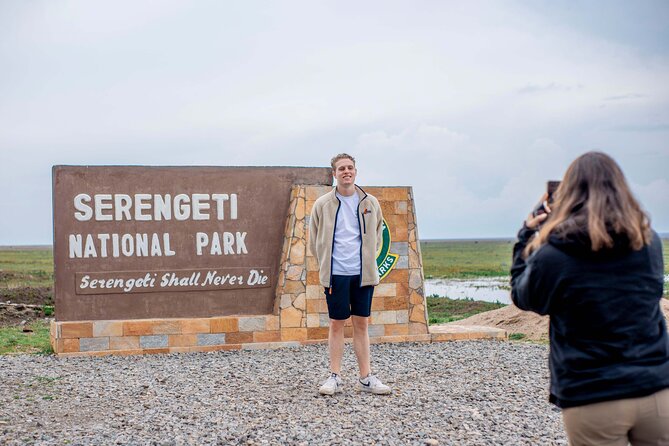
At $998 per person, this is not the cheapest way to see one Tanzanian park, but the price becomes easier to understand when you consider the route. You are covering Tarangire, two days around the Serengeti, and Ngorongoro Crater in a shared group capped at seven people.
The value depends heavily on what is included. The details supplied confirm park visits, pickup availability, a mobile ticket, and a maximum of seven participants. They do not fully spell out the accommodation category, meal schedule, vehicle type, or whether every park fee is included in the displayed price.
That missing information matters. A safari price can change greatly based on where you sleep and how transport is organized. Before booking, ask Joagro for the exact accommodation names, number of nights, meal inclusions, park fees, and the plan for the long transfers.
The positive signs are strong. The experience has a 4.8 rating from six listed ratings, with praise directed at organization, food, lodges, animal spotting, and overall value. Jonas is also praised for clear English communication and for arranging trip details, including additional requests. Those points suggest that planning support is one of the company’s useful strengths.
I would call the price potentially good value for someone who wants the classic northern circuit in a short window. It is less compelling for someone who dislikes long drives or wants a private schedule. A four-day safari cannot offer the same breathing room as a longer trip, but it can deliver the main parks without the cost of a private vehicle.
Pickup, meeting point, and timing
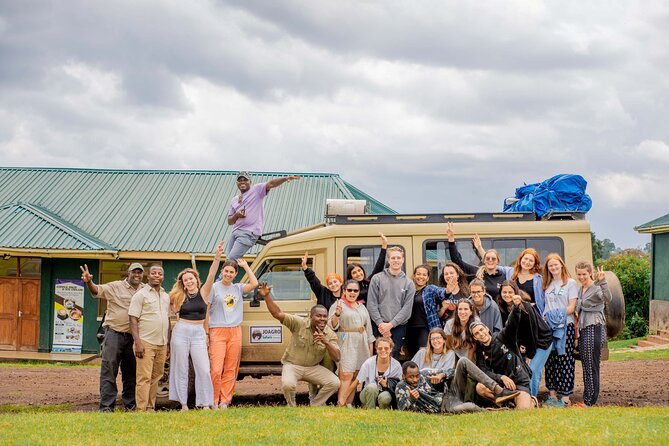
The listed meeting point is the TFA Shopping Center on Sokoine Road in Arusha. The activity ends back at that same meeting point, and pickup is offered.
The stated start time is 12:00 am, which should be confirmed directly with Joagro. That may reflect a system entry rather than the practical breakfast departure described in the day-by-day plan. You do not want to build your arrival or accommodation plans around midnight without checking the exact pickup time.
Confirmation is provided at booking, and most people can participate according to the supplied details. No separate accessibility information is given, so ask the operator directly if you have mobility needs or concerns about long vehicle days.
Free cancellation is available if you cancel at least 24 hours before the local start time. Cancellations or changes inside that window are not accepted for a refund.
Who will enjoy this safari most
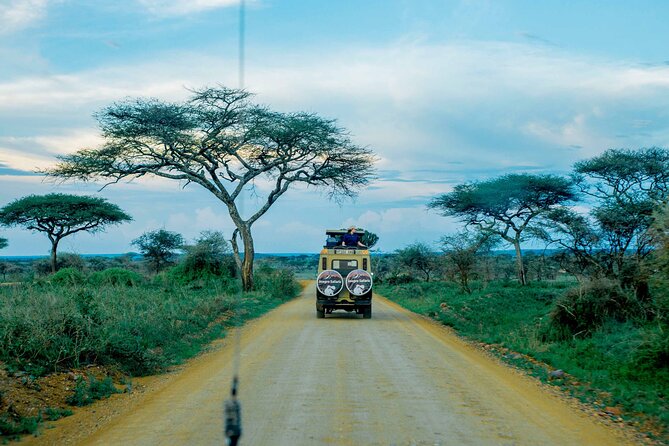
I would choose this trip if you want the major northern Tanzania parks in a compact package and are comfortable sharing the vehicle. It suits first-time safari visitors who want elephants, big cats, plains, crater scenery, and a clear four-day structure.
It is also a sensible option if you value help with planning. Jonas is praised for communication and organizing arrangements, while Beni is praised for locating animals. Food is another area that receives specific positive attention, including good lodge meals and cooking on safari.
You may want a longer or private trip instead if you want quiet mornings, flexible departure times, or more time in one park. The itinerary is full, and the long distances are unavoidable. You will spend several hours on roads, especially while moving between Arusha, Serengeti, and Ngorongoro.
Should you book the Joagro shared safari?
Book it if the appeal is maximum northern Tanzania variety in four days. Tarangire, Serengeti, and Ngorongoro Crater give you three distinct settings, while the group limit of seven keeps the shared format relatively small.
Before confirming, get the missing practical details in writing: accommodation names, meals, park fees, vehicle arrangements, and the true pickup time. If those inclusions match your expectations, $998 can be a fair price for a compact route with strong praise for organization, food, and wildlife spotting.
Skip it if you want a slow safari or dislike long transfers. This is a busy circuit, but for a first look at Tanzania’s best-known parks, it offers a sensible balance of range, time, and cost.
FAQ
How long is the safari?
The safari lasts four days, approximately.
Which parks and wildlife areas are included?
The route includes Tarangire National Park, Serengeti National Park, and Ngorongoro Crater.
How many people can join the shared safari?
The activity has a maximum of seven travelers.
Where does the safari start and finish?
It starts at the TFA Shopping Center on Sokoine Road in Arusha and ends back at the same meeting point.
Is pickup available?
Yes, pickup is offered.
What animals might I see?
The stated wildlife includes elephants, wildebeest, zebra, buffalo, eland, warthog, hippo, lions, hyenas, jackals, cheetahs, and possibly leopards.
Can I cancel for a full refund?
Yes, if you cancel at least 24 hours before the experience start time. Cancellations or changes made less than 24 hours before the start time are not accepted for a refund.
More camping and lodge safaris from Arusha
- 5 Days Camping Tarangire, Serengeti & Ngorongoro crater & Visiting Maasai
★ 5.0 · 229 reviews - 5 Days Best of Tanzania Luxury Safari Northern Circuit
★ 5.0 · 174 reviews - 6 Days Private Budget Safari
★ 5.0 · 163 reviews - 2 Days Tarangire and Ngorongoro Group Camping Safari
★ 5.0 · 146 reviews
Just added in Arusha
- 4 Days Private Midrange Lodge Safari to Serengeti & Ngorongoro★ 5.0 · 4 reviews
- Extraordinary Hot air Bolloon ride in Serengeti | BURIGI CHATO SAFARIS CO L.T.D★ 5.0 · 6 reviews
- 3 days leopard safaris★ 5.0 · 4 reviews
- 8 Days Serengeti Migration safari★ 5.0 · 11 reviews
- tarangire, ngorongoro & lake manyara park 3 days private tour★ 5.0 · 11 reviews
- Mt. Kilimanjaro: Shira plateau to Cathedral point 3872m Day hike★ 5.0 · 7 reviews
- serengeti, ngorongoro & tarangire 4 days private tour★ 5.0 · 18 reviews
- tarangire & ngorongoro 2 days tour★ 5.0 · 14 reviews
Camping & Lodge Safaris, compared.
3 Days Serengeti & Ngorongoro Group Camping Safari
Read our review →
5 Days Best of Tanzania Luxury Safari Northern Circuit
Read our review →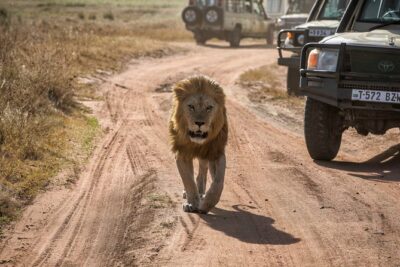
2 Days Tarangire and Ngorongoro Group Camping Safari
Read our review →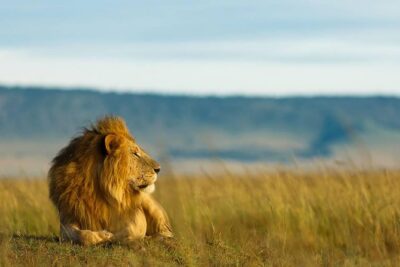
5-Day private Camping Safari Tour in Tanzania
Read our review →
5 Days Tanzania Group Joining Safari, Tarangire/Serengeti/Ngorongoro Crater
Read our review →Browse the lists this tour appears in