
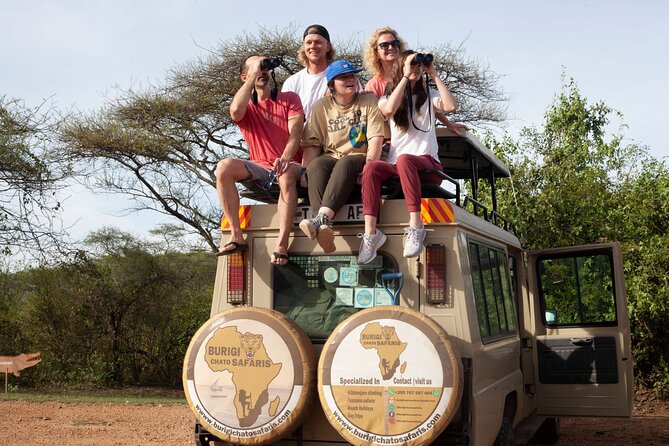
Reviewed · CAMPING & LODGE SAFARIS
4 Days Tanzania Group Joining Safari with Mid-range Accommodation
Tarangire’s giant baobabs and elephant herds set the tone quickly, but the real prize is the route itself: three of Tanzania’s great wildlife areas in four days. You get the broad open plains of Serengeti, the concentrated animal viewing of Ngorongoro Crater, and Tarangire’s dry-country scenery in one shared trip.
I like the social group format, especially for solo visitors, and I like that meals, water, park activities, and mid-range lodging are bundled into the $1,283 price. The tradeoff is time: each day is roughly eight hours, with long road sections and only limited time in each park.
Key things to know before you book
- Tarangire is the elephant specialist: Herds can reach about 300 animals, with baobabs, giraffes, buffalo, oryx, gerenuk, and more than 550 bird species.
- Serengeti gets two game drives: The second day reaches the park, while the third begins with an early drive before continuing toward Ngorongoro.
- Ngorongoro Crater packs in wildlife: The crater floor may bring buffalo, rhino, lion, elephant, leopard, zebra, hippo, hyena, wildebeest, and warthog.
- The price covers the basics that matter: Park fees, guide, meals, drinking water, activities, and three nights of mid-range lodging are included.
- Expect early starts and road time: The tour begins at 6:00 am, and every day is planned as an approximately eight-hour safari day.
- The group may be large: The stated maximum is 200 people, so ask about the expected group size before paying if a small vehicle matters to you.
Three parks, four days, and a lot of road
This is a compact northern Tanzania safari that links Arusha with Tarangire National Park, Serengeti National Park, and Ngorongoro Crater. It is designed for people who want a classic first taste of Tanzania without paying for a private vehicle and guide.
The route is ambitious. You are not spending four leisurely days in one reserve. You are moving from park to park, with drives that connect the wildlife areas and make the most of a short trip. I would see it as a sampler with real game-viewing time, not as a slow photography expedition.
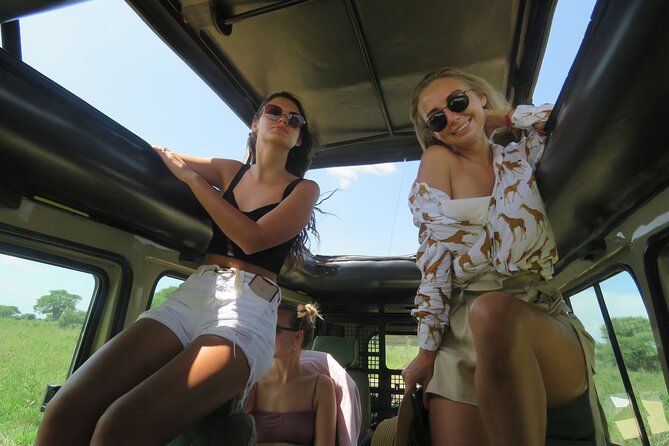
The group format can work well if you are alone or traveling as a couple. You share the vehicle and daily routine with other safari-goers, which can make the trip more sociable and help spread the cost. The advertised maximum of 200 is worth clarifying, though. That may refer to the overall departure rather than one vehicle, but the information does not promise a small group.
Other park itineraries that start in Arusha:
- Serengeti Balloon Safari and authentic bush breakfast
★ 5.0 · 2,480 reviews - Balloon Safari & Bush Breakfast in Serengeti – Miracle Experience
★ 5.0 · 1,646 reviews - 4 Days Group Camping Safari
★ 5.0 · 1,101 reviews
What the $1,283 price really buys
At $1,283 per person, this is not a bare-bones camping trip. The cost includes all fees and taxes, park activities, a professional driver-guide, drinking water, breakfast on three mornings, lunch on four days, and dinner on three nights. Mid-range lodges provide a more comfortable base than basic tent camping, especially after a full day on rough park roads.
You also avoid the extra accounting that can make safari prices hard to compare. Park entry, meals, and water are already part of the package. Alcohol, lodge drinks, souvenirs, insurance, visas, and tips are not included, so leave room in your budget for those items.
The value depends heavily on your priorities. If you want a social trip that covers three famous areas and includes lodging and food, the price is easier to justify. If you want a private vehicle, a precise wildlife schedule, or long stays in one park, you may find the shared format too limited.
Day 1: Tarangire and its elephant country
The first morning begins in Arusha at 6:00 am. You travel to Tarangire National Park, an area of about 2,600 square kilometers, roughly the size of Luxembourg. The park has open savannah, seasonal swamps, and huge baobab trees that give it a look different from the grassier Serengeti.
Tarangire is particularly good for elephants. Herds of up to 300 animals are possible, and the park is known for allowing close views of these large, social animals. You may also see Masai giraffes, buffalo, hartebeest, eland, fringe-eared oryx, and the long-necked gerenuk.
The birdlife is another reason to pay attention here. More than 550 species are recorded in the park, so even a quiet stretch of road can offer something to watch. If you enjoy identifying birds, ask the guide to point out species rather than treating the drive as a search only for large mammals.
The day is listed as approximately eight hours, including the drive and game viewing. That means you should expect a full first day rather than a gentle introduction. After the park, you continue to Mto wa Mbu, near Manyara, for the night at a mid-range lodge.
This arrangement makes practical sense, but it also means Tarangire gets one main visit. If elephants are your top priority, pay close attention during the game drive and keep your camera ready. The schedule does not promise a second chance in the park.
Day 2: Crossing into the Serengeti
After breakfast, you leave Mto wa Mbu and travel through the cooler highland region toward Serengeti National Park. The change in scenery is part of the appeal. The route moves from Tarangire’s baobabs and seasonal wet areas toward the enormous open spaces associated with the Serengeti.
The park includes grass plains, dry savannah, marshy areas, and woodland. That variety supports both prey and predators. Gazelles, impalas, wildebeest, and zebra provide food for lions, leopards, cheetahs, and other hunters.
The annual wildebeest and zebra migration is one of the park’s major draws, but its position changes by season. The herds generally move from northern hills toward southern plains during the short rains in November and December, then head north during the longer rains from April to June. A four-day trip cannot guarantee a migration sighting, and no safari can promise a particular animal.
That seasonal uncertainty is important when you set expectations. You may see spectacular wildlife outside the migration period, and the Serengeti is not only about moving herds. Its predators, kopjes, open grassland, and changing light can make the park rewarding at any time, though the exact experience depends on timing.
Day 2 is another approximately eight-hour day. The road distance matters. You gain access to one of Africa’s best-known parks, but part of the day is spent getting there. I would choose this trip for the overall northern Tanzania route, not for a relaxed single-park stay.
Other safaris people book out of Arusha:
- 5 Days Group Camping Safari
★ 5.0 · 730 reviews - 3 Days Serengeti & Ngorongoro Group Camping Safari
★ 5.0 · 574 reviews - 7-Day Premium Luxury Tanzania Safari All-Inclusive
★ 5.0 · 426 reviews - 3-Day Classic Serengeti Safari
★ 5.0 · 263 reviews
Day 3: An early Serengeti game drive
The third day starts with an early game drive as the sun rises over the plains. This is one of the strongest parts of the schedule because cooler morning conditions can make wildlife activity easier to watch, while the low light can bring out the shape of the kopjes and the wide Serengeti horizon.
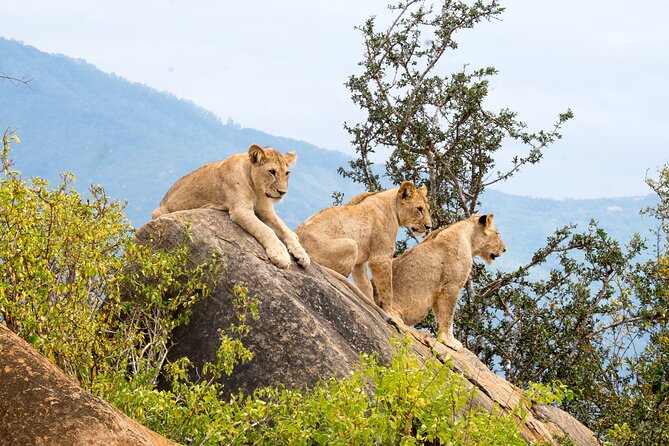
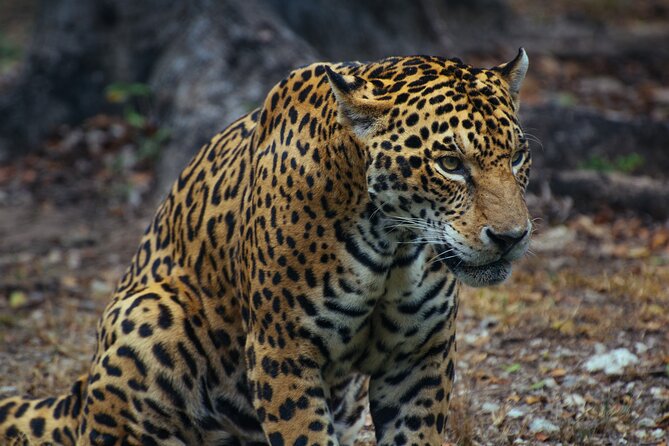
The park has one of Africa’s largest lion populations, along with leopards and cheetahs. Gazelles and impalas are common prey species in the park, and their presence helps explain why predators are such a major part of the Serengeti experience.
After the morning drive, you return to the lodge for breakfast, then leave Serengeti for Ngorongoro. This gives you a second look at the park rather than treating it as only a travel corridor. Still, the schedule is tight. You will not cover every part of the Serengeti in one morning.
The approach to the crater is a memorable change of pace. At the rim, the approximately 600-meter-deep caldera opens below you, with springs and the crater floor visible from above. The night is spent at a lodge on the crater edge, where the sunset view is one of the quieter pleasures of the trip.
A rim lodge can be a practical choice as well as a scenic one. It positions you for the early descent on Day 4, which is important because the crater is the day’s main wildlife stop. Exact lodge names are not provided, so confirm the property and room arrangement if accommodation standards are a deciding factor.
Day 4: Wildlife inside Ngorongoro Crater
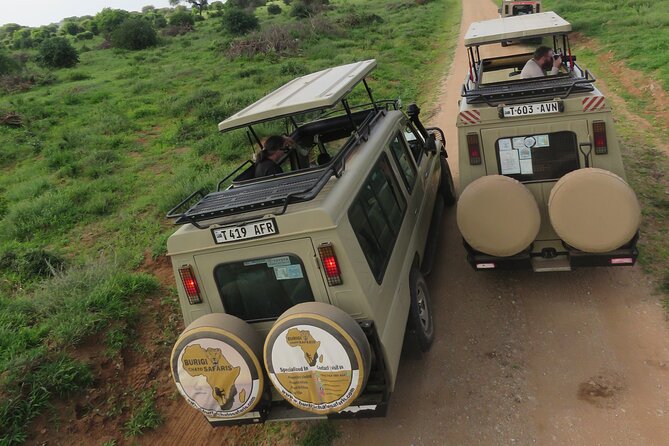
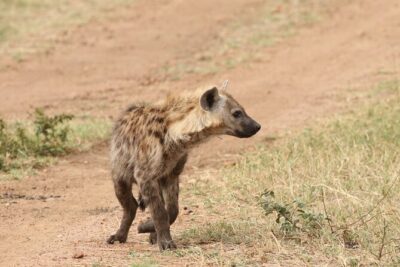
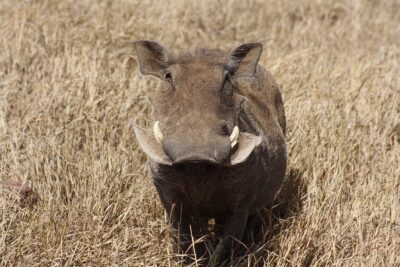
After an early breakfast, you descend by a narrow, steep road to the crater floor. This is a concentrated wildlife day. The crater’s enclosed setting supports a wide mix of animals, and you may see zebras, hippos, hyenas, wildebeest, warthogs, and members of the Big Five.
The Big Five here are buffalo, rhino, lion, elephant, and leopard. Seeing all five is never guaranteed, but the crater gives you a strong chance to look for several of them in a relatively compact area. Rhino sightings are especially meaningful because they are less common than sightings of zebra or buffalo, though conditions and luck still control the outcome.
You have an extensive game drive followed by lunch at a picnic spot. Pack patience along with your camera. Wildlife viewing involves waiting, scanning, and accepting that the most exciting moment may happen after a quiet stretch rather than on schedule.
Later, you leave the crater and return to Arusha. The final day is again about eight hours, so your arrival time can vary with road conditions, park timing, and the pace of the drive. The tour ends back at the original meeting point.
Lodges, meals, and what to pack for the routine
The accommodation is described as mid-range lodge lodging, with three nights included. Breakfast, lunch, dinner, and drinking water are also covered on the stated schedule. That removes much of the daily planning, which is helpful when you are spending long hours in a safari vehicle.
Drinks and beverages at the lodges are extra, as are alcoholic drinks. Bring enough personal spending money for those purchases, tips, souvenirs, and other items. Medical insurance, travel insurance, and a visa are also your responsibility.
The tour offers pickup and a mobile ticket, with Arusha listed as both the starting and ending point. Confirmation is provided at booking, and the activity is near public transportation. Most people can participate, but the long days and steep crater road make this a better fit for people who are comfortable with extended vehicle travel.
Practical packing matters. Bring sun protection, water-friendly layers, and clothing that works for early mornings and warmer daytime conditions. Keep your camera accessible, especially in Tarangire and during the first Serengeti drive. The supplied drinking water helps, but you should still think ahead about personal needs during the road sections.
How the group setup affects your safari
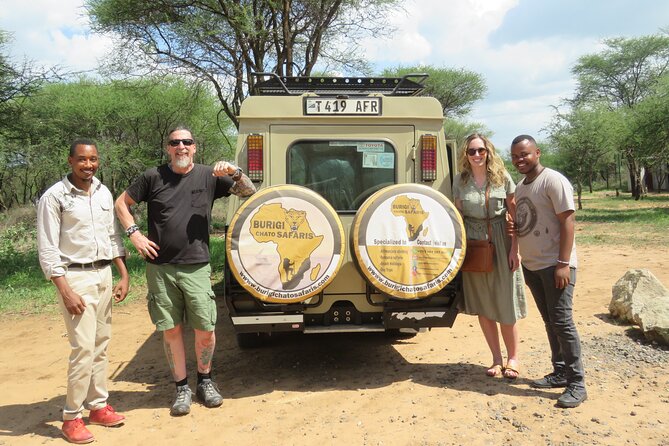
A shared safari lowers the cost and adds a social element. If you are traveling alone, you have built-in company for meals, drives, and wildlife sightings. If you are traveling with a partner, it can be an easy way to meet people without arranging every transport detail yourself.
The possible drawback is flexibility. A private safari lets you set the pace, linger at a sighting, or change the balance between scenery and animals. A group vehicle works by shared agreement and by the guide’s schedule.
The stated maximum of 200 people is large enough that I would ask a direct question before booking: how many people will be in your actual vehicle? The answer matters more than the total departure size. A large vehicle group may mean less room, slower loading, and less freedom to choose where you spend time.
The professional driver-guide is central to the experience. No guide name is supplied, so you cannot choose a particular guide in advance. I would confirm how the group is assigned and what vehicle size is expected if personal space or photography is important to you.
Who should book this four-day route?
I would recommend it most strongly to a first-time safari visitor who wants the major northern Tanzania highlights in a short window. It also suits solo visitors who like meeting people, couples who want a simpler package, and anyone who values included meals and lodging over private control.
It is less suitable if you want a slow photographic safari. Four days means a lot of movement, and the route includes long driving periods. It may also disappoint someone whose only goal is to see the migration at a particular river crossing, since the herds move with the season and the schedule cannot guarantee that sight.
The strongest wildlife emphasis changes by park:
- Tarangire is your best chance for a memorable elephant-focused drive.
- Serengeti offers the biggest sense of open space, predators, prey, and possible migration activity.
- Ngorongoro gives you a concentrated final game drive with a chance to look for the Big Five.
That balance is the reason I find the route appealing. It does not repeat the same type of park three times. Each stop has a different character, even though the short schedule limits how deeply you can explore each one.
Booking details and cancellation risk
The tour begins at 6:00 am in Arusha and returns to the same meeting point. It is usually booked about 49 days ahead, so planning early is sensible if your dates are fixed.
The cancellation rule is strict. The experience is non-refundable and cannot be changed for any reason after booking. If poor weather forces cancellation, you are offered another date or a full refund. Because of that policy, I would avoid booking until your dates, visa, insurance, and other Tanzania plans are settled.
Should you book it?
Book this safari if you want three famous wildlife areas in four days, prefer a shared trip, and value having park fees, meals, water, a guide, and lodge stays bundled into one price. Tarangire’s elephants, Serengeti’s predators, and Ngorongoro’s compact wildlife viewing give you a strong first look at northern Tanzania.
Think twice if you need privacy, a small vehicle, or several days in one park. Before paying, confirm the expected vehicle size, the lodge names, and how the group is organized. If those details suit you, the $1,283 package offers a practical way to reach the classic safari circuit without arranging every piece yourself.
FAQ
Where does the safari start and finish?
It starts in Arusha, Tanzania, at 6:00 am and ends back at the same meeting point.
How long does the safari last?
The experience lasts approximately four days, with each listed day planned for about eight hours.
Which parks are included?
The route includes Tarangire National Park, Serengeti National Park, and Ngorongoro Crater.
Are meals included?
Yes. The package includes three breakfasts, four lunches, and three dinners.
Is drinking water included?
Yes. Drinking water is included on all days.
Are park activities and fees included?
Yes. All fees and taxes and all listed activities are included unless an activity is marked optional.
What is not included in the price?
Tips, personal items, souvenirs, travel insurance, alcohol, visas, medical insurance, and drinks or beverages at the lodges are not included.
Can the booking be canceled or changed?
The experience is non-refundable and cannot be changed for any reason. If poor weather causes the operator to cancel, you are offered another date or a full refund.
More camping and lodge safaris from Arusha
- 5 Days Camping Tarangire, Serengeti & Ngorongoro crater & Visiting Maasai
★ 5.0 · 229 reviews - 5 Days Best of Tanzania Luxury Safari Northern Circuit
★ 5.0 · 174 reviews - 6 Days Private Budget Safari
★ 5.0 · 163 reviews - 2 Days Tarangire and Ngorongoro Group Camping Safari
★ 5.0 · 146 reviews
Just added in Arusha
- 4 Days Private Midrange Lodge Safari to Serengeti & Ngorongoro★ 5.0 · 4 reviews
- Extraordinary Hot air Bolloon ride in Serengeti | BURIGI CHATO SAFARIS CO L.T.D★ 5.0 · 6 reviews
- 3 days leopard safaris★ 5.0 · 4 reviews
- 8 Days Serengeti Migration safari★ 5.0 · 11 reviews
- tarangire, ngorongoro & lake manyara park 3 days private tour★ 5.0 · 11 reviews
- Mt. Kilimanjaro: Shira plateau to Cathedral point 3872m Day hike★ 5.0 · 7 reviews
- serengeti, ngorongoro & tarangire 4 days private tour★ 5.0 · 18 reviews
- tarangire & ngorongoro 2 days tour★ 5.0 · 14 reviews
Camping & Lodge Safaris, compared.
3 Days Serengeti & Ngorongoro Group Camping Safari
Read our review →
5 Days Best of Tanzania Luxury Safari Northern Circuit
Read our review →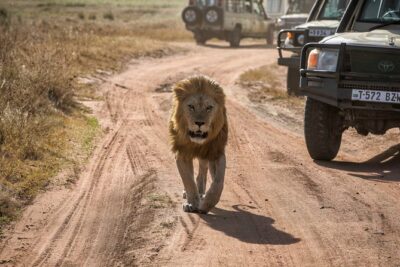
2 Days Tarangire and Ngorongoro Group Camping Safari
Read our review →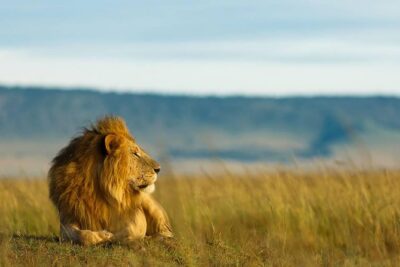
5-Day private Camping Safari Tour in Tanzania
Read our review →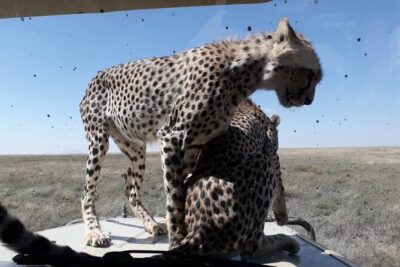
5 Days Tanzania Group Joining Safari, Tarangire/Serengeti/Ngorongoro Crater
Read our review →Browse the lists this tour appears in