
Reviewed · HISTORICAL TOURS
Arusha: City Walking Tour Historic and Modern Highlights
Arusha’s best stories are found at street level, not behind a safari lodge gate. This three-hour walk takes you from Soko Kuu Central Market to the Clock Tower and a former German fort, with food samples and artisan stops along the way.
I like the chance to see ordinary city life before or after a safari, and I like that a local guide can explain small details you might otherwise miss, from plants and trees to market goods. Guides such as Elia have been praised for taking time with questions and showing how Arusha works day to day.
The main drawback is the walking itself. This is not a good fit for wheelchair users or people with mobility impairments, and the sun can be strong, so bring water, a hat, sunscreen, and sensible shoes.
Key points
- Soko Kuu comes first: See produce, spices, crafts, and the daily rhythm of Arusha’s central market.
- The Clock Tower has a geographic story: The monument marks Arusha’s position between Cairo and Cape Town.
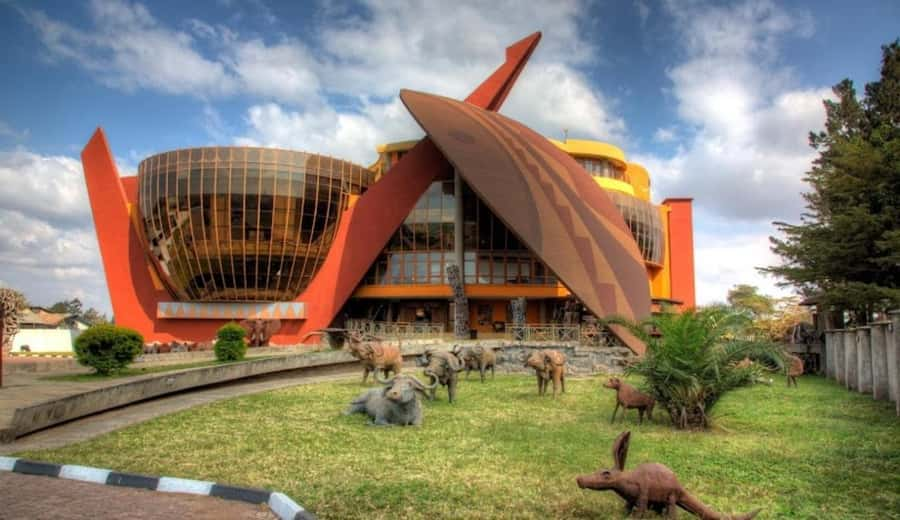
- A museum visit adds context: The Natural History Museum occupies a German colonial fort and covers human evolution and local cultures.
- Food is part of the walk: Traditional Tanzanian snacks are included, though full meals and drinks are not.
- Artisans make the city personal: Look for beadwork and fabrics while speaking with local craftspeople.
- The guide matters: English-speaking guides, including Elia on some departures, can turn a simple stroll into a useful introduction to Arusha.
Why a walking tour makes sense in Arusha
Arusha is often treated as a launch point for safari. You arrive, sleep, and leave for the national parks. That is a shame if you have a spare morning or afternoon, because the city gives you a quick look at everyday Tanzania: shopping, food, transport, craftwork, and public landmarks all packed into a manageable area.
This tour lasts three hours, long enough to cover several important stops without turning into a full-day commitment. I see it as a good first activity in Arusha. It helps you get your bearings and gives you context for the people, plants, foods, and materials you will encounter elsewhere in the country.
The tour is also useful if you have already visited a safari park and want something less arranged. You will not be watching wildlife here. You will be watching people buy vegetables, artisans work with beads, and a city carry on with its business.
Hotel pickup and drop-off are included, which adds value at the $45 price. You are paying not only for a guide and a planned route, but also for a simpler start and finish in a city where first-time visitors may not know where to begin.
Other guided walks in Arusha:
- Arusha Guided Walking City Tour, Culture, Lifestyle & History
★ 5.0 · 150 reviews - 7-Day Private Tanzania Safari with Sunset Walking on the Crater Rim and Maasai
★ 5.0 · 40 reviews - 4 Days lodge safari Tarangire , Ngorongoro crater & Walking
★ 5.0 · 39 reviews
Soko Kuu and the real rhythm of the city

The Central Market, known as Soko Kuu, is likely to be the most lively part of the walk. Stalls carry fresh produce, spices, handmade crafts, and other goods used in daily life. This is where the tour moves from sightseeing to observation.
Your guide can help you understand what you are looking at and how the market fits into Arusha’s daily routine. That matters because a market can be hard to read on your own. You may see rows of unfamiliar foods without knowing what they are, how they are used, or why certain products appear together.
Keep your pace relaxed. A market visit is more rewarding when you have time to notice colors, smells, voices, and small exchanges rather than rushing from one stall to the next. Your guide may also point out local plants and trees, an extra detail specifically associated with Elia’s style of guiding.
This is not presented as a private shopping trip, so personal purchases are your responsibility. Personal expenses are not included. If you see something you want, ask your guide about it first, especially when an item is unfamiliar or the price needs explaining.
The market can also be the least polished part of the experience. Expect a working commercial space, not a quiet museum. Crowds, uneven walking surfaces, and strong smells may be part of the setting, which is precisely why comfortable shoes and a bit of patience matter.
The Clock Tower and Arusha’s place on the map
The Clock Tower Monument is one of Arusha’s best-known landmarks. Its appeal is not architectural grandeur so much as its geographic story: it symbolizes the city’s position halfway between Cairo and Cape Town.
That detail gives the stop a useful sense of place. Arusha is not simply a stop on a safari route. It has a central role in the movement of people and goods across northern Tanzania, and the Clock Tower helps explain why the city has become such a familiar meeting point.
Your guide can provide the local framing that a quick photograph cannot. Ask questions here. The tour is designed around conversation, and previous participants have valued guides who took time to answer everything from basic city questions to details about local life.
The stop is brief compared with the market and museum, but it works as a visual marker. You can connect the city’s streets to the wider region, then continue on foot rather than viewing Arusha through a vehicle window.
Inside the Natural History Museum’s old fort

The Natural History Museum is housed in a German colonial fort, giving the visit a physical setting that is as important as the displays. The museum covers human evolution and local cultures, making it a useful counterpoint to the market’s focus on present-day life.
The human evolution material adds a broader view of Tanzania’s place in the story of our species. The local culture displays then bring the subject back to the people and traditions of the area. Together, those themes give the tour more substance than a simple city stroll.
I like this stop because it helps connect what you see outdoors with a longer timeline. Market goods, craft techniques, and local customs do not appear out of nowhere. A museum cannot explain every detail, but it can give you a framework for asking better questions during the rest of your trip.
Do not expect a large museum visit within the three-hour schedule. The tour needs to keep moving, and the museum is one part of a wider route. If you want to study every display at length, you may need more time than this activity allows.
The former fort also adds a reminder of the colonial period. The tour description identifies it as German colonial architecture, but the visit is not described as a full colonial-history lesson. Think of it as a compact museum stop with useful historical context.
Same base, a different kind of day out:
- Serengeti Balloon Safari and authentic bush breakfast
★ 5.0 · 2,480 reviews - Balloon Safari & Bush Breakfast in Serengeti – Miracle Experience
★ 5.0 · 1,646 reviews - Tanzania Classic – 7 Days
★ 5.0 · 1,151 reviews - 4 Days Group Camping Safari
★ 5.0 · 1,101 reviews
Tanzanian snacks and artisan-made color
Traditional snacks are included, while full meals and drinks are not. That distinction is important. You should arrive ready to walk, but do not treat the snack tasting as lunch.
Food samples give you a simple way to connect with local culture. Instead of only hearing about Tanzanian life, you get to taste something associated with it. If you have dietary concerns, the available information does not specify ingredients or alternatives, so ask before sampling.
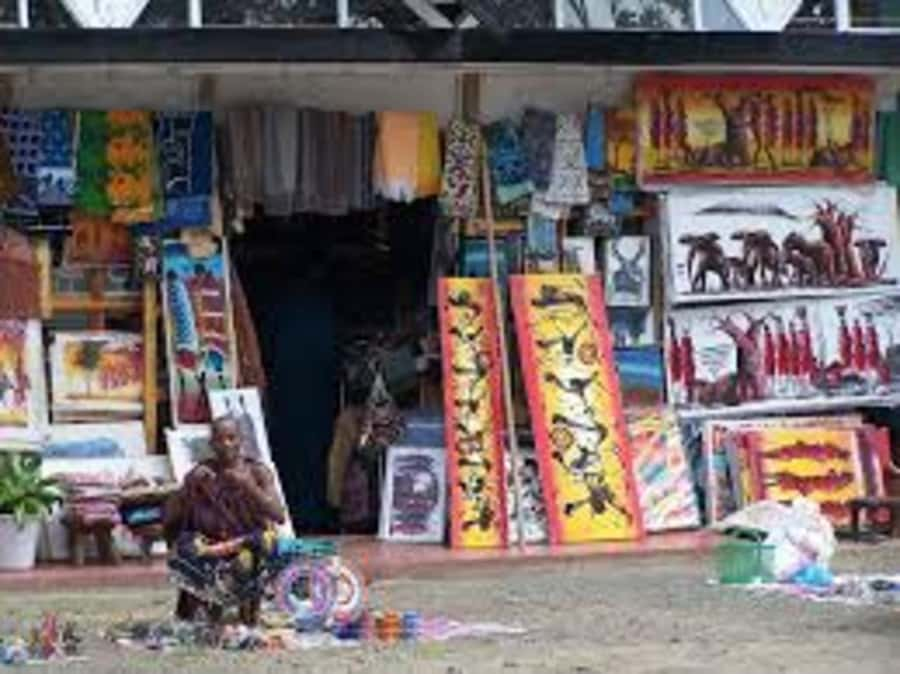
The artisan portion of the walk focuses on beadwork and fabrics. These are not just attractive souvenirs. They show the time and handwork behind objects you may see in shops or markets across Tanzania.
The chance to interact with local artisans is one of the stronger parts of the experience. You can watch how materials are handled, ask questions, and understand that handmade goods are connected to skill and income, not just decoration.
Bring a camera if you want to record the colors and patterns, but be considerate when photographing people or their work. The tour includes interaction, not an automatic right to photograph every person or stall. Your guide can help you handle those moments politely.
If you plan to buy beadwork or fabric, set aside money for personal expenses. The $45 covers the tour, but it does not cover purchases, meals, or drinks.
What the guide adds to the three-hour route
The guide is the key variable in a city walk. The route itself is useful, but the experience depends on how well someone connects the places together.
The strongest feedback has centered on guides who are friendly, patient, and willing to explain everyday details. Elia has been singled out for showing ordinary life in Arusha, explaining local plants and trees, and giving people time to ask questions. That is exactly the kind of guiding that makes a city tour worthwhile.
The official tour language is English. If you want a history lecture packed with dates, this may not be the right expectation. The description and available feedback point instead toward a conversational introduction to Arusha, with explanations added as you walk.
Ask direct questions. What does a certain market product do? How is a fabric made? What is a snack called? Why is the Clock Tower important? A good guide can shape the walk around your curiosity, and the strongest experiences here appear to come from that give-and-take.
The activity has a 4.5 rating from 12 reviews, with several five-star scores praising the guide and the interest of the city tour. One three-star score suggests that the walking tour itself may not impress everyone equally. That is fair: the value comes from attention, interpretation, and conversation rather than from a single spectacular sight.
Comfort, heat, and the practical side of walking
Wear comfortable walking shoes and light clothing. You will move through city streets and market areas, so sandals or shoes that are difficult to walk in could become tiresome before the three hours are over.
Sun protection is not optional advice. Bring a hat, sunscreen, and water. A camera is also listed as useful, especially for the Clock Tower, market scenes, fabrics, and beadwork.
Smoking is not allowed on the activity. The tour is not suitable for wheelchair users or people with mobility impairments. The available information does not describe the exact route surface, so anyone with limited mobility should treat this restriction seriously rather than assume the walk will be easy.
Hotel pickup and drop-off make the outing simpler. Starting from your accommodation means you do not have to arrange separate transport to the first stop, and the return helps you continue with your day without finding your way back across the city.
The tour lasts three hours, but starting times depend on availability. Check the time before booking, particularly if you are coordinating a safari departure, airport transfer, or another activity.
Is $45 a fair price?
At $45 per person, this is not the cheapest way to spend three hours in Arusha. You could walk around on your own for less. But the comparison is not quite fair, because an independent walk would not include hotel transport, a planned route, snack samples, an English-speaking guide, or introductions to local artisans.
The price makes the most sense for first-time visitors who want an easy introduction without spending a full day. It also suits people staying in Arusha before a safari and anyone who prefers to learn through conversation rather than simply photographing landmarks.
Value depends heavily on the guide. A patient guide who explains plants, market life, local customs, and craftwork can make the fee feel reasonable. A rushed walk with little explanation would offer less. The positive scores from people who praised the guide suggest that this is an important part of the purchase decision.
You should also budget for anything beyond the included snack tasting. Meals, drinks, and personal expenses are not included. The tour itself gives you an introduction, not a complete food tour or shopping excursion.
Free cancellation is available up to 24 hours before the activity for a full refund, and you can reserve now and pay later. Those policies are useful if your safari schedule is still changing.
Who should book this Arusha walk?
I would recommend it to first-time visitors who want to understand Arusha before heading into the parks. It is also a good match for solo visitors and couples who like asking questions, looking closely at daily life, and meeting people through a guide.
Families with older children may find the mix of market, monument, museum, food, and crafts more engaging than a formal history tour. The walking requirement still matters, especially in the heat.
This is less suitable if you want a quiet, air-conditioned activity, a long museum visit, or a focused shopping tour. It is also not suitable for wheelchair users or people with mobility impairments, according to the activity information.
Should you book the Arusha city walk?
Book it if you have three free hours and want more than a transfer point between airport and safari. The strongest reasons are the Central Market, the museum in the old fort, and the chance to ask a local guide about the details that make Arusha feel like a real city rather than a backdrop.
Choose it with realistic expectations. This is a compact walking introduction, not an exhaustive history tour or a full meal experience. Wear proper shoes, protect yourself from the sun, and take advantage of the guide’s local knowledge. If Elia is leading your departure, you may get the same patient, detail-focused approach that has made his guiding especially memorable.
FAQ
How long does the Arusha walking tour last?
The tour lasts three hours.
What language is the tour conducted in?
The live tour guide speaks English.
What places are included on the walk?
The route includes Soko Kuu Central Market, the Clock Tower Monument, and the Natural History Museum in a German colonial fort. It also includes city streets, artisan interactions, and traditional Tanzanian snack samples.
Is hotel transportation included?
Yes. Hotel pickup and drop-off are included.
Are food and drinks included?
Traditional snack samples are included. Full meals and drinks are not included.
Is the tour suitable for wheelchair users?
No. The activity is not suitable for wheelchair users or people with mobility impairments.
More history and culture tours in Arusha
- 4 Days Wildlife Safari and Cultural Experience in Tanzania
★ 5.0 · 23 reviews - Materuni Waterfalls & Coffee making Cultural Tour | BURIGI CHATO SAFARIS LTD
★ 5.0 · 15 reviews - Maasai Boma Cultural Experience (maasai village tour)
★ 4.5 · 14 reviews - 1 Day Olpopongi Real Maasai Cultural adventurous Trip | BURIGI CHATO SAFARIS LTD
★ 4.5 · 13 reviews
Just added in Arusha
- 4 Days Private Midrange Lodge Safari to Serengeti & Ngorongoro★ 5.0 · 4 reviews
- Extraordinary Hot air Bolloon ride in Serengeti | BURIGI CHATO SAFARIS CO L.T.D★ 5.0 · 6 reviews
- 3 days leopard safaris★ 5.0 · 4 reviews
- 8 Days Serengeti Migration safari★ 5.0 · 11 reviews
- tarangire, ngorongoro & lake manyara park 3 days private tour★ 5.0 · 11 reviews
- tarangire & ngorongoro 2 days tour★ 5.0 · 14 reviews
- Mt. Kilimanjaro: Shira plateau to Cathedral point 3872m Day hike★ 5.0 · 7 reviews
- serengeti, ngorongoro & tarangire 4 days private tour★ 5.0 · 18 reviews
Historical Tours, compared.
Stone Town Historical Cultural Walking Guided Tour
Read our review →
Arusha Guided Walking City Tour, Culture, Lifestyle & History
Read our review →
Stone Town’s Hidden History: Private Guided Walking Tour
Read our review →
The Best/Top Rated Cultural City Tour in Dar es Salaam
Read our review →
Mamas of Zanzibar – A Unique Cultural & Culinary Experience
Read our review →
Stone Town Guided Tour: Culture, Slave Market & Spice Market
Read our review →Browse the lists this tour appears in