
Reviewed · COOKING CLASSES
Cooking Class Tour
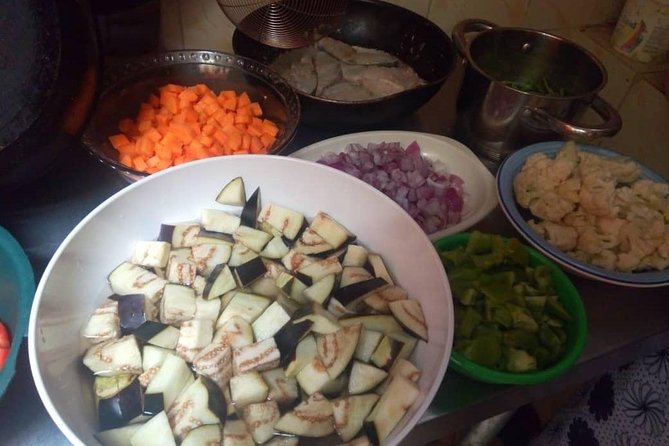
Zanzibar’s food makes the most sense when you help prepare it. This five-hour class takes you from a local market to a kitchen, where a Zanzibari chef shows you how Swahili cooking uses spices, a kitchen knife, and a charcoal brazier. You then sit down to eat the meal you made.
I like the small six-person limit, which gives you a fair chance to handle the ingredients instead of watching from the back. I also like the market stop, since it connects the finished dish to the produce and spices used in everyday cooking. The main caution is that private transportation is not included, and the outdoor portions depend on good weather.
Key points
- Market-first itinerary: Shop for ingredients before cooking, giving the class a useful link between local food and the finished meal.
- Cooking over charcoal: You’ll learn to use a charcoal brazier, an everyday method that adds a practical side to the lesson.
- Personal instruction: Groups are limited to six, so you should receive hands-on guidance from the chef.
- A meal you prepare yourself: Lunch is included, and you eat the dishes made during class.
- Vegetarian-friendly: Vegetarian requests can be accommodated if arranged in advance.
- Stone Town meeting point: The class starts at Tembo House Hotel at 9:00 am and returns there after roughly five hours.
Starting at Tembo House Hotel at 9:00 am
Your day begins at Tembo House Hotel on Shangani Street, near Forodhani Street in Zanzibar’s Stone Town. The meeting point matters because it gives you a fixed place to begin and finish, rather than leaving the final arrangements vague.
Pickup is offered, but private transportation is not included in the listed inclusions. Ask for clear pickup instructions when you book, especially if you are staying outside the immediate Stone Town area. If you are making your own way there, plan to arrive before 9:00 am so the market visit does not start without you.
The total outing lasts about five hours. That is long enough for a market visit, a full cooking lesson, and a sit-down lunch without turning the day into a rushed demonstration. You should keep the rest of your morning and early afternoon open.
Other classes where you cook in Zanzibar:
- Zanzibar Cooking Class & Spice Tour
★ 4.5 · 77 reviews - Zanzibar: Spice Farm Tour with Traditional Cooking Lesson
★ 4.8 · 77 reviews - Half-Day Kuza Cave Swimming Adventure and Cooking Class
★ 4.5 · 44 reviews
Shopping for Zanzibar’s cooking ingredients
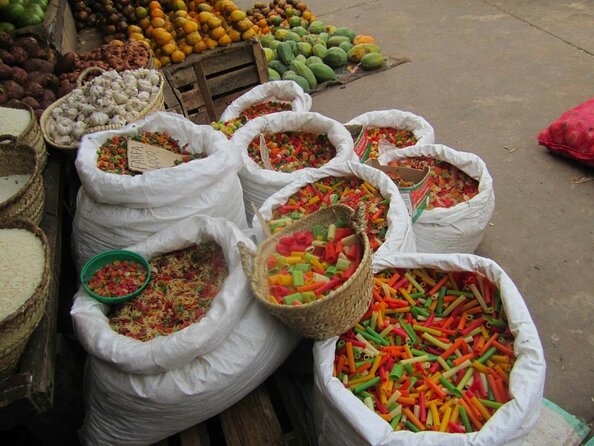
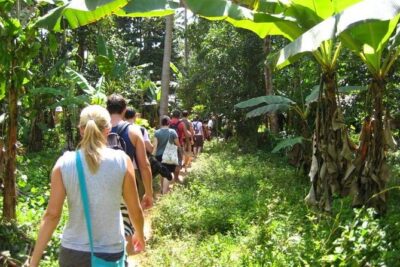
The first part of the class takes you to a local market to buy ingredients. This is more useful than receiving a prepared basket of food, because you see the raw materials before they become lunch.
Zanzibar is known for the spices grown on the island, and the class focuses on the role those spices play in Swahili food. The cooking also reflects oriental influences, so the lesson is not simply a set of recipes. You get a look at how different food traditions meet in Zanzibar’s kitchen.
The exact dishes are not specified, so do not book this expecting a fixed menu. The ingredients and recipes may depend on what is available and on the day’s plan. That uncertainty is part of the local character, though people who want to master one particular dish should ask the operator what will be prepared.
The market stop should also help you understand proportion and freshness. A spice is not just an item to add at the end. Under the chef’s guidance, you learn how ingredients are selected and used in Zanzibar-style cooking.
Learning from a local Zanzibari chef
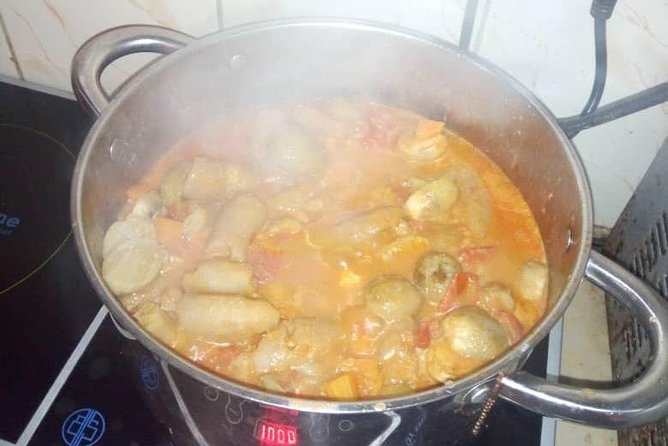
After shopping, you move into the hands-on part of the class. An experienced Zanzibari chef guides you through the preparation and explains how to use the ingredients in local fashion.
This is not designed as a formal cooking-school course with a long written syllabus. It is a practical lesson built around preparing food together. You should expect to chop, mix, season, and cook, with the chef showing you the steps and correcting your technique as needed.
The group limit of six is one of the strongest features. In a larger class, you might spend most of the time watching someone else work. Here, the instructor has a better chance to answer questions and give each person a task.
The experience includes instruction in using a kitchen knife and a charcoal brazier. The knife work gives the lesson a basic practical foundation, while the brazier shows how cooking over charcoal shapes the process. Heat control, timing, and patience matter more when you are not simply turning a switch on a modern stove.
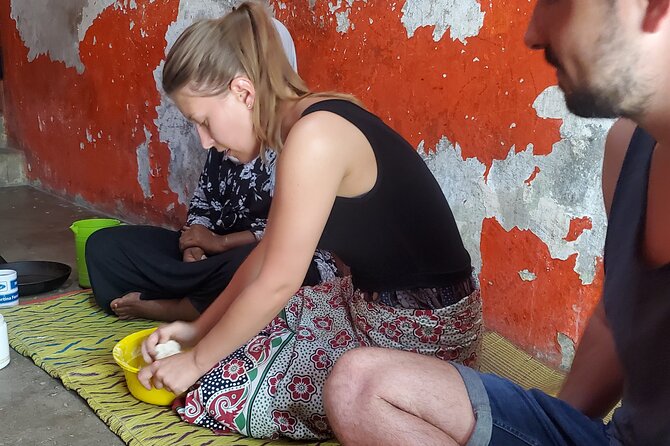
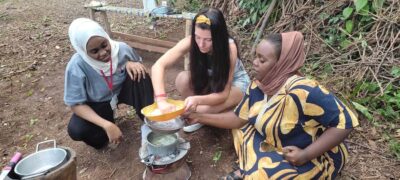
The class may take place in a home setting, which gives the meal a more personal feel than a restaurant kitchen. A cooking session with Hamza, Miram, and their family was described as a shared activity, with the family involved in preparing several dishes. That detail is worth keeping in mind if you prefer an informal home meal over a polished culinary presentation.
Why the charcoal brazier matters
The charcoal brazier is not just a prop for photographs. It is part of the cooking method included in the class, and it changes the pace of the work.
You need to pay attention to the heat and the order in which ingredients go into the pan. The method also gives you a better sense of how food is prepared in a setting where a modern electric or gas range is not the center of the kitchen.
This can be one of the most memorable parts of the class, but it may also be less comfortable than cooking indoors on a standard stove. Heat, smoke, and the slower pace are part of the deal. If you want a quick recipe demonstration, this may feel longer than expected. If you want to understand the method, it adds real value.
The use of a knife is also listed as part of the activity. Follow the chef’s instructions and expect to take part rather than simply observe. The small group should help the chef keep an eye on the work.
Same base, a different kind of day out:
- From Zanzibar: Mikumi Safari Day Trip with Flights and Meal
★ 4.7 · 1,470 reviews - Zanzibar: Quad Bike Adventure departing from Kendwa or Nungwi
★ 4.9 · 1,233 reviews - Zanzibar: Stone Town, Spice Tour, Prison Island with Lunch
★ 4.4 · 1,219 reviews - From Zanzibar: Day Selous Game Reserve Safari with Flights
★ 4.7 · 1,025 reviews
Sitting down to eat what you prepared
Once the dishes are ready, you eat lunch with the chef and discuss the cooking and the merits of Swahili food. This shared meal is the payoff, but it is also part of the lesson.
You can compare the finished dishes with the ingredients you saw earlier in the day. You also get time to ask about the spices, preparation methods, and the way the food fits into local cooking.
The meal is included in the $90 price, so you are not paying for a class and then adding a separate restaurant lunch. The value comes from the full sequence: market visit, instruction, use of cooking equipment, and a meal.
Keep your expectations sensible. The supplied information does not promise a large tasting menu, a printed recipe book, or a restaurant-style service. The appeal is the shared preparation and the chance to eat food made during the class.
What $90 gets you in Zanzibar
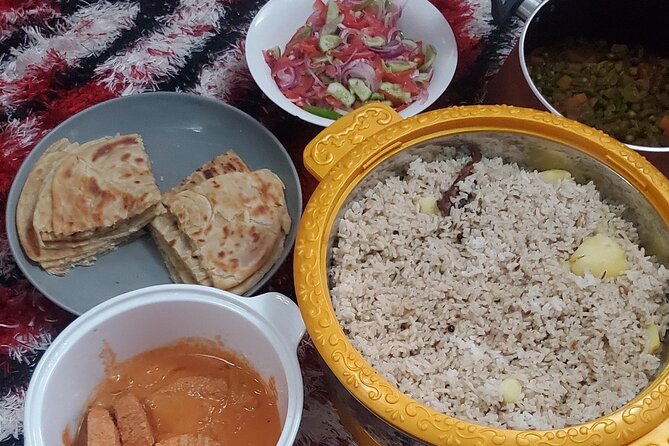
At $90 per person, this is not the cheapest way to eat lunch in Zanzibar. You are paying for about five hours of guided activity, ingredients, kitchen instruction, equipment use, and lunch, not just for a plate of food.
The price makes more sense if you value personal instruction and local contact. A group of six or fewer gives the chef room to work with you directly. The market visit adds another layer that a standard cooking demonstration would not provide.
You should also compare the experience with what you want from your time in Stone Town. If your main goal is to see sights quickly, five hours is a substantial block of the day. If food is one of the ways you like to understand a place, the time is well used.
All supplies and ingredients are provided, which keeps the booking simple. You do not need to shop for cooking materials or bring food with you. Tips are not included, so carry some extra money if you wish to thank the chef for the instruction.
Vegetarian cooking and other practical considerations
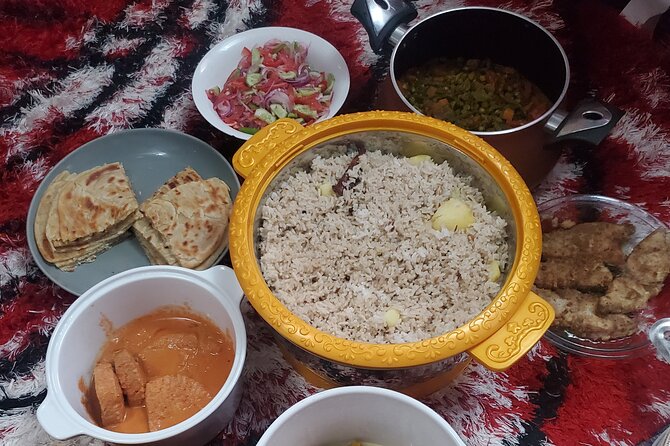
Vegetarians can be accommodated. Tell the operator about your diet before the class rather than waiting until the morning of the tour. The information provided does not list other dietary requirements, so ask directly about any additional restrictions.
The class has a mobile ticket and confirmation is sent at booking. It is near public transportation, which may help if you are staying in or around Stone Town.
The experience requires good weather. Poor weather can lead to a new date or a full refund, but it may disrupt your plans at short notice. The weather condition is especially relevant because the day includes a market visit and charcoal cooking.
You can cancel for a full refund if you do so at least 24 hours before the 9:00 am start time. Cancellations or changes made inside that period are not accepted for a refund. The cut-off uses Zanzibar local time.
The class is not listed as private. With a maximum of six participants, it should feel small without requiring you to pay for the whole group. If you want a completely private kitchen session, confirm that point before booking.
The personal side of the cooking session
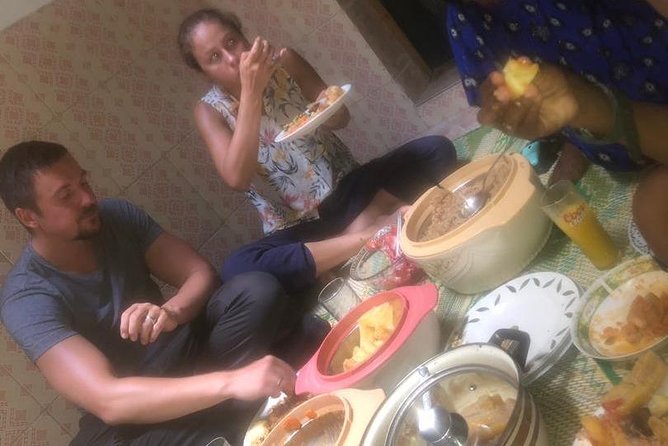
The strongest part of this experience is the chance to cook with people rather than simply receive a lecture. The session with Hamza, Miram, and their family shows how the class can feel like shared home cooking, with several people working together on a number of dishes.
That setting may not suit everyone. Some people prefer a clean, formal kitchen with exact measurements and a set schedule. Others would rather sit with a local family, work over charcoal, and talk about the food as it is prepared.
The class also received praise for allowing participants to watch and take part in making a Zanzibar meal. That combination is important. A demonstration is easy to follow but can leave you passive. A fully hands-on lesson can be hard to track if you have never cooked the dishes before. This format aims to give you both: the chef demonstrates, then you practice.
Weather can affect the rhythm. A schedule was adjusted around poor conditions, which suggests some flexibility, but you should still keep a backup plan for the day.
Who should book this class
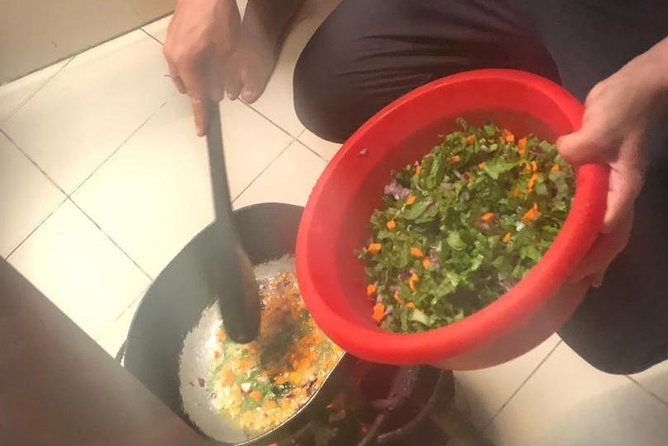
I would recommend this for you if food is a major part of your travel plans, especially if you want to learn rather than just eat. It is also a good match for couples, friends, and small families who enjoy working together.
It suits vegetarians, provided you arrange the request ahead of time. It also fits visitors staying in Stone Town who can reach Tembo House Hotel or arrange the offered pickup.
You may want to skip it if you dislike heat, smoke, market visits, or hands-on cooking. It is not the best use of your morning if you only have a short stop in Zanzibar and want to focus on monuments and sightseeing.
Book early if your dates are fixed. The experience is booked about 93 days ahead on average, and the six-person limit naturally restricts availability. That figure does not guarantee that every date sells out, but it is a good reason not to leave this until the last day of your trip.
Should you book the Zanzibar cooking class?
Book it if you want a small, personal food experience that connects the market, the kitchen, and the meal. The six-person cap, local chef, charcoal brazier, and included lunch give the $90 price a fair basis, especially for anyone who values participation.
Before paying, confirm the pickup details, the expected menu, and how a vegetarian request will be handled. If you are comfortable with a flexible, home-style class rather than a formal culinary workshop, this is a strong way to spend five hours in Zanzibar.
FAQ
Where does the cooking class start?
It starts at Tembo House Hotel on Shangani Street, near Forodhani Street in Zanzibar, Tanzania.
What time does the class begin?
The start time is 9:00 am.
How long does the experience last?
The cooking class lasts approximately five hours.
Where does the activity end?
The activity ends back at the meeting point at Tembo House Hotel.
Is transportation included?
Pickup is offered, but private transportation is not included. Confirm the pickup arrangements when booking.
How many people can join the class?
The group has a maximum of six participants.
Is lunch included?
Yes. Lunch is included, and you eat the dishes prepared during the class.
Can vegetarians take part?
Yes. Vegetarian cooking can be accommodated. Make the request in advance.
Are ingredients and cooking supplies provided?
Yes. All supplies and ingredients are provided. The class also includes use of a kitchen knife and a charcoal brazier.
What happens if the weather is poor?
The experience requires good weather. If it is canceled because of poor weather, you can choose a different date or receive a full refund.
Just added in Zanzibar
- ZANZIBAR: Jozani Forest, butterfly center & Reptile park★ 4.7 · 3 reviews
- Zanzibar: Jozani Chwaka Bay National Park and Spice Farm …★ 4.6 · 5 reviews
- Zanzibar: Horse Riding and Kayaking with Video and Photos★ 4.9 · 10 reviews
- Zanzibar hidden: Starfish, Blue Lagoon, &The Rock Restaurant★ 5.0 · 3 reviews
- Zanzibar: Half-Day Spice Farm Tour,the flavours of Zanzibar★ 4.7 · 3 reviews
- Zanzibar Half Day Trip in Mnemba Island★ 4.4 · 16 reviews
- Zanzibar: Half-Day Prison Island, Tortoises and Spices Tour★ 3.7 · 7 reviews
- Zanzibar: Half-Day Private in Prison Island Tours★ 5.0 · 4 reviews
Cooking Classes, compared.
Half-Day Kuza Cave Swimming Adventure and Cooking Class
Read our review →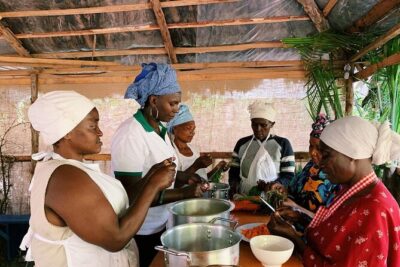
NGO Lifted Strong – Traditional Tanzanian Cooking Class
Read our review →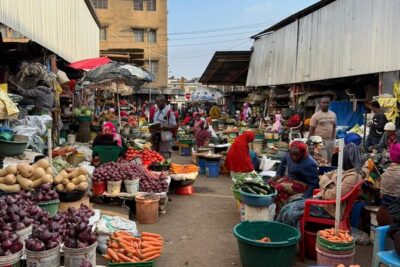
Traditional Tanzania Cooking Class & Food Market Tour
Read our review →
Cooking and Sewing & Jewelry Workshops in Arusha
Read our review →
Mnemba Dolphin Tour, Clear Kayak, Cooking Class, Horse Riding
Read our review →
Traditional Zanzibar Cooking Class including Spice Tour
Read our review →Browse the lists this tour appears in