
Reviewed · COOKING CLASSES
NGO Lifted Strong – Traditional Tanzanian Cooking Class
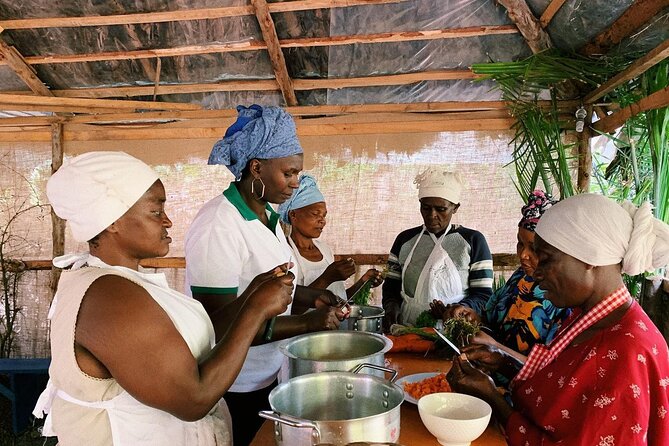
Cooking with the Mama cooks at Lifted Strong Community Organization gives you more than a plate of Tanzanian food. You help prepare local dishes, learn their Swahili names, and hear about a group working to support women facing poverty, HIV, domestic violence, and poor health.
I like two things right away: the class feels personal, with no more than 10 people, and your $50 fee supports LISCO’s work rather than buying only a sightseeing activity. I also like the flexible food planning. Joyce may contact you before the class to discuss what you want to make, including vegetarian and vegan choices.
One thing to keep in mind: this is closer to cooking together than a polished culinary school lesson. If you want precise chef demonstrations and formal recipes, you may find it relaxed. If you want friendly conversation, shared work, and a useful connection with local women, that relaxed style is part of the appeal.
Key points at a glance
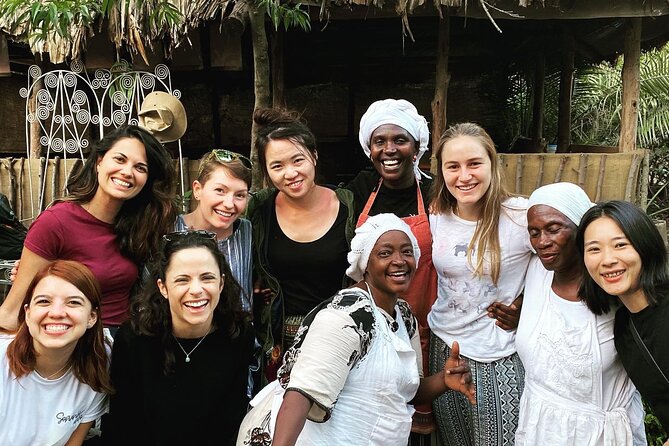
- Cook with local Mama cooks: Help prepare Tanzanian food while learning practical techniques and Swahili names for ingredients.
- A small group in Arusha: The class accepts a maximum of 10 people, giving you room to take part rather than watch from the back.
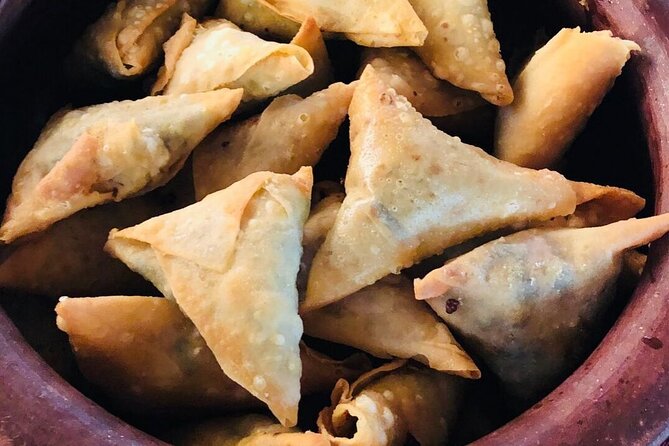
- Dishes can vary: Past menus have included samosas, soup, ugali with vegetables, rice, and cooked bananas.
- Your booking supports LISCO: The activity helps Lifted Strong Community Organization support women facing serious hardships.
- Plan for about three hours: The class begins at 2:00 pm and finishes back at the meeting point, leaving your evening free.
- Dietary needs are welcome: Vegetarian and vegan cooking can be arranged if you provide notice.
Cooking with Lifted Strong in Arusha
The experience begins at MJHR+GF in Arusha at 2:00 pm. You can meet the group at the center or arrange pickup, so confirm the exact transport plan before the day of the class.
The center is a little away from the main street, though public transportation is nearby. If you walk, allow extra time to find the entrance and arrive ready for the afternoon session. The meeting point is also the end point, which keeps the logistics simple.
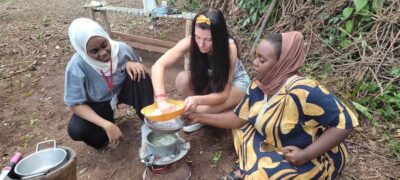
Joyce and her team lead the experience, working alongside the women and girls connected with LISCO. The setting is community-based rather than designed as a restaurant kitchen for tourists. That matters because you are not simply watching a demonstration. You are expected to help with the food and talk with the people running the program.
The group size is limited to 10. That is small enough for the cooking to feel shared, though the exact balance between hands-on work and instruction may depend on the group. A full class could feel lively. A smaller booking may give you more time to ask questions and practice each step.
Other classes where you cook in Arusha:
- Arusha: Traditional Tanzania Cooking Class & Food Market Tour
★ 5.0 · 34 reviews - Zanzibar Cooking Class & Spice Tour
★ 4.5 · 77 reviews - Zanzibar: Spice Farm Tour with Traditional Cooking Lesson
★ 4.8 · 77 reviews
What you may cook during the three hours
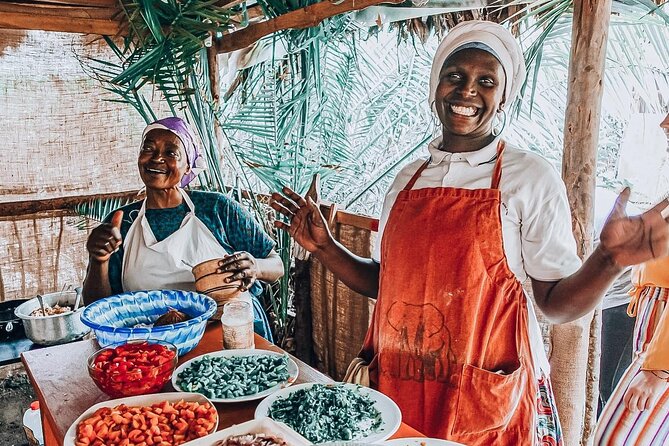
The menu is not presented as one fixed meal. Joyce may contact you before the class to discuss the subject or dishes, and the food can be adjusted for dietary needs. This gives the activity a useful personal touch, especially if you have allergies or follow a vegetarian or vegan diet.
Samosas have been a popular choice. You learn the preparation and shaping process, then taste the result while it is fresh. This is a good option if you want a focused lesson with clear steps. A school group also used the class to learn how to make samosas, with the Mama cooks encouraging the children throughout the session.
Soup is another dish that has featured in the class. It can be paired with samosas for a simple meal and gives you a chance to work with local produce and seasonings. You will also learn the Swahili names for the ingredients, which adds a small language lesson to the cooking.
Other dishes have included ugali with vegetables, rice, and cooked banana. Ugali is a staple across much of East Africa, and preparing it gives you a taste of an everyday food rather than a special-occasion dish made only for visitors. The class has also produced generous portions, with some participants able to take food home afterward. That will depend on the amount prepared and the group, so treat it as a possible extra rather than a promise.
The food is the practical center of the activity, but the wider value comes from making it alongside the women. You get to ask questions, share tasks, and learn how the meal fits into ordinary Tanzanian life. The class does not try to turn local cuisine into a stage show. It uses food as a natural way to meet people.
Learning Swahili through food
You will learn the Swahili names for the ingredients used in the class. This is not a full language course, but it gives you useful words tied to things you can see, touch, and eat.
That approach works well for a short activity. You are more likely to remember a food word when you have helped prepare it than when you have copied it from a list. You can also use the new vocabulary during the rest of your time in Tanzania, even if you learn only a few terms.
The language component is informal. Do not expect a structured grammar lesson or a printed Swahili workbook. Instead, think of it as a friendly introduction built into the meal preparation. The Mama cooks and the LISCO team can explain the local names as you work.
The human side of LISCO
The cooking class supports Lifted Strong Community Organization, known as LISCO. Its work focuses on women dealing with difficult circumstances, including HIV, domestic violence, poverty, and poor health.
That context changes how I assess the $50 price. You are paying for a three-hour food activity, but the money also helps an organization focused on women’s support and empowerment. You can enjoy the class without pretending that a short visit solves the larger problems LISCO addresses. The useful point is more modest: your booking provides support while giving you a direct, respectful way to learn from the community.
The women connected with the program are described as resilient, but the experience is not built around pity. You meet them as cooks, teachers, and hosts. They guide you through the food, welcome questions, and share time with you around a practical task.
This is also why the class suits people who want their Arusha activities to have a local connection. You are not just checking off another attraction. You are spending part of an afternoon with an organization doing community work, and the meal gives the visit a natural focus.
Same base, a different kind of day out:
- Serengeti Balloon Safari and authentic bush breakfast
★ 5.0 · 2,480 reviews - Balloon Safari & Bush Breakfast in Serengeti – Miracle Experience
★ 5.0 · 1,646 reviews - Tanzania Classic – 7 Days
★ 5.0 · 1,151 reviews - 4 Days Group Camping Safari
★ 5.0 · 1,101 reviews
A relaxed class, not a chef school
Set your expectations correctly and the format makes sense. The activity is described as a traditional Tanzanian cooking class, but one direct description characterizes it more as cooking together than as a formal lesson. You may not receive exact measurements, a printed recipe packet, or a carefully timed series of chef demonstrations.
For some people, that is a limitation. If you are hoping to recreate every dish at home with standardized quantities, ask ahead about the recipes and the day’s menu. The amount of instruction may also vary according to the dish and the group.
For me, the informal format is a strength when the goal is contact with local people. You can work at a natural pace, talk with the Mama cooks, and learn by doing. It is less polished than a commercial cooking studio, but it is likely to feel more connected to everyday food preparation.
The class also works well for mixed groups. Couples can cook side by side, friends can share the tasks, and school groups can take part in a guided activity. Service animals are allowed, and the location is near public transportation.
Timing and planning your Arusha day
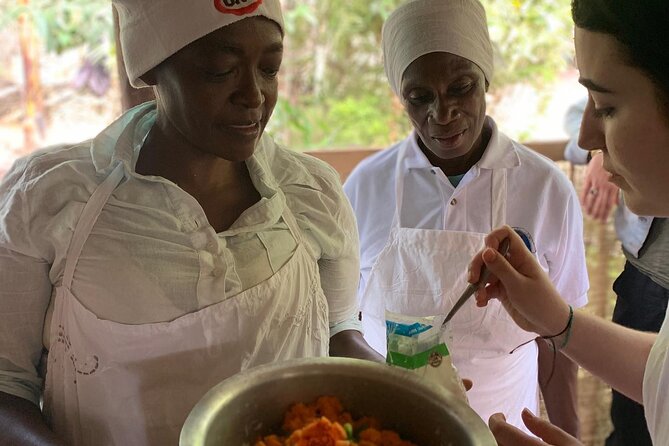
The class starts at 2:00 pm and lasts about three hours. You should have the morning free for another activity, travel, or a slower start, then plan to spend the afternoon at LISCO. Since you return to the meeting point at the end, your evening remains open for dinner or other plans.
The timing is useful if you are fitting several activities into an Arusha stay. It is also worth remembering that pickup arrangements can affect your schedule. If you need transportation, arrange it in advance rather than assuming it is automatically included.
The activity is booked an average of 17 days ahead, which suggests that planning early is wise, especially if you have a fixed safari schedule or want a particular day. Confirmation is provided at booking. If your plans change, you can cancel for a full refund up to 24 hours before the local start time. A cancellation inside that window is not refundable, and changes that late are not accepted.
The experience requires a minimum number of participants. If LISCO cancels because that minimum is not reached, you can choose another date or activity, or receive a full refund.
Is $50 a fair price?
At $50 per person, this is not the cheapest way to eat in Arusha. You could spend far less on a local meal. The comparison, however, is not really restaurant against restaurant.
Your fee covers about three hours of instruction, food preparation, a shared meal, language practice, and time with the LISCO team. It also supports an organization working with women facing serious hardships. The small group makes the price easier to justify because you are not being processed through a large cooking demonstration.
The value is strongest if you care about the social purpose and want direct contact with the people running the program. It is weaker if your only aim is to learn a large number of recipes or receive professional culinary training.
I would also judge the price against your wider Arusha budget. As a once-per-trip cultural activity, it offers more depth than a standard meal and takes only half an afternoon. The fact that some groups have had enough food to take a portion home is a pleasant bonus, though I would not count on it when comparing prices.
Who will enjoy this class most?
I would recommend it to you if you want:
- A small-group activity with a clear community purpose
- An easy introduction to Tanzanian food
- A chance to practice a few Swahili words
- Flexible vegetarian or vegan cooking
- A relaxed afternoon rather than a tightly scripted tour
- An activity that works for couples, friends, families, or school groups
You may want another option if you need advanced culinary training, exact recipes, or a highly structured professional kitchen. The class is about shared preparation and human connection, not technical perfection.
It also suits you if you are spending several days in Arusha and want an experience that is not centered on wildlife viewing. A safari is the region’s major draw, but food gives you a different way to understand daily life. Here, the conversation happens around chopping, shaping, stirring, and eating.
Useful details before you book
Tell LISCO about dietary needs when you book or respond promptly if Joyce contacts you. Vegetarian and vegan options are available, but advance notice is important so the menu can be planned.
Ask about the day’s dishes if you have a particular interest. Past classes have made samosas, soup, ugali with vegetables, rice, and cooked bananas, but the menu can vary. If you want to focus on one item, such as samosas, raising the subject early may help.
Plan for a small group of no more than 10 people. Bring patience for an informal class and a willingness to help rather than simply watch. The experience is most rewarding when you treat the kitchen as a shared space.
Finally, allow time for the social part. The cooking itself lasts about three hours, but the value comes from meeting the women, hearing about LISCO’s work, and eating together. Arriving with a strict minute-by-minute schedule could make the afternoon feel rushed.
Should you book the Lifted Strong cooking class?
Book it if you want to connect with Arusha through food and support a women-focused community organization at the same time. The strongest reasons are the small group, the welcoming Mama cooks, the chance to prepare recognizable Tanzanian dishes, and the personal contact with Joyce and her team.
Do not book it expecting a formal chef-led course. Choose it for the shared work, flexible menu, Swahili food vocabulary, and the chance to spend three useful hours with LISCO. For many visitors, that combination makes the $50 fee worthwhile.
FAQ
Where does the cooking class take place?
The class starts at MJHR+GF in Arusha, Tanzania, and ends back at the same meeting point.
What time does the activity start?
The class starts at 2:00 pm.
How long does the cooking class last?
The activity lasts approximately three hours.
How many people can join the class?
The maximum group size is 10 travelers.
Can I arrange pickup?
Yes. You can meet at the center or arrange pickup.
What food might I prepare?
Possible dishes include samosas, soup, ugali with vegetables, rice, and cooked bananas. The exact menu can vary.
Can vegetarians and vegans join?
Yes. Vegetarian and vegan preferences can be accommodated if you provide notice in advance.
What is the cancellation policy?
You can cancel up to 24 hours before the local start time for a full refund. Cancellations or changes made less than 24 hours before the start time are not accepted for a refund.
Just added in Arusha
- 7-Day Private Tanzania Safari with Sunset Walking on the Crater Rim and Maasai★ 5.0 · 40 reviews
- Saadani Day Trip★ 5.0 · 13 reviews
- Nyssa Luxury Balloon in Safaris and Serengeti★ 5.0 · 69 reviews
- Arusha National Park Day Trip★ 4.5 · 18 reviews
- Arusha National Park Private Safari★ 5.0 · 59 reviews
- Arusha: Maasai Village Tour★ 4.8 · 22 reviews
- 3 Days Serengeti & Ngorongoro Tour★ 5.0 · 22 reviews
- 8 Days Mountain Kilimanjaro Lemosho Route★ 5.0 · 22 reviews
Cooking Classes, compared.
Half-Day Kuza Cave Swimming Adventure and Cooking Class
Read our review →
Traditional Tanzania Cooking Class & Food Market Tour
Read our review →Browse the lists this tour appears in