
Reviewed · SPICE FARM TOURS
Spice Tour In Zanzibar
Zanzibar’s famous spice country is best understood with your nose and hands, not from a souvenir shelf. On this private outing, you walk among cloves, cinnamon, cardamom, black pepper, vanilla, turmeric, nutmeg, coffee, and unusual plants while your guide explains what each one does. The countryside walk is the main event, with fruit tasting and plant demonstrations adding a friendly local touch.
I like the hotel pickup in an air-conditioned vehicle, especially in Zanzibar’s heat. I also like the private format: you can ask questions, slow down for photographs, and focus on cooking, medicine, farming, or plant uses. The main caution is reliability. One booking was cancelled at very short notice, so keep your confirmation and avoid placing this tour on the tightest day of your trip.
Key points at a glance
- Private pace: Your group travels alone, with room to ask questions and pause for photos.
- Spices in the ground: See cloves, cardamom, cinnamon, black pepper, vanilla, turmeric, and nutmeg growing.
- More than a spice farm: Look for coffee, cocoa, ylang-ylang, henna, cassava, dasheen cocoyam, and the lipstick tree.
- Fruit tasting: Seasonal produce may include jackfruit, pineapple, banana, coconut, rambutan, soursop, and starfruit.
- Practical comfort: Hotel pickup and an air-conditioned vehicle are included, as are parking fees.
- A small but real risk: The tour has a free-cancellation window, but a short-notice cancellation has occurred.
Why Zanzibar’s spice country is worth your morning

Zanzibar is often called the Spice Island, but that nickname can feel vague until you see how many useful plants grow together. A walk through the countryside gives the phrase some shape. You do not simply hear a list of spices. You see vines, trees, roots, leaves, pods, and fruit in the places where they grow.
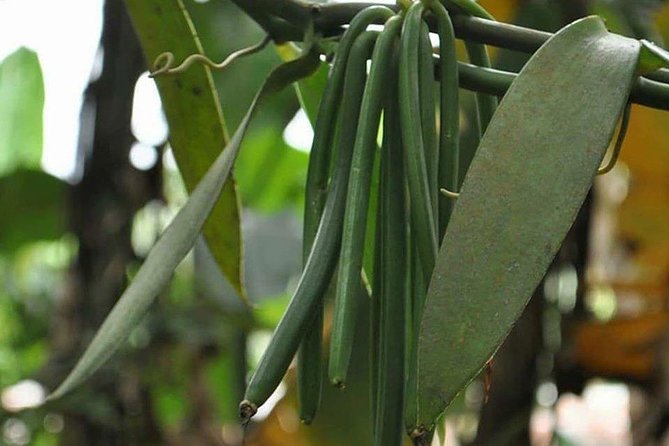
That matters because many familiar kitchen spices look nothing like the jars in your cupboard. Cinnamon comes from bark. Black pepper grows as a climbing plant. Vanilla comes from an orchid. Turmeric is a root. Cloves are flower buds, and nutmeg comes from a seed surrounded by bright covering.
I find this kind of visit more useful than a quick market stop. A market can show you the finished product, but the plantation shows you the plant itself and connects it to food, medicine, farming, and daily life.
The tour is described as a half-day experience lasting about two to three hours. The plantation portion is listed as roughly 30 minutes, so the full time appears to include the drive, walking, explanations, fruit tasting, and time for photographs. Exact timing can depend on your pickup point and the pace you choose.
Other spice farm visits from Zanzibar:
- Zanzibar: Stone Town, Spice Tour, Prison Island with Lunch
★ 4.4 · 1,219 reviews - Zanzibar: Prison Island, Stone Town, & Spice Farm Tour
★ 4.5 · 579 reviews - Zanzibar: Stone Town, Spice tour & Prison Island with Lunch
★ 4.6 · 453 reviews
Leaving the hotel in an air-conditioned vehicle
Your day begins with pickup from your hotel in Zanzibar. The included air-conditioned vehicle is a welcome feature in the island’s heat, especially if you have already spent time walking through Stone Town or along the coast.
Parking fees are included, which keeps the quoted price simple. The stated cost is $70 per person, and the private setup gives that price more value for couples, families, or small groups who want their own guide rather than a large shared outing.
The drive into the countryside is part of the change in mood. You leave the hotel zone and move toward more greenery, where the tour becomes less about scheduled sights and more about observing plants at close range.
The booking information does not give a fixed departure time or a named pickup area beyond hotel collection. Confirm the pickup details before the day, and allow some flexibility in your schedule. This is not the best activity to place between two fixed transfers.
Walking among cloves, cinnamon, and vanilla
The central stop is the Zanzibar Spices and Heritage Centre. Here, you walk through different plantations while your guide identifies plants and explains their uses.
Expect to see several familiar spices:
- Cloves
- Cardamom
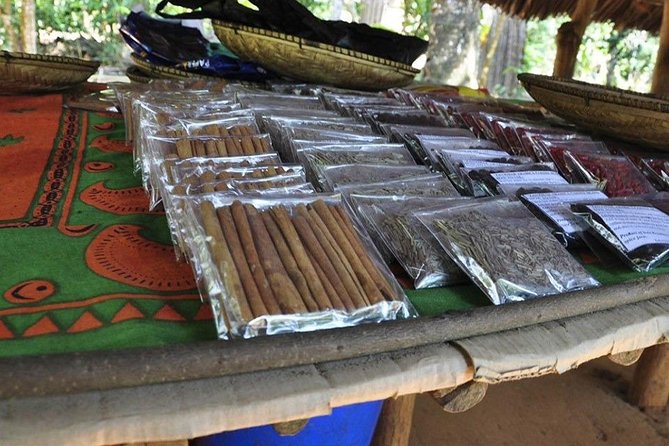
- Cinnamon
- Black pepper
- Turmeric
- Vanilla
- Nutmeg
The value is in the comparison. Cardamom, cinnamon, and cloves may all sit together in a kitchen spice blend, but in the field they come from entirely different parts of different plants. A guide can make those differences easier to remember by showing you the actual bark, seed, bud, root, or vine.
The walk also gives you a reason to slow down. You are not rushing from one display to another. Since this is a private activity, you can ask for more explanation about a plant that interests you, or spend extra time taking photographs. The pace is customizable, though the total outing still has a limited duration.
Wear footwear suitable for a short plantation walk. The supplied information does not describe the exact paths or ground conditions, so I would choose practical shoes rather than beach sandals if you want to walk comfortably.
The plants that make this more than a spice stop
The tour covers a wide range of useful plants beyond the best-known spices. You may see an iodine plant, henna bush, ylang-ylang, lipstick tree, cocoa, cassava, dasheen cocoyam, and coffee.
That broader plant list gives the visit more depth. Ylang-ylang connects the farm to fragrant oils and perfumes. Henna links the plant world to body decoration. Cassava and dasheen cocoyam show how tropical crops can be important food sources, not just curiosities for visitors.
The lipstick tree is another memorable stop because of its bright natural coloring. Cocoa and coffee help you connect a morning drink or chocolate bar with the plant it comes from. These details make the walk useful for children, food lovers, gardeners, and anyone who enjoys seeing ordinary products at their source.
The guide’s role matters here. A good explanation turns an unfamiliar plant into something you can remember. One guide, Mohamed, was specifically noted for explaining herb uses in medicine and for identifying less common spices. If you are especially interested in traditional plant remedies, ask when booking if Mohamed is available, but do not assume he will be your assigned guide.
Same base, a different kind of day out:
- From Zanzibar: Mikumi Safari Day Trip with Flights and Meal
★ 4.7 · 1,470 reviews - Zanzibar: Quad Bike Adventure departing from Kendwa or Nungwi
★ 4.9 · 1,233 reviews - From Zanzibar: Day Selous Game Reserve Safari with Flights
★ 4.7 · 1,025 reviews - Zanzibar: Prison Island and Nakupenda Boat Trip with Lunch
★ 4.1 · 882 reviews
Tropical fruit, coconut, and the edible side of the farm
The plantation visit also includes Zanzibar’s seasonal fruits. The list is unusually broad, with jackfruit, pineapple, bananas, green coconut, durian, love apple, rambutan, soursop, and starfruit among the possibilities.
Availability can depend on the season, so you should not expect every fruit on every visit. Still, the range gives you a good sense of how different the island’s produce can be from the standard hotel fruit plate.
The fruit portion is not just a snack. It helps show how the same green countryside supports both commercial crops and everyday foods. You may get to taste fruit, smell leaves, and compare flavors that you rarely encounter at home.
Green coconut, known locally as madafu, is another simple pleasure of the stop. The tour has also included an assortment of fruit and coconuts, making this a pleasant break during the walk. If you are offered unfamiliar fruit, ask the guide what it is before trying it, particularly if you have food allergies.
Stories, photographs, and handmade plant crafts
The best version of this tour is not just a plant naming exercise. Your guide can connect the farm to local history, farming, cooking, and medicine. The experience has been described as a quiet walk beneath a leafy canopy, away from the island’s busier areas, with enough time for photographs and video.
That quiet setting is part of the appeal. You get a short break from traffic, hotel routines, and organized sightseeing. The sounds are likely to be more natural than urban, although the exact atmosphere will depend on the farm and the time of day.
The guides have also made crowns and bracelets from plants. This is a small detail, but it adds a human touch to the walk. It gives children something to enjoy and creates a light souvenir without turning the whole stop into a shopping visit.
You may also have the chance to buy spices. Treat this as optional. The plantation visit should still be worthwhile if you decide not to purchase anything, and you can ask about the spice, its origin, and how to use it before making a choice.
Private touring makes the $70 price easier to judge
At $70 per person, this is not the cheapest possible way to see plants in Zanzibar. Its value depends on what you want from the day.
For a private group, the price covers hotel pickup, air-conditioned transport, parking, a plantation visit, and a guide focused only on your party. That can be fair value for couples or families who prefer a flexible schedule and personal questions over a large group tour.
The price is less compelling if you want a long farm visit with extensive food, a full cooking class, or a full-day rural program. The advertised duration is only two to three hours, and the plantation stop itself is listed at around 30 minutes. Think of this as a compact introduction to Zanzibar’s plant life, not a full agricultural workshop.
I would compare the cost against your own priorities. If you are already planning a long countryside excursion, this may duplicate part of that day. If you have limited time and want a simple, focused introduction, the hotel pickup and private format save effort.
Who will enjoy this short countryside visit
I would recommend this experience most to:
- Couples who want a calm private outing
- Families who enjoy hands-on nature stops
- Food lovers curious about where spices come from
- Gardeners and plant enthusiasts
- First-time visitors who want something beyond beaches and Stone Town
- Anyone who values a guide-led walk with time for questions
It is also a sensible choice for people who do not want to organize their own transport. Pickup removes the need to arrange a separate taxi to the plantation, and the air-conditioned vehicle makes the trip more comfortable.
You may want a different activity if you need a full-day tour, a formal cooking lesson, or a guaranteed list of every fruit and spice. The supplied details do not promise a cooking class, a meal, or a fixed harvest calendar.
Most travelers can participate, according to the activity information. Still, the tour involves walking through plantations, and the exact path is not described. If you have mobility concerns, ask the provider what surface and walking distance to expect before booking.
Reliability, cancellation, and planning advice
The cancellation policy allows a full refund if you cancel at least 24 hours before the start time. Changes or cancellations made inside that 24-hour window are not accepted for a refund, and the cut-off follows Zanzibar local time.
That policy is reasonable, but I would still confirm the booking soon after making it. One reported problem involved a same-day cancellation around lunchtime for an afternoon tour, with no clear explanation. The information does not show that this is common, but it is a useful warning.
For that reason, avoid scheduling the spice tour on the same day as an airport departure, a ferry connection, or a nonrefundable excursion. Give yourself a buffer. If you have only one free afternoon, confirm the pickup and tour status in advance.
The activity provider is Suncoast Zanzibar Tours. Confirmation is received at booking, and the tour is private, with only your group participating.
My verdict on the Zanzibar Spice Tour
I would book this tour if you want a short, personal look at Zanzibar’s farming traditions and plant life, especially if hotel pickup and a private guide matter to you. The best parts are the close-up look at spices, the broad range of other plants, the fruit tasting, and the chance to move at your own pace.
The experience is not a full-day plantation adventure, and the $70 price makes the most sense when shared with a couple, family, or small private group. Keep your schedule flexible because of the isolated cancellation report, and confirm the pickup details before the outing.
If you want to know why Zanzibar’s spices matter rather than simply buy them in a shop, this is a worthwhile two to three hours.
FAQ
How long does the Zanzibar Spice Tour last?
The experience lasts approximately two to three hours. The plantation stop itself is listed as about 30 minutes, with the total time also covering transport and the rest of the visit.
How much does the tour cost?
The price is $70 per person.
Is hotel pickup included?
Yes. Pickup from your hotel is offered, and transport is provided in an air-conditioned vehicle.
Is this a private tour?
Yes. Only your group participates in the activity.
Which spices can you see?
The plantation visit may include cloves, cardamom, cinnamon, black pepper, turmeric, vanilla, and nutmeg.
Does the tour include plants other than spices?
Yes. The experience also covers plants such as coffee, cocoa, ylang-ylang, henna, the lipstick tree, cassava, dasheen cocoyam, and an iodine plant.
Which fruits may be available?
The listed seasonal fruits include jackfruit, pineapple, banana, green coconut, durian, love apple, rambutan, soursop, and starfruit.
Is food or fruit included?
The experience includes the opportunity to enjoy tropical seasonal fruits and green coconut. A full meal is not listed as included.
Can I cancel for a full refund?
Yes, if you cancel at least 24 hours before the experience start time. Cancellations or changes made less than 24 hours before the start time are not refunded.
Can most people participate?
Yes. The activity information says most people can participate. Since the visit includes walking through plantations, ask the provider about the walking conditions if you have specific mobility needs.
Just added in Zanzibar
- ZANZIBAR: Jozani Forest, butterfly center & Reptile park★ 4.7 · 3 reviews
- Zanzibar: Jozani Chwaka Bay National Park and Spice Farm …★ 4.6 · 5 reviews
- Zanzibar: Horse Riding and Kayaking with Video and Photos★ 4.9 · 10 reviews
- Zanzibar hidden: Starfish, Blue Lagoon, &The Rock Restaurant★ 5.0 · 3 reviews
- Zanzibar: Half-Day Spice Farm Tour,the flavours of Zanzibar★ 4.7 · 3 reviews
- Zanzibar Half Day Trip in Mnemba Island★ 4.4 · 16 reviews
- Zanzibar: Full-Day Conservation Safari with BBQ Lunch★ 3.9 · 9 reviews
- Zanzibar: Half-Day Prison Island, Tortoises and Spices Tour★ 3.7 · 7 reviews
Spice Farm Tours, compared.

Stone Town, Spice Tour, Prison Island with Lunch
Read our review →
Full-Day Private Stone Town +Spice Farm and Prison Island Tour
Read our review →

The Swahili Spice Experience – Spice Tour + Culinary Journey
Read our review →
Zanzibar full day Jozani forest + Spice farm and stone town
Read our review →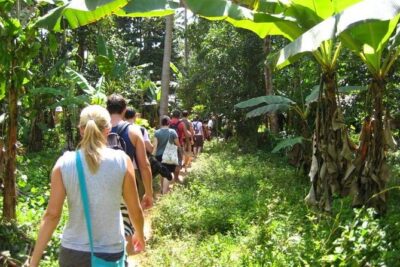

Browse the lists this tour appears in