
Reviewed · SPICE FARM TOURS
Spice Tour Zanzibar
Zanzibar’s spice farms turn cooking ingredients into a hands-on lesson. You’ll walk among plants used in food, drinks, and traditional medicine, then try to identify spices from leaves, roots, bark, vines, and creepers. The chance to touch and taste the plants makes this far more useful than simply hearing a list of names.
I like the small maximum group of nine, which gives you a better chance to ask questions, and I like that air-conditioned transport, admission, taxes, and bottled water are included. The main drawback is that the tour lasts only about three hours, so it offers a focused introduction rather than a full day in the countryside.
Key points at a glance
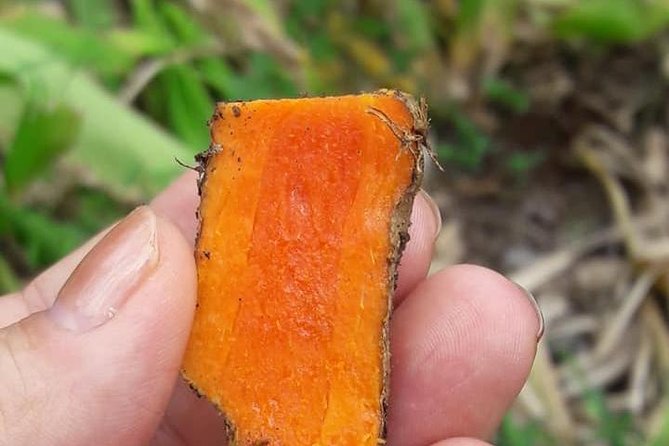
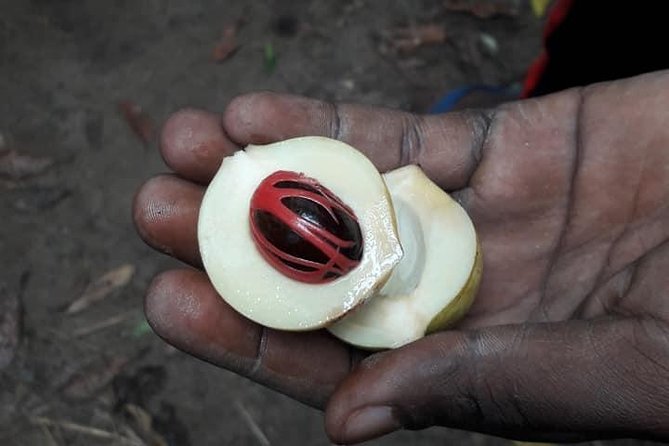
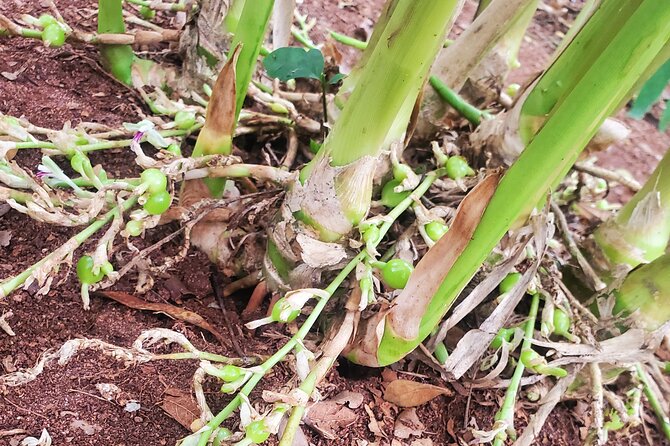
- Touch, smell, and taste spices where they grow, including seasonal plants such as vanilla, cardamom, cloves, and nutmeg.
- A small group of up to nine allows more direct contact with your guide.
- A coconut harvesting demonstration adds a memorable local skill to the farm walk.
- Fresh tropical fruit and handmade leaf crafts may be part of the visit, including a crown or basket to take home.
- Transport from Stone Town hotels, air-conditioning, water, admission, and taxes are included in the $70 price.
- Free cancellation is available up to 24 hours before departure, subject to the stated weather policy.
Why Zanzibar’s spice farms matter

Zanzibar earned its Spice Island nickname because cloves, vanilla, nutmeg, and cardamom became important exports. These plants came from Asia and South America, then grew well in Zanzibar’s tropical climate.
That background gives the visit more meaning. You are not just walking through a pleasant farm. You are seeing plants tied to Zanzibar’s food, trade, farming, and home remedies.
The experience is practical. A guide leads you through the plantation and shows how spices appear before they reach a market or kitchen. A crushed leaf may smell familiar, while a root, bark, vine, or seed can be harder to place. The fun comes from guessing, then learning how each plant is used.
I find this kind of farm visit especially useful early in a Zanzibar trip. Afterward, you may notice spices more clearly in local dishes and understand why cloves, cardamom, vanilla, and nutmeg matter beyond their names on a menu.
Other spice farm visits from Zanzibar:
- Zanzibar: Stone Town, Spice Tour, Prison Island with Lunch
★ 4.4 · 1,219 reviews - Zanzibar: Prison Island, Stone Town, & Spice Farm Tour
★ 4.5 · 579 reviews - Zanzibar: Stone Town, Spice tour & Prison Island with Lunch
★ 4.6 · 453 reviews
The three-hour walk through the plantation
The main activity takes place at Zanzibar Spices and Heritage Centre. The pace is built around a guided walk rather than a long hike, so you can focus on the plants and explanations.
Expect to stop often. You may touch leaves, smell crushed material, and taste selected items. The guide explains where the spices come from, how they grow, and how people use them in food, drinks, and medicine.
The seasonal factor matters. The farm can offer plants such as vanilla, cardamom, cloves, and nutmeg, but the exact selection depends on when you visit. That is a good reason to treat the tour as a farm lesson rather than a guaranteed checklist of every spice named in the description.
You’ll also see how different the plants are from their finished forms. Cloves are not simply a jar of brown buds, and vanilla does not begin life as a familiar sweet flavor. Seeing the plant itself helps connect the smell in your kitchen with the living crop outside.
The walk should suit most people, since the activity states that most participants can take part. Still, it is sensible to wear comfortable clothing and shoes suitable for a farm path. Those clothing suggestions are practical rather than formal requirements, since no specific dress code is provided.
Meeting a local guide, including Salum
A good farm walk depends heavily on the guide. The supplied experience identifies Salum in connection with a particularly warm and attentive visit, and the guide’s role is central here. You are not simply pointed toward plants and left to figure them out.
Salum or another local guide explains the types of spice, how they grow, and how they are harvested. A guide can also make the guessing element work well by letting you smell or handle a plant before giving the answer.
The small group limit helps. With no more than nine participants, you can ask about a plant, pause for a closer look, or request another explanation without trying to speak over a large crowd.
That size also makes the outing feel less like a bus stop and more like a guided visit. The experience still has a set route and a short time limit, but you should receive more personal attention than on a large coach excursion.
The coconut harvesting demonstration
The coconut demonstration is one of the more distinctive parts of the visit. It adds a practical skill to the spice lesson and shows how a tropical farm involves more than the plants used to flavor food.
The demonstration gives you a chance to see coconut harvesting in action rather than only hearing about it. It also helps place the plantation in its everyday setting, where food and useful materials come from plants around you.
This part may be especially memorable for families and first-time visitors to Zanzibar. Children often connect with a demonstration more quickly than with a long explanation, while adults get a better sense of the work behind a familiar food.
The available details do not promise a particular harvesting method or a set performance schedule. Treat it as a feature of the farm visit that may depend on timing and conditions, not as a separate show with a fixed timetable.
Same base, a different kind of day out:
- From Zanzibar: Mikumi Safari Day Trip with Flights and Meal
★ 4.7 · 1,470 reviews - Zanzibar: Quad Bike Adventure departing from Kendwa or Nungwi
★ 4.9 · 1,233 reviews - From Zanzibar: Day Selous Game Reserve Safari with Flights
★ 4.7 · 1,025 reviews - Zanzibar: Prison Island and Nakupenda Boat Trip with Lunch
★ 4.1 · 882 reviews
Tropical fruit and small handmade gifts
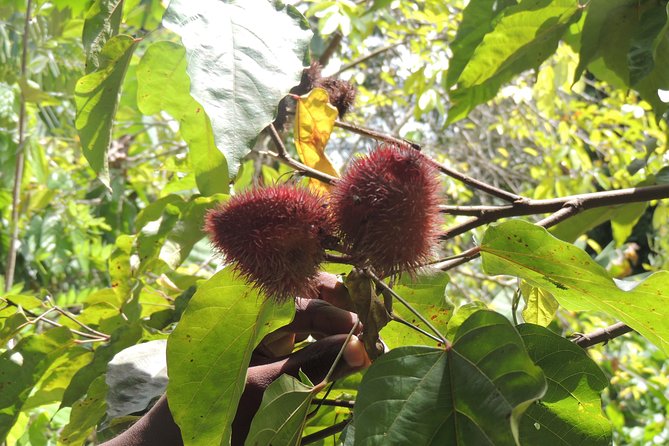
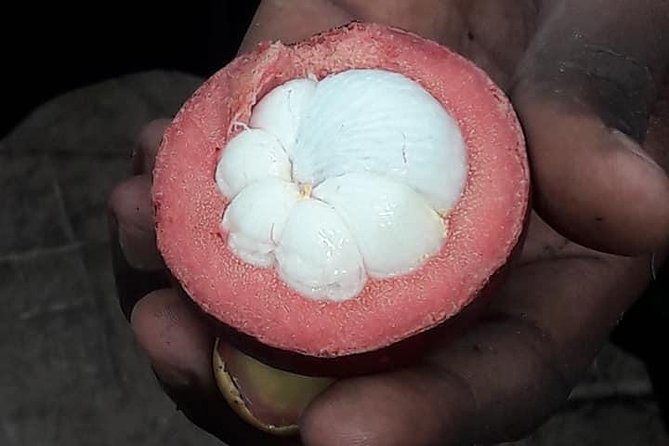
The farm visit can include local fruit grown on the property. Sampling fruit gives you another way to experience the farm, and it breaks up the succession of smells and plant explanations.
The exact fruit is not specified, so you should expect a seasonal selection rather than a guaranteed menu. That uncertainty is part of visiting a working farm, where availability changes with growing conditions.
You may also receive a handwoven crown and basket made from leaves. These are simple objects, but they add a personal touch and give you something small to carry home. They also show how plant materials can be used for more than food or medicine.
I would not book this tour mainly for the souvenir. The crown or basket is best viewed as a pleasant extra. The real value lies in the guided access to the plants, the tasting, and the explanations of how the farm produces and uses them.
What the $70 price includes
The price is $70 per person. That is not the cheapest way to see a farm, but the package includes several costs that can add up when arranged separately.
Included are:
- Air-conditioned vehicle
- Transfers from Stone Town hotels
- Admission
- All fees and taxes
- Mineral water
- The guided farm visit
For three hours, the value depends on how much you care about convenience and interpretation. If you already have private transport and only want to walk around a farm, $70 may feel high. If you want transport, a local guide, admission, water, and a small group in one booking, the price is easier to justify.
The air-conditioned vehicle is useful in Zanzibar’s tropical climate. You spend time outdoors, then have a more comfortable ride between Stone Town and the farm. Hotel transfers also remove the need to arrange a taxi for the outing.
Lunch is not included. Since the tour lasts about three hours, that is not a major issue, but you should plan your meal separately. Tips are also not included, so budget for that if you feel the guide provided good service.
Transport from Stone Town and the meeting point
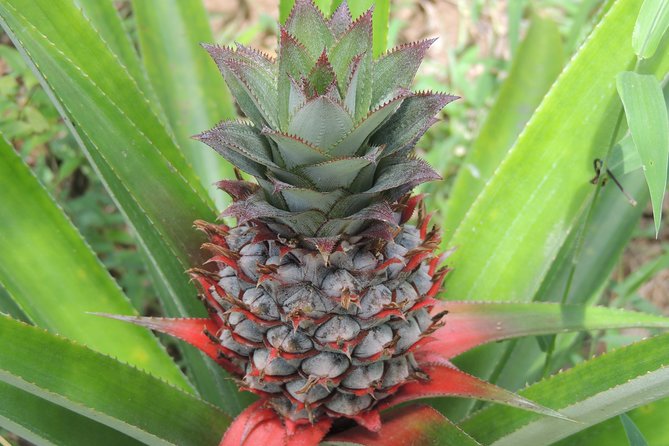
Pickup is offered from Stone Town hotels, and the listed start point is Tembo House Hotel on Shangani Street, near Forodhani Street. The activity ends back at the meeting point.
Because the description provides both hotel pickup and a named meeting point, check the exact pickup arrangement when you book. You may be collected at your Stone Town hotel, or you may be asked to meet at Tembo House Hotel.
This detail matters if you are staying outside Stone Town. The included transfer language specifically refers to Stone Town hotels, so do not assume that hotels elsewhere on Zanzibar are covered.
The air-conditioned vehicle is a practical part of the tour, not just a convenience. A farm visit means time in the heat, and a cool transfer can make the short excursion easier to enjoy.
Who will enjoy this experience most
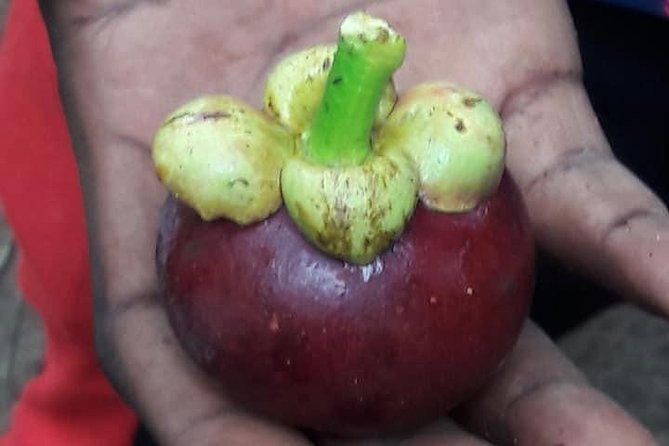
I would recommend the tour to you if you want a manageable introduction to Zanzibar’s agricultural side. It suits first-time visitors, families, couples, and anyone curious about how familiar spices grow.
It is also a good match for people who prefer guided context to independent wandering. You get explanations of plant origins, properties, harvesting, and uses instead of simply walking among trees.
The format works well if you have limited time in Stone Town. Three hours is short enough to fit around other plans, yet long enough for a proper plantation visit, tasting, and demonstration.
You may want something else if your main goal is a long rural excursion, a full meal, or an extensive cooking class. Lunch is not included, and the experience does not promise a full-day farm program.
The group limit of nine is another reason to choose it over a larger excursion. It gives you a more direct connection with the guide without the cost of arranging a fully private tour.
Practical details before you book
Confirmation is provided at booking, and mobile tickets are accepted. Keep the ticket available on your phone, especially if you are moving between hotels and the meeting point.
Free cancellation is available if you cancel at least 24 hours before the start time. Changes or cancellations made less than 24 hours before departure are not accepted for a refund under the stated policy.
The tour depends on good weather. If poor weather causes cancellation, you are offered another date or a full refund. Cut-off times follow local Zanzibar time, so keep that in mind if you are arranging the tour from another time zone.
Most people can participate, but the supplied details do not give specific information about wheelchair access, walking surfaces, or the length of each plantation section. If you have mobility concerns, contact the provider before booking and ask for current conditions.
The tour is currently rated 4.8 out of 5 from 15 ratings, with 100 percent recommendation shown in the supplied details. That is a strong early signal, but the sample is small. I would place more weight on the clear inclusions, small group size, and the hands-on format.
Is the Spice Tour Zanzibar worth booking?
Yes, I would book this if you want a short, guided look at one of Zanzibar’s most important agricultural traditions. The strongest reasons are the small group, local guide, touch-and-taste format, coconut demonstration, and transport included from Stone Town hotels.
The $70 price is fair when you use the included vehicle, admission, water, taxes, and personal guide attention. It is less attractive if you only want a quick walk through a farm or already have free transport.
Book it as a focused cultural and food experience, not as a full-day countryside adventure. If that matches your plans, the visit gives you a useful connection between Zanzibar’s tropical plants, its cooking, and its past as a major spice-growing island.
FAQ
How long does the Spice Tour Zanzibar last?
The experience lasts approximately three hours.
What is the maximum group size?
The group can include a maximum of nine participants.
What spices might I see?
Depending on the season, you might see vanilla, cardamom, cloves, and nutmeg, along with other plants grown at the farm.
Is transportation included?
Yes. An air-conditioned vehicle and transfers from Stone Town hotels are included. The listed meeting point is Tembo House Hotel, and the activity ends back at the meeting point.
Is lunch included?
No. Lunch is not included in the price.
Is bottled water provided?
Yes. Mineral water is included for participants.
Can I cancel for a full refund?
Yes, if you cancel at least 24 hours before the experience start time. If poor weather causes the provider to cancel, you are offered another date or a full refund.
Just added in Zanzibar
- ZANZIBAR: Jozani Forest, butterfly center & Reptile park★ 4.7 · 3 reviews
- Zanzibar: Jozani Chwaka Bay National Park and Spice Farm …★ 4.6 · 5 reviews
- Zanzibar: Horse Riding and Kayaking with Video and Photos★ 4.9 · 10 reviews
- Zanzibar hidden: Starfish, Blue Lagoon, &The Rock Restaurant★ 5.0 · 3 reviews
- Zanzibar Half Day Trip in Mnemba Island★ 4.4 · 16 reviews
- Zanzibar: Half-Day Spice Farm Tour,the flavours of Zanzibar★ 4.7 · 3 reviews
- Zanzibar: Full-Day Conservation Safari with BBQ Lunch★ 3.9 · 9 reviews
- Zanzibar: Half-Day Prison Island, Tortoises and Spices Tour★ 3.7 · 7 reviews
Spice Farm Tours, compared.

Stone Town, Spice Tour, Prison Island with Lunch
Read our review →
Full-Day Private Stone Town +Spice Farm and Prison Island Tour
Read our review →

The Swahili Spice Experience – Spice Tour + Culinary Journey
Read our review →
Zanzibar full day Jozani forest + Spice farm and stone town
Read our review →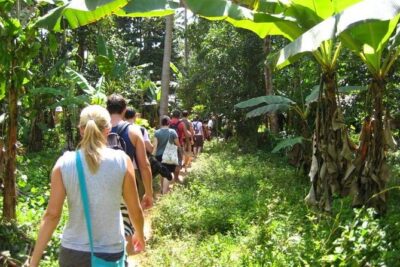
Browse the lists this tour appears in