
Reviewed · SPICE FARM TOURS
Zanzibar Aromatic Spice Farms Tour
Zanzibar’s spices make the most sense when you see them growing. On this three-hour walk through a local shamba, you can handle cinnamon, smell lemongrass, inspect vanilla, and taste fruit straight from the farm rather than meeting these ingredients only as jars on a market shelf. The hands-on tasting and the farm’s village setting are the strongest reasons to go.
I like that guides such as Zamir, James, and local French- or Italian-speaking guides have explained both plant growth and kitchen use. I also like the private format, which keeps the walk focused on your own group. The main caution is that transport has not always been perfectly organized, and the published inclusions do not clearly list the traditional lunch, so confirm that detail before paying.
Key things to know before you go
- Cloves are seen as a living crop: You learn how a familiar spice grows, not just how it tastes in a jar.
- Vanilla gets a reality check: The farm can show you the size of a growing vanilla bean and the manual work involved in producing it.
- The tasting is broad: Expect spices, herbs, and seasonal fruit such as papaya, jackfruit, oranges, coconut, and cassava.
- Guides may speak several languages: Past guide names include Zamir and James, with French- and Italian-speaking guides also available on some departures.
- The ending is practical: You can buy packaged spices at a cash-only stall, so carry cash if you want to take some home.
- It is a private activity: Only your group takes part, with pickup offered and transport by private vehicle.
Why a Zanzibar spice farm is worth your morning
Zanzibar is often linked with cloves, cinnamon, vanilla, and other valuable crops, but the useful part of this tour is not simply hearing a list of spices. You get to connect the name with a plant, a smell, a texture, and a growing method.
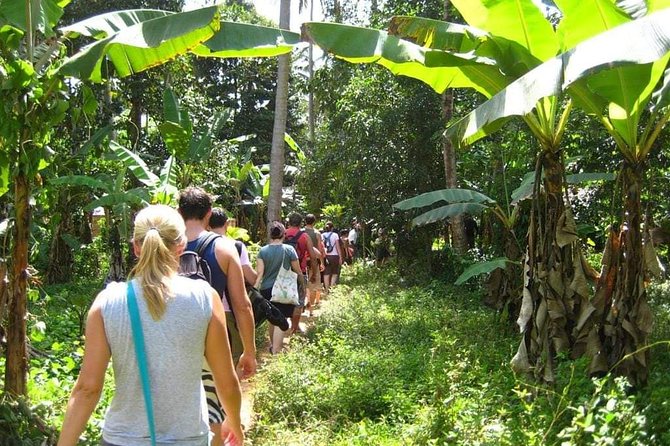
The walk takes place on a shamba, the Swahili word for a farm. That setting gives the experience a local feel. Instead of moving from one polished display to another, you walk among crops and stop as the guide explains what each plant does and how people use it.
I especially like this kind of tour early in a Zanzibar visit. Afterward, a packet of turmeric or cinnamon in a shop means more because you have already seen where it starts. You also gain a better sense of the work behind ingredients that many people use without thinking about them.
The history is brief but useful. Spices and herbs were introduced to Zanzibar by Portuguese traders in the 16th century, brought from Portuguese colonies in South America and India. This background helps explain why the island became closely associated with spice farming, though the real strength of the experience is the farm walk itself.
Other spice farm visits from Zanzibar:
- Zanzibar: Stone Town, Spice Tour, Prison Island with Lunch
★ 4.4 · 1,219 reviews - Zanzibar: Prison Island, Stone Town, & Spice Farm Tour
★ 4.5 · 579 reviews - Zanzibar: Stone Town, Spice tour & Prison Island with Lunch
★ 4.6 · 453 reviews
Walking through cloves, cinnamon, and vanilla

The tour is built around stops at different plants. Your guide explains how the crops grow, when they are cultivated, and how they can be used. You should expect to smell leaves or pieces of spice and taste selected ingredients as you move through the farm.
Cloves are a natural highlight. Zanzibar is strongly associated with clove production, and seeing the plant growing gives you a better idea of what the dried spice once looked like. This is more useful than a general talk about trade because you can link the scent and appearance to the finished ingredient.
Cinnamon brings another good comparison. You may know the rolled sticks from a kitchen cupboard, but the farm walk shows the crop in its growing form. The guide’s explanation of use turns a simple plant stop into a short lesson in cooking and daily life.
Vanilla is one of the more memorable stops because the bean is not large or glamorous when it is growing. One guide, James, has explained both the size of the vanilla bean and the amount of manual labor needed to cultivate it. That is a helpful reminder that a costly kitchen ingredient can depend on careful work at every stage.
Nutmeg, cardamom, black pepper, turmeric, and chili add variety to the walk. Each has a different smell and appearance, so the experience does not blur into one long plant lecture. I would pay attention to the guide’s practical examples, since the value here is understanding how each crop moves from farm to food.
Tasting the plants instead of just looking at them
The tasting portion gives the tour its best sensory edge. You may smell and taste cloves, lemongrass, nutmeg, cinnamon, turmeric, vanilla, chili, black pepper, cardamom, and other herbs or spices. Some flavors will be familiar, but experiencing them close to their natural form can be surprisingly different from using a powdered version at home.
The fruit tasting adds a welcome change of pace. Seasonal offerings can include coconut, papaya, jackfruit, oranges, and cassava, along with other tropical fruit available at the time. Since the selection changes with the season, you should not treat every item in the description as guaranteed on every date.
Jackfruit and coconut are especially useful examples of why this is more than a spice lecture. The farm shows how broadly tropical crops can be used, while the guide connects what you see with food preparation. Cassava also widens the subject beyond the spice rack and introduces a staple crop rather than another seasoning.
A guide may invite you to smell a leaf in your hand or taste a small sample. That direct contact is the point, so come ready to pause, touch, and ask questions. If you prefer a tour that keeps moving and avoids tasting unfamiliar food, this may feel slower than expected.
The Swahili meal after the farm walk
The experience description places a traditional Swahili lunch after the walking portion. That meal is meant to show how spices work in finished food, not just how they smell on the plant. It gives you a chance to taste the ingredients in a more familiar form.
This is an important part of the value, but there is a detail you should check before booking. The additional information specifically lists seasonal fruits and transport by private vehicle as included, while the broader description says you will enjoy lunch at the farm. Because those details do not match perfectly, ask the operator if the meal is included in the $102.57 price and what it contains.
The meal is most useful when you have just seen the ingredients growing. A spice that seemed sharp or strange during the walk may make more sense when used in a cooked dish. It also gives the farm visit a natural finish rather than ending immediately after the last plant stop.
Do not expect a restaurant-focused food tour. The main subject remains the farm and its crops. The meal supports that subject by showing how the ingredients fit into Swahili cooking.
Same base, a different kind of day out:
- From Zanzibar: Mikumi Safari Day Trip with Flights and Meal
★ 4.7 · 1,470 reviews - Zanzibar: Quad Bike Adventure departing from Kendwa or Nungwi
★ 4.9 · 1,233 reviews - From Zanzibar: Day Selous Game Reserve Safari with Flights
★ 4.7 · 1,025 reviews - Zanzibar: Prison Island and Nakupenda Boat Trip with Lunch
★ 4.1 · 882 reviews
The cash-only spice stall at the end
The final stop is a spice stall selling fresh packaged spices. This is convenient if you want to take home cinnamon, turmeric, cloves, or another product you recognized during the walk.
Bring cash. The stall is cash only, and the supplied information does not specify which currencies or payment amounts are accepted. Avoid buying simply because the stop is part of the route. First compare what you want with prices elsewhere in Zanzibar, then choose the products that have a clear connection to what you saw.
This stop can also be a useful way to remember the tour. A small packet of spice takes up little luggage space and gives you a practical souvenir. If you are flying, check your own destination’s rules before packing agricultural products, since entry rules vary by country.
Tips for farm workers are already included in the tour price, so you are not expected to make a separate payment at the end. That makes the final purchase more straightforward, though you can still ask questions about prices and packaging.
Guides, languages, and the private format
Several guide experiences are represented in the supplied information. Zamir from Madeira Travel and Tours of Zanzibar has led visitors through the Union Spice Farm, explaining growth stages and uses. James has also guided the walk and explained the work involved in raising vanilla.
French- and Italian-speaking guides have led other departures. One Italian-language experience was handled by a young guide who took the group through the plantations and stopped at each plant for a smell or taste. Your exact guide and language should be confirmed when booking, since the available names do not mean a particular person is guaranteed.
The private format is a real advantage. Only your group participates, so you can spend more time on a plant you find interesting or ask for clarification without holding up a large crowd. It also suits families and couples who prefer a quieter pace.
Children must be accompanied by an adult. Most people can participate, and the location is near public transportation, though pickup is offered and the planned transport is a private vehicle. The information does not describe the walking surface, shade, or seating, so ask ahead if anyone in your group has mobility or heat concerns.
Transport and the three-hour timing
The advertised duration is about three hours. That is enough time for a farm walk, tasting, meal, and spice-stall stop, but it leaves little room for major delays.
Pickup is offered, which helps if you are staying in Zanzibar City or another area covered by the operator. Since transport is by private vehicle, you avoid arranging your own connection to the farm. Confirm the pickup point and timing before the day of the tour.
There has been at least one transport problem involving an initial van that was too small for the party, followed by a wait for another van. I would not treat that as proof that every departure will be delayed, but it is a reason to confirm vehicle arrangements if your group is large.
The tour requires good weather. If poor weather causes cancellation, you can receive a different date or a full refund. The operator also requires a minimum number of participants, even though the activity itself is private, so a cancellation for that reason comes with the choice of another date, another experience, or a full refund.
Is $102.57 a fair price?
At $102.57 per person, this is not a bargain-priced farm stop. The value depends on what you want from the morning and on what the final price actually covers.
You are paying for pickup offered, private-vehicle transport, a private activity, a guide-led walk, tastings, seasonal fruit, and access to a local farm setting. Tips for farm workers are included, which removes one small cost and avoids awkwardness at the end.
The unclear lunch inclusion matters. If the traditional Swahili meal is covered, the price is easier to justify for someone who wants a prepared half-day experience with transport. If lunch costs extra, you should compare the total against a simpler spice-farm visit arranged locally.
Private touring can also justify a higher price for couples, families, or small groups. You receive more control over the pace and can ask questions suited to your interests. Solo visitors may find the per-person cost harder to defend unless pickup and the meal are both included.
I would ask three things before booking: Is lunch included? What pickup areas are covered? Which guide language can be provided? Clear answers will tell you more about the value than the headline price alone.
Who will enjoy this farm walk most?
I would recommend it to you if you like food, plants, local agriculture, or short cultural outings that involve all your senses. It is also a good choice if you want a break from beach time and prefer a manageable three-hour activity.
Families can use the smells and tastings to keep children interested, but an adult must accompany every child. People who enjoy photography may also find plenty of plant detail, though the supplied information does not promise particular photo stops or special equipment.
The tour suits couples and private groups especially well. A French- or Italian-speaking guide may be possible, which makes the experience more useful if you are not comfortable touring in English. Confirm the language rather than assuming it is guaranteed.
I would hesitate if you want a tightly timed excursion with no chance of a transport delay, or if you dislike trying unfamiliar flavors. I would also hesitate until lunch is confirmed in writing if the meal is a major reason for your booking.
Should you book the Zanzibar Aromatic Spice Farms Tour?
Book it if you want to understand Zanzibar through its crops rather than only its monuments and beaches. The strongest parts are the direct tastings, the explanations of how spices grow, and the chance to see the labor behind ingredients such as vanilla.
The private format and multilingual guide possibilities add useful flexibility. The main points to settle are the lunch charge, pickup details, and vehicle size. If those answers work for you, $102.57 can be reasonable for a private, transport-supported farm experience with food and spice shopping built into the same morning.
FAQ
Where does the Zanzibar Aromatic Spice Farms Tour take place?
The tour takes place at a spice farm, or shamba, in the Zanzibar City area of Tanzania.
How long does the tour last?
The experience lasts approximately three hours.
Is hotel pickup available?
Pickup is offered. The tour uses transport by private vehicle, but you should confirm the exact pickup area and meeting time when booking.
Is this a private tour?
Yes. Only your group participates in the activity.
What spices can I see and taste?
The experience can include clove, lemongrass, nutmeg, cinnamon, turmeric, vanilla, chili, black pepper, cardamom, and other herbs and spices.
What fruit might be available?
Seasonal fruit can include coconut, papaya, jackfruit, oranges, and cassava. The exact selection depends on what is available at the time.
Is lunch included?
The experience description says a traditional Swahili lunch follows the farm walk, but the listed inclusions specifically mention seasonal fruits and private-vehicle transport. Confirm whether lunch is included in the price before booking.
Can I buy spices after the tour?
Yes. The tour ends with a stop at a spice stall selling fresh packaged spices. The stall accepts cash only.
Are tips for farm workers included?
Yes. The tour price already includes tips for the farm workers.
Can children join the tour?
Yes, but children must be accompanied by an adult. The additional information says most people can participate.
What happens if the weather is poor?
The experience requires good weather. If the operator cancels because of poor weather, you can choose a different date or receive a full refund.
What is the cancellation policy?
You can cancel for a full refund up to 24 hours before the experience begins. Cancellations or changes made less than 24 hours before the start time are not refunded or accepted.
Just added in Zanzibar
- ZANZIBAR: Jozani Forest, butterfly center & Reptile park★ 4.7 · 3 reviews
- Zanzibar: Jozani Chwaka Bay National Park and Spice Farm …★ 4.6 · 5 reviews
- Zanzibar: Horse Riding and Kayaking with Video and Photos★ 4.9 · 10 reviews
- Zanzibar hidden: Starfish, Blue Lagoon, &The Rock Restaurant★ 5.0 · 3 reviews
- Zanzibar: Half-Day Spice Farm Tour,the flavours of Zanzibar★ 4.7 · 3 reviews
- Zanzibar Half Day Trip in Mnemba Island★ 4.4 · 16 reviews
- Zanzibar: Half-Day Private in Prison Island Tours★ 5.0 · 4 reviews
- Zanzibar: Full-Day Conservation Safari with BBQ Lunch★ 3.9 · 9 reviews
Spice Farm Tours, compared.

Stone Town, Spice Tour, Prison Island with Lunch
Read our review →
Full-Day Private Stone Town +Spice Farm and Prison Island Tour
Read our review →

The Swahili Spice Experience – Spice Tour + Culinary Journey
Read our review →
Zanzibar full day Jozani forest + Spice farm and stone town
Read our review →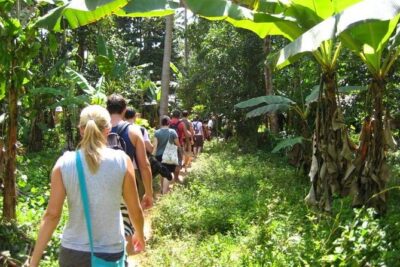

Browse the lists this tour appears in