
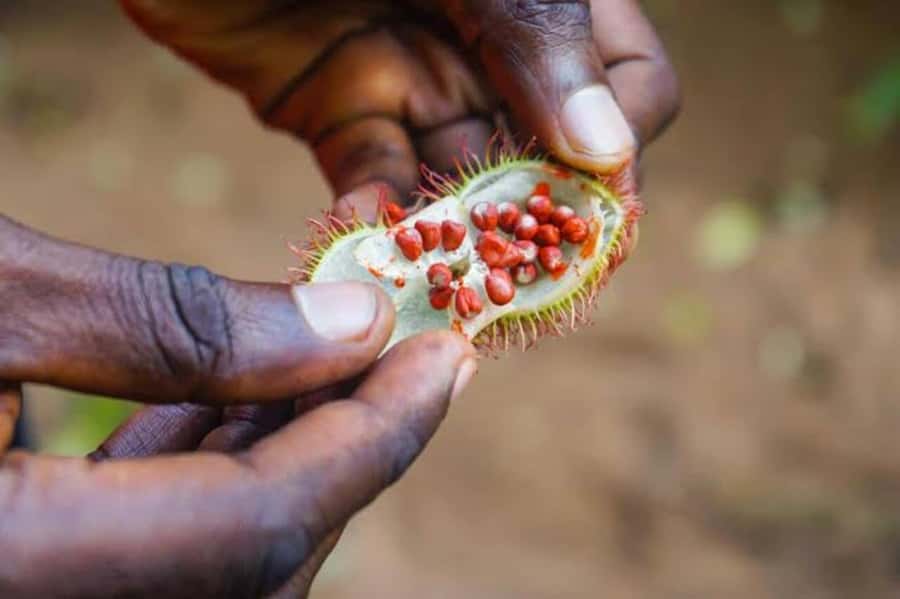
Reviewed · SPICE FARM TOURS
Zanzibar: Walking Spice Tours with Guide
Zanzibar’s spice farms let you see the island’s famous flavors before they reach a market stall. At Tangawizi Spice Farm, you walk among clove, vanilla, cinnamon, turmeric, lemongrass, nutmeg, pepper, and tropical fruit, then taste some of what you have just seen. It is a simple, hands-on way to connect Zanzibar’s food with the soil where it grows.
I like the small private-group format, which gives you a better chance to ask questions than a large bus tour. I also like the fruit tasting and the clear plant identification, especially if you have wondered what vanilla, cardamom, or turmeric looks like before processing. The main caution is that the tour can feel sales-focused, and the walking portion may be shorter than three hours once driving is counted.
Key points
- Stone Town pickup is included, with transport to Tangawizi Spice Farm and return to your hotel.
- You smell and taste the plants, rather than simply looking at labeled rows.
- The farm walk covers spices and fruit, including cloves, vanilla, cinnamon, turmeric, black pepper, papaya, jackfruit, and oranges.
- Guides may speak English, German, French, or Italian, and named guides connected with this experience include Omar, Rajem, and Pietro.
- The final spice stall is cash only, so carry some local currency or another accepted form of cash.
- The advertised price is $35 per person, including entrance, guide, pickup, drop-off, and farm-worker tips.
Why Zanzibar’s spice farms matter
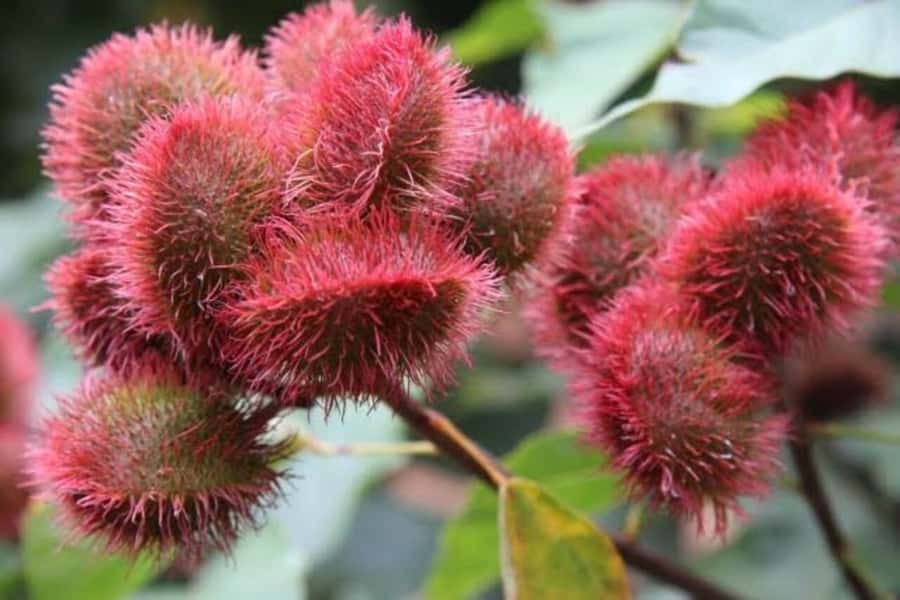
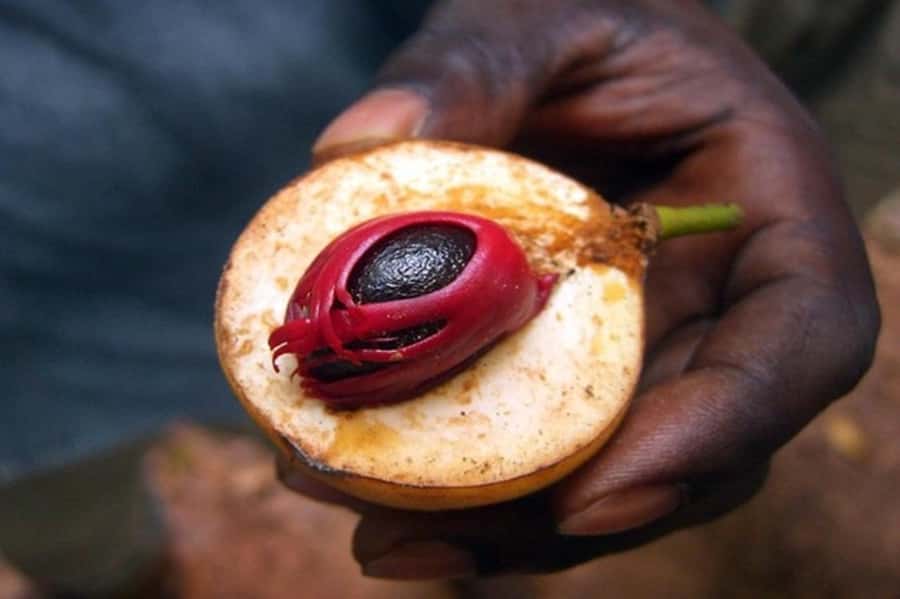
Zanzibar earned its nickname, Spice Island, through crops such as cloves, nutmeg, and cinnamon. This tour gives you a basic but useful introduction to that world by showing the plants in the ground, not just the finished packets at a shop.
That difference matters. A jar of ground turmeric tells you little about the plant itself. On the farm, you can see turmeric growing, smell its earthy scent, and connect it with the bright powder used in cooking. Cinnamon becomes more than a familiar stick, and vanilla becomes more than a flavor in ice cream.
The focus here is practical. You are not signing up for a long agricultural course or a detailed processing tour. You are getting a guided walk through an organic farm, with direct contact with spices, herbs, and fruit. For many people, that is enough to make Zanzibar’s food culture feel more real.
Other guided walks in Zanzibar:
- Stone Town Private Walking Tour
★ 5.0 · 371 reviews - Zanzibar: 3 Hours Private Stone Town walking Tour with Guide
★ 4.6 · 301 reviews - Zanzibar: Stone Town Historical Cultural Walking Guided Tour
★ 4.5 · 179 reviews
Leaving Stone Town for Tangawizi Spice Farm
The tour begins with pickup from your hotel in Stone Town. The drive to the farm takes about 30 minutes according to the supplied timing, though the exact schedule can vary. Since the total booking length is three hours, allow for the fact that some of that time is spent on the road.
That short transfer is useful if you are staying in Stone Town and want a straightforward half-day outing. You do not need to arrange a separate taxi or work out the farm location yourself. Pickup and drop-off are included for hotels in Stone Town.
This is also a good pairing with a day or two in the old city. Stone Town gives you narrow lanes, historic buildings, and markets. The spice farm gives you open walking space and a look at rural production. The two experiences show different sides of the island without requiring a full-day trip.
The activity is offered as a private group, which is a real advantage for couples, families with older children, or small groups of friends. You can ask the guide to repeat a plant name, explain a cooking use, or slow the pace when something catches your attention.
Walking through the farm, plant by plant
At Tangawizi Spice Farm, the guide leads you on foot through the shamba, the Swahili word for a farm or cultivated plot. The point is to identify plants as they grow and explain how they are cultivated.
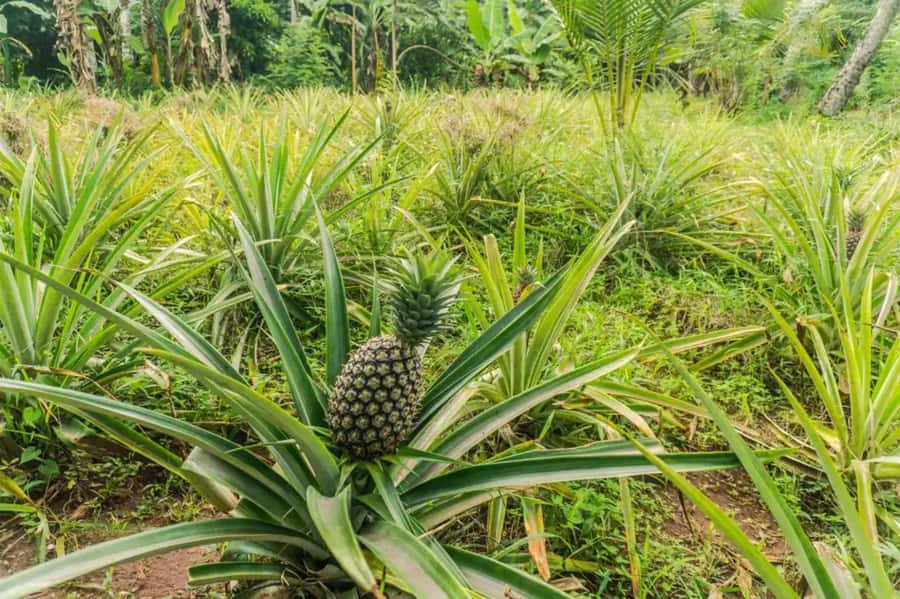
Expect to encounter cloves, lemongrass, nutmeg, cinnamon, turmeric, vanilla, chili, black pepper, cardamom, and cassava. Fruit plants may include coconuts, papaya, jackfruit, guava, avocado, pineapple, and oranges. The exact plants you see can depend on the season, but the farm is described as having a wide variety throughout the year.
The strongest part of the tour is the sensory element. You smell spices, handle or taste some of them, and sample tropical fruit. That makes the walk more memorable than a simple naming exercise. Children and food lovers often get the most from this part because the experience is easy to understand and hands-on.
The guide also points out how the plants grow. You may be surprised by the appearance of vanilla, pepper, or nutmeg before processing. Cinnamon, in particular, is more interesting when you see its source rather than only the curled sticks sold in shops.
The walking itself is not described as a strenuous hike. Still, you should wear comfortable shoes, as the route takes place on a farm rather than a paved city sidewalk. The activity is not suitable for wheelchair users or people with back problems. Babies under one year are also excluded, as are people over 95.
The fruit tasting is more than a quick snack
The fresh fruit stop is one of the better reasons to choose this tour. The tasting may include pineapple, guava, avocado, papaya, jackfruit, coconut, or oranges, depending on what is available.
You are not simply being handed a plate of anonymous fruit. The guide has already shown you where some of it grows, so the tasting feels connected to the walk. That sequence gives the experience a clear rhythm: see the plant, learn its name, then taste the result.
Food and drinks are not included as a separate part of the tour, so do not expect a full meal. The fruit tasting is part of the farm visit, but you should plan your own meals around the three-hour outing.
Other spice farm visits from Zanzibar:
- Zanzibar: Stone Town, Spice Tour, Prison Island with Lunch
★ 4.4 · 1,219 reviews - Zanzibar: Prison Island, Stone Town, & Spice Farm Tour
★ 4.5 · 579 reviews - Zanzibar: Stone Town, Spice tour & Prison Island with Lunch
★ 4.6 · 453 reviews - Full-Day Private Stone Town +Spice Farm and Prison Island Tour
★ 4.5 · 216 reviews
Guides and the quality of the explanation
Guide quality can shape this experience more than the farm itself. English, German, French, and Italian are offered. Guides associated with the activity include Omar, Rajem, and Pietro.
Some visitors have found the explanations very informative, with clear details about island plants and spices. Omar and Rajem have been connected with a tour that included turmeric, pineapple, vanilla, pepper, guava, avocado, cinnamon, curry, and nutmeg, followed by fresh fruit tasting. Pietro has also been specifically praised for his guiding.
The weaker point is consistency. Some guides may rely heavily on a prepared explanation and struggle with unexpected questions. If you want detailed information about cultivation, drying, export, or processing, ask directly at the start. This helps you find out how much depth your guide can offer.
Do not assume that every outing will include a full demonstration of drying or processing. The central activity is seeing the plants growing and learning their names and uses. It is not advertised as a factory visit or a complete production tour.
The spice stall and the sales pressure
The walk usually ends at a spice stall selling fresh, packaged spices. This gives you a chance to take home cloves, cinnamon, vanilla, turmeric, pepper, or other products connected with the farm visit.
The stall is cash only. That is an easy detail to miss, so carry cash before leaving Stone Town. Buying something is optional, but the final stop does give the outing a commercial edge.
This is where expectations matter most. Some people will enjoy browsing and buying island spices for cooking at home. Others may feel the tour turns into a sales presentation, especially if the walk has included several staff members demonstrating plants or climbing a palm.
The stated price includes tips for farm workers, so you should not need to calculate a separate gratuity for that part. However, some visitors have felt pressured to give additional tips to a guide, an assistant, or a worker who climbed a palm without being asked. If that concerns you, clarify politely at the beginning which tips are covered and which, if any, are voluntary.
This does not cancel out the value of the farm visit, but it is worth knowing. You can enjoy the walk without feeling obliged to purchase spices or pay for every extra demonstration.
Is three hours enough?
Three hours is enough for a compact introduction, especially if you want to keep your afternoon free for Stone Town. It allows time for the drive, guided walking, tasting, and the spice stall.
The actual farm portion may feel closer to two hours, particularly once transport is counted. Some outings have lasted about two and a half hours in total. If you are expecting a long plantation walk across a large farm, this may seem short.
The practical value of the shorter format is flexibility. You can combine it with a city walk, a meal, or another Stone Town activity. The trade-off is that you may not see a large area or get a detailed look at cultivation and processing.
Think of it as a guided introduction, not a full agricultural tour. That is a fair match for the price and duration.
The $35 price and what it covers
At $35 per person, the tour includes hotel pickup and drop-off in Stone Town, entrance to the farm, and a live guide. The price also includes tips for farm workers according to the activity details.
That makes the cost reasonable if you value door-to-door transport and a private group. A self-arranged taxi, farm entrance, and independent visit could involve more planning, even if the final cost were lower.
The value is less convincing if your main goal is to tour a large working plantation or study spice processing. The farm walk is focused on identification, tasting, and basic cultivation information. The sales stop also means part of your time is connected to shopping.
I would judge the price by your expectations. For a half-day introduction to Zanzibar’s spice plants, $35 is fair. For an in-depth farm or food production tour, you may want to ask detailed questions before booking.
Who will enjoy this outing most
I would recommend this experience to you if you want a low-effort cultural activity close to Stone Town. It suits food lovers, first-time visitors, couples, small private groups, and families with children old enough to walk comfortably on a farm.
It is also a good choice if you prefer seeing ordinary working plants to spending another morning inside shops or museums. The smells and tastings give the tour a clear purpose, and the plant names can help you understand Zanzibar’s cooking for the rest of your trip.
You may want to skip it if you dislike shopping stops, sales pitches, or repeated requests for tips. It is also a poor fit if you need wheelchair access, have back problems, or want a long, demanding walk.
Bring comfortable shoes and a camera. Carry cash for the spice stall, and remember that food and drinks beyond the farm tasting are not included.
Should you book the Tangawizi Spice Farm walk?
Book it if you want a short, private, sensory introduction to Zanzibar’s spices with Stone Town transport handled for you. The best parts are seeing the plants in the soil, smelling and tasting them, and sampling fresh tropical fruit.
Go in with modest expectations. You may not see ten hectares of farm, a full drying operation, or a detailed processing facility. The walk can be shorter than expected, and the final shop may feel more prominent than you would like.
For a first visit to Zanzibar, I think the tour makes sense when you want something easy, local, and different from Stone Town’s streets. Ask about the guide, confirm the tipping arrangement, bring cash, and treat the spice stall as optional. With that approach, you are more likely to enjoy the plants, flavors, and useful glimpse of rural island life.
FAQ
Where does the spice tour begin?
Pickup is provided from hotels in Stone Town.
Which farm does the tour visit?
The tour visits Tangawizi Spice Farm.
How long does the activity last?
The listed duration is three hours, including pickup, transport, the guided farm walk, and the return to Stone Town. Some timing details indicate that the walking portion may be shorter once driving is included.
What spices and plants can I see?
The farm may include cloves, lemongrass, nutmeg, cinnamon, turmeric, vanilla, chili, black pepper, cardamom, cassava, coconuts, papaya, jackfruit, pineapple, guava, avocado, and oranges.
Is food included?
Food and drinks are not included. The experience does include smelling and tasting spices, herbs, and tropical fruit during the farm visit.
Which languages are available?
Guides are available in English, German, French, and Italian.
Is the tour private?
Yes. The activity is offered for a private group.
Can I cancel the booking?
You can cancel up to 24 hours in advance for a full refund. The reserve-now, pay-later option is also available.
More walking tours in Zanzibar
- Stonetown: Food Markets and Street Food Walking Tour
★ 4.7 · 151 reviews - Zanzibar Stone Town Walking Tour
★ 5.0 · 145 reviews - Stone Town Historical Walking Tour
★ 5.0 · 143 reviews - Walking City Tour in Zanzibar Island
★ 5.0 · 122 reviews
Just added in Zanzibar
- Jet Ski Experience from Kendwa Beach★ 5.0 · 21 reviews
- Zanzibar: Parasailing Experience with Instructor★ 4.2 · 17 reviews
- 2h-Quad Zanzibar: Explore the heart of zanzibar by Quad★ 4.8 · 22 reviews
- From Zanzibar: 3-Day Selous Safari Trip with Flights★ 4.4 · 22 reviews
- Stone Town: Sunset Dhow Cruise Experience★ 4.0 · 22 reviews
- Stonetown Historical Walking Tour & Traditional Lunch★ 4.8 · 22 reviews
- Private airport transfers in Zanzibar★ 5.0 · 24 reviews
- Stone Town Historical and Cultural Walk with Ally Jape★ 5.0 · 23 reviews
Spice Farm Tours, compared.

Stone Town, Spice Tour, Prison Island with Lunch
Read our review →
Full-Day Private Stone Town +Spice Farm and Prison Island Tour
Read our review →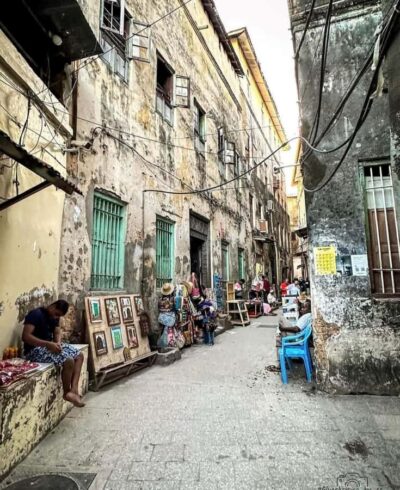


The Swahili Spice Experience – Spice Tour + Culinary Journey
Read our review →
Zanzibar full day Jozani forest + Spice farm and stone town
Read our review →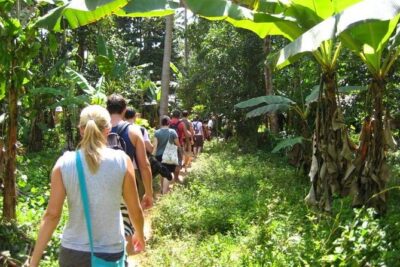

Browse the lists this tour appears in