
Reviewed · MAASAI VILLAGE TOURS
24 Hours in Arusha—Arusha Museum, Cultural Heritage, Maasai Market, Shanga
Arusha’s best city sights are spread out, so this private day tour saves you from piecing together taxis, traffic, and opening times. You move from tanzanite and tribal art at the Cultural Heritage Centre to handmade glass and jewelry at Shanga, then finish with shopping and Tanzania’s early history.
I like the door-to-door transport and the chance to see how Shanga’s crafts are made, not just browse a finished product shop. Lunch is included, and guide Daniel has been praised for being punctual, courteous, personable, and well informed about Arusha and Tanzania.
The main drawback is the pace. Four stops, each planned for about three hours, create a long day with plenty of shopping and indoor displays, but little time for simply wandering Arusha’s streets. At $205 per person, the value depends on how much you want private transport and a guide rather than a cheaper, self-guided city outing.
Key points to know before booking
- Four major stops in one day: Visit the Cultural Heritage Centre, Shanga, the Maasai Market, and Arusha’s old German boma museum.
- Private transport from your accommodation: Your group travels together, with pickup and drop-off included.
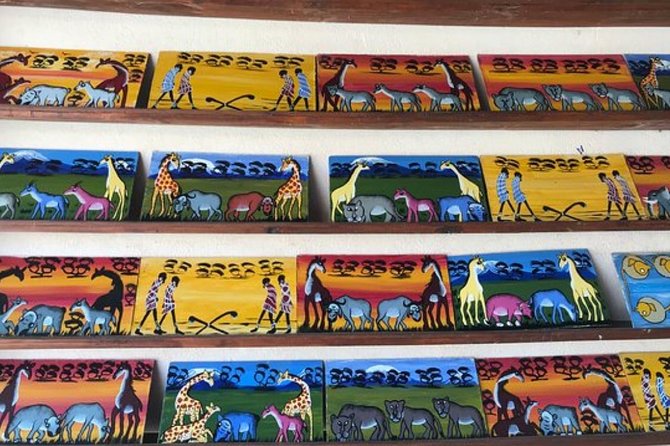
- A strong look at handmade work: Shanga lets you watch glass-blowing, weaving, sewing, bead-making, Tinga Tinga painting, and metal work.
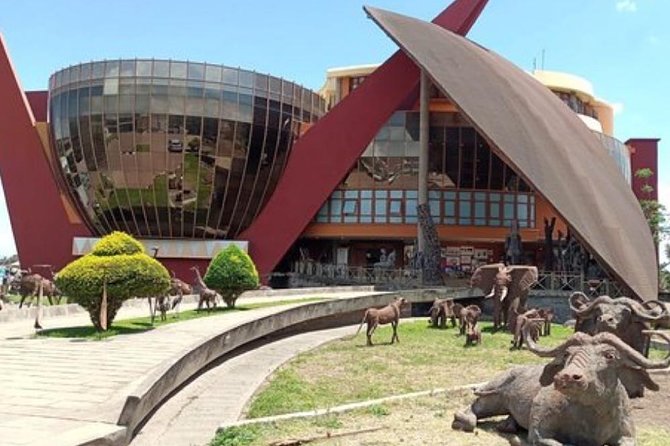
- Tanzanite and local crafts: Cultural Heritage combines art galleries, jewelry, textiles, spices, antiques, and precious stones in one large complex.
- Lunch and admission are covered: You pay extra for personal purchases, alcoholic drinks, tips, and other expenses.
- A full 12-hour schedule: The day begins at 8:00 am, so it suits you best if you have one open day in Arusha.
Why this Arusha day tour works
Arusha is often treated as a launch point for safari or Kilimanjaro. That is a mistake if you have even one spare day. The city has museums, craft centers, markets, and social enterprises that give you a better sense of Tanzania than a quick stop at a hotel ever will.
This tour groups the main sights into one private route. That matters because Arusha traffic can eat up time, and the attractions are not all next door to one another. With a dedicated vehicle, you do not need to bargain for several rides or keep checking the clock.
The private format also gives your group more control than a large bus tour. You can ask questions, spend time examining objects, and discuss what you are seeing with the guide. The tradeoff is cost. At $205 per person, this is not a bargain city shuttle, especially for a solo participant. It makes more financial sense for people who value convenience, a private vehicle, and a full day of guided visits.
The advertised start is 8:00 am. Plan on roughly 12 hours, since each of the four stops is allocated about three hours. That is a substantial day, but it covers enough ground to make good use of a short stay.
More of the history on foot in Arusha:
- Arusha Guided Walking City Tour, Culture, Lifestyle & History
★ 5.0 · 150 reviews - 4 Days Wildlife Safari and Cultural Experience in Tanzania
★ 5.0 · 23 reviews - Materuni Waterfalls & Coffee making Cultural Tour | BURIGI CHATO SAFARIS LTD
★ 5.0 · 15 reviews
Cultural Heritage Centre: art, jewelry, and Tanzanian stones
The Cultural Heritage Centre is the broadest stop on the route. It is part gallery, part shopping center, part jewelry showroom, and part food stop. You can browse local crafts, antiques, ornaments, textiles, clothing, accessories, books, spices, and commercial art without rushing from one small shop to another.
The jewelry section is a major reason to come. The center displays precious and semi-precious stones such as rubies, emeralds, tsavorite, diamonds, sapphires, and opals. Tanzanite gets special attention because this blue-violet stone is closely associated with Tanzania and is one of the country’s best-known luxury products.
You should treat this as both a cultural visit and a shopping stop. If you are looking for a serious jewelry purchase, take your time, ask questions, and keep your budget clear. If you are not shopping, the art gallery, textiles, spices, antiques, and smaller craft items give you plenty to examine.
The planned three hours is generous. That helps if you want to compare items, but it can feel long if you prefer museums to shops. A useful approach is to decide before arrival whether you are mainly interested in art, jewelry, souvenirs, or the stone collection. That keeps the first stop from consuming all your energy.
Admission is included, and a restaurant is available at the center. Lunch is also included in the tour, though the supplied details do not specify the exact restaurant or menu. You can expect the stop to provide a practical break as well as an introduction to Tanzanian design and trade.
Shanga: watching skilled work take shape
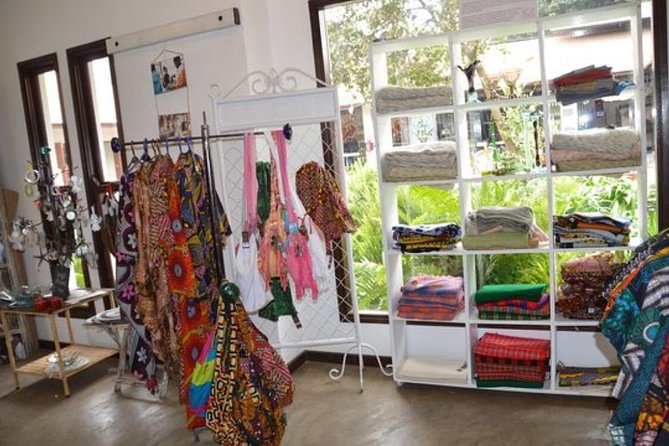
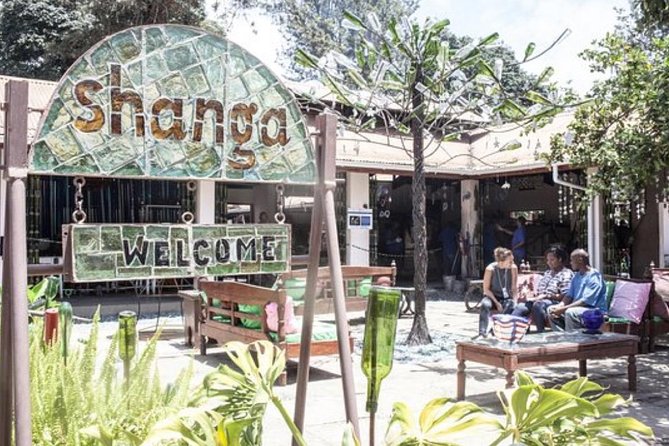
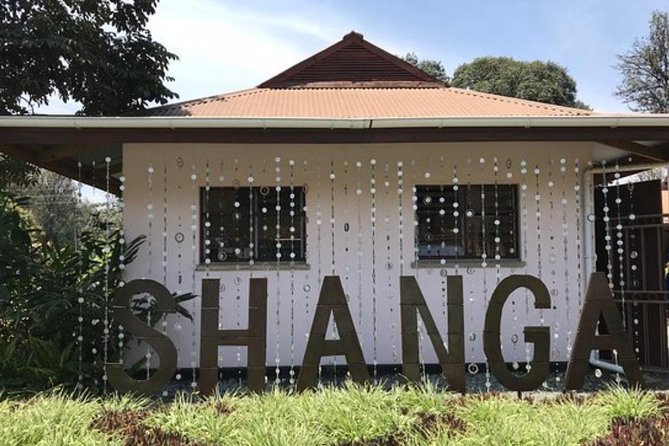
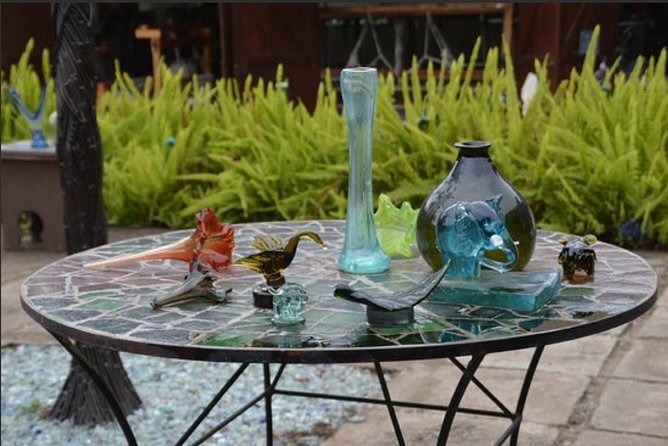
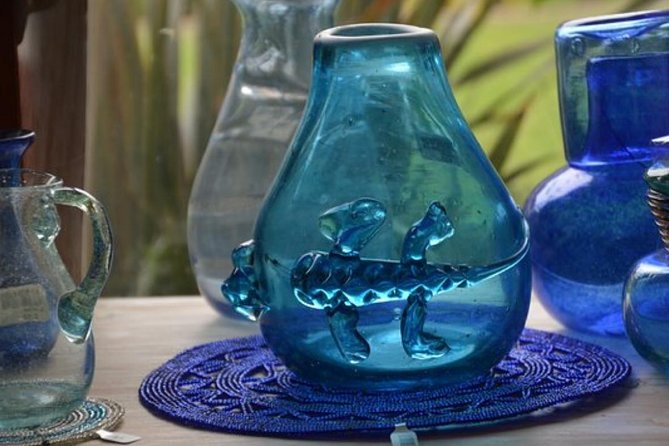
Shanga offers the most distinctive visit of the day. It is a social enterprise employing people with disabilities to make jewelry, glassware, home goods, and other crafts from handmade and recycled materials.
The important part is the workshop access. You are not only looking at finished goods in a shop. You can watch glass-blowing, weaving, sewing, bead-making, Tinga Tinga painting, and metal work. Seeing the process gives more meaning to the price of an item and helps you understand the time and skill behind it.
The shop features Shanga’s own handmade products. You might find jewelry, glass pieces, household objects, and gifts suitable for packing home. Profits are reinvested into creating more work opportunities for people with disabilities, so purchases support the purpose of the enterprise as well as the maker’s craft.
I would give this stop your full attention even if you are not planning to buy anything. The workshop is the point. The objects become more interesting when you have seen the hands, tools, and repeated movements used to make them.
Three hours is again a long allocation, but it gives you room to watch several kinds of work and browse the shop without pressure. The pace may depend on which workshop activities are taking place during your visit. The tour description names the work areas, but it does not promise a particular live demonstration at a fixed time.
Maasai Market: shopping with patience and a plan
The Maasai Market Curios and Crafts stop is the most active shopping experience on the route. You will find many stalls selling similar types of goods, along with other stalls carrying different items. Baskets, carvings, jewelry, textiles, and small gifts are among the kinds of products you may encounter.
The market can feel overwhelming at first because there is so much to look at. Vendors may invite you into their stalls, offer a basket for collecting possible purchases, and encourage you to touch the goods. The atmosphere described for this market is direct but polite. You may hear the word mzungu, a Swahili term for a foreign person, as sellers try to attract your attention.
Go in with a clear idea of what you want. If you are buying gifts for family and friends, make a short list before you arrive. Look around several stalls before committing, and ask your guide for help if you need to understand an item or manage the shopping process.
The market is a better fit for you if you enjoy browsing and bargaining. It is less appealing if you dislike sales pressure or prefer clearly priced stores. Even so, the reported tone here is respectful, and vendors may thank you even when you do not buy. That makes it easier to look without feeling that every conversation must end in a purchase.
As with Cultural Heritage Centre, the full three-hour allocation may be more than you need if shopping is not a priority. You can make the most of it by setting a spending limit and leaving room in your luggage.
Other village visits from Arusha:
- 5 Days Camping Tarangire, Serengeti & Ngorongoro crater & Visiting Maasai
★ 5.0 · 229 reviews - Maasai village visit, Materuni waterfalls & coffee experience
★ 4.5 · 95 reviews - Materuni Waterfalls, Visiting Chagga Village, CoffeeTour Kikuletwa Hotsprings
★ 5.0 · 63 reviews - Hidden Arusha Waterfall, Coffee & Village Tour (All-Inclusive)
★ 5.0 · 42 reviews
Arusha Museum: Tanzania’s past inside the old German boma
The final listed stop is the Arusha National Natural History and Cultural Museum, located inside an old German boma, or fortified compound, completed in 1900. The setting gives the visit a physical link to Arusha’s colonial period before you even enter the displays.
The museum has three broad areas. The strongest is the section on human evolution, an important subject in Tanzania because fossils found in the country have helped shape what we know about early human development.
Other displays cover insects, Arusha during the German colonial era, and wildlife photographs and mounts. This makes the museum a useful stop after the craft centers. Instead of looking only at present-day products and customs, you get a compact introduction to science, colonial rule, and wildlife.
Do not expect a huge national museum. The value is in the combination of subject areas and the old building. If you have a special interest in human evolution, this may be one of the day’s most meaningful stops. If your main goal is shopping or contemporary art, it may feel quieter than the first three locations.
The three-hour allocation seems generous for a museum of this scale. Your guide can help place the exhibits in context, and the private format gives you an opportunity to ask questions rather than simply pass through display rooms.
Lunch, transport, and what the $205 price covers
The tour price is $205 per person. It includes lunch, entrance fees, private transportation, drinking water, and soft drinks during game drives. Since this is a city tour rather than a game drive, the water and soft drinks are best viewed as useful refreshments included with the day.
The biggest part of the value is the private vehicle and the time saved. You are not responsible for arranging separate rides between the Cultural Heritage Centre, Shanga, the market, and the museum. Pickup and drop-off at your accommodation also simplify the beginning and end of a long day.
Admission is included at the Cultural Heritage Centre, Shanga, the Maasai Market, and the museum. You will still need money for souvenirs, jewelry, crafts, personal items, alcoholic drinks, and tips. Accommodation, visa costs, and camera-related personal expenses are not included.
For a couple or small private group, the price may be reasonable if you want a guide-led overview with transport and lunch handled in one booking. For someone staying several days in Arusha, a self-guided visit or separate local rides could cost less, though you would give up some convenience and coordination.
Who will get the most from this experience
This tour suits you if you have one free day before or after a safari and want to see more than a hotel, airport, or lodge. It also works well for first-time visitors who want a structured introduction to Arusha without having to plan every ride.
You will probably enjoy it most if you like:
- Handmade goods and local design
- Jewelry, stones, and Tanzanian art
- Museums with a focus on human evolution and colonial history
- Social enterprises and craft workshops
- Shopping for gifts and souvenirs
- Private guiding rather than a large group
It is less suitable if you want a slow walking tour, a food-focused city experience, or a day centered on wildlife. The itinerary is built around four attractions, with a heavy emphasis on crafts and shopping. The city itself is mostly seen in transit between stops rather than through long neighborhood walks.
The tour is listed as suitable for most participants, but the supplied details do not provide specific mobility information. If you have accessibility needs, ask the provider before booking so you can confirm the transport and sites will work for you.
Practical booking advice for a 12-hour day
Keep the 8:00 am start in mind. You are committing to a full day, not a short half-day outing. Wear comfortable clothing and shoes, bring space for purchases, and carry a way to track your spending at the markets.
The booking receives instant confirmation, and the activity is private, so only your group participates. Group discounts are offered, which can improve the value for families or friends traveling together.
Free cancellation is available when you cancel at least 24 hours before the local start time. Changes or cancellations inside that window are not accepted for a refund. The tour also requires good weather and a minimum number of participants. If poor weather or low enrollment causes cancellation, you are offered another date, another experience, or a full refund.
Should you book this Arusha city tour?
Book it if you have one open day, want private transport, and prefer a ready-made route through Arusha’s major cultural and shopping stops. The Shanga workshop and the human evolution displays at the old boma give the day more substance than a simple souvenir run.
Think twice if $205 feels high for a shopping-heavy day or if you would rather explore independently. The schedule is long, and three hours at each stop may feel excessive if you are not interested in crafts, jewelry, markets, or museums.
For the right visitor, this is a practical introduction to Arusha. Guide Daniel’s punctual, courteous service adds confidence to a day where timing and transport matter. I would choose it for a short stay, especially when a private group wants one organized day before heading into the wider Tanzania experience.
FAQ
What time does the tour start?
The stated start time is 8:00 am. The experience lasts approximately 12 hours.
Is this a private tour?
Yes. Only your group participates in the activity.
What stops are included?
The route includes the Cultural Heritage Centre, Shanga and the Shanga Foundation, the Maasai Market Curios and Crafts, and the Arusha National Natural History and Cultural Museum.
Is lunch included?
Yes. Lunch is included in the tour price.
Is transportation provided?
Yes. Private transportation, pickup, and drop-off at your accommodation are included.
What is not included in the price?
Alcoholic drinks, accommodation, visa costs, camera-related personal expenses, personal purchases, other expenses not listed, and tipping are not included.
More market and street food tours in Arusha
- Arusha: Traditional Tanzania Cooking Class & Food Market Tour
★ 5.0 · 34 reviews - Street Food and Community Walking Tour
★ 5.0 · 12 reviews - Arusha: Traditional Tanzania Cooking class& Food Market Tour
★ 4.9 · 12 reviews - Stonetown: Food Markets and Street Food Walking Tour
★ 4.7 · 151 reviews
Just added in Arusha
- 4 Days Private Midrange Lodge Safari to Serengeti & Ngorongoro★ 5.0 · 4 reviews
- Extraordinary Hot air Bolloon ride in Serengeti | BURIGI CHATO SAFARIS CO L.T.D★ 5.0 · 6 reviews
- 3 days leopard safaris★ 5.0 · 4 reviews
- 8 Days Serengeti Migration safari★ 5.0 · 11 reviews
- tarangire, ngorongoro & lake manyara park 3 days private tour★ 5.0 · 11 reviews
- serengeti, ngorongoro & tarangire 4 days private tour★ 5.0 · 18 reviews
- tarangire & ngorongoro 2 days tour★ 5.0 · 14 reviews
- Mt. Kilimanjaro: Shira plateau to Cathedral point 3872m Day hike★ 5.0 · 7 reviews
Maasai Village Tours, compared.

Sea Turtle Swim at Salam Cave in Kizimkazi Village
Read our review →

Maasai village visit, Materuni waterfalls & coffee experience
Read our review →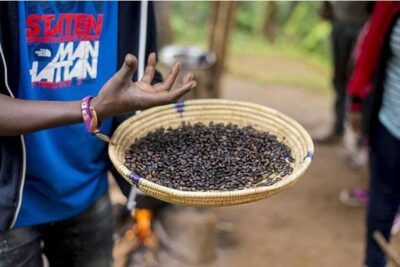
Materuni Waterfalls, Visiting Chagga Village, CoffeeTour Kikuletwa Hotsprings
Read our review →
5 Days Camping Tarangire, Serengeti & Ngorongoro crater & Visiting Maasai
Read our review →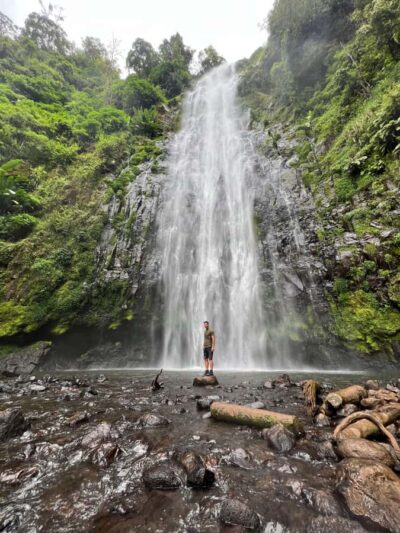

Browse the lists this tour appears in