
Reviewed · MARKET & STREET FOOD TOURS
Arusha: Traditional Tanzania Cooking class& Food Market Tour
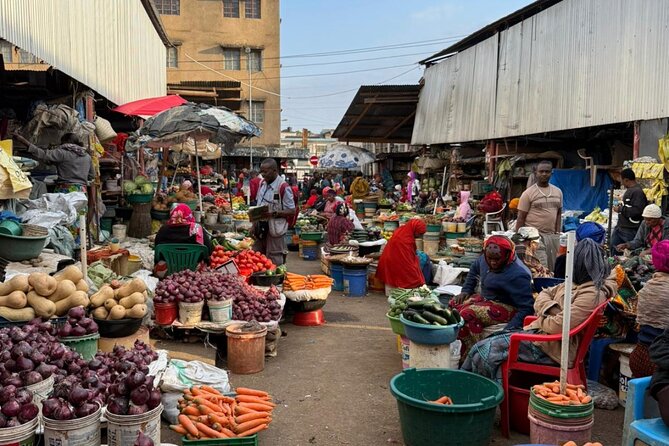
Arusha’s food story begins at the market, not at a restaurant. You’ll walk through stalls of produce, meat, fruit, and dry goods with a local guide, then use some of those ingredients in a home-style cooking session. Liroy and Israel have guided parts of the market visit, while Neema has led the kitchen work.
I like two things especially: you help choose the ingredients instead of cooking from a fixed tourist menu, and you learn dishes that Tanzanians actually eat, including chapati, ugali, plantain banana, and vegetables. The main consideration is that the cooking space is a modest local home, and food hygiene may not match standards you are used to at home.
Key points
- Central Arusha market visit: Allow 30 to 50 minutes to see produce, meat, fruit, and dry foods while asking questions and taking photos.
- Hands-on cooking: Neema demonstrates each step, then lets you complete much of the work yourself.
- Flexible menu: You can choose three dishes from four common local foods, with stewed or barbecued meat available as an option.
- Shared meal: Sit down with the guides and cook after preparing the food, with leftovers sometimes available to take back to your hotel.
- Hotel pickup: Pickup and return are included for hotels near Arusha city center.
- Bring the right clothes: Wear comfortable shoes, comfortable clothes, and long pants. Drinks are not included.
Arusha’s market is the real beginning
The best part of this experience may happen before the cooking begins. At Arusha’s central food market, you get a practical look at what people buy and cook, rather than a quick explanation of Tanzanian food in a classroom.
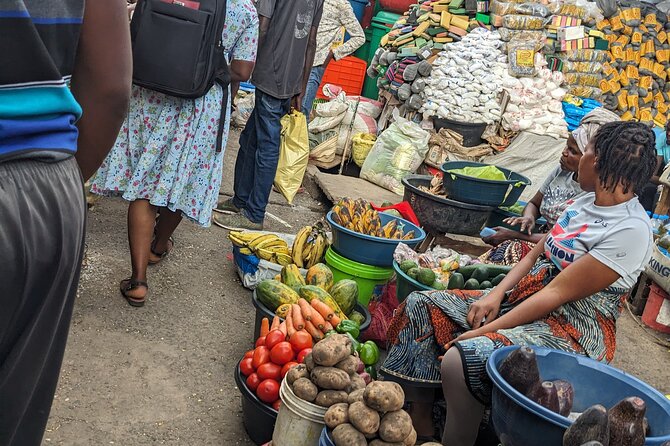
Plan on 30 to 50 minutes in the market. You’ll see dry foods, meat, fruit, vegetables, and other cooking staples. Your guide can explain the products, the vendors, and daily life in town. This is also the time to ask how ingredients are used at home, which foods are seasonal, and what makes a dish distinctly Tanzanian.
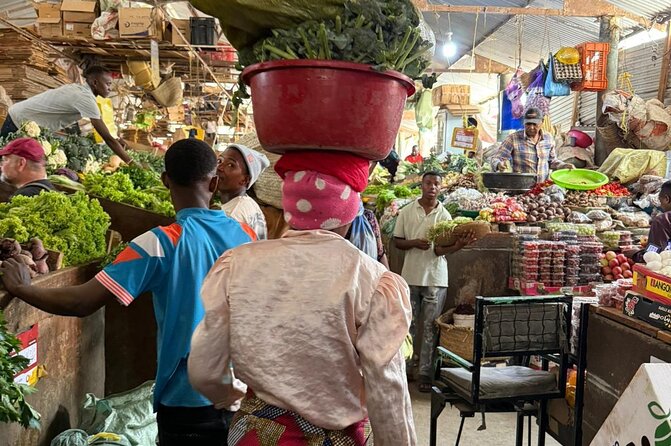
I like that the market visit is not just a photo stop. You can interact with local people, take pictures, and help select ingredients for the meal. One version of the outing includes a second, smaller market stop for additional supplies. That gives the food lesson a useful context: you are not only told what goes into the dish, you see where it comes from and take part in buying it.
Markets can be crowded and active. Workers may carry heavy loads through the aisles, so stay close to your guide and watch where you step. Brian, one of the participants, specifically appreciated the way his guide moved him aside when workers passed. That small detail matters in a busy market.
Other classes where you cook in Arusha:
- NGO Lifted Strong – Traditional Tanzanian Cooking Class
★ 5.0 · 39 reviews - Arusha: Traditional Tanzania Cooking Class & Food Market Tour
★ 5.0 · 34 reviews - Cooking and Sewing & Jewelry Workshops in Arusha
★ 5.0 · 14 reviews
Cooking in a local home with Neema
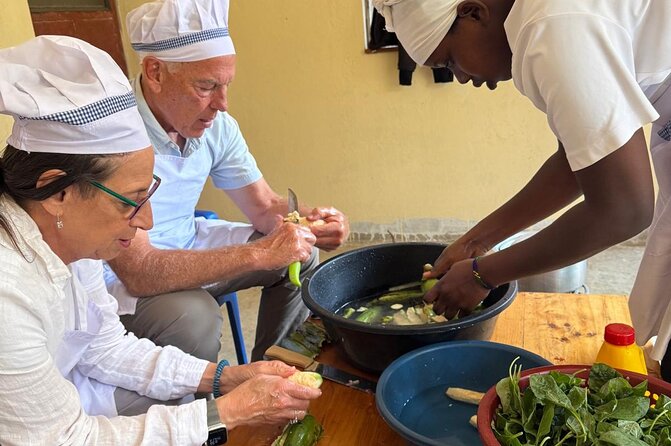
After the market, you continue to a local home for the cooking class. The setting is simple, with a small kitchen area and a washroom, rather than a polished cooking school designed for tourists. That is part of the appeal, but it also means you should arrive ready for a basic setup.
Chef Neema demonstrates the preparation one step at a time. You then take over parts of the work while she handles another task. This keeps the class practical. You are not standing at a counter watching a chef do everything while you take notes.
The class can last from one to three hours. That is a wide range, so your total pace will depend on the menu, the size of the group, and how much guidance you need. One participant found the cooking slower than expected, but felt the final meal made the extra time worthwhile. If you have a tight connection, safari departure, or evening plan, leave a generous buffer after the advertised five-hour duration.
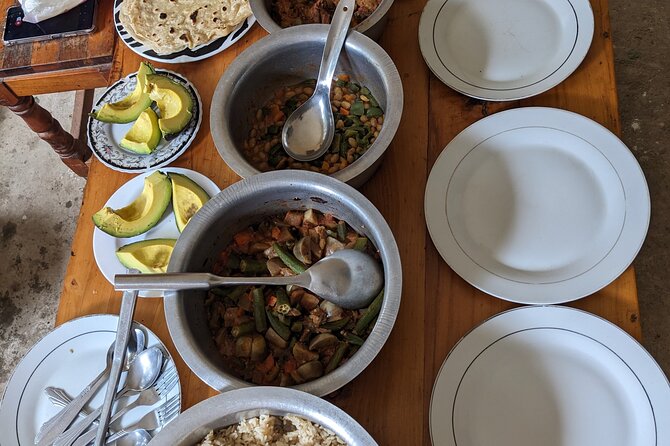
The usual food choices include plantain banana, chapati, ugali, and vegetables. You choose three of the four dishes, and meat can be added as a stew or barbecue-style dish. The menu gives you a good cross-section of Tanzanian home cooking:
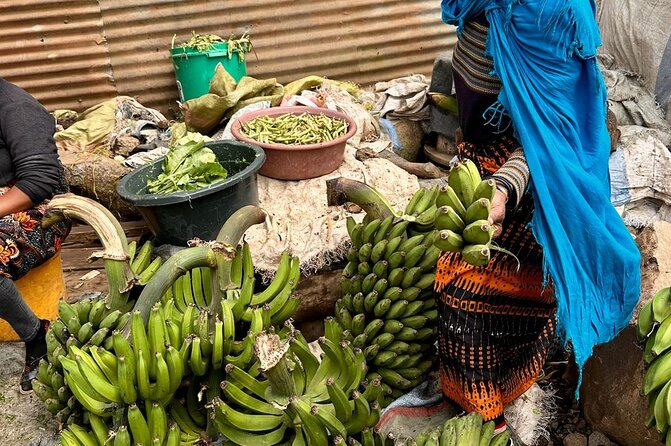
- Plantain banana: A filling staple with a texture and flavor different from the sweet bananas many people know.
- Chapati: A flatbread prepared by hand, with the cooking process providing a useful lesson in dough and heat.
- Ugali: A firm maize-based food that is central to many East African meals and is often used to scoop up other foods.
- Vegetables: A simple way to see how local produce is prepared and seasoned.
- Meat option: Stewed or barbecued meat is available if you prefer a more substantial plate.
The class uses charcoal and propane stoves. You should expect a working kitchen, not restaurant-style equipment. That makes the lesson more useful if you want to repeat the food at home, since the methods are approachable and the ingredients are familiar enough to find in many places.
A meal you helped prepare
Once the food is ready, everyone sits down to eat. This shared meal is more than the final course of the tour. It is the point where the market visit and the kitchen lesson come together.
You get to taste the dishes while they are fresh and ask questions about how they are normally served. The guides and chef may join you, making the meal a relaxed chance to talk about food, Arusha, and life in Tanzania. The personal side of the experience has been a major strength, with visitors describing Liroy, Israel, and Neema as attentive, warm, and easy to talk with.
If enough food remains, you may be able to pack some for another meal at your hotel. Do not count on this as part of the meal plan, but it can be a pleasant extra after a full cooking session.
Drinks are not included. Water was obtained for one participant during the day, but you should still plan to bring or purchase what you need. Beer and other drinks are separate costs. The activity information does not specify that drinks are provided, so do not arrive expecting a beverage service with lunch.
What the price means at $45
At $45 per person, this is a good value if you want more than a market walk. The price includes hotel pickup and drop-off near central Arusha, the market visit, ingredients, instruction from a local chef, and the meal you prepare.
A restaurant meal alone would usually be less personal. A cooking class elsewhere might charge for instruction and ingredients but not include transport or a market visit. Here, the cost covers a connected experience: buying food, preparing it, and eating it.
The value is strongest for someone who likes participation. If you only want to sample Tanzanian food, a restaurant or food tour may be simpler. You will spend a fair part of the day moving through a market and working in a kitchen, so the benefit comes from the process as much as the meal.
The five-hour duration also makes it a useful fit between longer safari activities. Pickup is offered from hotels near Arusha city center, but the information does not promise pickup from every property in the wider region. Confirm your hotel location before booking.
More eating your way around Arusha:
- Street Food and Community Walking Tour
★ 5.0 · 12 reviews - 24 Hours in Arusha—Arusha Museum, Cultural Heritage, Maasai Market, Shanga
★ 5.0 · 4 reviews - Stonetown: Food Markets and Street Food Walking Tour
★ 4.7 · 151 reviews - Authentic Street Food Tours in Stone Town, Zanzibar
★ 5.0 · 46 reviews
Food safety and comfort in the kitchen
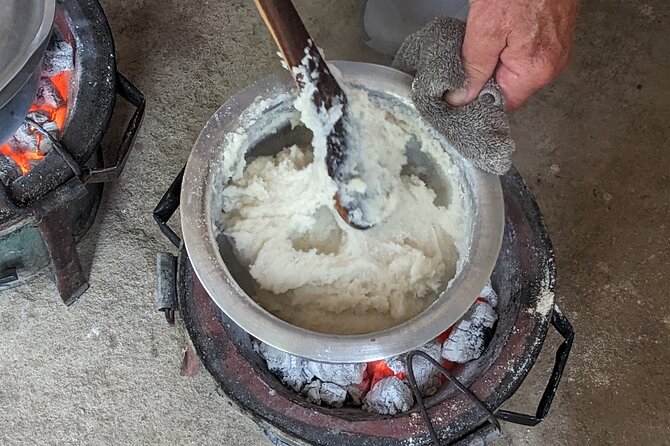
You should know what kind of kitchen you are entering. One participant noted that the soap, handwashing, and cutting-board practices did not meet United States standards, particularly after handling meat. The food was fully cooked, but the observation is worth taking seriously.
Bring hand sanitizer if that makes you more comfortable, and wash your hands whenever water and soap are available. If you have strong food allergies or strict dietary needs, discuss them before booking. The available information confirms the standard dishes and meat option, but it does not promise a separate allergy-safe preparation area.
The class takes place in an ordinary local home, so comfort levels may vary. Wear clothes you can work in and long pants, as requested. Comfortable shoes are useful for both the market and the kitchen. Weapons and sharp objects are not allowed, which is a standard security rule for the outing.
This is not the right choice if you require a highly polished kitchen, formal instruction, or tightly controlled food preparation. It is a better match if you accept a basic setting in exchange for direct contact with local cooking.
The people make the difference
The food is the reason to book, but the guides shape the day. Liroy has led market walks with detailed explanations of products and town life. Israel has also worked as a guide, helping with the market and the cooking visit. Neema leads the cooking and gives the class its hands-on character.
The guide’s role is especially important in the market. Without someone to explain what you are seeing, the stalls could blur into a long line of unfamiliar ingredients. With guidance, you can connect each product to a dish and understand why people buy it.
The cooking also feels more personal because you are not placed in a large demonstration group. The information does not provide a fixed group size, so you should ask when booking if that matters to you. Experiences can vary with the number of people and the amount of food being prepared.
Photography is allowed during the tour. Ask before photographing individual vendors or people, and follow your guide’s lead. A market is a workplace first, so a little courtesy goes a long way.
Timing, transport, and planning your day
The advertised duration is five hours, with hotel pickup and return included. The cooking portion may take one to three hours, and the market visit normally takes 30 to 50 minutes. The remaining time allows for transport, shopping, preparation, and the meal.
The activity information also contains a separate itinerary entry showing a longer 12-hour block in Arusha. Since the main description gives five hours, confirm the start and finish time when you book, especially if you are arranging airport transport, a safari, or another tour.
Pickup is from hotels in Arusha town, particularly properties near the city center. If you are staying farther out, ask whether the provider can collect you or whether you need to reach a central meeting point.
The tour is conducted in English. The guide-led market walk and step-by-step kitchen work should suit you if English is comfortable for you. Bring a phone or camera if you want photos, but keep your hands free enough to walk safely and help with cooking.
The provider allows cancellation up to 24 hours before the activity for a full refund. You can also reserve and pay later, which helps if your Arusha plans are still changing.
Who should book this experience?
I would choose this class if you want a personal introduction to Tanzanian food and prefer doing things over simply watching. It works particularly well for couples, small groups, solo visitors who enjoy meeting local people, and anyone collecting recipes from a trip.
It is also a good choice for curious eaters who want to understand ingredients before tasting them. The market adds value because you see the food in its everyday setting, then use it in a meal the same day.
Families may enjoy the hands-on format, but the market can be crowded and the kitchen setup is basic. Parents should decide if their children will be comfortable walking through a busy food market and taking part in food preparation.
I would skip it if you want a luxury culinary experience, a set start-to-finish schedule, or a restaurant-standard kitchen. I would also think twice if you have serious dietary restrictions that require strict separation of ingredients. The menu is traditional and flexible to a point, but no special dietary arrangements are confirmed.
Should you book the Arusha cooking class?
Book it if you want to meet local people, shop for ingredients, learn several everyday dishes, and share a meal in a simple home setting. The strongest reasons are the market-to-kitchen format, the chance to choose your food, and the patient, personal approach from guides such as Liroy, Israel, and Neema.
Go in with realistic expectations. This is not a luxury class, drinks are extra, the kitchen is modest, and food handling may feel less controlled than at home. Wear practical clothes, bring patience, confirm your pickup time, and allow the full five hours, or longer if your cooking session runs slowly.
For $45, you receive transport, a guided market visit, ingredients, instruction, and lunch. If those pieces sound like a good use of your morning or afternoon, this is one of the more useful ways to get beyond the safari circuit and learn how food connects to daily life in Arusha.
FAQ
How long does the Arusha cooking class and market tour last?
The advertised duration is five hours. The market visit usually takes 30 to 50 minutes, while the cooking class can last from one to three hours.
Where does hotel pickup take place?
Pickup and drop-off are provided from hotels in Arusha town, especially near the city center. Confirm your exact hotel location when booking.
Which dishes can I cook?
The standard choices are plantain banana, chapati, ugali, and vegetables. You can choose three of these four dishes. Stewed or barbecued meat is also available as an option.
Are drinks included?
No. Drinks are not included in the activity price, so plan to buy or bring what you want to drink.
Is the tour offered in English?
Yes. The tour includes a live English-speaking guide.
What should I bring?
Bring comfortable shoes, comfortable clothes, and long pants. You may take photos during the tour, and weapons or sharp objects are not allowed.
Just added in Arusha
- 4 Days Private Midrange Lodge Safari to Serengeti & Ngorongoro★ 5.0 · 4 reviews
- Extraordinary Hot air Bolloon ride in Serengeti | BURIGI CHATO SAFARIS CO L.T.D★ 5.0 · 6 reviews
- 3 days leopard safaris★ 5.0 · 4 reviews
- 8 Days Serengeti Migration safari★ 5.0 · 11 reviews
- tarangire, ngorongoro & lake manyara park 3 days private tour★ 5.0 · 11 reviews
- Mt. Kilimanjaro: Shira plateau to Cathedral point 3872m Day hike★ 5.0 · 7 reviews
- serengeti, ngorongoro & tarangire 4 days private tour★ 5.0 · 18 reviews
- tarangire & ngorongoro 2 days tour★ 5.0 · 14 reviews
Market & Street Food Tours, compared.
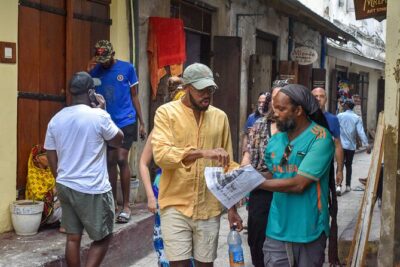
Authentic Street Food Tours in Stone Town, Zanzibar
Read our review →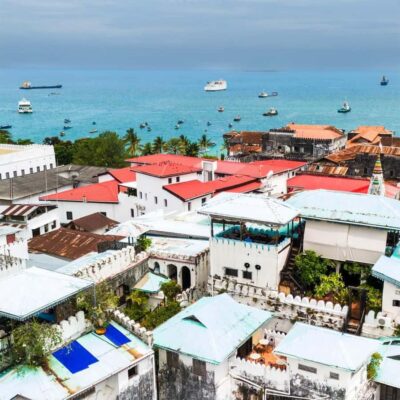
Stone Town Guided Tour: Culture, Slave Market & Spice Market
Read our review →
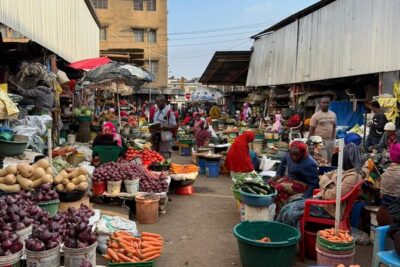
Traditional Tanzania Cooking Class & Food Market Tour
Read our review →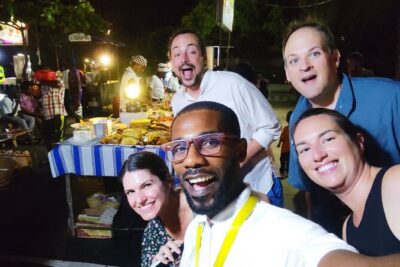
Stone Town Evening Walk Tour With Visit Food Markets
Read our review →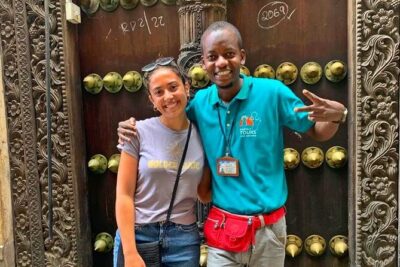
Stone Town Private Tour with Slave Market Tickets
Read our review →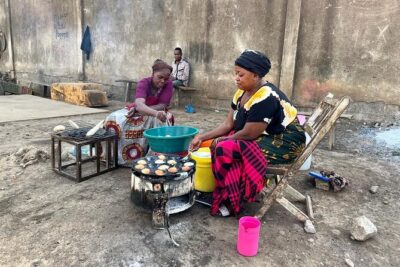
Browse the lists this tour appears in