
Reviewed · KILIMANJARO TREKS
5 Days Marangu Route Kilimanjaro Trekking
The Marangu Route gives you Kilimanjaro in a compact five-day push, with the unusual comfort of sleeping huts instead of tents. You move from rainforest to open moorland, cross the stark saddle between Mawenzi and Kibo, then make the midnight climb to Uhuru Peak at 5,895 meters.
I like the Maundi Crater viewpoint on the first afternoon and the fact that park fees, rescue fees, porters, meals, and transport are built into the price. I also like the private-tour format, which keeps the climb to your own group. The main concern is the schedule: summit day can last 12 to 15 hours, and five days gives you little extra time to adjust to altitude.
Key points to know before you book
- Hut-based route: Marangu is the only Kilimanjaro route described here with sleeping huts, though camping equipment is also listed among the inclusions. Confirm the exact sleeping setup.
- A serious summit day: You leave Kibo Hut around midnight, reach Gillman’s Point at sunrise, continue to Uhuru Peak, then walk down to Horombo Hut.
- Five days is a brisk pace: The route covers about 73 kilometers in total, with the hardest altitude gain concentrated near the end.
- Useful first-day view: A side walk to Maundi Crater offers views toward the Kenyan interior.
- Private group format: Only your party takes part, with a professional guide and porters provided.
- Price includes major costs: At $1,800.16 per person, the package includes meals, accommodation, park and rescue fees, VAT, porterage, and ground transfers, but not flights, visas, insurance, tips, or personal gear.
What the $1,800.16 price really covers
At $1,800.16 per person, this is not a bare park entry ticket. The price includes all taxes and VAT, accommodation during the trek, a professional driver and guide, porters, rescue fees, parking fees, and meals. You receive four breakfasts, four dinners, and five lunches.
That matters on Kilimanjaro. Food, porter support, park access, rescue arrangements, and transport can add up quickly when arranged separately. You also avoid the hassle of working out how to move between your hotel in Moshi, the Marangu Gate, and the trail.
The package does not include international flights, accommodation before or after the trek, visas, travel insurance, souvenirs, sleeping bags, climbing gear, bath towels, or tips. Sleeping bags and climbing gear are available to rent, which helps if you are making a last-minute climb or do not want to carry specialist equipment from home.
The package information says camping equipment includes tents, a mess tent, a mattress, and cooking equipment. At the same time, the Marangu Route plan places you in Mandara, Horombo, and Kibo huts. That mismatch is worth clearing up before you pay. Ask specifically if you will sleep in the huts throughout, what mattress is supplied, and what equipment you need to bring or rent.
There is also a note about government-imposed increases in taxes or park fees. Those costs may be passed on if official charges rise. Since the booking is non-refundable and cannot be changed for any reason, read the final terms carefully before committing.
Other routes up the mountain from Arusha:
- 8-Day Small-group Lemosho Kilimanjaro Summit Trekking
★ 5.0 · 186 reviews - 5 Days Best of Tanzania Luxury Safari Northern Circuit
★ 5.0 · 174 reviews - 7-Day Machame Kilimanjaro Summit Tour from Arusha
★ 5.0 · 125 reviews
Day 1: rainforest and Maundi Crater
The day begins with pickup from your lodge in Moshi and a drive to the Marangu Gate. The start information gives Arusha as the meeting point and lists a 1:30 am start time, while the daily plan says you are collected after breakfast. Those details do not line up neatly, so confirm your actual pickup time and location before the climb.
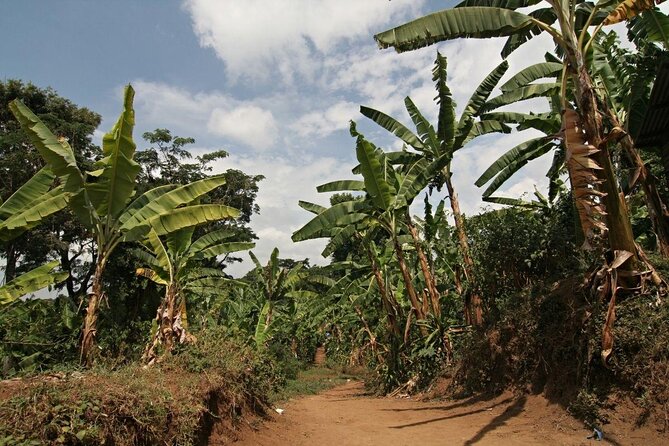
At the gate, your guide handles the required paperwork. The first hiking stage covers 8.3 kilometers and takes about five hours. The path enters dense rainforest, where tall vegetation and possible primate sightings make this a pleasant opening day rather than a plain walk to camp.
Your destination is Mandara Hut at about 2,700 meters. The climb is steady, but the forest gives you shade and plenty to look at. This is a good day to settle into a slow pace. You are not trying to win a race, and you will benefit from saving energy for the high sections ahead.
After reaching Mandara, you can walk to Maundi Crater. This side trip is one of the best small details in the plan. From the crater area, you can look toward the Kenyan interior and get a wider sense of the mountain’s setting. The outing is also a useful way to keep moving gently after arriving at the hut.
Day 2: Mandara Hut to Horombo at 3,700 meters
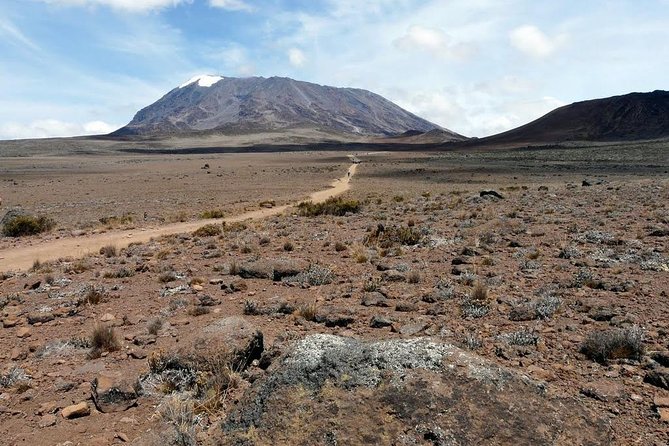
Day two covers 12.5 kilometers and takes about nine hours. After leaving Mandara, you pass out of the forest and reach the timberline. The surroundings open into the heath and moor zone, with lower vegetation and broader views.
This change in plant life is one reason the route feels like a real mountain journey rather than a long uphill road. You begin among thick greenery, then move into a more exposed world as the altitude rises. The walking remains manageable for many people, but the nine-hour estimate makes this a full day.
Horombo Hut appears after roughly four to six hours of walking from Mandara, according to the supplied plan. It sits at about 3,700 meters and gives you views toward Mawenzi, Kibo, and the wide Masai steppe. These are the views that make Horombo more than a place to sleep.
The drawback is that you gain altitude quickly. You may feel fine at the start and then notice the thinner air later in the day. Keep your pace slow, drink regularly, and tell your guide if you feel unwell. The itinerary does not include an extra acclimatization day, so Horombo is an important chance to rest properly.
Day 3: across the saddle to Kibo Hut
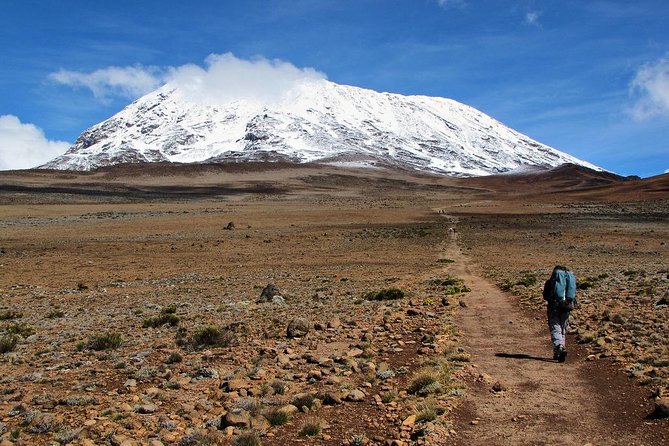
Day three is 9.5 kilometers and takes about seven hours. The route passes the Last Water point, then crosses the saddle, a nearly vegetation-free plateau between Kibo and Mawenzi.
This is where the character of the climb changes. The earlier days offer forest and plant zones. The saddle is far more open and stark, with the two great volcanic forms defining the route. The plan describes the path as well built, but the altitude and lack of vegetation make the walking feel demanding.
Kibo Hut is usually reached after five to six hours, at an altitude of about 4,700 meters. You eat an early evening meal and go to bed early because the night will be short. There is no need to fill the evening with activity. Your main task is to eat what you can, prepare your clothing and gear, and rest.
This is also the point where equipment matters most. Sleeping bags and climbing gear are not included, though they can be rented. Ask in advance what layers, gloves, headgear, and other items are available for rent. The tour does not specify a complete gear list, so you should not assume every personal item is supplied.
Same base, a different kind of day out:
- Serengeti Balloon Safari and authentic bush breakfast
★ 5.0 · 2,480 reviews - Balloon Safari & Bush Breakfast in Serengeti – Miracle Experience
★ 5.0 · 1,646 reviews - Tanzania Classic – 7 Days
★ 5.0 · 1,151 reviews - 4 Days Group Camping Safari
★ 5.0 · 1,101 reviews
Day 4: the midnight climb to Uhuru Peak
Summit day covers about 22 kilometers and takes 12 to 15 hours. It is the physical center of the trip and the reason you should treat the five-day schedule seriously.
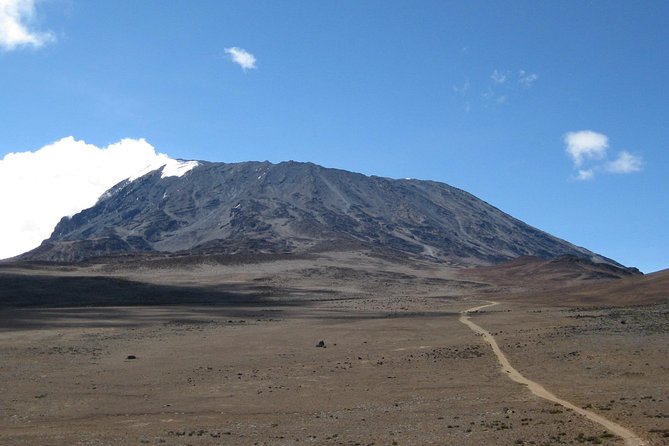
You begin around midnight from Kibo Hut. The climb rises through the dark toward Hans Meyer Cave at 5,220 meters. Progress is slow, and the cold can be severe. The plan describes the ascent as long and strenuous, which is a fair warning rather than an exaggeration.
At sunrise, you aim to reach Gillman’s Point at 5,681 meters, on the crater rim. From there, the route continues for another one to two hours toward Uhuru Peak at 5,895 meters. Reaching the rim is a major point, but the summit is still ahead. You need to keep enough strength for that final section.
The sunrise timing gives this day its most memorable moment. After hours in darkness and cold, the first light warms the mountain and reveals the high crater area. The final walk to Uhuru Peak can feel slow, so focus on small steps and the instructions of your guide.
After reaching the summit, you return to Kibo Hut for a warm meal and a one to two-hour rest. Then you continue down to Horombo Hut. This second descent is easy to underestimate. Your legs have already done the hardest uphill work, but the long day is not finished when you leave the summit.
The plan lists 15 hours for this day in one place, while the daily summary gives 12 to 15 hours. Treat the longer figure as the safer expectation. You need the stamina for a full night and day on the mountain.
Day 5: back through the forest to Moshi
The final stage covers 20.8 kilometers and takes about eight hours. From Horombo, you descend through the heath and moor zone to Mandara Hut, where lunch is planned.
The route then returns to the tropical rainforest. This change can feel dramatic after the cold, open upper mountain. At the Kilimanjaro National Park Gate, about 1,860 meters, you say goodbye to the guides and transfer back to your hotel in Moshi.
The day is still long, especially after summit day. Do not assume the achievement is complete when you leave Horombo. You have a substantial descent ahead, and tired knees can make downhill walking uncomfortable.
Back at the hotel, you can take a warm shower and celebrate the summit. Accommodation before and after the trek is not included, so you need to arrange those nights separately. The transfer back to your Moshi hotel is included in the daily plan, but confirm the exact drop-off arrangement if you are staying elsewhere.
Guides, porters, food, and group style
This is a private tour, so only your own group participates. That can make a real difference on a demanding climb. You do not have to match the speed of a large mixed group, and the guide can focus on your party’s pace and condition.
The supplied information names Walter in connection with a solo climb. He is described as patient and attentive, and he helped provide gear and clothing that the climber had not brought. That is useful evidence of practical support, but you should confirm whether Walter will be your guide rather than assuming he is assigned to every departure.
The company also receives praise for organization, responsiveness, and food on a separate family Kilimanjaro trip. The food was adapted during the trek, and the trip was arranged at short notice. Meals are included here, but the exact menu is not specified. If you have dietary needs, tell the provider before departure rather than waiting until you reach the mountain.
Porterage is included. That reduces the amount you need to carry yourself, though the supplied information does not state a personal baggage limit or the porter-to-climber ratio. Ask those questions before packing.
Who should choose this five-day route?
I would consider this route for a fit hiker who wants hut accommodation, a private group, and a direct five-day schedule. The route is especially appealing if you value the variety of forest, moorland, saddle, and high volcanic terrain more than a leisurely acclimatization plan.
It is less suitable if you want a relaxed ascent with extra rest days. The jump from 3,700 meters at Horombo to Kibo at roughly 4,700 meters, followed by a midnight summit attempt, makes this a demanding plan.
The route is often called the Tourist Route or Coca-Cola Route because it is popular and uses huts. Those names can make it sound easy. It is not easy. The hut system is more practical than camping, but the altitude, weather, distance, and summit timing remain serious.
You should also be comfortable with basic mountain accommodation. A hut is not the same as a private hotel room, and the provided information does not describe room layouts or facilities. Confirm those details, along with the camping-equipment wording, before booking.
Practical points to settle before paying
The activity offers pickup, but the information lists Arusha as the meeting point and Moshi lodge pickup in the day one plan. Confirm whether the price includes pickup from Arusha, Moshi, or both.
Ask for the exact start time. The meeting details say 1:30 am, while the first hiking day begins after breakfast. That may refer to a transfer or an administrative departure, but it should be clear before you travel.
You should also confirm:
- The name of your assigned guide
- The sleeping arrangement at each hut
- Which climbing gear is available to rent
- Whether the sleeping bag rental is separate
- The porter baggage allowance
- The location of your final drop-off
- Any possible extra charge from official park or tax increases
The cancellation policy is strict. The experience is non-refundable and cannot be changed for any reason. Travel insurance is not included, so insurance is especially important for a high-altitude trip with a firm payment policy.
Should you book this Kilimanjaro trek?
Book it if you want a private, hut-based Marangu climb with major mountain costs included and you are prepared for a hard five-day schedule. The combination of porters, meals, rescue fees, park charges, transfers, and gear rental options gives the $1,800.16 price reasonable value.
I would pause before booking if you need a flexible cancellation policy, extra acclimatization time, or clearly explained lodging and gear details. The best next step is to ask the provider to resolve the Moshi and Arusha pickup wording, the 1:30 am start time, and the hut versus camping-equipment description.
For a strong hiker who accepts those conditions, this is a focused way to reach Uhuru Peak, with the Maundi Crater walk, the Mawenzi and Kibo views, and the dramatic rainforest return adding more than a simple summit attempt.
FAQ
How long is the Kilimanjaro trek?
The trek lasts approximately five days.
Where does the activity start?
The meeting point is listed as Arusha, Tanzania. The day one plan says pickup is from a lodge in Moshi, so confirm your exact pickup location before departure.
Where does the activity end?
The activity ends back at the meeting point, and the final day plan includes a transfer to your hotel in Moshi.
What time does the activity start?
The meeting information gives a start time of 1:30 am. The day one plan says pickup takes place after breakfast, so confirm the actual first-day schedule with the provider.
Does the route use sleeping huts?
The Marangu Route plan places overnight stays at Mandara Hut, Horombo Hut, and Kibo Hut. Camping equipment is also listed as included, so confirm the exact sleeping arrangements before booking.
Is pickup offered?
Yes. Pickup is offered, with the daily plan describing collection from a lodge in Moshi.
Is this a private tour?
Yes. Only your group participates in the activity.
Are meals included?
Yes. The package includes four breakfasts, four dinners, and five lunches.
Are porters and rescue fees included?
Yes. Porterage and rescue fees are included in the package price.
Are climbing gear and sleeping bags included?
No. Climbing gear and sleeping bags are not included, but both are available for rent.
Can I cancel for a refund?
No. The experience is non-refundable and cannot be changed for any reason.
More Hiking & Trekking in Arusha
- Mountain Kilimanjaro Day Hike
★ 5.0 · 102 reviews - Private Full Day Hiking Experience to Marangu Route
★ 5.0 · 61 reviews - 4 Days Mount Meru Trekking
★ 5.0 · 55 reviews - 4 days Best experience Kilimanjaro Hike, Serengeti &Ngorongoro
★ 5.0 · 54 reviews
Just added in Arusha
- Extraordinary Hot air Bolloon ride in Serengeti | BURIGI CHATO SAFARIS CO L.T.D★ 5.0 · 6 reviews
- 4 Days Private Midrange Lodge Safari to Serengeti & Ngorongoro★ 5.0 · 4 reviews
- 3 days leopard safaris★ 5.0 · 4 reviews
- 8 Days Serengeti Migration safari★ 5.0 · 11 reviews
- tarangire, ngorongoro & lake manyara park 3 days private tour★ 5.0 · 11 reviews
- Mt. Kilimanjaro: Shira plateau to Cathedral point 3872m Day hike★ 5.0 · 7 reviews
- serengeti, ngorongoro & tarangire 4 days private tour★ 5.0 · 18 reviews
- tarangire & ngorongoro 2 days tour★ 5.0 · 14 reviews
Kilimanjaro Treks, compared.



8-Day Small-group Lemosho Kilimanjaro Summit Trekking
Read our review →

5 Days Best of Tanzania Luxury Safari Northern Circuit
Read our review →

Climbing Kilimanjaro through 7 days Machame Route
Read our review →
7-Day Machame Kilimanjaro Summit Tour from Arusha
Read our review →Browse the lists this tour appears in