
Reviewed · KILIMANJARO TREKS
7 Days Machame Route Kilimanjaro Trekking
The Machame Route gives you Kilimanjaro in fast-changing stages: wet rainforest, open moorland, rocky semi-desert, alpine desert, then snow and stone near Africa’s highest point. You get big scenery and a useful climb-high, sleep-low pattern without taking the longer routes around the mountain.
I like the variety of habitats and the strong support package. Camping gear, meals, porters, rescue fees, park charges, and transport from Arusha are included, while guides such as Oliver, Godlove, Ombeni, and Safaeli have helped climbers reach the summit. The main drawback is the pace: summit day can involve 8 hours up and another 7 to 8 hours down, followed by a long descent to Mweka.
Key points before you book
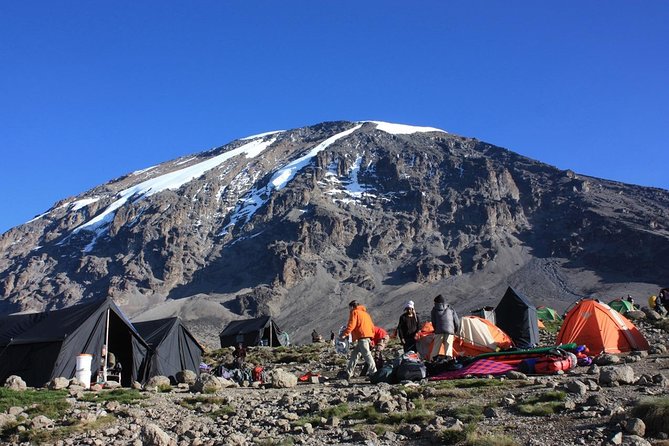
- The route crosses five distinct mountain zones, from montane forest to ice and stone near Uhuru Peak.
- Day three is crucial for altitude adjustment, climbing to Lava Tower at 4,630 meters before dropping to Barranco Camp.
- The summit attempt begins around 11:30 p.m., with tea and biscuits before the hardest climb.
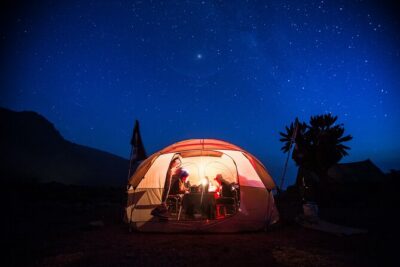
- You camp every night, including exposed Shira and Barafu camps where temperatures can fall below freezing.
- Porters, meals, rescue fees, taxes, and camping equipment are included, but you still need to budget for gear rental, a sleeping bag, tips, insurance, and visa costs.
- This is a private trek, so only your group takes part, with pickup offered from Arusha.
Why the Machame Route remains popular
Machame is often called the scenic route, and the name fits. The trail does not simply climb straight uphill. It rises into high country, drops into valleys, and then climbs again. That pattern takes effort, but it also helps your body adjust to altitude better than a relentlessly rising trail.
About half of Kilimanjaro climbers choose this route, including many people with previous high-altitude experience. The route is also less costly than some longer options because access is straightforward and the standard schedule lasts seven days.
You begin near Arusha at about 1,400 meters and finish at Uhuru Peak, 5,895 meters above sea level. That difference is serious. You need fitness, patience, and the willingness to walk slowly even when you feel strong. The guides will set the pace, but you must speak up if you have a headache, unusual breathlessness, or other altitude symptoms.
The $2,200.11 price per person offers solid value if the included services match your needs. You are paying for six nights of mountain accommodation, six breakfasts, six dinners, seven lunches, porters, a professional guide, camping equipment, park-related costs, rescue fees, and taxes. It is not a low-cost day hike, but Kilimanjaro requires a large support team and permits.
You should still allow extra money for a sleeping bag, rented climbing gear, tips, travel insurance, visa fees, souvenirs, and accommodation before or after the trek. Government tax or park fee increases are also excluded. Ask for a current list of rental equipment and staff tipping guidance before departure.
Other routes up the mountain from Arusha:
- 8-Day Small-group Lemosho Kilimanjaro Summit Trekking
★ 5.0 · 186 reviews - 5 Days Best of Tanzania Luxury Safari Northern Circuit
★ 5.0 · 174 reviews - 7-Day Machame Kilimanjaro Summit Tour from Arusha
★ 5.0 · 125 reviews
Day 1: Machame Gate and the wet rainforest
Your pickup begins at 4:00 a.m. from Arusha. After breakfast, you drive to Machame Village, where you can buy mineral water and collect a packed lunch. Depending on road conditions, the vehicle may continue for about 3 kilometers, or you may walk that section to Machame Gate at roughly 1,490 meters.
The gate is where the practical work begins. Porters organize and pack the group’s belongings while you and your guide complete registration with Tanzania National Parks. Do not expect an instant start. Registration and packing take time, and this is a good moment to check your daypack, water, rain gear, and lunch.
The hike lasts about seven hours and covers roughly 18 kilometers through montane forest. This is a long opening day, but the forest gives you shade and a clear sense of change as the path gains height. Rain, mud, and fog are normal here, so waterproof layers matter more than stylish hiking clothes.
Your camp is reached before evening, with tents arranged and water prepared for drinking and washing. Since this is the first day, you may still feel fresh. Do not spend that energy racing ahead. The best strategy is a slow, steady pace from the start.
Day 2: Shira Plateau and the first cold camp
Day two takes about six hours over approximately 9 kilometers. You leave the rainforest and enter heathland and moorland, where the vegetation becomes lower and the views open up.
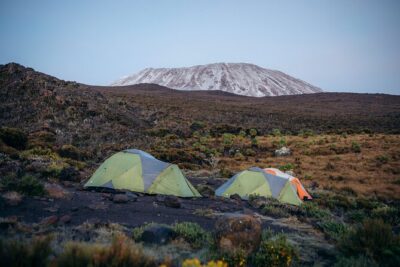
The trail crosses streams and climbs over a rocky ridge toward the Shira Plateau. Shira Camp sits at around 3,840 meters beside a stream, with views toward the Western Breach and glaciers to the east. This is one of the first places where Kilimanjaro feels truly high and exposed.
The short distance can fool you. At this elevation, even a modest climb may leave you breathing hard. Keep drinking water and avoid treating the camp as a place for strenuous extra walking.
Night temperatures can drop below freezing. Your tent, mattress, and cooking setup are included, but a sleeping bag is not. You can rent one, and you should confirm its rating before the trip. A warm hat, dry socks, gloves, and a reliable insulating layer are basic needs at Shira.
Day 3: Lava Tower, altitude symptoms, and Barranco
Day three is one of the most useful days on the route. You walk about 15 kilometers in roughly seven hours, moving from moorland into rocky semi-desert.
After around five hours, you reach Lava Tower at 4,630 meters. Packed lunch is served there, and an optional climb on the tower may be possible if weather allows. You may begin to notice a headache or shortness of breath at this point. That is common at altitude, but it should not be ignored. Tell your guide how you feel.
The clever part of the day comes after lunch. You descend about 680 meters to Barranco Camp at approximately 3,950 meters. This is the climb-high, sleep-lower pattern that makes the day valuable for adjustment. You work hard at high altitude, then rest at a lower camp.
The terrain is rocky and dry, and the views are broad. This is also where tiredness can catch up with you. Eat your lunch even if your appetite is weak, sip water regularly, and keep your pace controlled.
Same base, a different kind of day out:
- Serengeti Balloon Safari and authentic bush breakfast
★ 5.0 · 2,480 reviews - Balloon Safari & Bush Breakfast in Serengeti – Miracle Experience
★ 5.0 · 1,646 reviews - Tanzania Classic – 7 Days
★ 5.0 · 1,151 reviews - 4 Days Group Camping Safari
★ 5.0 · 1,101 reviews
Day 4: The Barranco Wall and Karanga Valley
Day four covers only about 5 kilometers and takes four to five hours, but it is not an easy stroll. You climb the Barranco Wall, a steep-looking rock section described as a Class 2 hike.
The wall often appears more intimidating from below than it feels once you begin. You will use your hands in places, but the route is presented as manageable rather than technical climbing. Your guide will set the line and pace, so keep your daypack secure and give yourself time.
At the top, you can see Heim Glacier and look out over the clouds. The route then rises and falls through Karanga Valley before reaching camp. Those ups and downs are tiring, but they continue the useful altitude pattern.
This is a good day to protect your energy. You have a hard summit attempt coming soon, and there is little benefit in turning the Barranco Wall into a race. Take photographs, but keep your gloves and layers accessible because conditions can shift quickly.
Day 5: Karanga to exposed Barafu Camp
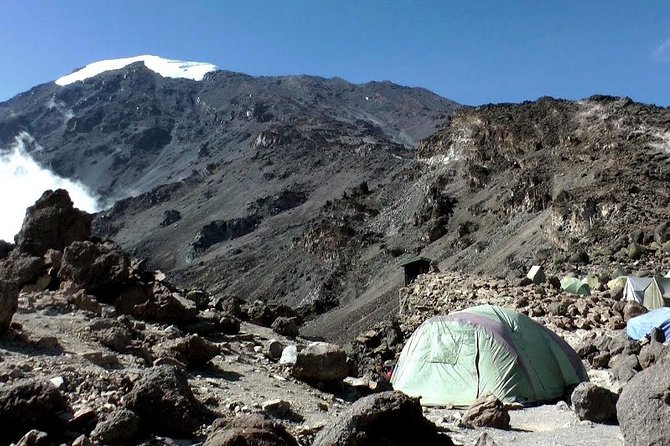
The walk from Karanga Camp at about 3,959 meters to Barafu Camp at 4,550 meters takes roughly two to three hours over 4 kilometers. The short schedule gives you time to rest before the summit attempt.
The route joins the Mweka Route, which you will use for the final descent. After about an hour, you reach Barafu Hut. This is the last water stop for porters because no accessible water is available at Barafu Camp.
Barafu means ice in Swahili, and the camp lives up to its name. It sits on a rocky, exposed ridge. Wind and rocks can make the tents feel less comfortable than the lower camps, and you should learn the layout before darkness arrives.
Dinner is served early. Then you rest, though sleep may be difficult because of the altitude, cold, excitement, or all three. Organize your headlamp, warm layers, gloves, water, snacks, and walking poles before lying down. A small mistake at midnight can feel much bigger when you are tired and cold.
Day 6: The midnight climb to Uhuru Peak
Summit day begins around 11:30 p.m. with tea and biscuits. You start over stone scree, heading northwest toward Stella Point at 5,685 meters.
The climb to Stella Point takes about six hours. This is often the hardest mental and physical section of the trek. The route is dark, the air is thin, and progress can feel slow. Your guide will control the pace, but your job is to conserve energy and focus on the next few steps.
At Stella Point, you reach the crater rim and can watch the sunrise. From there, it takes about two more hours over a snow-covered trail to Uhuru Peak at 5,895 meters. If you reach the summit, you receive a gold certificate. Reaching Stella Point earns a green certificate.
The ascent is listed at roughly 7 kilometers, but the whole day is much longer because the descent continues to Mweka. After the summit, you return to Barafu and then descend to Mweka Camp, with 7 to 8 hours of descent time listed after the peak section.
This is where strong preparation matters. Do not judge success only by reaching the very top. Altitude affects people differently, and turning around can be the correct decision. The support of guides and porters is especially important here. Past groups have praised guides including Oliver, Godlove, Ombeni, and Safaeli for calm support, clear mountain guidance, and professional care.
Day 7: Mweka Gate, certificates, and the staff celebration
After breakfast, the mountain team holds a celebration with singing and dancing. This is also the customary time to present tips to your guide, assistant guides, chef, and porters.
The final descent takes about three hours through forest to Mweka Gate. You sign out with the national park and collect your completion certificate. From the gate, the route continues for about an hour, or 3 kilometers, to Mweka Village.
The last day is easier on the lungs than summit day, but your knees may feel the long descent. Trekking poles help, and you should not rush simply because the finish is close.
The staff celebration is more than a cheerful extra. Porters, cooks, and guides make the route possible, and the tipping moment recognizes the work behind your summit attempt. Bring cash in suitable amounts and ask before departure how tips are divided.
Camping, meals, and what is included
You sleep in tents throughout the trek. The package includes a mess tent, mattress, cooking equipment, and the staff needed to run the camp. It also includes meals from the first lunch through the final breakfast, with seven lunches, six dinners, and six breakfasts listed.
The food detail matters because you need regular calories at altitude. Breakfast comes before each walking day, packed or prepared lunches support the long stages, and dinner follows the climb into camp. If you have dietary restrictions, confirm arrangements before paying, since the supplied information does not specify special menus.
There is no mention of private bathrooms or shower facilities in the core package. One group specifically had its own toilet, but you should confirm whether that is included for your booking rather than assuming it is standard.
The price includes rescue fees, parking, taxes, park costs, porter support, and a professional driver or guide. It does not include bath towels, sleeping bags, personal items, international flights, airport costs, or accommodation before and after the trek.
Who should book this seven-day climb?
I would choose this trek if you want a scenic route, a private group, and a full mountain support team without paying for a longer itinerary. It suits people who can handle long walking days, basic camping, cold nights, and a very demanding summit schedule.
It is less suitable if you want a relaxed holiday, hotel-style comfort, or a high chance of sleeping well before the summit. The 4:00 a.m. pickup, seven-hour opening day, exposed camps, and midnight summit start require preparation.
Most climbers can participate according to the supplied information, but that does not remove the need for sensible fitness and medical planning. Discuss high-altitude travel with a medical professional if you have health concerns. Bring travel insurance, since it is not included.
The experience is private, so only your group takes part. That can make communication easier and gives you more direct time with your guide. Mafie Adventures has arranged airport and hotel support for some groups, but the listed package specifically promises pickup from Arusha, not airport transfers or pre- and post-trek lodging.
My verdict: a strong choice for prepared climbers
I would book this Machame trek if you value scenery, a proven route, and a support package that covers the major mountain costs. The best parts are the habitat changes, the Lava Tower descent to Barranco, the Barranco Wall, and the chance to reach Uhuru Peak with an experienced local crew.
I would pause before booking if you have not prepared for cold camping or if the non-refundable policy creates financial risk. Once you cancel or request a change, the payment is not refunded.
For a prepared climber who wants seven days on Kilimanjaro, the $2,200.11 cost is reasonable for what is included. Just arrive with the right layers, a sleeping bag plan, insurance, tip money, and realistic expectations about the summit day.
FAQ
Where does the trek start and finish?
The trek starts in Arusha, Tanzania, with pickup offered at 4:00 a.m. It ends back at the meeting point after the descent and transfer from Mweka Village.
How long is the Machame Route trek?
The listed duration is seven days. Summit day includes about 8 hours to reach Uhuru Peak and another 7 to 8 hours descending to Mweka.
Is this a private group trek?
Yes. This is a private activity, so only your group participates.
Are meals and camping equipment included?
Yes. The package includes a mess tent, mattress, cooking equipment, seven lunches, six dinners, and six breakfasts. A sleeping bag is not included but is available to rent.
Is climbing gear included?
No. Climbing gear is available for rent, but it is not included in the listed price.
What is the cancellation policy?
The experience is non-refundable and cannot be changed for any reason. If you cancel or request an amendment, the amount paid will not be refunded.
More Hiking & Trekking in Arusha
- Mountain Kilimanjaro Day Hike
★ 5.0 · 102 reviews - Private Full Day Hiking Experience to Marangu Route
★ 5.0 · 61 reviews - 4 Days Mount Meru Trekking
★ 5.0 · 55 reviews - 4 days Best experience Kilimanjaro Hike, Serengeti &Ngorongoro
★ 5.0 · 54 reviews
Just added in Arusha
- 4 Days Private Midrange Lodge Safari to Serengeti & Ngorongoro★ 5.0 · 4 reviews
- Extraordinary Hot air Bolloon ride in Serengeti | BURIGI CHATO SAFARIS CO L.T.D★ 5.0 · 6 reviews
- 3 days leopard safaris★ 5.0 · 4 reviews
- 8 Days Serengeti Migration safari★ 5.0 · 11 reviews
- tarangire, ngorongoro & lake manyara park 3 days private tour★ 5.0 · 11 reviews
- Mt. Kilimanjaro: Shira plateau to Cathedral point 3872m Day hike★ 5.0 · 7 reviews
- serengeti, ngorongoro & tarangire 4 days private tour★ 5.0 · 18 reviews
- tarangire & ngorongoro 2 days tour★ 5.0 · 14 reviews
Kilimanjaro Treks, compared.
8-Day Small-group Lemosho Kilimanjaro Summit Trekking
Read our review →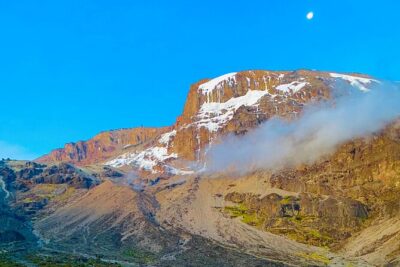
5 Days Best of Tanzania Luxury Safari Northern Circuit
Read our review →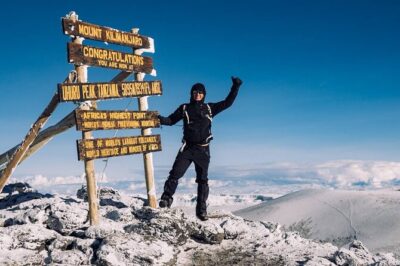
Climbing Kilimanjaro through 7 days Machame Route
Read our review →
7-Day Machame Kilimanjaro Summit Tour from Arusha
Read our review →Browse the lists this tour appears in