
Reviewed · KILIMANJARO TREKS
8 Days Mountain Kilimanjaro Lemosho Route
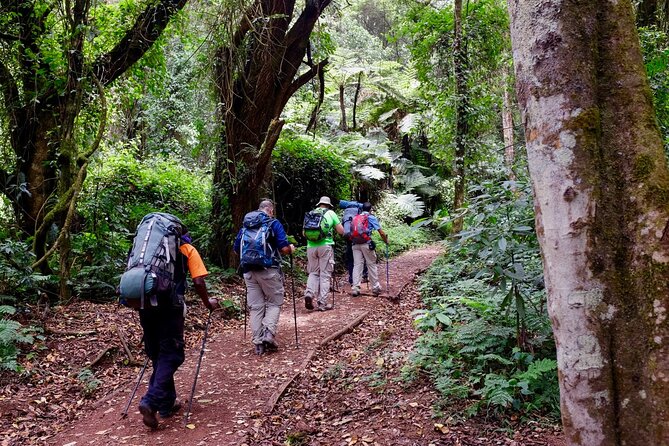
Lemosho is Kilimanjaro’s slow-burn route, starting in thick rainforest and crossing the high Shira Plateau before joining the southern circuit to Uhuru Peak. The real appeal is not just reaching Africa’s highest point. It is the changing scenery and the extra time your body gets to adjust.
I like the long acclimatization plan and the chance to spend a full day around Shira and Lent Hills. I also like that the price includes water, meals, camping equipment, a sleeping bag, and park fees. The main consideration is the altitude: summit day begins around midnight, and the 8-day schedule is still a demanding physical test, not a casual mountain walk.
Key points to know before booking
- Eight days gives you a sensible pace: The route includes gradual altitude gains, a full Shira Plateau day, and a high climb to Lava Tower followed by a lower camp.
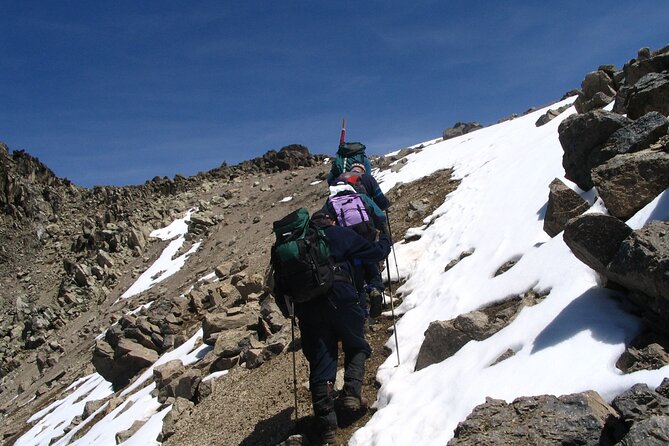
- The scenery changes every day: You move from rainforest to tall grass, heath, volcanic rock, alpine desert, and Arctic summit terrain.
- John Danford is the named head guide: His guiding, pacing, mountain knowledge, and calm support are repeatedly praised in the available feedback.
- The hardest day is summit day: You climb from Barafu Camp to Uhuru Peak in 6 to 8 hours, then descend all the way to Mweka Camp.
- Porter welfare is part of the company’s pitch: African Polecat Safaris lists paid membership in the Kili Porter Assistance Program, or KPAP.
- The $2,840 price covers key trek basics: Park fees, clean water, camping gear, sleeping bag, and seven breakfasts, lunches, and dinners are included.
Why the Lemosho route earns eight days
Lemosho suits you if you want a gradual approach rather than the shortest possible route to the summit. The opening days are not rushed, and the route uses the Shira Plateau for altitude adjustment before heading toward Lava Tower, Barranco, Karanga, and Barafu.
That rhythm matters on Kilimanjaro. You do not simply walk uphill every day. On day four, for example, you climb to 15,190 feet at Lava Tower and then sleep lower at Barranco Camp. That climb-high, sleep-lower pattern gives you time at altitude without ending the day at your highest point.
The route also offers more than a single summit push. You get rainforest wildlife possibilities, broad views across the Shira Plateau, volcanic formations, the Senecio Forest, the Barranco Wall, and two different views of the summit peaks from Barafu Camp.
At $2,840 per person, this is not a bargain-basement hike. But the value is easier to see once you count what is included. You receive transport from your accommodation on the first day, park and other listed fees, camping gear, a sleeping bag, clean water, and seven days of meals. Flights, visas, travel insurance, and tips remain your responsibility.
Other routes up the mountain from Arusha:
- 8-Day Small-group Lemosho Kilimanjaro Summit Trekking
★ 5.0 · 186 reviews - 5 Days Best of Tanzania Luxury Safari Northern Circuit
★ 5.0 · 174 reviews - 7-Day Machame Kilimanjaro Summit Tour from Arusha
★ 5.0 · 125 reviews
Day 1: Rainforest, Londorossi Gate, and Mti Mkubwa
Your driver and guide collect you after breakfast, with the stated start time at 8:00 a.m. The drive heads toward Lemosho Gate and Londorossi Gate, where you link up with the mountain crew.
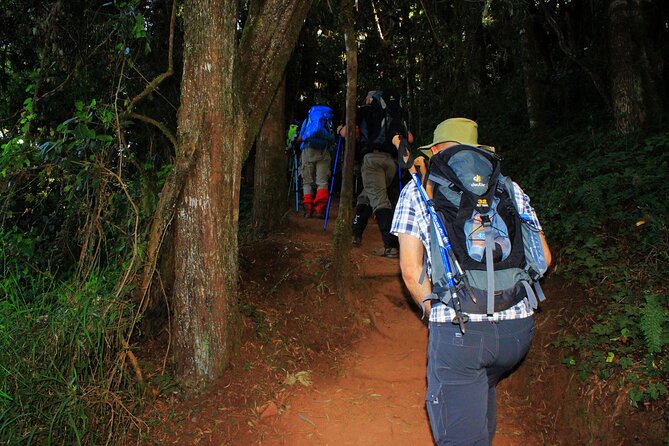
There is time to stop at a local village for lunch and last-minute supplies. That is useful because you can check your small personal items before leaving the road behind. Once hiking begins, the path enters Kilimanjaro’s thick lower rainforest.
The walk to Mti Mkubwa, also called Big Tree Camp, takes about three to four hours. The route is relatively short, which gives you a manageable first day while still getting your legs moving.
Keep your eyes open for colobus monkeys and other possible wildlife in the forest. Sightings are never guaranteed, but this first day offers a more natural start than being dropped straight into bare high-altitude terrain.
The main drawback is that the road transfer and gate formalities can make the day feel longer than the hiking time suggests. Still, the short walk is useful, especially if you are not used to carrying yourself at altitude.
Day 2: Shira Ridge and the first view of Kibo
Day two climbs from about 9,498 feet to 11,500 feet over roughly 8 kilometers. The walk takes around five to six hours, though the schedule lists about four hours of activity time.
You leave the rainforest and enter tall savannah grasses, heath, volcanic rock, and lichen-covered ground. The change is quick and striking. The forest closes behind you, and the mountain begins to feel much larger and more exposed.
The trail crosses rolling hills and several streams before reaching Shira Ridge. From there, you drop gently toward Shira 1 Camp. The reward is your first clear view of Kibo, the summit cone of Kilimanjaro, across the plateau.
This is a good example of why Lemosho is worth taking slowly. You gain height, but you are not forced into a punishing day. The open terrain can feel less sheltered than the forest, so you should be prepared for changing conditions and a more exposed walking day.
Day 3: A full day on the Shira Plateau
Day three is one of the route’s best acclimatization days. You walk across the Shira Plateau, one of the highest plateaus on earth, with the day’s elevation ranging from about 11,500 to 13,800 feet.
The route moves east through moorland meadows toward Shira 2 Camp before branching toward Moir Hut. Moir Hut is a less-used site at the base of Lent Hills, and the surrounding area allows several possible walks.
That flexibility is valuable. Your guide can adjust the day’s walking to suit your condition and interests, within the route plan. You are not simply sitting in camp waiting for the next major climb. You are spending time high on the mountain while keeping the pace controlled.
The Shira Plateau also gives you a sense of Kilimanjaro’s scale. The vegetation is lower and more open than the rainforest, and volcanic rock becomes a constant part of the view. At this height, you may feel the altitude even during a gentle walk, so drink the provided water and tell your guide if you feel unwell.
Same base, a different kind of day out:
- Serengeti Balloon Safari and authentic bush breakfast
★ 5.0 · 2,480 reviews - Balloon Safari & Bush Breakfast in Serengeti – Miracle Experience
★ 5.0 · 1,646 reviews - Tanzania Classic – 7 Days
★ 5.0 · 1,151 reviews - 4 Days Group Camping Safari
★ 5.0 · 1,101 reviews
Day 4: Lava Tower, altitude practice, and Barranco
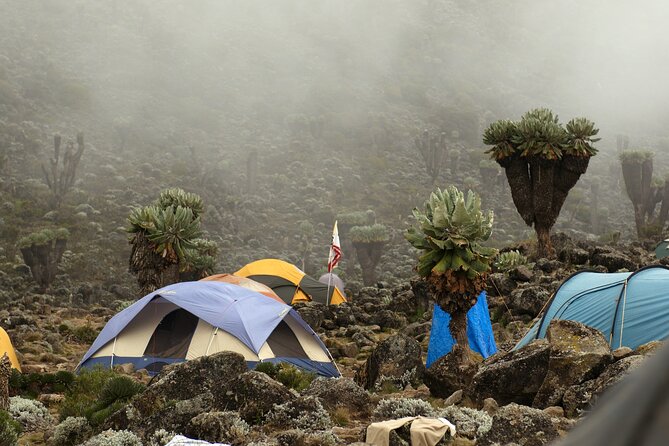
Day four is the route’s classic acclimatization day. You climb from Moir Hut at about 13,800 feet to Lava Tower at 15,190 feet, covering around 7 kilometers in three to four hours. Lava Tower is a 300-foot volcanic rock formation and one of the most memorable features on this section.
After spending time high, you descend about 3 kilometers to Barranco Camp at roughly 13,044 feet. The descent takes another one to two hours and passes through the unusual Senecio Forest.
This day may feel odd because you finish at a lower altitude than your highest point, but that is the point. The high climb gives your body time to experience altitude, while the lower camp makes the night more manageable than sleeping at Lava Tower.
It is also one of the more demanding days before the summit. You may feel strong at the start and tired by the time you reach Barranco. Take the descent seriously. The alpine desert terrain can be rocky and uneven.
Day 5: The Barranco Wall and Karanga Valley
The path from Barranco Camp to Karanga Camp is short, about 5 kilometers and two to three hours. Do not confuse short with easy.
The day begins by dropping into a ravine at the foot of the Great Barranco Wall. You then climb the steep, nearly 900-foot rock face. The route is described as non-technical, so it does not require climbing equipment, but it is still a serious uphill section with hands and feet often needed for balance.
Once above the wall, you cross a series of hills and valleys before dropping into Karanga Valley. A final steep climb brings you to Karanga Camp at about 13,106 feet.
I like this shorter day because it gives you room to recover after Lava Tower. It also breaks up the approach to Barafu. The wall may be the section that tests your nerves most, especially if you dislike steep drops or exposed rock, but the trail is designed for trekking rather than technical climbing.
Day 6: Barafu Camp and the final preparation
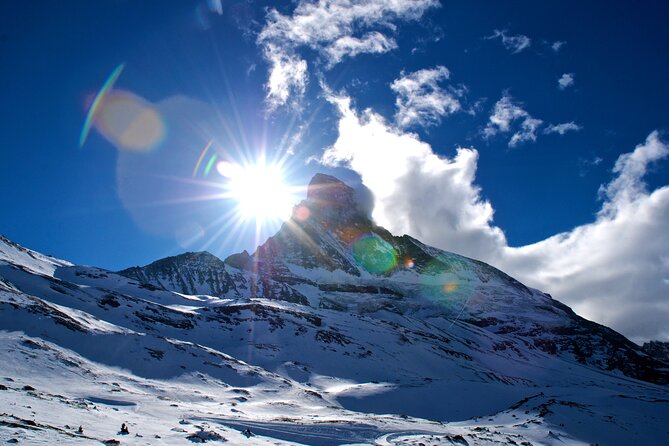
From Karanga, the trail climbs about 4 kilometers to Barafu Camp at 15,331 feet. The listed walking time is only one to two hours, but the altitude makes this a serious short day.
You pass the junction with the Mweka Trail and continue through rocky ground to Barafu Hut. At this point, you have completed the Southern Circuit, which provides views of Kibo and Mawenzi from several angles.
Barafu is the launch point for the summit. You eat an early dinner, rest, and prepare for the midnight start. The camp’s position is stark and exposed, with little vegetation and a strong sense that the easy part is finished.
Use the afternoon carefully. The schedule is short, but you should not treat it as free time for extra wandering. Organize clothing, water, headlamp if you have one, and anything you need for the summit push. The provided sleeping bag and camping equipment reduce the amount of gear you must arrange yourself, but you still need to prepare your personal layers and essentials.
Day 7: Uhuru Peak and the long descent
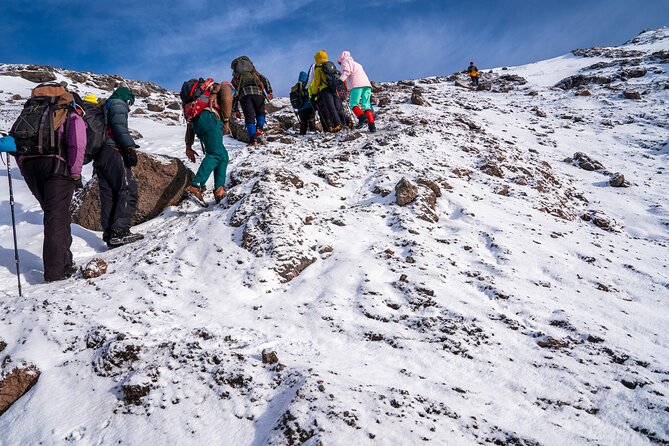
Day seven is the physical center of the trip. You leave Barafu around midnight and climb from 15,331 feet to Uhuru Peak at 19,341 feet.
The summit ascent takes about six to eight hours. You walk in darkness, facing cold, wind, steep ground, and thin air. The pace is deliberately slow, with frequent short breaks. The key challenge is not one dramatic climbing move. It is continuing step by step when the height makes every effort feel harder.
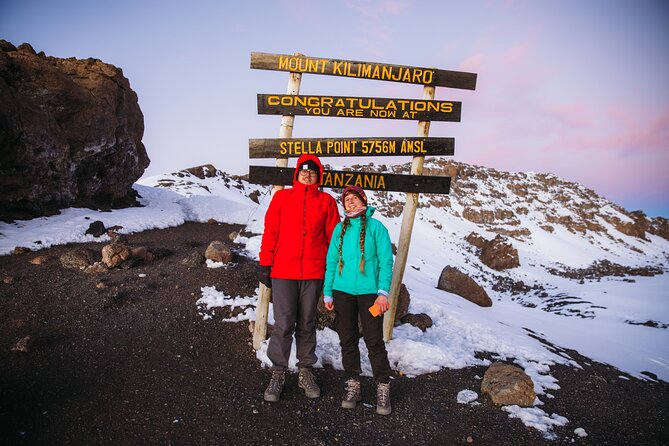
Near Stella Point at about 18,900 feet, you can see sunrise over Mawenzi. From there, the route continues around the crater rim toward Uhuru Peak, the highest point on Kilimanjaro.
After reaching the summit, you descend to Mweka Camp, dropping to about 10,065 feet over 12 kilometers. That downhill section takes another four to six hours and passes back into rainforest.
This is a very long day, listed at about 7 hours of activity in the schedule, though the separate ascent and descent estimates add up to much more. You should plan mentally for a full day on your feet. Reaching the summit is only half the work. The descent to Mweka Camp can be tiring, and the return to wet forest terrain may bring mud underfoot.
John Danford is the named chief head guide associated with this climb. The strongest praise for the company centers on his pacing, mountain experience, encouragement, and ability to keep the group moving. That matters most here, when the summit day becomes less about scenery and more about steady decisions.
Day 8: Mweka Gate and the return to Moshi
The final walk takes you from Mweka Camp at about 10,065 feet down to Mweka Gate at 5,380 feet. The distance is around 10 kilometers, with two to three hours of hiking through rainforest.
The lower trail can be wet and muddy. After the open volcanic ground higher up, the return to forest is a welcome change, but your legs may be tired and your boots may get dirty.
At Mweka Gate, you collect summit certificates. You then continue for about another hour to Mweka Village, where a vehicle meets you for the drive back to your hotel in Moshi.
The listed location is Arusha, but the final transfer described here returns you to Moshi. Confirm your accommodation and transfer details before booking, especially if you are staying in Arusha or arranging a later connection.
What the price includes, and what it does not
The $2,840 price includes the core services needed for the mountain portion of the trip:
- All listed fees and taxes
- Clean water
- Camping equipment
- Sleeping bag
- Seven breakfasts
- Seven lunches
- Seven dinners
- Pickup for the start of the experience
You still need to budget for tips, travel insurance, visas, and flights. Tips are especially important to discuss before departure because a large mountain crew supports a climb of this length.
The company also lists paid membership in KPAP, the Kili Porter Assistance Program. That is a useful point for anyone who wants to consider porter treatment when comparing operators. You should still ask for the current crew size, tipping guidance, equipment standards, and exact porter arrangements before you commit.
Guide service, crew support, and food
The guide team is one of the strongest parts of the experience as described. John Danford is frequently singled out by name, while James is praised for prompt replies and trip planning before arrival.
That combination is valuable. Good pre-trip communication can remove much of the uncertainty around flights, arrival plans, and equipment. On the mountain, an experienced head guide can help regulate pace and make the route feel more manageable.
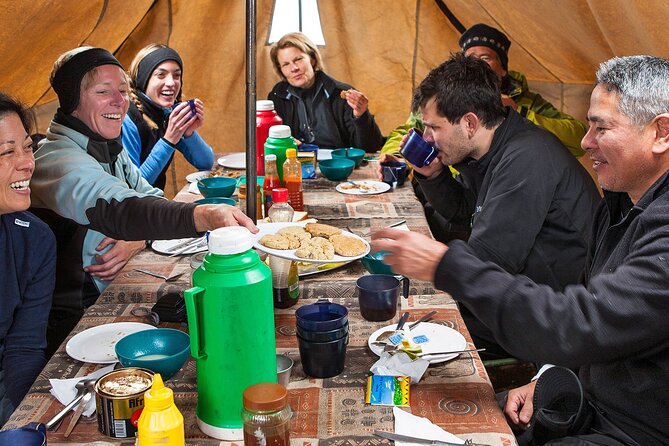
The crew, tents, and food also receive strong praise. The practical question is not simply whether meals are included, but whether you are comfortable eating camp meals for seven breakfasts, seven lunches, and seven dinners. The supplied information gives no detailed menu, so ask about dietary needs before booking.
Who should choose this Kilimanjaro climb?
This trip suits you if you have a moderate fitness level and want more time for acclimatization. You do not need a technical climbing background according to the route description, but you do need to handle long days, steep sections, cold, and altitude.
It is a good match for:
- First-time high-altitude hikers who prefer a longer route
- People who want varied scenery rather than a quick ascent
- Private groups that want only their own party on the activity
- Hikers who value included camping gear and meals
- People who want a company connected with KPAP
It is less suitable if you want a relaxed holiday with a little walking added. The midnight summit start, 19,341-foot goal, and long descent make this a serious physical undertaking.
The private format is helpful if your group wants its own pace and conversation. It also means the experience is not built around joining a larger mixed party. Ask how many guides and porters will support your group, since that information is not specified.
Booking details and cancellation terms
Confirmation is provided at the time of booking. Pickup is offered, the stated start time is 8:00 a.m., and the activity ends back at the meeting point after the return transfer.
You can cancel for a full refund if you do so at least 24 hours before the experience begins. Cancellations or changes made within 24 hours are not accepted and are not refunded. The cut-off follows local time, so keep that in mind if you are booking from another time zone.
Should you book the Lemosho route?
I would choose this trip if your priority is a gradual Kilimanjaro route with strong guide support, included camping basics, and a private group format. The full Shira Plateau day, Lava Tower acclimatization climb, and extra time before the summit make the eight-day plan more appealing than a rushed itinerary.
The decision comes down to preparation. You need travel insurance, a visa, flights, tip money, and the fitness to manage a midnight summit push. If you accept those demands, the Lemosho route offers a thoughtful path through Kilimanjaro’s major habitats, from rainforest to Arctic summit terrain.
FAQ
How long is the Kilimanjaro Lemosho route experience?
The experience lasts approximately eight days.
Where does the trek begin?
Your driver and guide pick you up after breakfast and take you toward Lemosho Gate and Londorossi Gate.
What time does the experience start?
The stated start time is 8:00 a.m.
Is pickup included?
Yes. Pickup is offered at the beginning of the experience.
Is this a private tour?
Yes. Only your group participates in the activity.
What is the highest point reached?
The summit goal is Uhuru Peak at 19,341 feet.
How difficult is the trek?
Participants should have a moderate level of physical fitness. The route includes steep climbs, high altitude, a midnight summit start, and a long descent on day seven.
Are meals included?
Yes. The package includes seven breakfasts, seven lunches, and seven dinners.
Is camping equipment provided?
Yes. Camping gear, a sleeping bag, and clean water are included.
What costs are not included?
Tips, travel insurance, visas, and flights are not included.
Can I cancel for a full refund?
Yes, if you cancel at least 24 hours before the experience start time. Cancellations within 24 hours are not refunded.
Just added in Arusha
- 2-Day Private Luxury Safari from Zanzibar with Flights★ 3.2 · 5 reviews
- 7-Day Private Tanzania Safari with Sunset Walking on the Crater Rim and Maasai★ 5.0 · 40 reviews
- Saadani Day Trip★ 5.0 · 13 reviews
- Nyssa Luxury Balloon in Safaris and Serengeti★ 5.0 · 69 reviews
- Arusha National Park Day Trip★ 4.5 · 18 reviews
- Arusha National Park Private Safari★ 5.0 · 59 reviews
- Arusha: Maasai Village Tour★ 4.8 · 22 reviews
- 3 Days Serengeti & Ngorongoro Tour★ 5.0 · 22 reviews
Kilimanjaro Treks, compared.
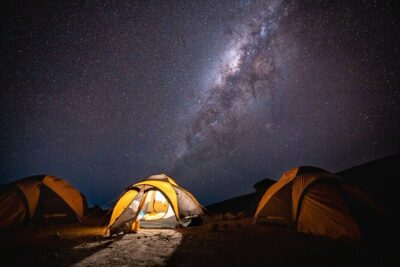
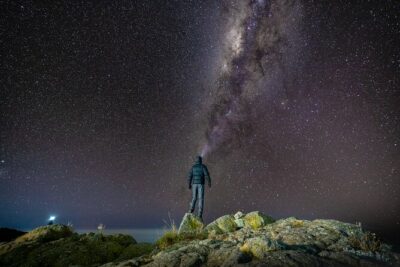
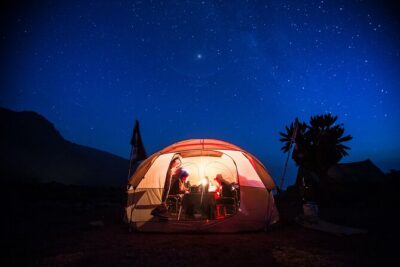
8-Day Small-group Lemosho Kilimanjaro Summit Trekking
Read our review →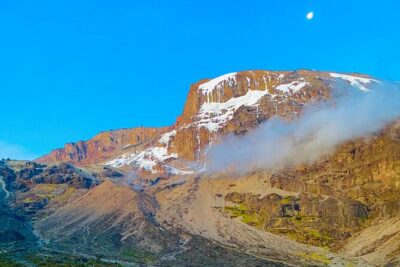
5 Days Best of Tanzania Luxury Safari Northern Circuit
Read our review →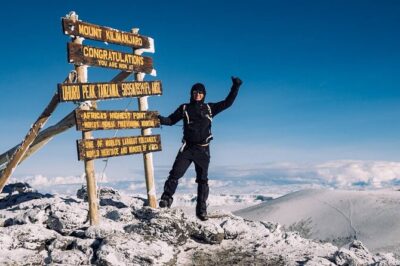
Climbing Kilimanjaro through 7 days Machame Route
Read our review →
7-Day Machame Kilimanjaro Summit Tour from Arusha
Read our review →Browse the lists this tour appears in